
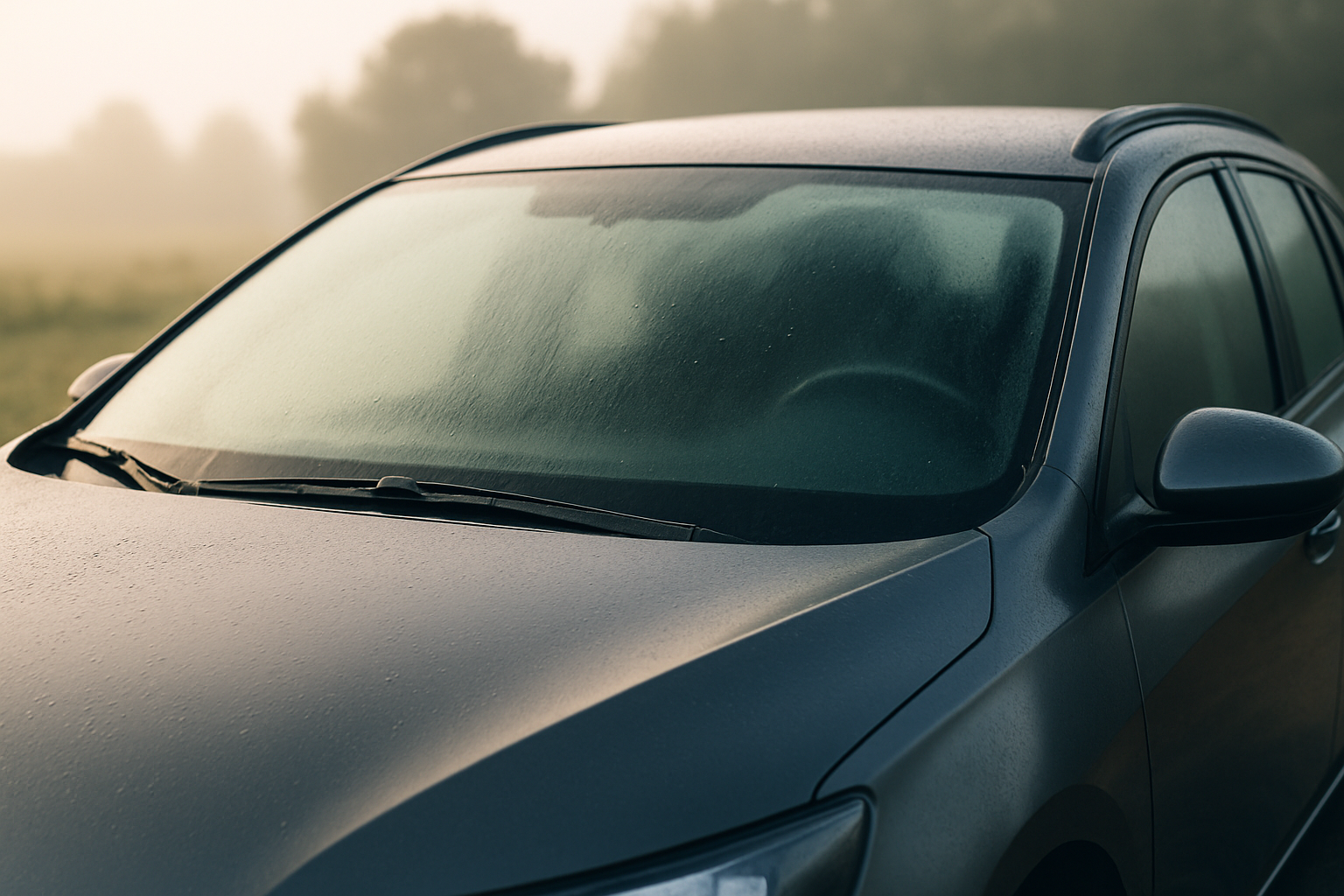
Nothing ruins your morning commute like stepping into your car and being greeted by a completely fogged-up windshield. You’re already running late, and now you can’t see anything through the glass. Fortunately, preventing windshield fog doesn’t require expensive repairs or complicated procedures.
Why Your Windshield Fogs Up in the First Place
Windshield fog happens when warm, humid air meets the cool surface of your glass. This temperature difference causes water vapor to condense into tiny droplets, creating that annoying haze that blocks your vision.
Your breath, wet clothes, spilled coffee, or even moisture trapped in your car’s upholstery all contribute to the humidity inside your vehicle. Cold mornings make this problem worse because the temperature difference between inside and outside air becomes more extreme.
Understanding this basic science helps you tackle the root causes instead of just dealing with the symptoms every single day.
The AC and Heat Combination Method
Your car’s air conditioning system doesn’t just cool air during summer. It also removes moisture from the air, making it incredibly effective for defogging windows year-round.
Turn on your AC along with your heat to get the best of both worlds. The AC removes humidity while the heat warms the glass, preventing condensation from forming. This combination works faster than heat alone and keeps your windshield clear longer.
Most modern vehicles allow you to run AC and heat simultaneously. Look for the AC button (usually marked with a snowflake icon) and press it even when you’re using the heater. Your defrost setting typically activates the AC automatically, but manually turning it on ensures maximum moisture removal.
Always Use Fresh Air Mode
Your car’s ventilation system has two modes: recirculate and fresh air. The recirculate mode keeps the same air moving around inside your car, while fresh air mode pulls in air from outside.
Always use fresh air mode when dealing with foggy windows. Recirculating humid air just keeps the moisture trapped inside your car, making the fogging problem worse. Fresh air mode brings in outside air that typically contains less moisture than the humid air inside your vehicle.
You’ll find the fresh air button near your climate controls, often marked with an arrow pointing into the car or a car with an arrow coming through the windshield. Make sure this light is ON, not the recirculate button (which usually shows a circular arrow).
The only exception is during heavy rain when outside air becomes very humid. In those conditions, you might need to use recirculate temporarily, but switch back to fresh air as soon as possible.
The Cat Litter Sock Trick
This old mechanic’s trick sounds weird, but it actually works incredibly well for preventing overnight moisture buildup. Fill a clean sock with silica gel cat litter (not the clay type) and place it on your dashboard or under your seat.
Silica gel crystals absorb moisture from the air, reducing the overall humidity inside your car. Crystal Clear or Fresh Step Crystal cat litters work best because they’re made from pure silica gel without added fragrances or chemicals.
Use about a cup of litter in a tube sock, tie it off securely, and replace it every few months when the crystals become saturated. You can actually reactivate the crystals by baking them in a 200-degree oven for an hour, though buying fresh litter is usually easier.
Place multiple socks around your car if you live in a particularly humid climate. Keep one under each front seat and maybe one in the back if you regularly carry passengers who might introduce extra moisture.
Anti-Fog Treatments That Actually Work
Commercial anti-fog treatments create an invisible barrier on your windshield that prevents water droplets from forming. These products have improved dramatically over the past few years and now offer reliable, long-lasting protection.
Rain-X Anti-Fog remains one of the most popular options because it’s easy to apply and lasts several weeks. Clean your windshield thoroughly, apply the product according to the directions, and buff it off completely. The invisible coating prevents fog from adhering to the glass surface.
Anti-fog windshield treatments come in spray bottles, wipes, or liquid form. Spray versions offer the most coverage, while wipes are convenient for quick touch-ups. Apply these products to the inside of your windshield for maximum effectiveness.
Shaving cream also works as a budget anti-fog treatment. Apply a thin layer of basic shaving cream (not gel) to your windshield, then wipe it off completely with a clean microfiber cloth. The residual film helps prevent fog formation for several days.
Preventing Moisture Before It Becomes a Problem
Controlling moisture sources prevents fog from forming in the first place. Remove wet items like umbrellas, jackets, or sports equipment from your car whenever possible. These items continue releasing moisture into the air for hours after you park.
Check your floor mats and carpets for dampness, especially during wet seasons. Soaked floor mats create humidity that leads to persistent fogging problems. Remove and dry them thoroughly, or consider waterproof rubber mats that don’t absorb moisture.
Fix any leaks around your windows, doors, or sunroof immediately. Even small leaks introduce water that evaporates and creates humidity inside your car. Check the weatherstripping around your doors and replace it if you notice cracks or gaps.
Avoid leaving drinks with open containers in your car overnight. Spilled coffee or soda creates moisture that contributes to morning fog problems.
Quick Defog Techniques for Immediate Relief
When you’re already dealing with a fogged windshield, you need fast results. Turn your heat to maximum and direct all airflow to the windshield defrost setting. Turn on the AC even though you’re using heat, and make sure you’re in fresh air mode.
Crack your windows slightly to equalize the temperature and humidity between inside and outside air. This technique works especially well when the outside air is drier than the air inside your car.
Keep a microfiber cloth in your glove compartment for emergency wiping. Regular towels or paper towels leave streaks and lint, but microfiber cloths clean glass without residue. Wipe in straight lines rather than circular motions to avoid streaking.
Your rear window defogger (those thin electrical lines) works great for the back glass, but remember it takes several minutes to warm up and clear completely.
Long-Term Solutions for Chronic Fogging
If you deal with persistent fogging despite trying these methods, your car might have a deeper moisture problem. Check your cabin air filter, which should be replaced every 12,000 to 15,000 miles. A clogged filter restricts airflow and can trap moisture in your ventilation system.
Consider professional cleaning of your car’s interior, especially if you’ve had water damage or persistent spills. Steam cleaning removes moisture that’s absorbed deep into your seats and carpeting.
HVAC system maintenance also plays a role in moisture control. Have your air conditioning system checked annually to ensure it’s removing moisture effectively. Blocked evaporator drains can cause water to accumulate inside your ventilation system.
Install a small dehumidifier designed for vehicles if you live in an extremely humid climate. These devices plug into your 12-volt outlet and run continuously to remove moisture from the air.
Seasonal Prevention Strategies
Winter requires extra attention to moisture control because cold air holds less water vapor, making condensation more likely when warm air hits cold glass. Run your defroster for a few minutes before driving, even if your windshield looks clear.
Summer humidity creates different challenges. Park in shade when possible to keep your interior cooler, reducing the temperature differential that causes fogging when you start the car.
Rainy seasons demand the most vigilance about moisture control. Use floor mats that can be easily removed and dried, and consider keeping extra towels in your car for drying wet items before they raise the humidity inside your vehicle.
Frequently Asked Questions
Does using the recirculate button help clear fog faster?
No, recirculating humid interior air makes fogging worse. Always use fresh air mode when dealing with foggy windows. The only exception is during heavy rain when outside air is extremely humid, but even then, switch back to fresh air as soon as possible.
Why does my windshield fog up even when it’s not raining?
Fog forms whenever there’s a temperature difference between your windshield and the humid air inside your car. This can happen on cold mornings, when you breathe warm air onto cool glass, or when moisture from wet clothes or spilled drinks evaporates inside your vehicle.
How often should I reapply anti-fog treatments?
Most commercial anti-fog treatments last 3-4 weeks with normal use. Reapply when you notice fog starting to form again despite proper ventilation. Clean your windshield thoroughly before each application for best results.
Can a dirty windshield make fogging worse?
Yes, dirt and grime provide more surface area for water droplets to cling to, making fog form more easily and last longer. Clean your windshield regularly with glass cleaner and a microfiber cloth, paying special attention to the inside surface where fog actually forms.




Leave a Reply