
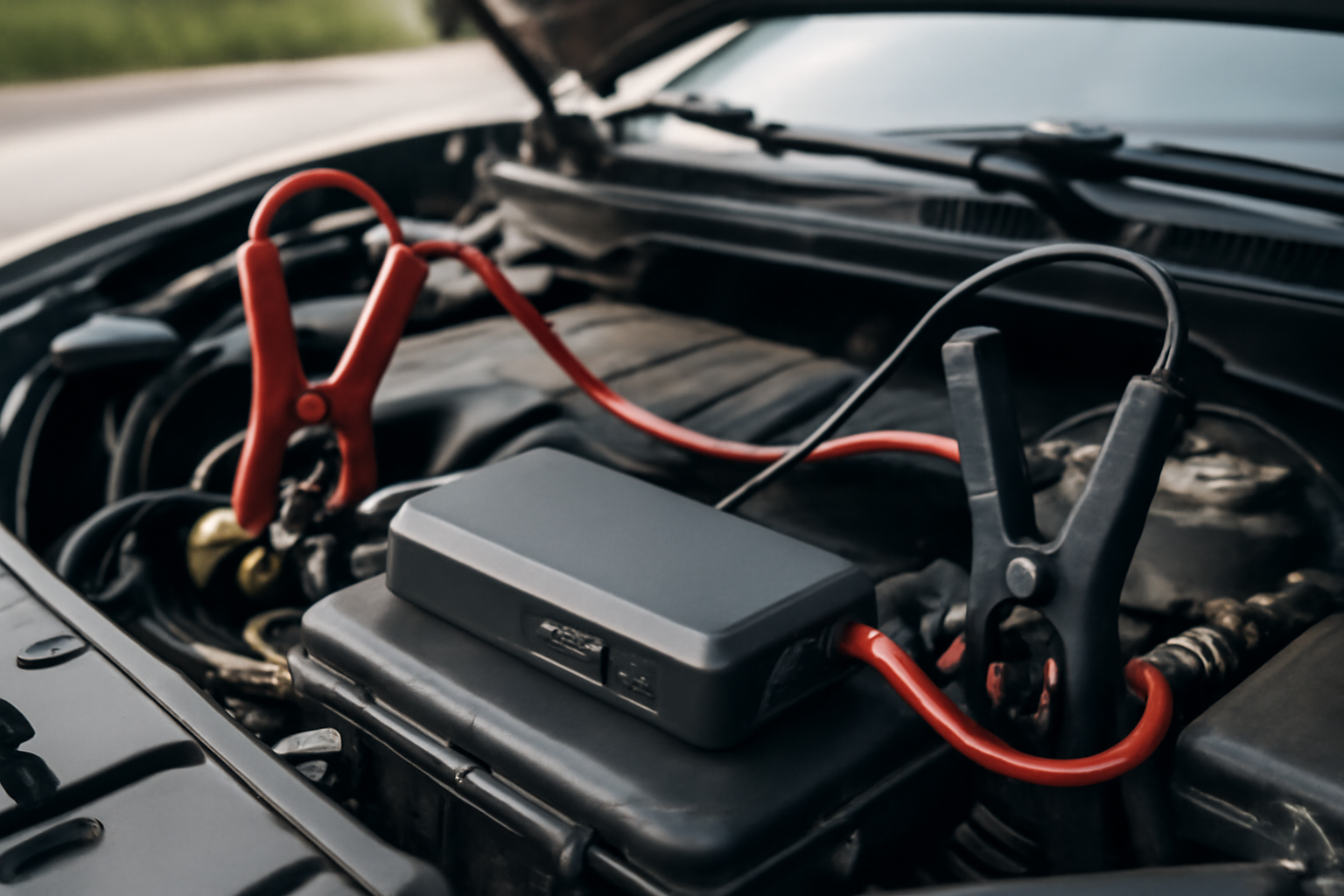
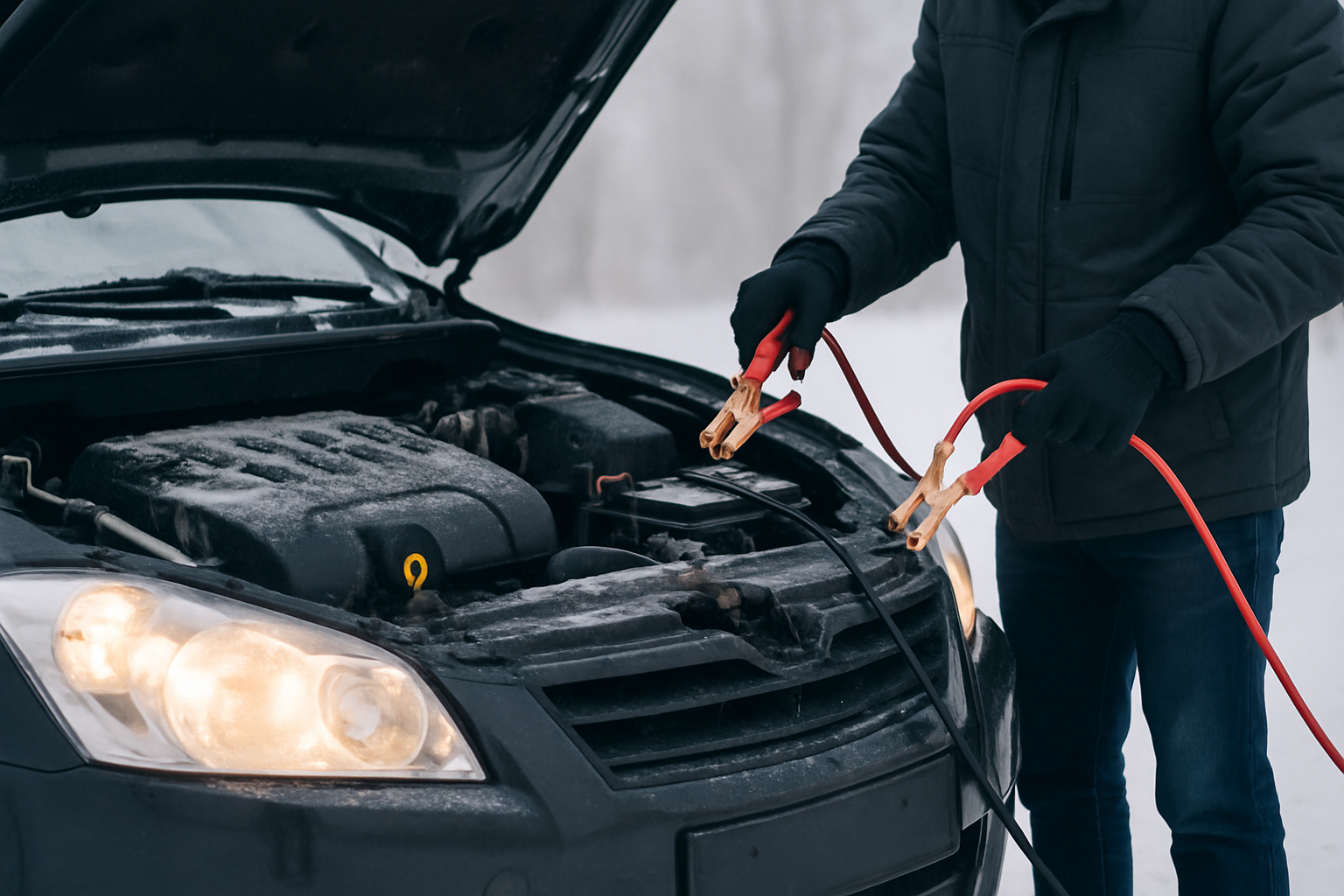
A portable jump starter is the modern alternative to flagging down a stranger with jumper cables. These compact lithium-ion packs fit in your glove box and deliver enough power to start most engines in seconds. They’ve become smaller, more powerful, and more reliable over the past few years, and every driver should have one within reach.
How Portable Jump Starters Work
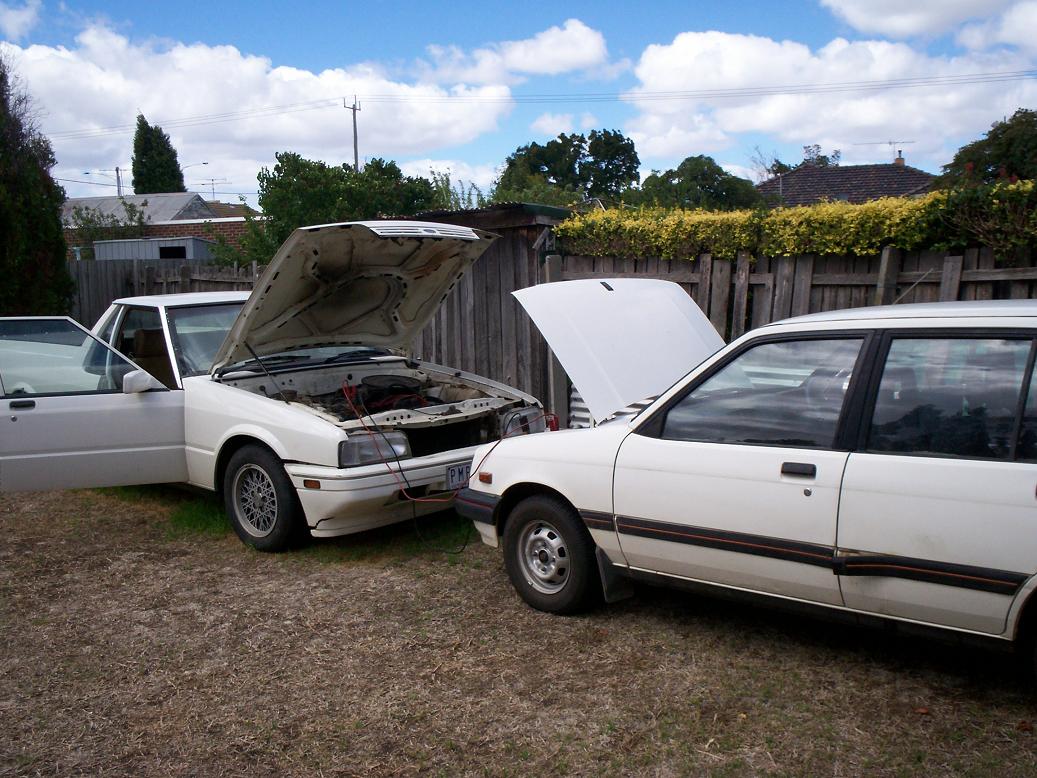
Unlike traditional jumper cables that draw power from another vehicle’s battery, portable jump starters store energy in a built-in lithium-ion battery. You connect the clamps to your dead battery, press a button, and the starter delivers a burst of high-current power to crank the engine.
Most units can jump start a car 10-20 times on a single charge. This makes them far more convenient than relying on another vehicle, especially when you’re stranded in an empty parking lot or on a remote road.
Key Specifications
Peak Amps vs. Cranking Amps
Peak amps is the maximum current the unit can deliver in a very short burst. Cranking amps is the sustained current available for starting. Cranking amps is the more useful number when evaluating jump starters.
A 4-cylinder engine needs roughly 150-200 cranking amps. A V6 needs 200-300, and a V8 needs 300-400+. Always buy more capacity than you think you need, especially for cold weather starts.
Battery Capacity (mAh)
Higher mAh (milliamp-hours) means more stored energy and more jump starts per charge. It also means more USB charging capacity for phones and devices.
Units in the 12,000-20,000 mAh range handle most passenger vehicles comfortably. This capacity gives you enough power for multiple starts and emergency phone charging.
Safety Features
Modern jump starters include reverse polarity protection (prevents damage if you connect the clamps backwards), spark-proof connections, and over-current protection. Don’t buy a unit without these features.
A reversed connection on an older unit can fry your car’s electrical system. This is especially important if you’re working in low light or stressful conditions where mistakes are more likely.
Top Picks
Best for Most Drivers
A mid-range lithium portable jump starter with 1,000-1,500 peak amps handles 4-cylinder and 6-cylinder engines confidently. Look for one with USB-A and USB-C outputs, a built-in LED flashlight, and a carrying case.
These units weigh about 1-2 pounds and fit easily in a glove box or center console. They’re ideal for most sedans, compact SUVs, and family vehicles. Whether you drive a reliable used car or a first car for a new driver, this capacity range will cover your needs.

Mid-Range Lithium Jump Starter
Perfect balance of power and portability for most passenger vehicles
Best for Trucks and Large Engines
V8 engines and diesel trucks need more cranking power. Look for units rated at 2,000+ peak amps with a heavy-duty clamp set. These units are slightly larger but still portable.
Diesel-rated jump starters specifically address the higher compression that diesel engines require for starting. This makes them essential for anyone who owns trucks that hold their value or heavy-duty work vehicles.

Heavy-Duty Diesel Jump Starter
Built for V8s, diesels, and trucks with higher compression requirements
Best Budget Option
Budget jump starters with 600-800 peak amps work for small 4-cylinder cars in moderate climates. They won’t have the capacity for multiple starts or cold weather, but they’ll get you out of a jam once.
A budget unit is a reasonable choice for compact cars in warm climates, particularly for drivers on a tight budget.
Maintenance and Storage
Charge your jump starter every 3-4 months, even if you haven’t used it. Lithium batteries slowly self-discharge, and allowing them to sit at zero charge for months can permanently reduce capacity. Most units have an LED indicator showing the charge level.
Store the unit inside the car’s cabin rather than the trunk during winter. Lithium batteries lose significant capacity in extreme cold, and a unit stored in a freezing trunk may not have enough power when you need it most.
This is similar to proper car storage techniques, where temperature control plays a critical role in preserving battery health. Keep the jump starter where you keep other essential emergency equipment.
When You’ll Need a Jump Starter
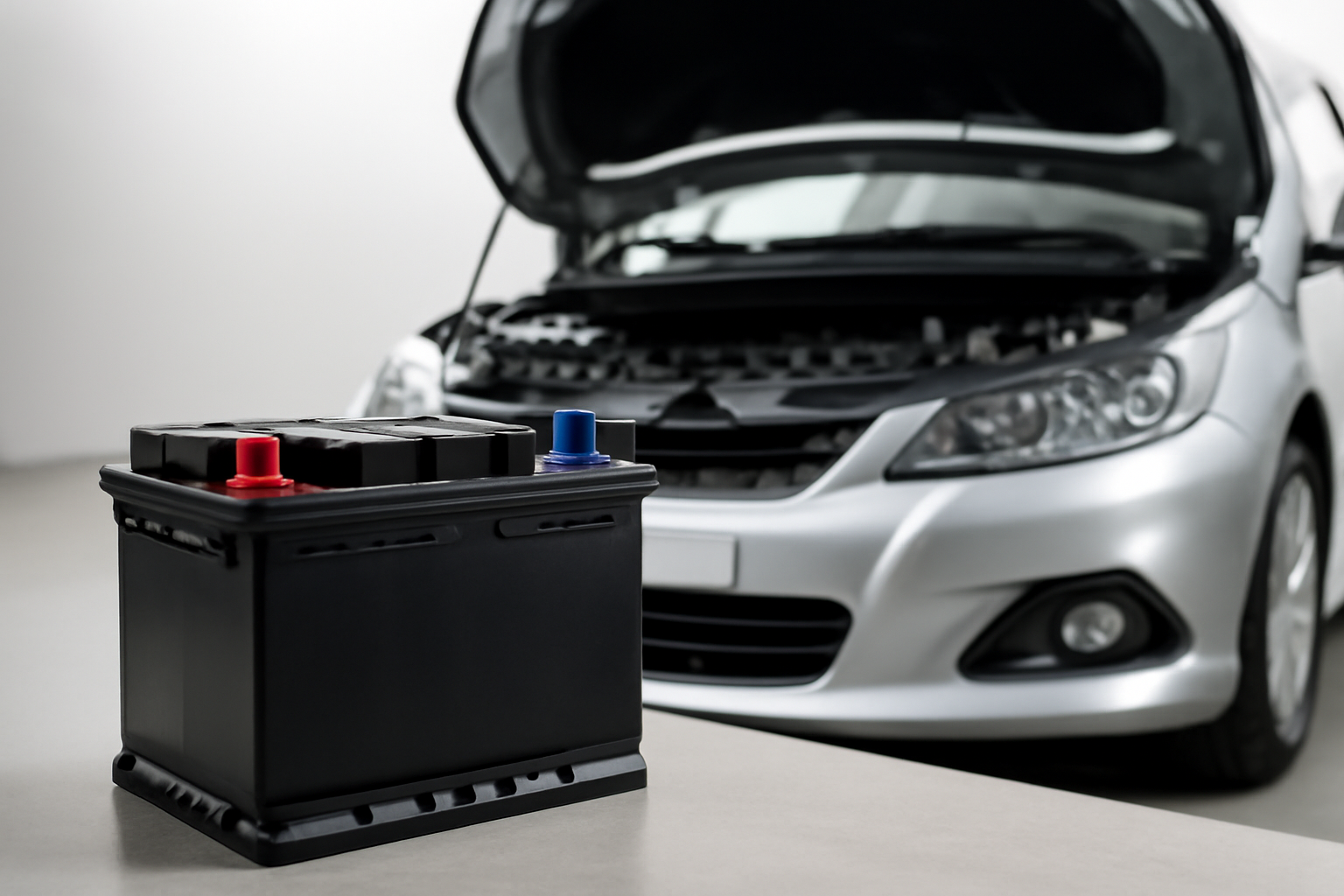
Dead batteries happen for dozens of reasons. You might leave your headlights on, your battery might fail due to age, or cold weather might drain the charge overnight. Electrical issues like 12V battery draining problems can also leave you stranded.
A portable jump starter eliminates the need to wait for roadside assistance or ask strangers for help. You can get back on the road in minutes without any outside intervention.
They’re also useful when you’re experiencing intermittent starting issues, like engine hesitation during acceleration, which might be related to battery or electrical system problems.
Frequently Asked Questions
How long does a portable jump starter hold its charge?
Most quality units hold a usable charge for 3-6 months without topping off. Charge it quarterly as a habit, or plug it in once a month for the best readiness. Some units include a low-battery alarm that alerts you when the charge drops below a safe level.
Can a portable jump starter damage my car?
Units with reverse polarity protection and spark-proof clamps are safe for modern vehicles. Follow the instructions: red to positive, black to a ground point (not the negative terminal). Avoid connecting the clamps to each other while the unit is active. As long as you follow basic safety procedures, the risk of damage is minimal.
Can I use it to charge my phone?
Yes. Most jump starters include USB ports that function as a portable power bank. A 20,000 mAh unit can charge a smartphone 4-5 times. Just keep enough reserve for a jump start when you need it. Don’t drain the battery completely on device charging if you suspect you might need a jump later.
Will a jump starter work in extreme cold?
Lithium batteries lose capacity in freezing temperatures, but they still function. Store your jump starter inside the cabin during winter rather than in the trunk. Allow it to warm up for a few minutes before use if it’s been exposed to extreme cold. Units stored at room temperature maintain full capacity even in winter conditions.
This article contains affiliate links. We may earn a small commission at no extra cost to you.
Leave a Reply