
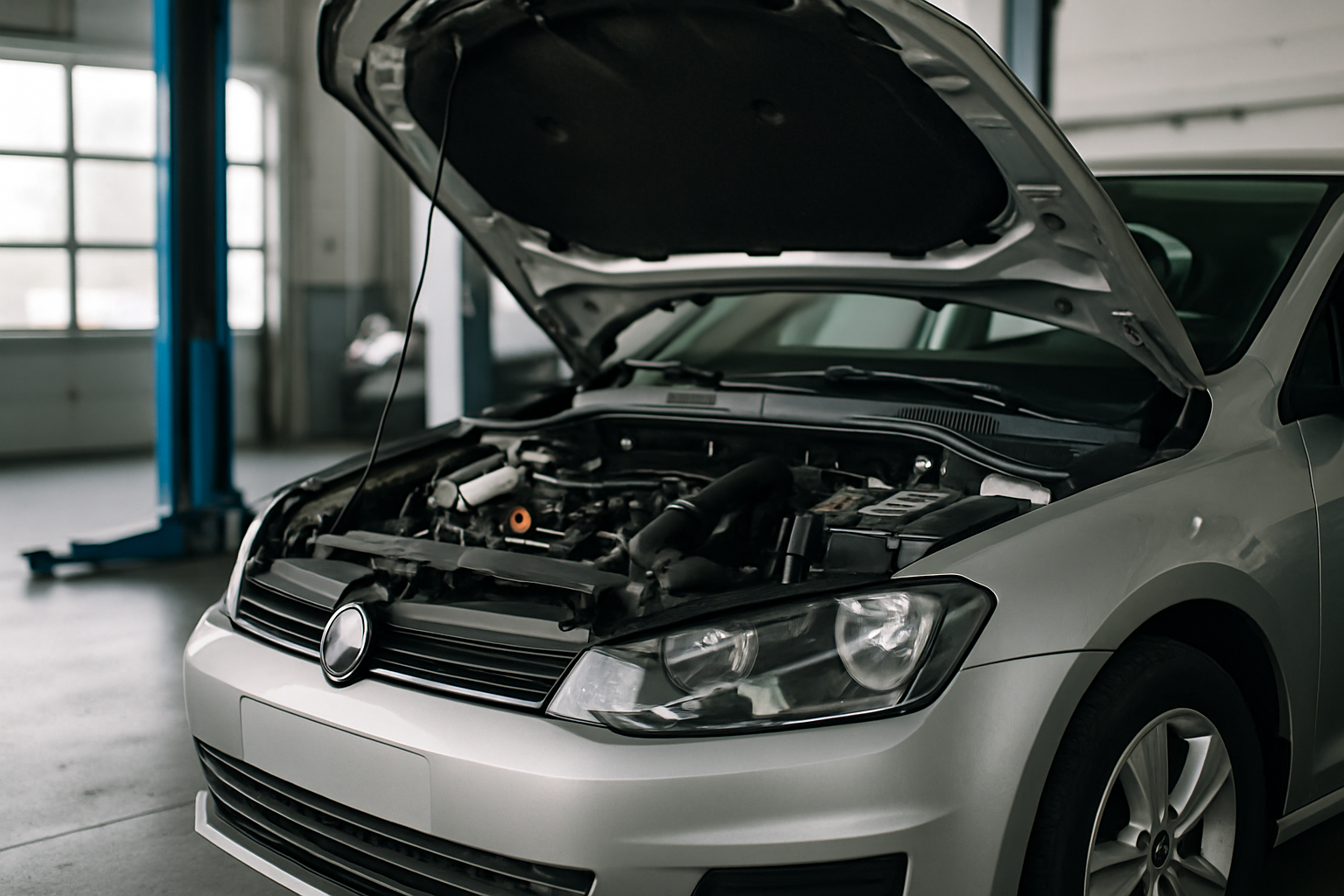
The P0300 code is one of the most frustrating diagnostic trouble codes you can encounter. It indicates random cylinder misfires across multiple cylinders, which means your engine isn’t running smoothly and you need to figure out why before the problem gets worse.
Understanding P0300 Random Misfire Code
A P0300 code means your engine control module (ECM) has detected misfires happening randomly across different cylinders. Unlike codes P0301, P0302, etc., which point to specific cylinders, P0300 indicates the problem is affecting multiple cylinders or moving around unpredictably.
This code typically triggers when the ECM detects a 2% misfire rate or higher. You’ll usually notice symptoms like rough idling, hesitation during acceleration, reduced fuel economy, and possibly a flashing check engine light if the misfires are severe.
Most Likely Causes Ranked by Probability and Cost
I’ve ranked these causes from most common and cheapest to fix, down to the more expensive possibilities. Start with the easy stuff first before diving into major repairs.
1. Worn or Fouled Spark Plugs (Most Common)
Spark plugs are the most common culprit for P0300 codes, especially on vehicles with over 60,000 miles. Old plugs develop carbon deposits, worn electrodes, and increased gap distances that prevent proper ignition.
Signs your spark plugs are the problem include rough idling that smooths out at higher RPMs, poor acceleration, and misfires that occur more frequently when the engine is cold. You might also notice black soot around the plug wells when you remove the coil packs.
Replace all spark plugs even if only some look bad. Mixing old and new plugs can cause uneven combustion. Use OEM-specification plugs or high-quality aftermarket brands like NGK or Denso. Expect to spend $40-80 for a complete set depending on your engine.
2. Faulty Ignition Coils (Very Common)
Ignition coils fail more frequently on modern engines than older distributor systems. A weak or failing coil won’t provide enough voltage to fire the spark plug consistently, especially under load.
Coil problems often show up as misfires during acceleration or when the engine is under load. You might notice the issue gets worse in wet weather or when the engine bay is hot after driving.
Test individual coils by swapping them between cylinders. If the misfire moves with the coil, you’ve found your problem. Replace the bad coil and consider replacing all coils if your vehicle has high mileage, as they tend to fail around the same time. Expect to pay $50-120 per coil.
3. Vacuum Leaks (Common and Often Overlooked)
Vacuum leaks allow unmetered air into the engine, creating a lean mixture that can cause random misfires. These leaks can be tricky to locate because they don’t always affect all cylinders equally.
Check all vacuum hoses, especially around the intake manifold, brake booster, and PCV system. Look for cracked, hardened, or disconnected hoses. The intake manifold gaskets are also common leak points on higher-mileage vehicles.
Use a can of brake cleaner or carburetor cleaner to spray around suspected leak areas while the engine is running. If the idle changes when you spray an area, you’ve found a leak. Small hose repairs cost $10-30, but intake manifold gasket replacement can run $300-600.
4. Dirty or Clogged Fuel Injectors (Moderately Common)
Fuel injectors can become clogged with deposits over time, especially if you use lower-quality gasoline or don’t drive the vehicle regularly. Partially blocked injectors deliver inconsistent fuel amounts, causing random misfires.
Injector problems often cause misfires that are worse when the engine is cold and improve as it warms up. You might also notice poor fuel economy and a rough idle that varies in intensity.
Try a high-quality fuel injector cleaner first. Use products like Chevron Techron or Lucas Fuel Treatment and run them through a full tank of premium gasoline. If cleaning doesn’t help, professional injector cleaning costs $150-300, while replacement injectors run $100-200 each.
5. Mass Airflow Sensor Issues (Less Common but Easy Fix)
A dirty or failing mass airflow sensor can cause the ECM to miscalculate the air-fuel mixture, leading to random misfires. This is more common on vehicles that haven’t had their air filter changed regularly.
MAF sensor problems typically cause misfires at idle and during light acceleration. The engine might also stall when coming to a stop or have trouble starting when warm.
Clean the MAF sensor with specialized MAF cleaner (never use anything else). If cleaning doesn’t fix the problem, replacement sensors cost $150-300. Always replace the air filter when servicing the MAF sensor.
6. Carbon Buildup on Intake Valves (Direct Injection Engines)
Direct injection engines are prone to carbon buildup on intake valves because fuel doesn’t wash over them like in port injection systems. This buildup can prevent proper sealing and cause misfires.
Carbon buildup typically affects vehicles with 80,000+ miles and causes misfires that are worse at idle and low RPMs. You might also notice reduced power and poor fuel economy.
Professional walnut blasting to remove carbon deposits costs $400-800. Some shops offer chemical cleaning services for $200-400, but walnut blasting is more thorough and longer-lasting.
7. Engine Timing Problems (Less Common but Serious)
Timing chain or belt stretch, worn timing chain tensioners, or jumped timing can cause random misfires. This is more common on high-mileage engines or those that haven’t had proper maintenance.
Timing problems usually cause misfires across all operating conditions and might be accompanied by rattling noises from the engine, especially during startup. You’ll likely notice significant power loss and poor fuel economy.
Timing chain replacement typically costs $800-1500, while timing belt replacement runs $500-1000. Always replace related components like tensioners and guides during timing service.
8. Low Compression (Expensive but Sometimes Fixable)
Low compression in one or more cylinders can cause misfires, especially under load. Common causes include worn piston rings, blown head gaskets, or burned valves.
Perform a compression test if other causes don’t pan out. Healthy cylinders should read within 10% of each other and meet manufacturer specifications. Low compression in adjacent cylinders often indicates a blown head gasket.
Minor compression issues might be helped by engine treatments or valve adjustments ($200-500). Major problems like blown head gaskets ($1500-3000) or internal engine damage might require engine rebuilding or replacement ($3000-8000).
Diagnostic Tools and Testing
A quality OBD2 scanner helps narrow down the problem. Look for additional codes that might point to specific systems. Freeze frame data shows engine conditions when the code was set, which can provide valuable clues.
Professional diagnostic tools can show real-time misfire counts for individual cylinders, helping you identify patterns. Many auto parts stores offer free code reading, but investing in your own scanner pays off for ongoing maintenance.
Here are some bluetooth OBD2 scanners that work well with smartphone apps for detailed diagnostics. These wireless scanners let you monitor live data while driving, which is especially helpful for intermittent misfire problems.
Step-by-Step Diagnostic Approach
Start with the most common causes and work your way down the list. This approach saves you time and money by addressing the likely problems first.
Begin by checking spark plugs and coils since they’re easy to inspect and relatively inexpensive to replace. Pull the plugs and look for obvious signs of wear, fouling, or damage. Check coil connections for corrosion or damage.
Next, inspect all vacuum hoses and connections. Many P0300 codes are caused by small vacuum leaks that are easy to miss. Pay special attention to hoses that run near hot engine components, as heat accelerates rubber deterioration.
If ignition and vacuum systems check out, move on to fuel system testing. This might require professional equipment to properly test injector flow rates and fuel pressure.
When to Seek Professional Help
Some P0300 diagnoses require professional equipment and expertise. If you’ve checked the common causes and still have misfires, a shop with proper diagnostic equipment can save you time and money.
Professional technicians have access to advanced scan tools that show real-time misfire data, fuel trim values, and other parameters that help pinpoint the problem. They can also perform compression tests and other specialized procedures.
Don’t ignore a P0300 code, especially if your check engine light is flashing. Continued driving with severe misfires can damage your catalytic converter, turning a relatively minor repair into an expensive one.
Frequently Asked Questions
Can I drive with a P0300 code?
You can drive short distances with a steady check engine light, but avoid hard acceleration and high speeds. If the light is flashing, stop driving immediately as this indicates severe misfires that can damage your catalytic converter.
Will P0300 clear itself?
The code won’t clear itself until you fix the underlying problem. Even if symptoms seem to improve temporarily, the ECM stores the code until it’s manually cleared and the problem is resolved.
How much does P0300 diagnosis cost?
Professional diagnosis typically costs $100-150 at most shops. However, many shops will apply this fee toward repair costs if you have them fix the problem. Some auto parts stores offer free code reading, but this only tells you the code, not the root cause.
Can bad gas cause P0300?
Poor quality fuel or water contamination can cause random misfires. Try filling up with premium fuel from a busy station and adding fuel system cleaner. If the problem persists after running through most of the tank, look for other causes.
Leave a Reply