
An older F-150 can look cared for without trying to imitate the newest truck. Clean surfaces, clearer original details and a small number of useful accessories often make a more coherent combination than a large grille conversion or a stack of decorative trim. Start by seeing what is already there.
The illustrations use a 2013-style XLT SuperCrew with a nominal 5.5-foot bed. Earlier front details, other cabs and longer beds within the 2009–2014 generation need their own applications. These are appearance concepts, not before-and-after test results; cosmetic work also does not substitute for necessary mechanical or structural repairs.
1. Begin with a careful wash
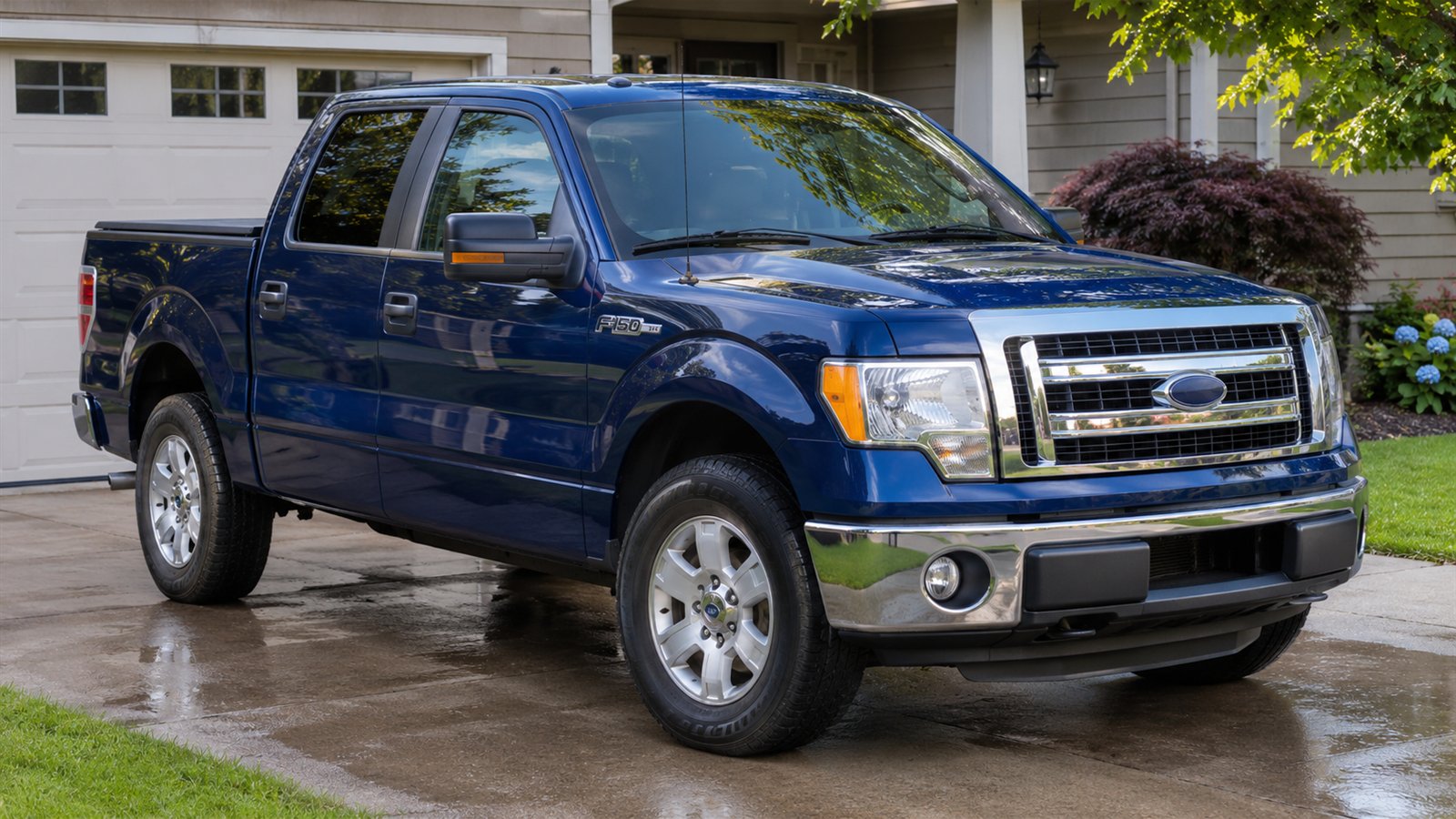
A clean body and ordinary silver wheels make a useful baseline. Wash before deciding which trim is faded, which marks are permanent and whether another accessory would actually help. Work with products suited to the surfaces rather than trying to hide dirt under a dressing.
Our paint-safe washing guide explains the general process. Inspect older paint before polishing or applying film; a damaged clear coat needs a different assessment from ordinary surface contamination.
Compare options on Amazon: Compare wash mitts and drying towels
2. Keep exterior plastics natural-looking
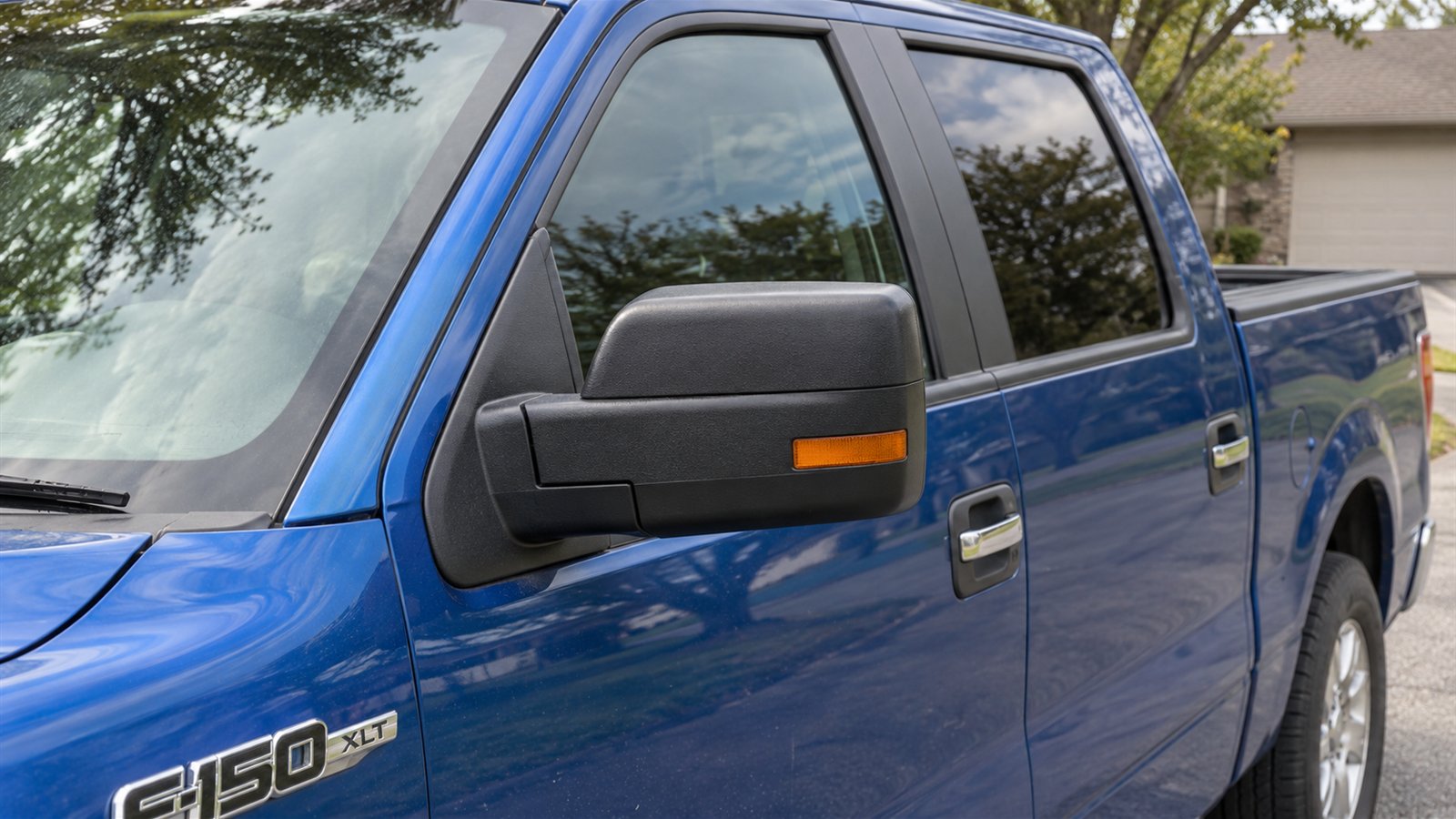
A clean mirror housing and window surround can look better with a restrained finish than with a wet-looking coating. Remove the dirt first and assess whether the plastic is simply dirty, unevenly faded or physically damaged.
If you choose a trim-care product, use its stated surface application, test discreetly and keep residue away from glass, controls and painted surfaces where it is not intended. No product is assumed to permanently restore cracked or deteriorated plastic.
Compare options on Amazon: Browse exterior trim-care products
3. Assess the original headlamp lenses
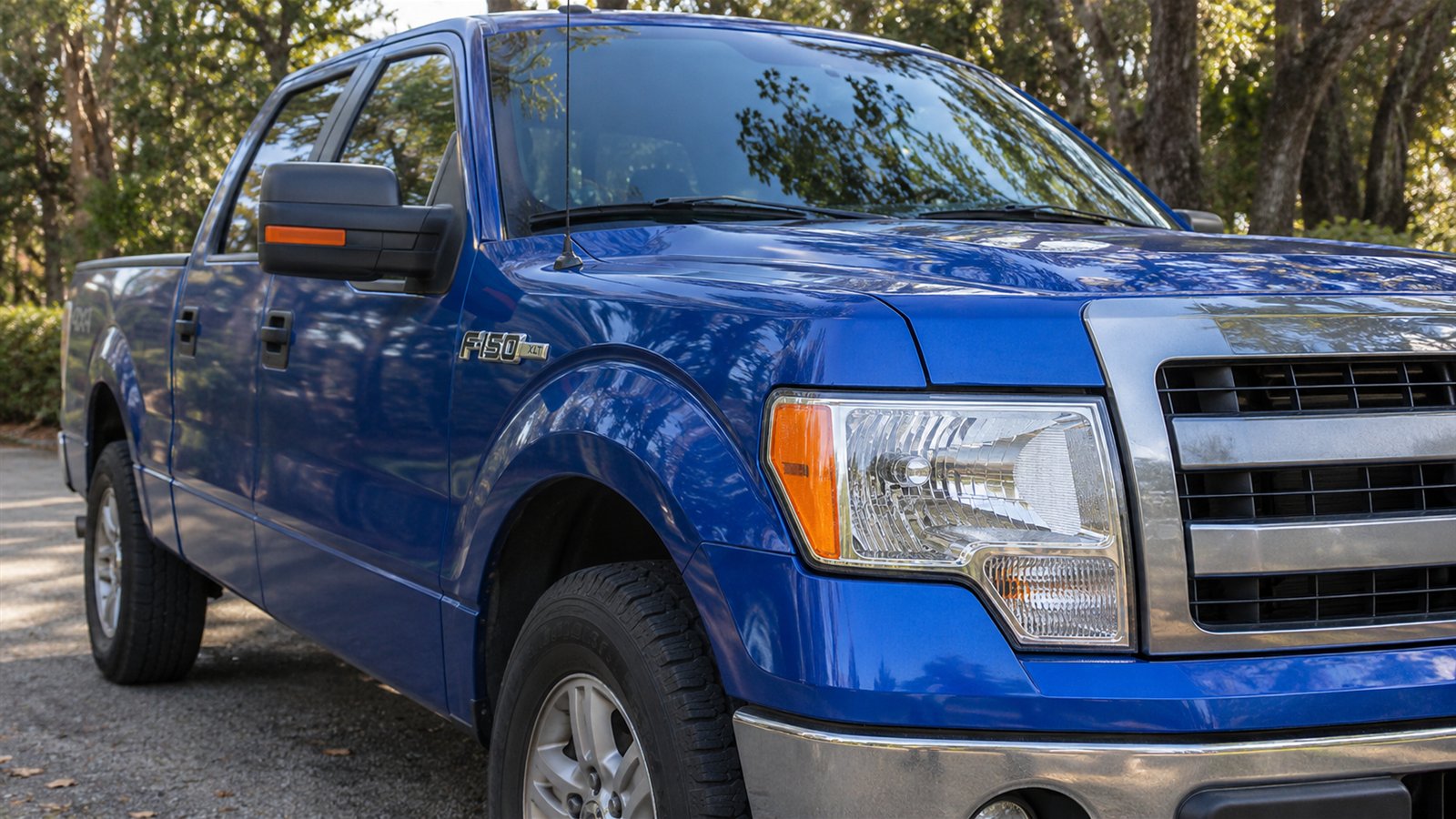
Clear original lamps help the front look finished without changing its design. Surface oxidation, internal moisture, cracks and damaged mounts are different problems; do not assume a polishing kit addresses all of them.
For a suitable plastic lens, follow a restoration kit’s complete instructions, including preparation and any specified finishing protection. The image shows a clear-lens concept, not a tested restoration result. It is not a recommendation to fit an arbitrary LED bulb into the existing housing.
Compare options on Amazon: Compare plastic headlamp restoration kits
4. Clean the cabin before replacing its trim
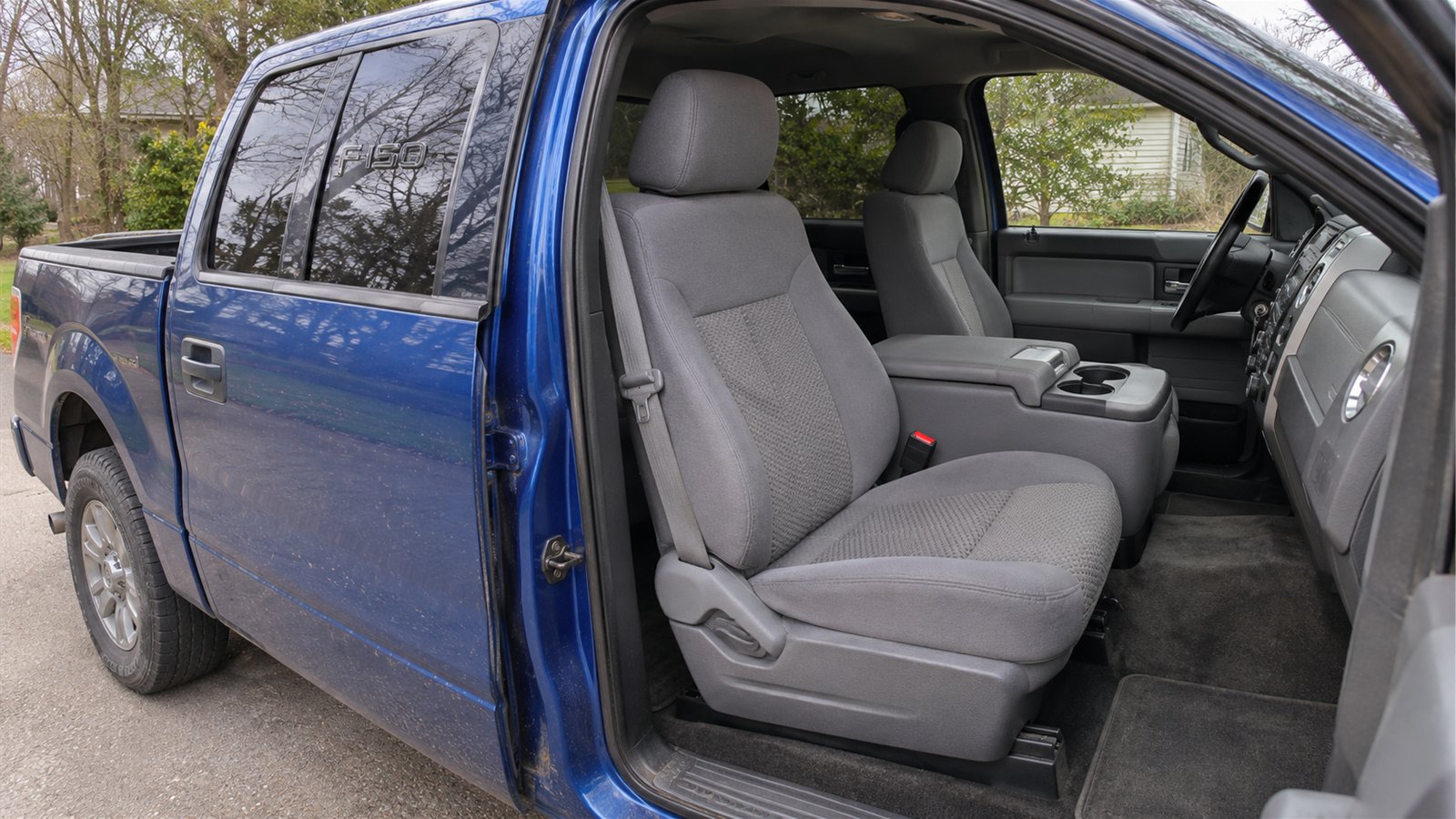
A tidy original cloth interior can suit a used truck better than a set of shiny covers over worn controls. Empty storage, clean the appropriate materials and decide which individual pieces actually need attention.
Use the vehicle’s material-care guidance and keep liquids out of electronics. Avoid adding covers or accessories over airbag areas, belt hardware or seat mechanisms. The goal here is a clean original cabin rather than an undocumented electronics or upholstery conversion.
Compare options on Amazon: Browse basic interior cleaning supplies
5. Replace tired floor coverings with the right application
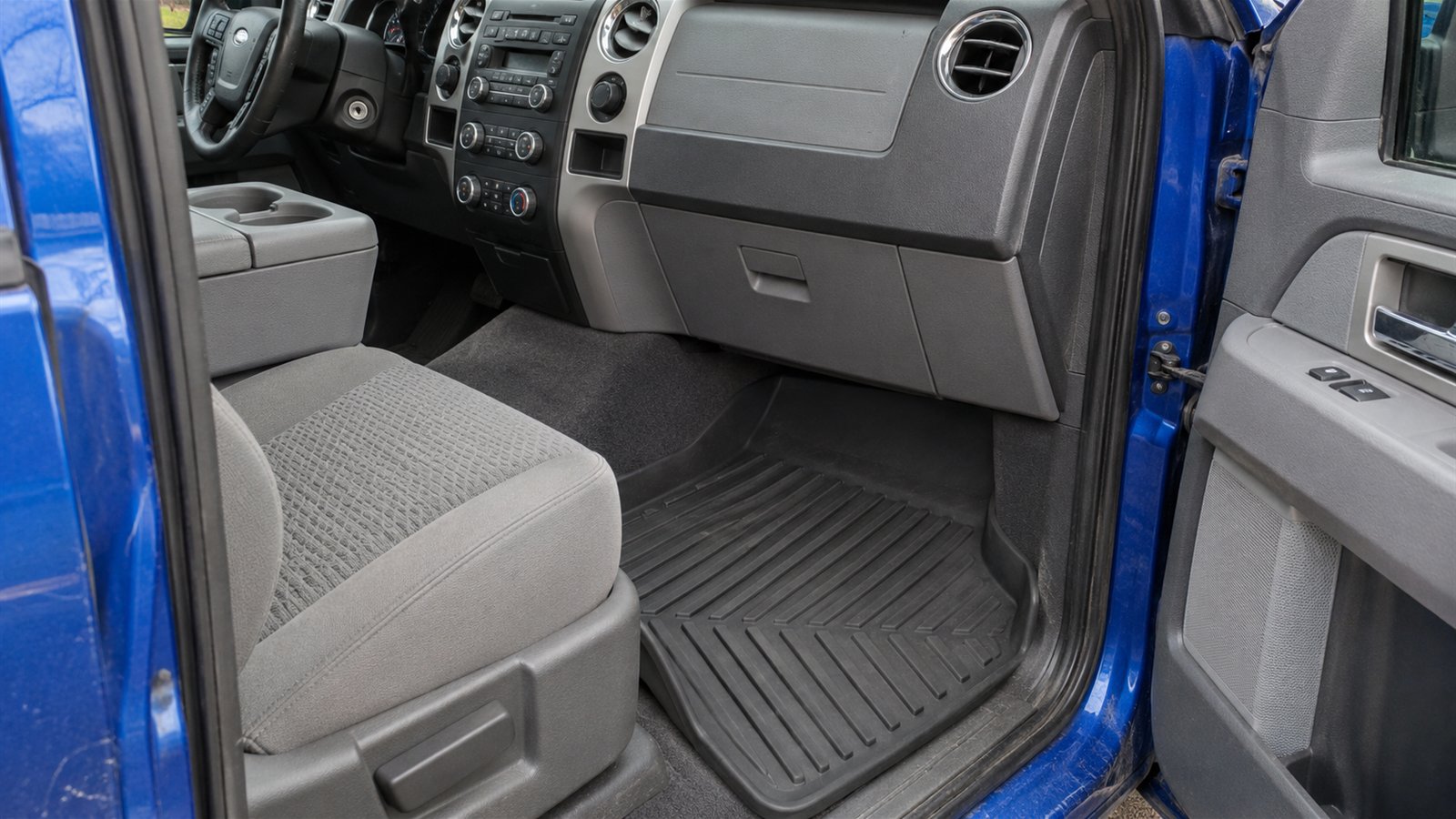
A properly fitted liner can make an older cabin easier to keep presentable. Match the exact footwell and retention arrangement, then verify that it lies flat and does not interfere with pedals or seat movement.
Use one appropriate driver’s mat at a time, not a new liner stacked over an old carpet mat. Cab and seating configurations can change the application. A photograph of the passenger side cannot prove the driver’s side is correctly fitted.
Compare options on Amazon: Compare generation-specific floor liners
6. Give the bed a quiet upper line
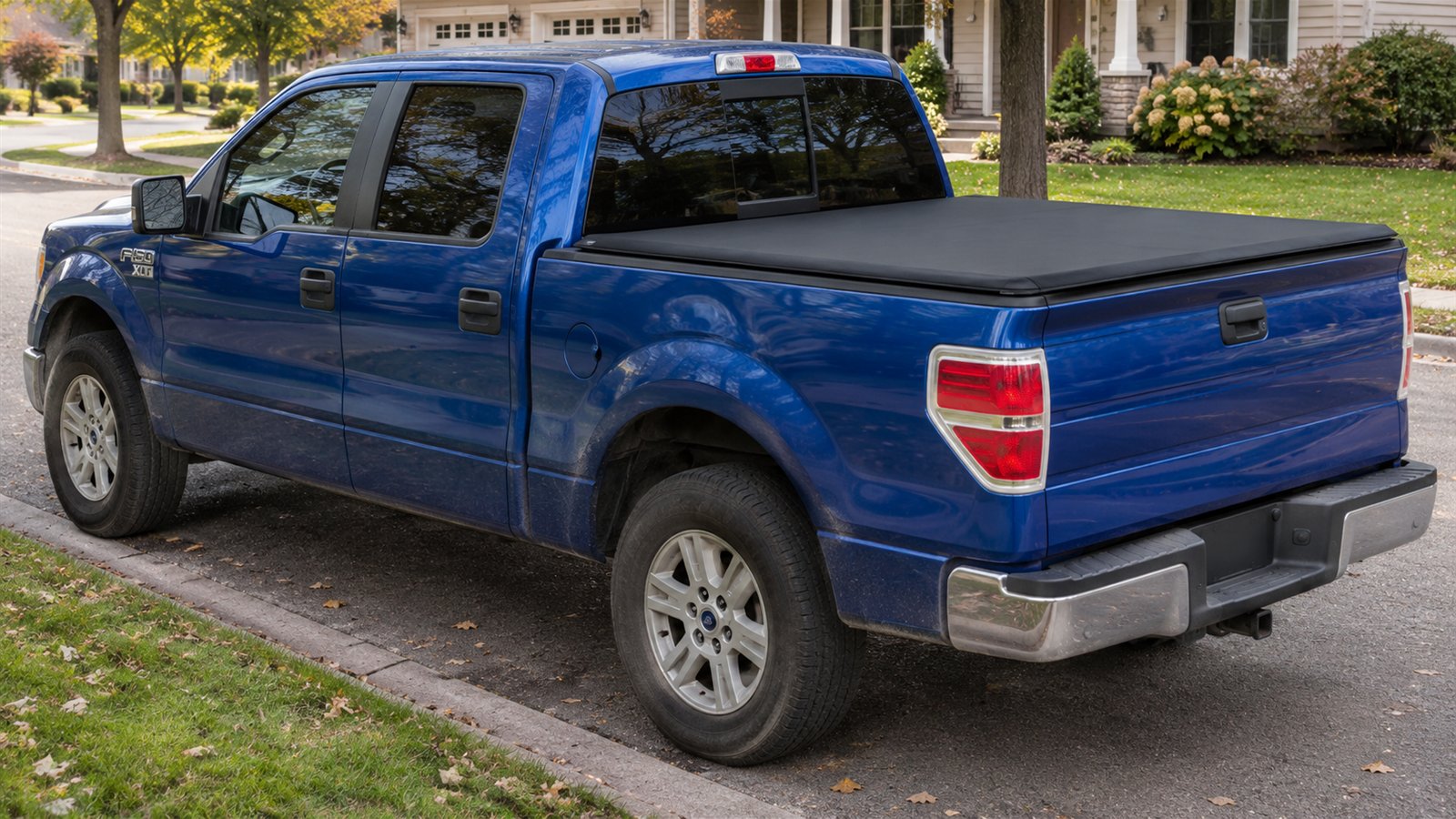
A plain low black cover can tidy the side profile without changing the truck’s character. Keeping the original wheels and stance leaves the cab and bed as the main shapes, rather than making the cover part of a larger conversion.
Choose the exact bed application and check installed liners, caps and other equipment. Compare how the cover opens and is secured. A clean closed surface does not demonstrate weather sealing, security or compatibility with an additional rack.
Compare options on Amazon: Browse short-bed tonneau covers
7. Keep steps close to the cab
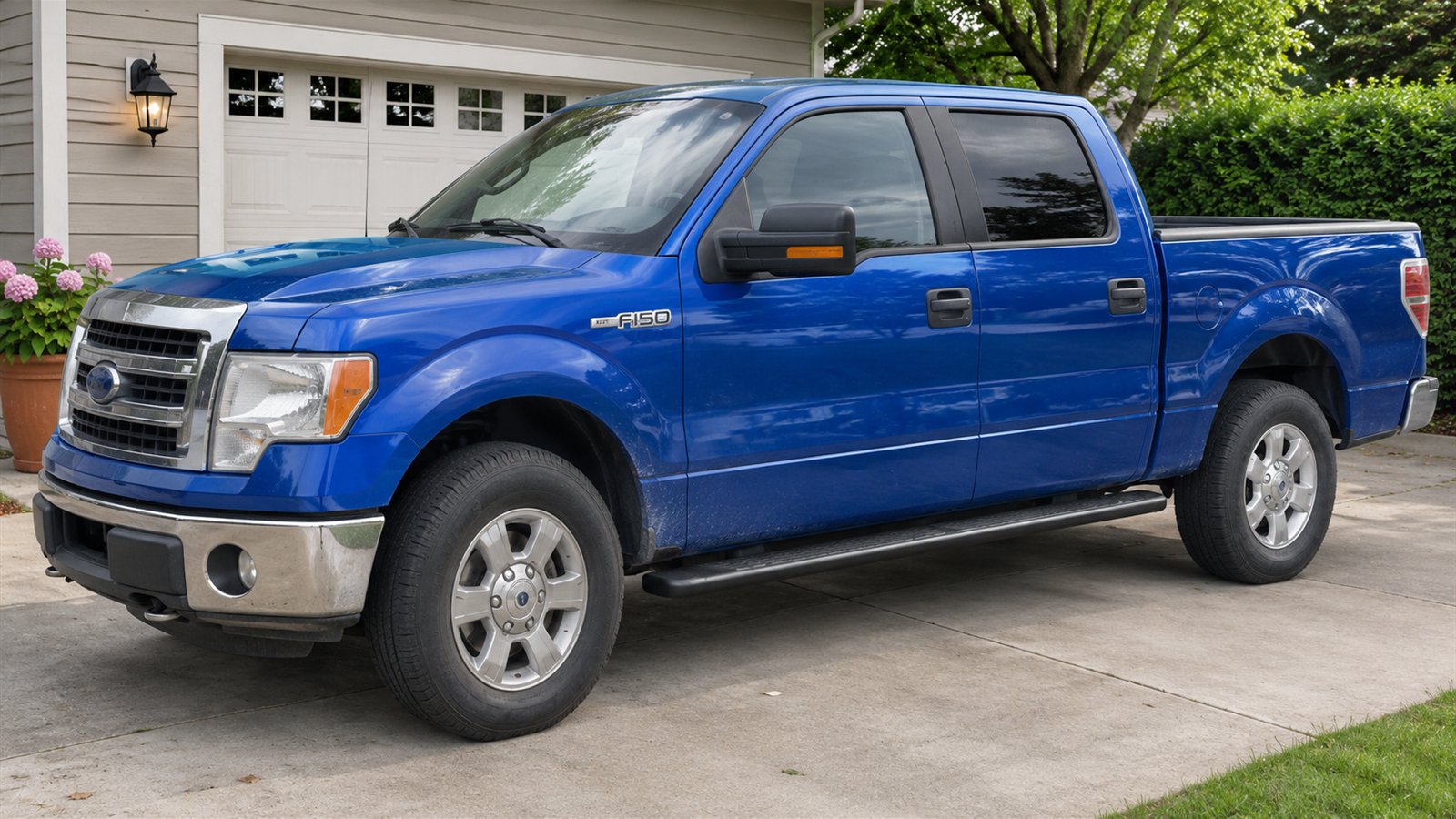
Slim black running boards can supply a finished lower edge without dominating the older truck. A restrained shape works with the original grille, standard tire proportions and ordinary silver wheels.
Match the cab and mounting points rather than buying by bed length. Check corrosion or damage at the mounting area and follow the accessory’s application and installation instructions. The concept does not establish step capacity or suitability of an older attachment point.
Compare options on Amazon: Compare SuperCrew running boards
8. Make the open bed look deliberate
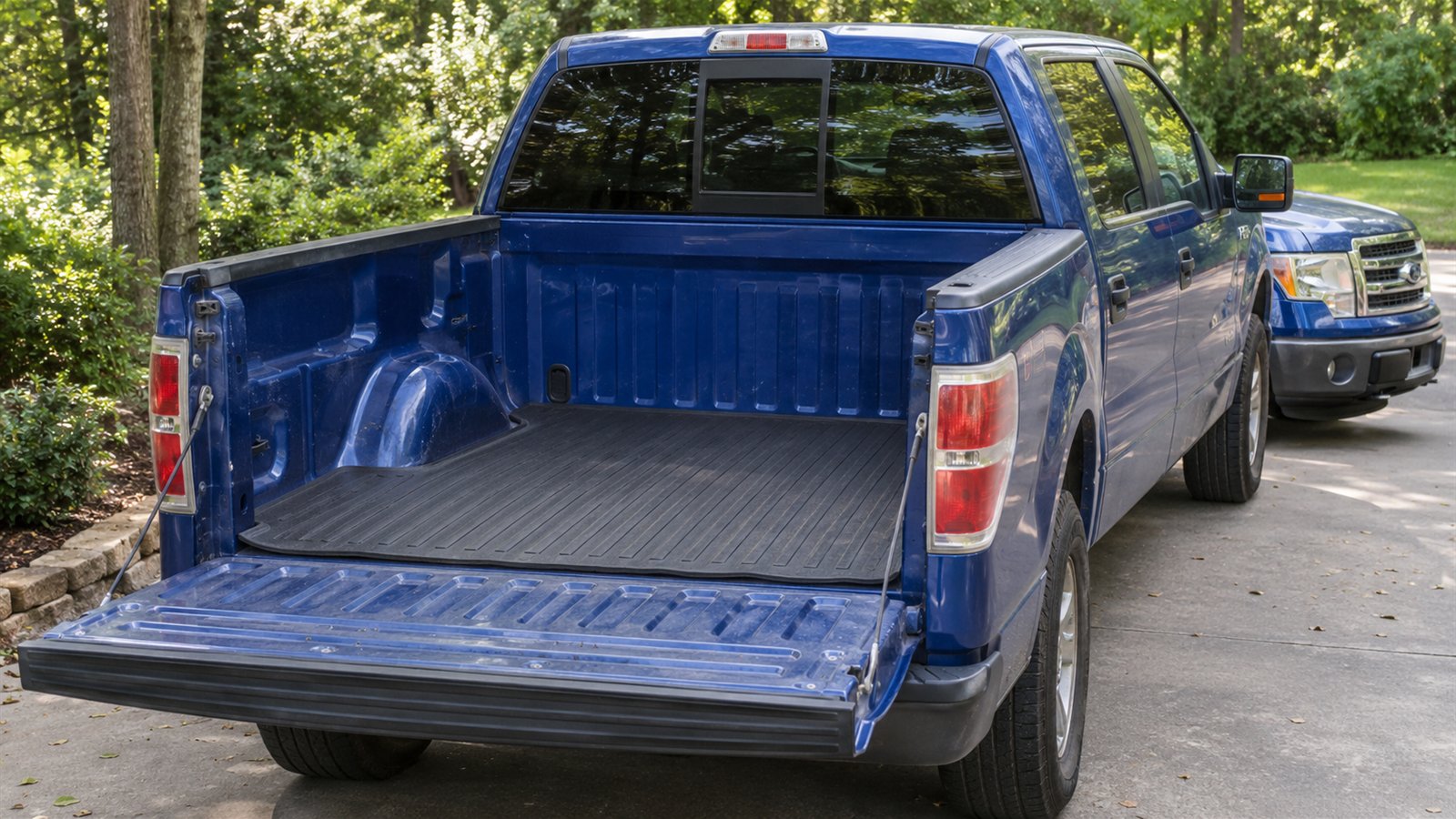
Remove loose clutter and keep the useful loading surface simple. A removable rubber mat can give the bed an orderly appearance while preserving the option to take everything out for a larger job.
Inspect the bed before covering it. A mat is not a repair for damaged material, and it should not block drainage. Continue to secure cargo with suitable equipment rather than treating a tidy-looking floor as a restraint system.
Compare options on Amazon: Browse short-bed mats
9. Use small guards instead of a bulky lower accessory package
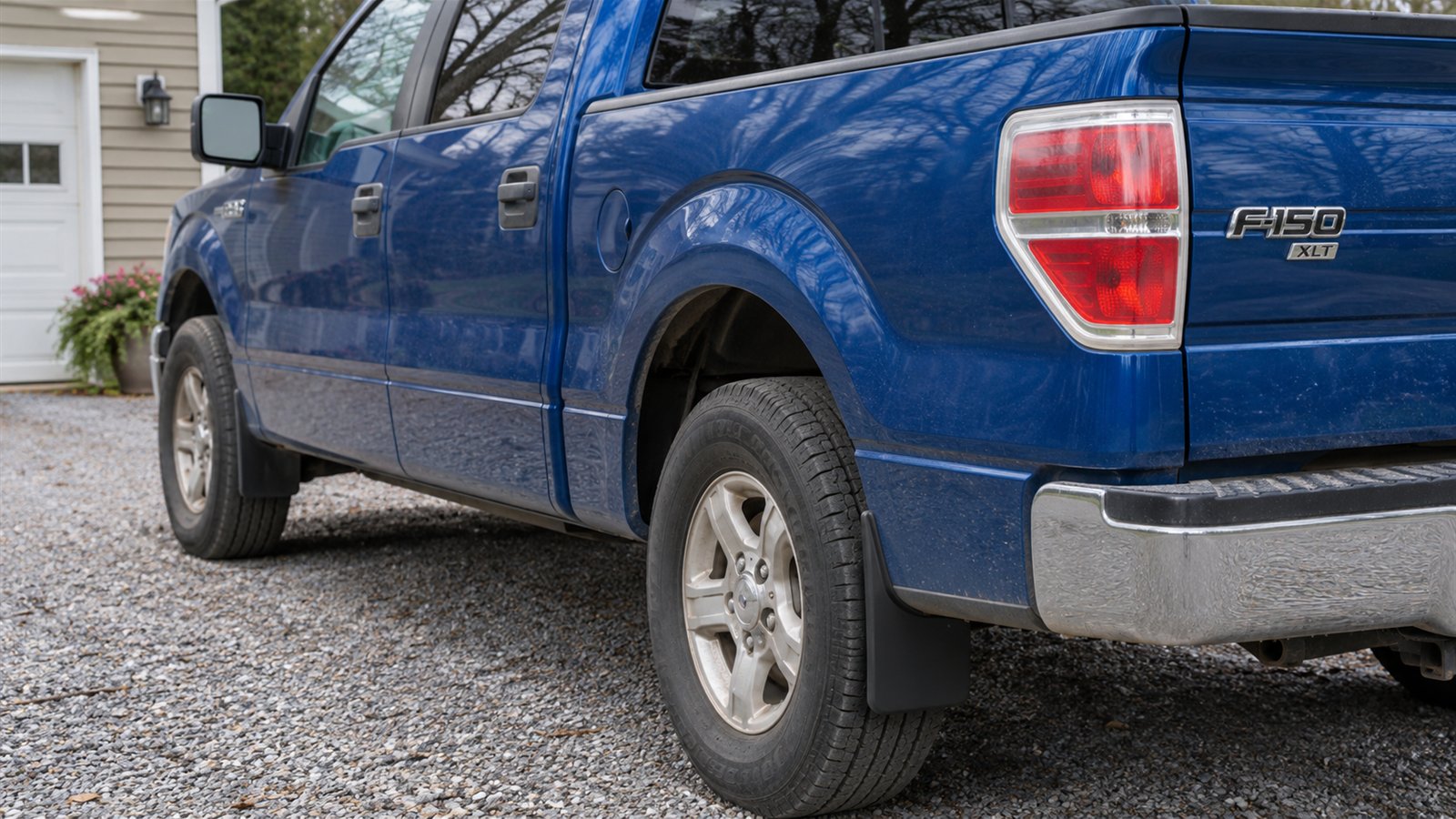
Small molded guards can finish the area behind the tires without adding another large visual element. Keep their shape proportionate to the original wheel openings and the tires already on the truck.
Check the exact year, trim and any factory flare or molding. Wheel clearance and attachment requirements need to be verified on the actual vehicle. A modest-looking guard in a concept image does not establish that a universal kit will fit.
Compare options on Amazon: Compare model-specific mud guards
10. Add one narrow graphic only if it helps the existing body
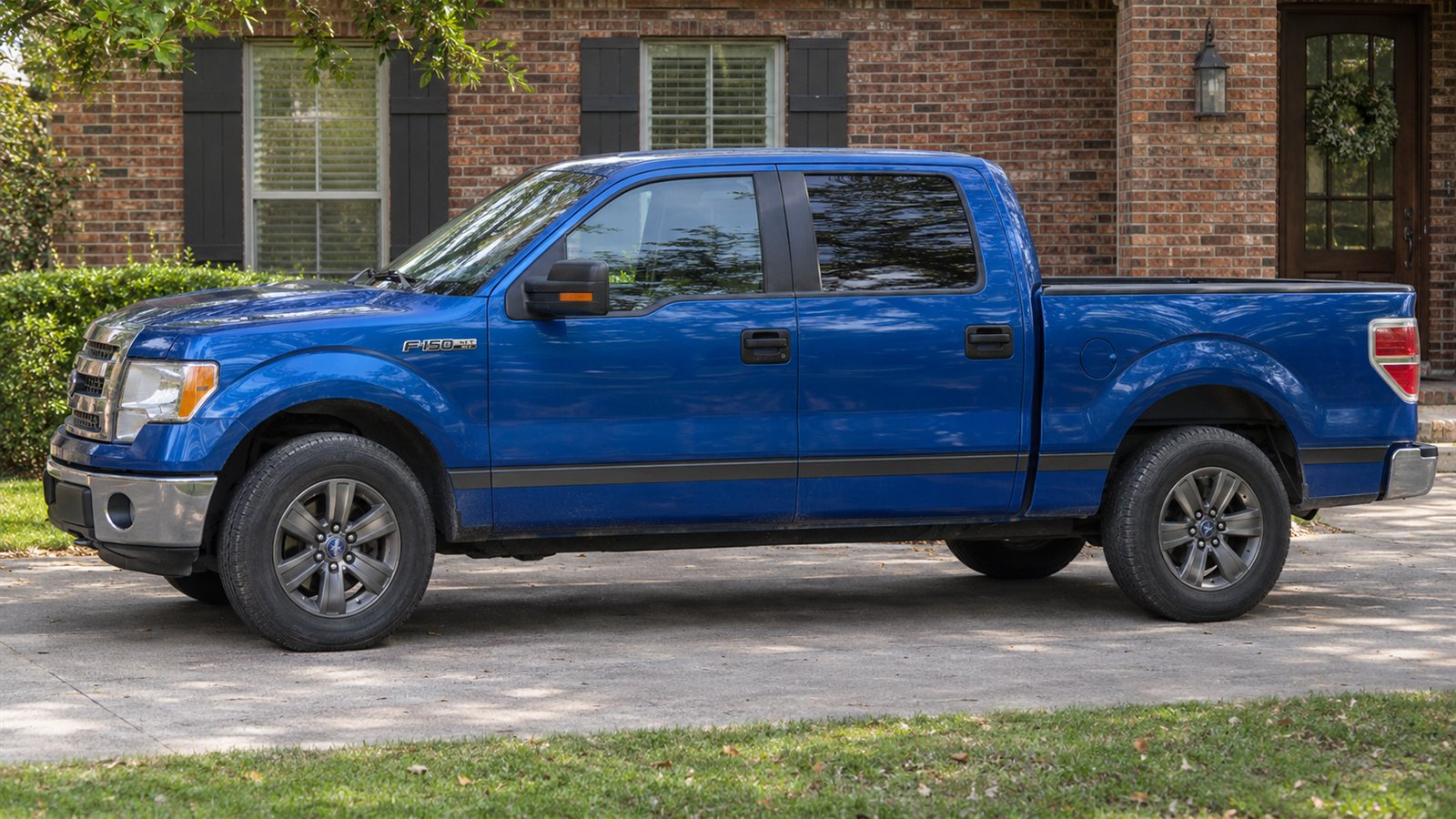
A thin charcoal line can connect the cab and bed without turning the truck into a retro-stripe project. Keep it aligned with the existing body shapes and leave room around handles, badges and wheel openings.
Inspect the paint first. Our guide to removing small old stickers and decals covers small existing stickers and adhesive; a large wrap or deteriorated paint calls for a separate assessment. Film does not repair a failing finish, and new graphics need their own preparation instructions.
Compare options on Amazon: Browse restrained charcoal stripe film
Choose a stopping point
Pick the two or three changes that address the truck you own. Cleaning, a useful cover and one coordinated lower detail may be enough. Keep photographs of the original layout so you can judge whether another addition improves it.
Check the exact year, cab, bed and fitted equipment each time you order. The successful refresh is a more coherent version of the original truck, with its useful functions preserved, rather than the largest number of parts added.
Leave a Reply