
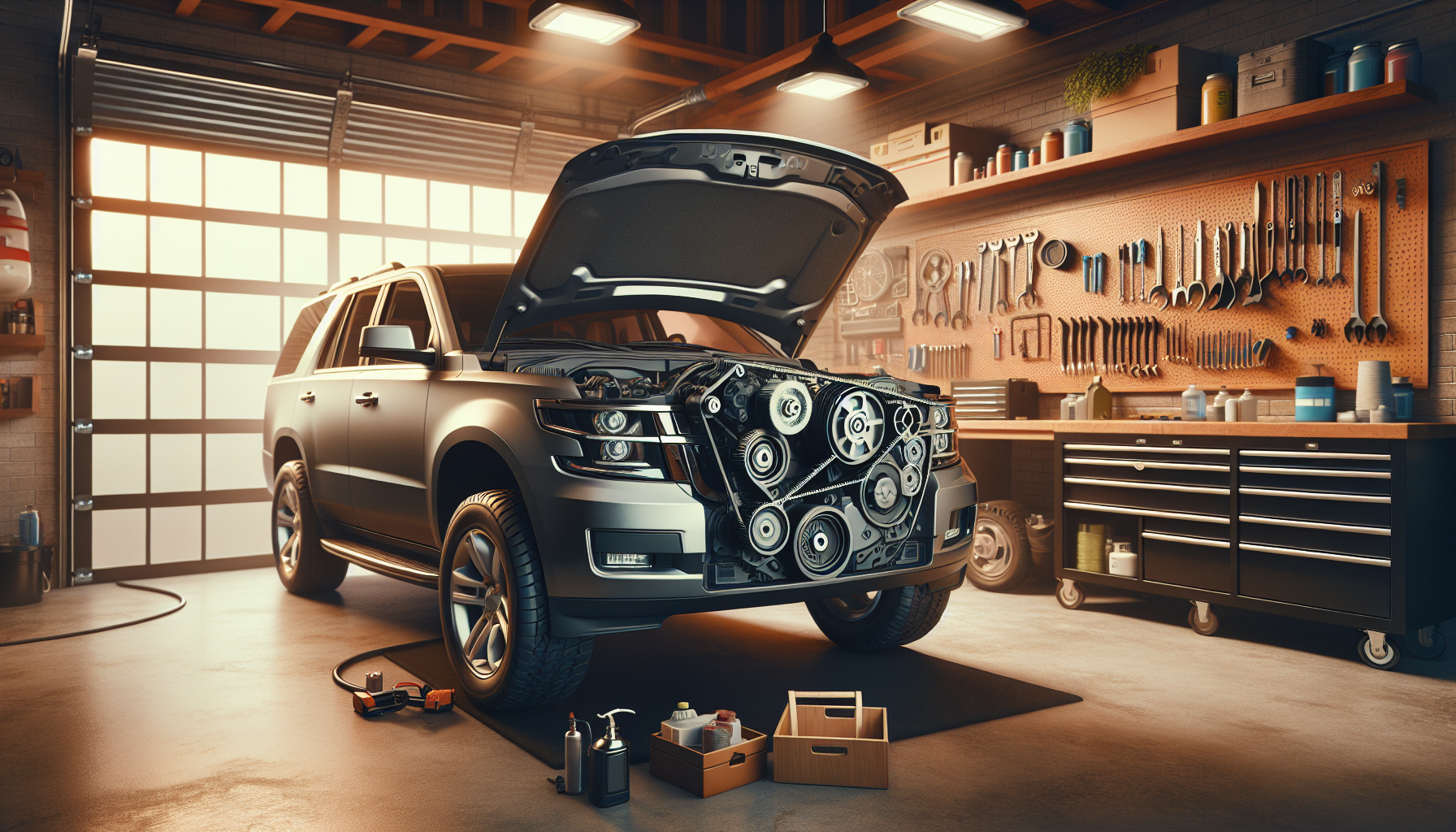
A grinding noise from your Nissan Rogue’s AC compressor is hard to ignore. That metallic scraping sound usually means something inside the compressor is failing or has already failed. The compressor is basically the heart of your AC system, pumping refrigerant through the lines to keep you cool. When internal bearings wear out or the clutch mechanism starts to fail, you get that awful grinding sound.
Most Rogue owners first notice it when they turn on the AC. The noise might start subtle but gets louder over time. Sometimes it’s constant, other times it comes and goes with the compressor cycling. Either way, this isn’t something that fixes itself. Left alone, a failing compressor can damage other AC components or seize completely, leaving you with no AC and a bigger repair bill.
Common Causes
The grinding noise typically comes from one of a few culprits. Understanding what’s causing it helps you figure out whether you’re looking at a simple fix or a full compressor replacement.
Worn compressor bearings are the most common cause. The compressor has internal bearings that allow the pulley to spin freely. After years of use and tens of thousands of miles, these bearings dry out and start to fail. When they do, metal grinds against metal. Nissan Rogues from 2008-2013 seem particularly prone to this issue around the 100,000-mile mark.
Failed clutch assembly is another big one. The AC compressor clutch engages when you turn on the AC, connecting the pulley to the compressor shaft. The clutch has a bearing and friction plate that can wear out. When the clutch bearing fails, you’ll hear grinding whether the AC is on or off since the pulley is always spinning with the serpentine belt.
Low refrigerant levels can indirectly cause grinding. When the system runs low on refrigerant, the compressor doesn’t get proper lubrication from the oil that circulates with the refrigerant. This causes internal components to wear faster and eventually grind.
Internal compressor damage is the worst-case scenario. If metal shavings or debris get into the compressor, or if internal pistons and valves fail, you’ll hear grinding from inside the unit itself. This usually means the compressor is done and needs replacement.
Debris in the serpentine belt system can sometimes sound like compressor grinding, though this is less common. A stick, leaf, or piece of plastic lodged between the belt and pulley creates a similar noise.
How to Diagnose the Problem
Before you start throwing parts at the problem, take some time to pinpoint exactly what’s failing. This saves money and prevents unnecessary work.
Start by popping the hood with the engine running. Locate the AC compressor on your Rogue. It’s mounted on the front of the engine, usually on the passenger side, with a pulley and clutch visible on the front. Turn the AC off first and listen to the compressor area. If you hear grinding with the AC off, the problem is likely the clutch bearing or pulley bearing since these spin continuously with the engine.
Now turn the AC on. If the grinding starts or gets dramatically worse when the AC engages, the issue is probably inside the compressor itself or with the clutch engagement mechanism. Watch the compressor clutch as it engages. You should see the center part of the clutch pull forward and start spinning. If it wobbles, hesitates, or makes noise during engagement, the clutch is failing.
Check the serpentine belt condition while you’re there. A worn, cracked, or loose belt can create noise that sounds like it’s coming from the compressor. Look for fraying, missing ribs, or glazing on the belt surface. Press on the belt between pulleys. It should have about half an inch of give. Too much play means it needs tightening.
Spin the compressor pulley by hand with the engine off. This only works if you can safely reach it. The pulley should spin smoothly and quietly. Grinding, roughness, or resistance means bearing failure. If the pulley barely moves or feels locked up, the compressor has likely seized.
Check for metal shavings around the compressor. Look underneath it and around the mounting area. Black metallic dust or visible metal particles suggest internal compressor failure. This debris has to come from somewhere, and it’s usually worn internal components grinding away.
Have someone with AC gauges check your refrigerant pressures if possible. Low refrigerant often accompanies compressor failure. If pressures are off, you might have a leak that contributed to the compressor damage.
How to Fix It
Your repair path depends on what you found during diagnosis. Some fixes are manageable at home, while others require special tools and knowledge.
Replacing the clutch assembly is possible if that’s the only failed component. You can buy the clutch separately for around $50-100, which beats replacing the whole compressor. You’ll need to remove the serpentine belt, unbolt the clutch from the compressor, and install the new one. The trick is getting the air gap correct between the clutch and pulley. Most Rogues need a 0.014-0.026 inch gap, measured with feeler gauges. Too tight and the clutch drags, too loose and it won’t engage properly.
This process takes a couple hours if you’re comfortable with basic tools. No AC evacuation is needed since you’re not opening the sealed system. Just remember to check that gap carefully before reassembling everything.
Full compressor replacement is necessary when the compressor itself has failed. This is more involved because the AC system needs to be evacuated first to remove all refrigerant. By law, you can’t just vent refrigerant into the atmosphere. A shop will charge you to evacuate and recharge the system even if you replace the compressor yourself.
If you’re doing it anyway, the physical replacement isn’t terrible. Remove the serpentine belt, disconnect the electrical connector, unbolt the refrigerant lines from the compressor, and remove the mounting bolts. Installation is the reverse. Just make sure to add the correct amount of PAG oil to the new compressor before installation. Your Rogue’s system typically needs about 7 ounces total, but check the new compressor’s instructions since some come pre-filled.
This video shows the complete compressor replacement process for 2008-2013 Nissan Rogues:
When installing a new compressor, replace the accumulator/receiver drier too. This component removes moisture from the system, and once you open the AC system to air, the desiccant inside gets saturated. A new accumulator costs about $30-50 and prevents future problems.
Some mechanics also recommend flushing the AC lines when replacing a failed compressor, especially if you found metal debris. This prevents contamination from circulating through your new compressor. Flushing requires special equipment though, so it’s usually a job for a shop.
After any AC work involving opening the system, you’ll need a professional evacuation and recharge. The system needs to be vacuumed for at least 30 minutes to remove air and moisture, then recharged with the correct refrigerant type and amount. For most Rogues, that’s R-134a refrigerant, though 2017+ models might use R-1234yf.
When to See a Mechanic
Some situations call for professional help from the start. If you don’t have basic tools or mechanical experience, AC work probably isn’t the best place to start learning. The potential to damage expensive components or misdiagnose the problem is high.
Any work requiring AC system evacuation and recharge needs professional equipment. Sure, you can buy DIY recharge kits, but properly evacuating the system to remove air and moisture requires a vacuum pump and recovery machine. Shops have this equipment and the certification to handle refrigerant legally.
If you found metal shavings and debris, let a professional handle it. This suggests the compressor failed catastrophically and likely sent debris throughout the AC system. The lines need flushing, the condenser might need replacement, and every component should be inspected. Skipping these steps means your new compressor will probably fail quickly from contamination.
Electrical issues with the compressor clutch can be tricky. If the clutch isn’t engaging but doesn’t make noise, the problem might be a faulty pressure switch, relay, or wiring issue rather than mechanical failure. Diagnosing electrical problems requires a multimeter and understanding of the AC control circuit.
Warranty considerations matter too. If your Rogue is still under warranty or you have an extended warranty, let the dealer handle it. AC compressor failures might be covered, saving you the entire repair cost. Document everything and report the issue promptly.
Estimated Repair Costs
Repair costs vary based on what needs fixing and whether you do it yourself or pay a shop. Here’s what to expect:
| Repair Type | DIY Cost | Shop Cost |
|---|---|---|
| Clutch bearing replacement | $50-$100 | $200-$350 |
| Complete compressor replacement | $150-$300 (parts only) | $600-$1,200 |
| Compressor + accumulator + labor | $200-$350 (parts only) | $750-$1,400 |
| AC evacuation and recharge | N/A (requires equipment) | $150-$250 |
| Full system flush and repair | N/A | $1,000-$1,800 |
The DIY costs assume you’re only buying parts and borrowing or already own basic tools. Shop costs include parts, labor, refrigerant, and any necessary fluids. Prices vary significantly by region and shop type. Dealer service departments charge more than independent shops, but they use OEM parts and have model-specific expertise.
If you’re replacing the compressor yourself but need the system evacuated and recharged, factor in that $150-250 on top of your parts cost. Some shops are reluctant to work on customer-supplied parts though, so call around first.
Prevention Tips
AC compressors don’t last forever, but you can extend their life with some simple maintenance.
Run your AC regularly, even in winter. Once a month, turn it on for 10 minutes even when it’s cold outside. This circulates refrigerant and oil through the system, keeping seals lubricated and preventing them from drying out. Dried seals lead to leaks, which lead to low refrigerant, which damages the compressor.
Keep the system properly charged. If your AC isn’t blowing as cold as it used to, get it checked rather than ignoring it. Low refrigerant means low lubrication for the compressor. The compressor relies on oil dissolved in the refrigerant to stay lubricated. When refrigerant levels drop, oil circulation drops too, accelerating wear.
Replace the cabin air filter regularly. A clogged cabin filter makes the AC system work harder, putting extra strain on the compressor. Most Rogues need a new cabin filter every 15,000-20,000 miles, more often if you drive in dusty conditions. It’s a five-minute job that costs about $15.
Check your serpentine belt condition during oil changes. A worn belt can slip on the compressor pulley, creating heat and wear. Replace the belt at the first signs of cracking or fraying, typically every 60,000-100,000 miles depending on belt quality and driving conditions.
Address AC issues promptly. Weird noises, weak airflow, or intermittent cooling are warning signs. Catching problems early often means cheaper repairs. That slight squeal you ignore today might be a $100 clutch bearing that becomes a $1,000 compressor replacement if you wait.
Park in shade when possible. Excessive heat puts extra strain on the entire AC system. The compressor has to work harder to cool down a scorching hot interior, and that extra work accelerates wear on internal components.
Final Thoughts
A grinding AC compressor isn’t the end of the world, but it needs attention soon. The longer you run it, the more damage occurs and the more expensive the repair becomes. Start with proper diagnosis to avoid replacing parts that aren’t broken. If the clutch bearing is the only problem, that’s a manageable DIY fix that saves serious money. If the compressor itself failed, you’re looking at a bigger job that might warrant professional help, especially with the evacuation and recharge process.
Either way, don’t let it go too long. A seized compressor can snap a serpentine belt, leaving you stranded with a dead alternator and no power steering. Plus, trying to limp through summer without working AC in a Rogue is miserable. Better to fix it now and stay comfortable.




Leave a Reply