
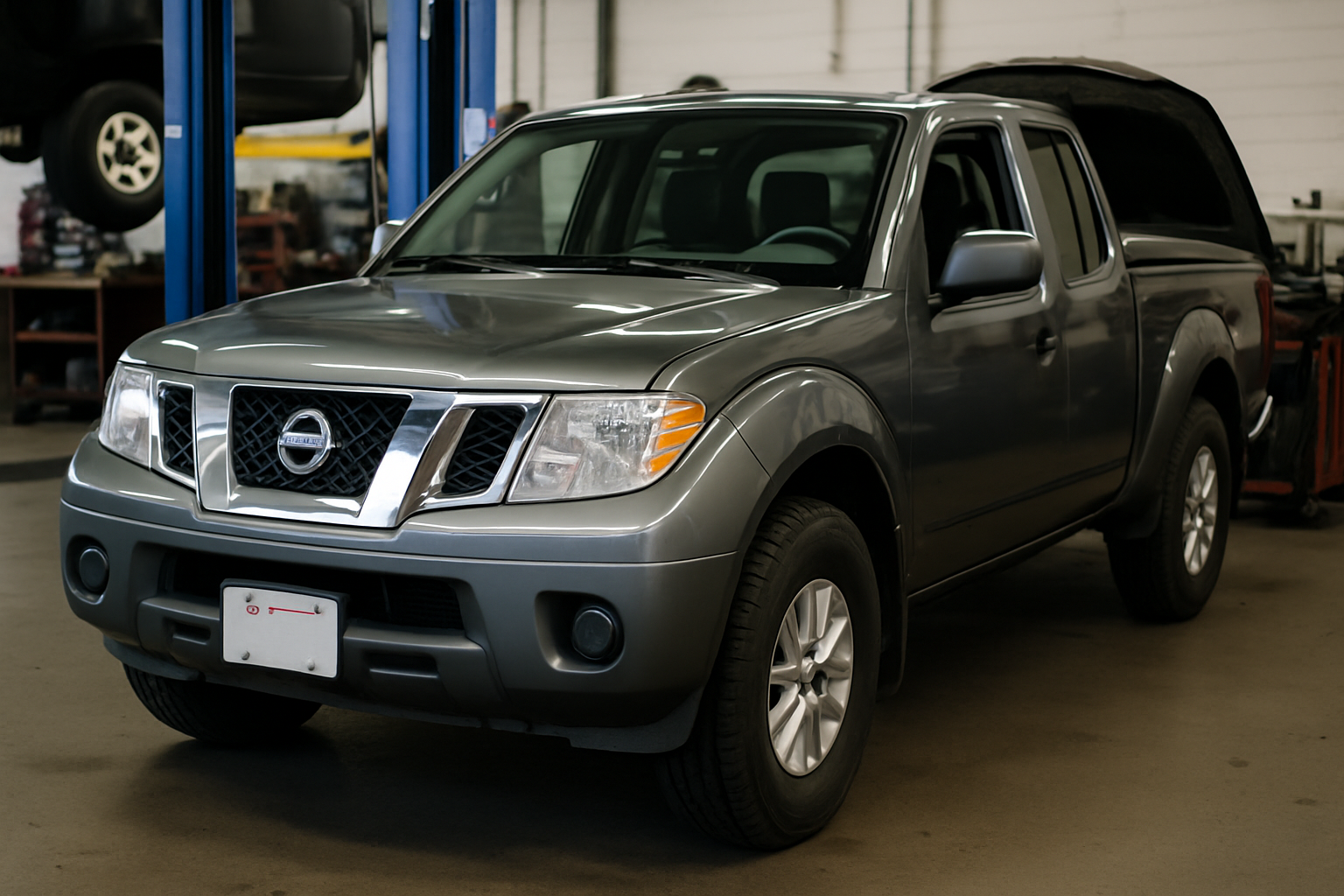
If your Nissan Frontier sounds like a diesel engine for the first few seconds after startup, you’re probably dealing with timing chain rattle. That distinctive rattling or grinding noise coming from the front of the engine is unsettling, and it’s a problem that’s plagued certain Frontier model years more than others. The VQ40DE V6 engine used in 2005-2021 Frontiers is particularly prone to this issue, especially as mileage climbs past 100,000 miles.
The noise happens because the timing chain loses proper tension when the engine sits overnight. Oil drains away from the chain guides and tensioners, and when you first fire up the engine, there’s a brief moment where everything isn’t quite where it should be. That’s when you hear the rattle. Sometimes it lasts just a second or two. Other times it can go on for five or ten seconds before the oil pressure builds up and quiets things down.
Common Causes
The timing chain system in your Frontier relies on several components working together. When one part starts failing, it creates that startup rattle you’re hearing.
Worn timing chain tensioners are the most common culprit. These hydraulic devices use oil pressure to keep the chain tight against the guides. The tensioner has a small internal ratchet mechanism that’s supposed to maintain tension even when oil pressure drops. Over time, this mechanism wears out or gets stuck, and the tensioner can’t do its job properly. When you start the engine cold, it takes a moment for oil pressure to build up and push the tensioner back into position.
Stretched timing chain is another major cause. Chains don’t actually stretch like a rubber band, but the pins and rollers wear down microscopically over thousands of heat cycles. This wear adds up to what we call stretch. A chain that’s even a few millimeters longer than spec creates slack in the system. That slack means more movement and noise during startup before everything tightens up.
Worn chain guides compound the problem. These plastic-backed guides keep the chain running in the correct path. The VQ40DE has several guides inside the timing cover, and they take a beating from constant chain contact. When they wear down, there’s more room for the chain to move around. Combine worn guides with a weak tensioner, and you’ve got a recipe for that cold-start rattle.
Low oil level or wrong oil viscosity can make an existing problem worse. If your oil is low, it takes longer for pressure to build up at startup. Using oil that’s too thin for your climate means it drains away from the timing components faster when the engine sits.
This video explains what timing chain noise sounds like and why it happens:
How to Diagnose the Problem
You need to confirm what you’re dealing with before throwing parts at it. Timing chain noise has specific characteristics that set it apart from other engine noises.
Listen carefully to the location and duration. True timing chain rattle comes from the front of the engine, behind the timing cover. It’ll be loudest near the upper front of the engine, around the valve covers. The noise should only happen during the first few seconds of a cold start. If it continues after the engine warms up or happens while driving, you might have a different issue entirely.
Check your oil level and condition. Pull the dipstick when the engine is cold and on level ground. Low oil makes timing chain problems worse and can cause similar noises. While you’re at it, look at the oil condition. If it’s black and gritty well before your next oil change interval, internal wear is accelerating.
Record the noise with your phone. This sounds basic, but having a recording helps in two ways. First, you can compare it to videos online of confirmed timing chain rattle. Second, if the problem gets worse, you’ll have documentation of when it started and how it’s progressed. That information is valuable whether you’re diagnosing it yourself or taking it to a shop.
Check for codes and timing issues. Hook up an OBD2 scanner and look for any codes related to camshaft or crankshaft position sensors. If the timing chain has stretched significantly, the ECU might throw a P0011 or P0021 code indicating cam timing is out of spec. No codes doesn’t mean you’re in the clear, but codes definitely confirm you have a problem.
Inspect the timing chain without full disassembly. Some mechanics can check timing chain slack by removing the valve covers and checking the cam gear movement. If you rotate the crankshaft slowly by hand and watch the cam gears, excessive delay before they start moving indicates chain stretch. This requires some mechanical knowledge, but it’s less invasive than pulling the whole timing cover.
This video covers common Frontier problems including timing chain issues:
How to Fix It
Fixing timing chain rattle isn’t a quick Saturday afternoon job. The timing cover on the VQ40DE sits behind the radiator, cooling fans, and a bunch of accessories. You’re looking at a full day of work minimum if you’re experienced, longer if this is your first timing chain job.
Replace the entire timing chain kit. Don’t just change the tensioners and hope for the best. When one component has worn enough to cause noise, the others aren’t far behind. A complete kit includes the timing chain, tensioners, guides, and gaskets. Quality matters here. OEM Nissan parts are expensive but reliable. Aftermarket options exist, but stick with known brands like Cloyes or Aisin. Cheap timing chain kits are a false economy.
The job requires draining coolant, removing the radiator and fans, taking off the serpentine belt and crankshaft pulley, and then unbolting the timing cover. You’ll need to align the timing marks perfectly before removing the old chain and again when installing the new one. Get this wrong and the engine won’t start, or worse, valves will hit pistons.
Use a timing chain alignment tool. These inexpensive tools hold the cam gears in the correct position while you work. They prevent the gears from rotating out of time, which can happen if the chain comes off. Some people try to do timing chains without these tools. Don’t be one of them.
Replace the oil pump chain while you’re in there. The VQ40DE has a secondary chain that drives the oil pump. It’s right there while you have the timing cover off. If your engine has high mileage, replace this chain too. The cost difference is minimal since you’re already doing the labor.
Inspect the cam and crank sprockets. Look at the teeth on all the gears. They should be smooth and evenly worn. If you see hooked or pointed teeth, replace those gears. A new chain on worn gears will wear out faster and might still make noise.
Clean everything thoroughly before reassembly. The timing cover gasket surface needs to be perfectly clean. Old gasket material or oil residue will cause leaks. Use a plastic scraper, not metal, to avoid gouging the aluminum surface. Brake cleaner works well for final cleanup.
Prime the new tensioners before installation. Some tensioners come pre-primed, others don’t. If yours aren’t primed, you need to manually compress and release them several times while submerged in clean engine oil. This removes air from the internal chambers. An air-filled tensioner won’t work properly on first startup, which defeats the whole purpose of this repair.
When to See a Mechanic
This isn’t a beginner job. If you’ve never done major engine work before, the Frontier timing chain replacement isn’t where you want to learn. The consequences of getting it wrong range from an engine that won’t start to catastrophic internal damage.
Take it to a professional if you don’t have a good workspace with proper lighting and tools. You need metric sockets, a breaker bar or impact gun, a torque wrench, and specific tools for the crankshaft pulley. Working on your back in a gravel driveway makes this job miserable and increases the chance of mistakes.
If your Frontier is still under warranty or has an extended powertrain warranty, let the dealer handle it. Some early model year Frontiers had warranty extensions for timing chain issues. Check with Nissan before paying out of pocket.
When the noise is accompanied by rough running, misfires, or check engine lights, the problem has progressed beyond just noise. The timing might already be off enough to affect engine performance. A shop can check actual cam timing with a scanner and determine if you’ve got valve or piston damage.
Estimated Repair Costs
Budget for this repair carefully. It’s not cheap whether you do it yourself or pay someone else.
| Repair Option | Parts Cost | Labor Cost | Total |
|---|---|---|---|
| DIY – Complete Timing Chain Kit (OEM) | $400-$600 | $0 | $400-$600 |
| DIY – Complete Kit (Quality Aftermarket) | $250-$400 | $0 | $250-$400 |
| Independent Mechanic | $300-$500 | $800-$1,200 | $1,100-$1,700 |
| Nissan Dealership | $500-$700 | $1,200-$1,800 | $1,700-$2,500 |
Labor time at a shop runs 8-12 hours depending on their efficiency and whether they run into seized bolts or other complications. The job rate varies wildly by location. Urban areas and dealerships charge more. Small town independent shops are usually cheaper.
These costs assume nothing else is wrong. If the chain has been rattling for a while and worn through a guide, you might need additional parts. If oil starvation damaged the cam lobes or bearings, costs escalate quickly into engine rebuild territory.
Prevention Tips
You can’t prevent timing chain wear entirely, but you can slow it down significantly.
Change your oil religiously. The timing chain, tensioners, and guides all depend on clean oil for lubrication and hydraulic pressure. Synthetic oil handles the heat better and maintains viscosity longer than conventional oil. Follow Nissan’s severe service interval if you do short trips, tow, or drive in extreme temperatures. That means oil changes every 3,750 miles instead of 7,500.
Use the right oil viscosity. The VQ40DE calls for 5W-30 in most conditions. Don’t use thinner oil thinking it’ll reduce wear. Thinner oil drains away from the timing components faster when the engine sits, making cold start noise worse. In extremely cold climates below zero, 0W-30 is acceptable, but 5W-30 is the standard recommendation.
Warm up the engine gently. When you first start your Frontier on a cold morning, let it idle for 30 seconds before driving, then keep RPMs low for the first few minutes. High RPMs on a cold engine with low oil pressure put extra stress on the timing chain and guides.
Address the noise early. If you hear the rattle starting, don’t ignore it for another 20,000 miles. Early-stage timing chain noise is just worn tensioners. Wait too long and you’ll need the chain, guides, and possibly sprockets. The repair cost doubles or triples.
Check your oil level weekly. The VQ40DE isn’t known for burning oil, but any engine can develop a slow leak. Running even a quart low reduces oil pressure and accelerates timing chain wear. A quick dipstick check takes 30 seconds and could save you thousands in repairs.
Final Thoughts
Timing chain rattle on your Frontier isn’t something to panic about immediately, but it’s not something to ignore either. The noise tells you components are wearing out. Caught early, you’re looking at a manageable repair that’ll give your truck another 100,000 miles of reliable service. Let it go too long, and you risk jumping timing or breaking the chain entirely, which means bent valves and a much bigger repair bill.
If you’re handy with tools and have the time, doing the job yourself saves serious money. Just don’t rush it. Take pictures as you disassemble things, double-check your timing marks, and follow the torque specs in the service manual. If wrenching isn’t your thing, find a reputable independent shop that specializes in Nissan. They’ll do the same quality work as the dealer for less money.
Either way, take care of it before that cold start rattle turns into something worse.


Leave a Reply