
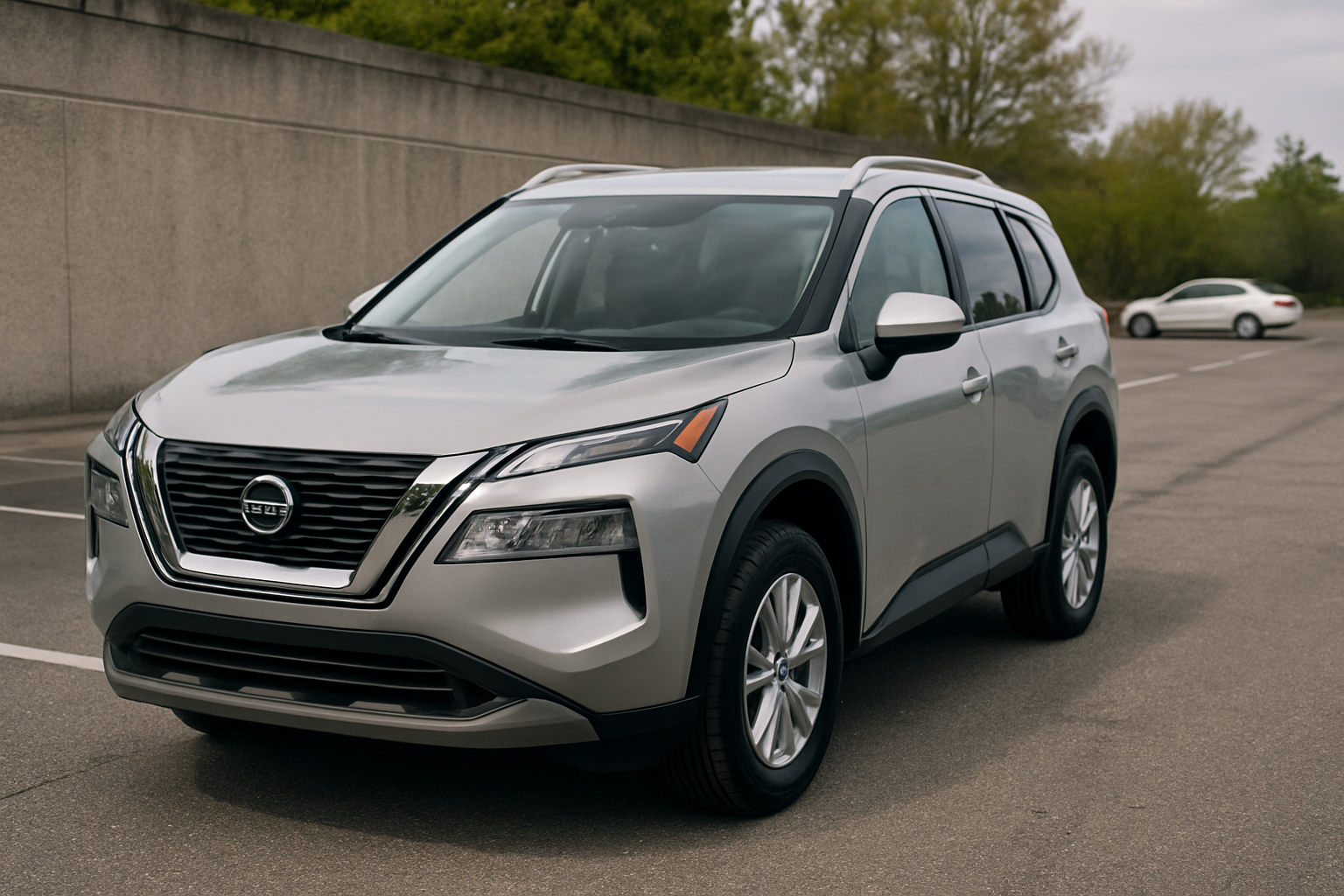
Nissan’s CVT (Continuously Variable Transmission) problems have become one of the most significant reliability concerns for car buyers in recent years. If you’re shopping for a used Nissan or already own one of these models, understanding which years and vehicles to avoid can save you thousands in repair costs.
The Root of Nissan’s CVT Problems
Most of Nissan’s CVT issues stem from their partnership with Jatco, a transmission manufacturer that supplies CVTs for multiple Nissan models. These Jatco-built transmissions have shown consistent patterns of failure across different vehicle lines, particularly in models produced between 2013 and 2018.
The primary issues include overheating, violent shuddering during acceleration, complete transmission failure, and premature wear of internal components. These problems often occur well before 100,000 miles, sometimes as early as 60,000 miles.
Nissan Altima CVT Problems
The Altima represents one of Nissan’s most problematic CVT applications. The 2013-2018 model years are particularly troublesome, with the 2013-2015 models being the absolute worst.
Common symptoms in Altima CVTs include lurching when accelerating from a stop, a whining noise during acceleration, and the transmission slipping or hesitating. Many owners report their CVT failing completely between 80,000 and 120,000 miles.
The 2013 Altima is especially notorious for CVT failure. Nissan extended the warranty on these transmissions to 84 months/84,000 miles, but many failures occur just outside this window. Replacement costs typically run $4,000-$6,000 at the dealership.
Altima Years to Avoid
Definitely avoid: 2013-2015 Altima models have the highest failure rates and shortest lifespans before major CVT issues develop.
Proceed with caution: 2016-2018 Altimas show improvement but still have elevated failure rates compared to traditional automatics.
Better options: 2019 and newer Altimas received updated CVT software and hardware improvements, though long-term reliability remains unproven.
Nissan Rogue CVT Issues
The Rogue’s CVT problems mirror those found in the Altima, but with some unique characteristics. First-generation Rogues (2008-2015) with CVTs are particularly problematic, especially the 2014-2015 model years.
Rogue owners frequently report a jerking motion when the transmission shifts, loss of acceleration power, and a burning smell from the transmission fluid overheating. The CVT often fails suddenly, leaving drivers stranded.
Second-generation Rogues (2014-2020) initially carried forward many of the same CVT problems. The 2014-2016 model years are especially troublesome, with numerous class-action lawsuits filed against Nissan for these issues.
Rogue Years to Avoid
Skip entirely: 2014-2016 Rogues have some of the worst CVT failure rates in Nissan’s lineup.
High risk: 2017-2019 Rogues received some improvements but still show elevated failure rates.
Improved but unproven: 2020 and newer Rogues feature updated CVT technology, but their long-term reliability hasn’t been established.
Nissan Pathfinder CVT Problems
The three-row Pathfinder faces unique CVT challenges due to its size and weight. The added stress of towing and carrying heavy loads accelerates CVT wear and failure.
2013-2019 Pathfinders are most affected by CVT problems. Owners report transmission overheating, especially when towing or driving in hilly terrain. The CVT often goes into “limp mode” to protect itself from damage, severely limiting vehicle performance.
Many Pathfinder CVT failures occur between 70,000 and 100,000 miles. The larger vehicle’s transmission replacement costs are often higher than sedans, sometimes exceeding $7,000.
Pathfinder Years to Avoid
Highest risk: 2013-2016 Pathfinders show the most severe CVT problems, particularly if used for towing.
Moderate risk: 2017-2019 models received updates but still have concerning failure rates.
Consider alternatives: If you need a three-row SUV, consider Honda Pilot or Toyota Highlander from these same years.
Nissan Sentra CVT Troubles
The compact Sentra might seem like it would stress its CVT less than larger vehicles, but these transmissions still show significant problems. 2013-2019 Sentras are most affected by CVT issues.
Sentra CVT problems often manifest as hesitation during acceleration, rough shifting, and complete loss of power. The transmission may slip or fail to engage properly, particularly when accelerating from traffic lights or merging onto highways.
While Sentra CVT replacements cost less than larger vehicles ($3,500-$5,000), this still represents a major expense for an economy car owner.
Sentra Years to Avoid
Most problematic: 2013-2017 Sentras have well-documented CVT reliability issues.
Slightly better: 2018-2019 models show some improvement but still have elevated failure rates.
Unknown reliability: 2020 and newer Sentras feature updated CVT technology that hasn’t been tested long-term.
Warning Signs Your Nissan CVT Is Failing
Recognizing early symptoms can help you address CVT problems before complete failure occurs. Watch for these common warning signs:
Shuddering or jerking: Violent shaking during acceleration, especially from a stop, indicates internal CVT wear.
Whining or grinding noises: Unusual transmission sounds, particularly during acceleration, suggest bearing or belt problems.
Loss of acceleration: Delayed response when pressing the gas pedal or inability to reach highway speeds points to CVT slippage.
Overheating: Burning smells, transmission warning lights, or the vehicle entering “limp mode” indicate overheating issues.
Rough shifting: Harsh transitions between ratios or sudden changes in engine RPM suggest CVT control problems.
CVT Maintenance Tips
If you already own one of these problematic Nissan models, proper maintenance can extend your CVT’s lifespan. Follow these guidelines:
Change CVT fluid every 30,000-40,000 miles, not the 60,000-mile interval Nissan recommends. Use only Nissan NS-2 or NS-3 CVT fluid, never generic ATF.
Avoid aggressive driving, rapid acceleration, and heavy towing when possible. These behaviors accelerate CVT wear and increase failure risk.
Address any transmission symptoms immediately. Early intervention can sometimes prevent complete CVT failure and reduce repair costs.
Better Nissan Alternatives
If you’re set on buying a Nissan from these problematic years, consider models with traditional automatic transmissions instead:
The Nissan Frontier pickup (through 2021) uses a conventional 5-speed automatic that’s much more reliable than the CVT. The 370Z sports car also uses a traditional 7-speed automatic.
For older vehicles, pre-2013 Nissans generally used conventional automatics before the widespread CVT adoption. These older transmissions have proven much more reliable over time.
Legal Remedies and Warranties
Multiple class-action lawsuits have been filed against Nissan for CVT problems. Some owners have received settlements or extended warranties as a result.
Nissan extended CVT warranties on many affected models to 84 months/84,000 miles. Check if your vehicle qualifies for warranty coverage before paying for repairs.
Document all CVT-related issues and repairs. This paperwork may be valuable if you need to pursue legal remedies or warranty claims later.
The Bottom Line on Nissan CVTs
While Nissan has made improvements to their CVT technology in recent years, the 2013-2018 model years represent a particularly problematic period. The combination of immature technology and insufficient testing led to widespread reliability problems.
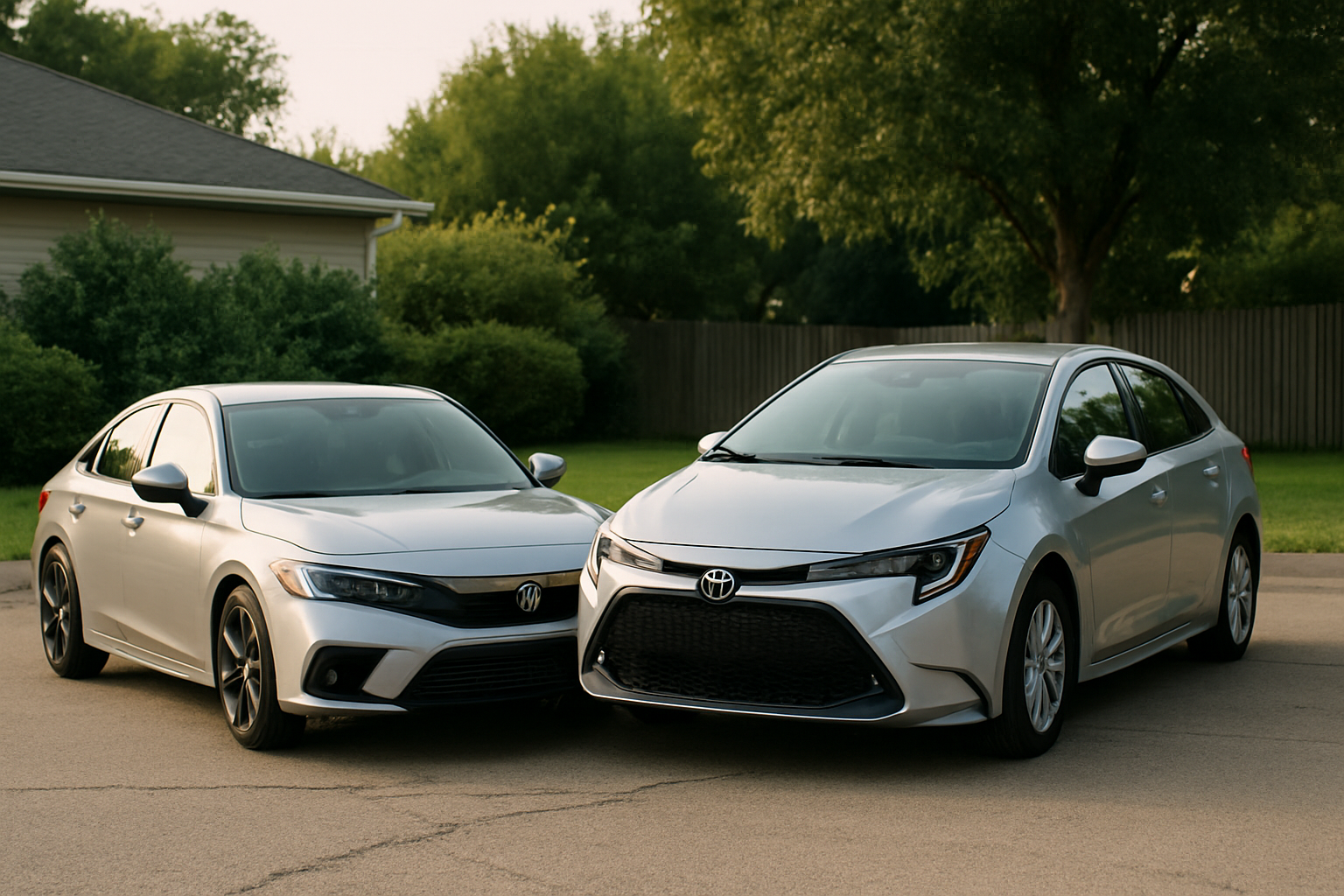
If you’re shopping for a used vehicle, consider Honda or Toyota alternatives from these same years. Both manufacturers offer more reliable transmissions and better long-term ownership experiences.
Current Nissan owners should maintain their CVTs religiously and budget for potential transmission replacement. Starting a repair fund early can help cushion the financial impact when problems arise.
Frequently Asked Questions
Can a failing Nissan CVT be repaired, or does it need complete replacement?
Most Nissan CVT problems require complete transmission replacement. Unlike conventional automatics, CVTs are difficult to rebuild because their continuously variable design creates unique wear patterns. Some shops attempt repairs, but these often fail again within 20,000-30,000 miles.
How much does it cost to replace a Nissan CVT?
CVT replacement costs vary by model and location. Expect to pay $3,500-$5,000 for a Sentra, $4,000-$6,000 for an Altima or Rogue, and $5,000-$7,000 for a Pathfinder. These prices include parts and labor at independent shops. Dealership costs are typically 20-30% higher.
Are newer Nissan CVTs more reliable?
Nissan has made improvements to their CVT technology since 2019, including better cooling systems and updated software. However, these newer transmissions haven’t been on the road long enough to establish their long-term reliability. Early reports are more promising than previous generations.
Should I buy an extended warranty for a used Nissan with a CVT?
Given the high failure rates of Nissan CVTs, an extended warranty can provide valuable protection. Make sure the warranty specifically covers CVT problems and isn’t just a limited powertrain warranty. Read the fine print carefully, as some warranties exclude high-mileage vehicles or require extensive maintenance records.



Leave a Reply