
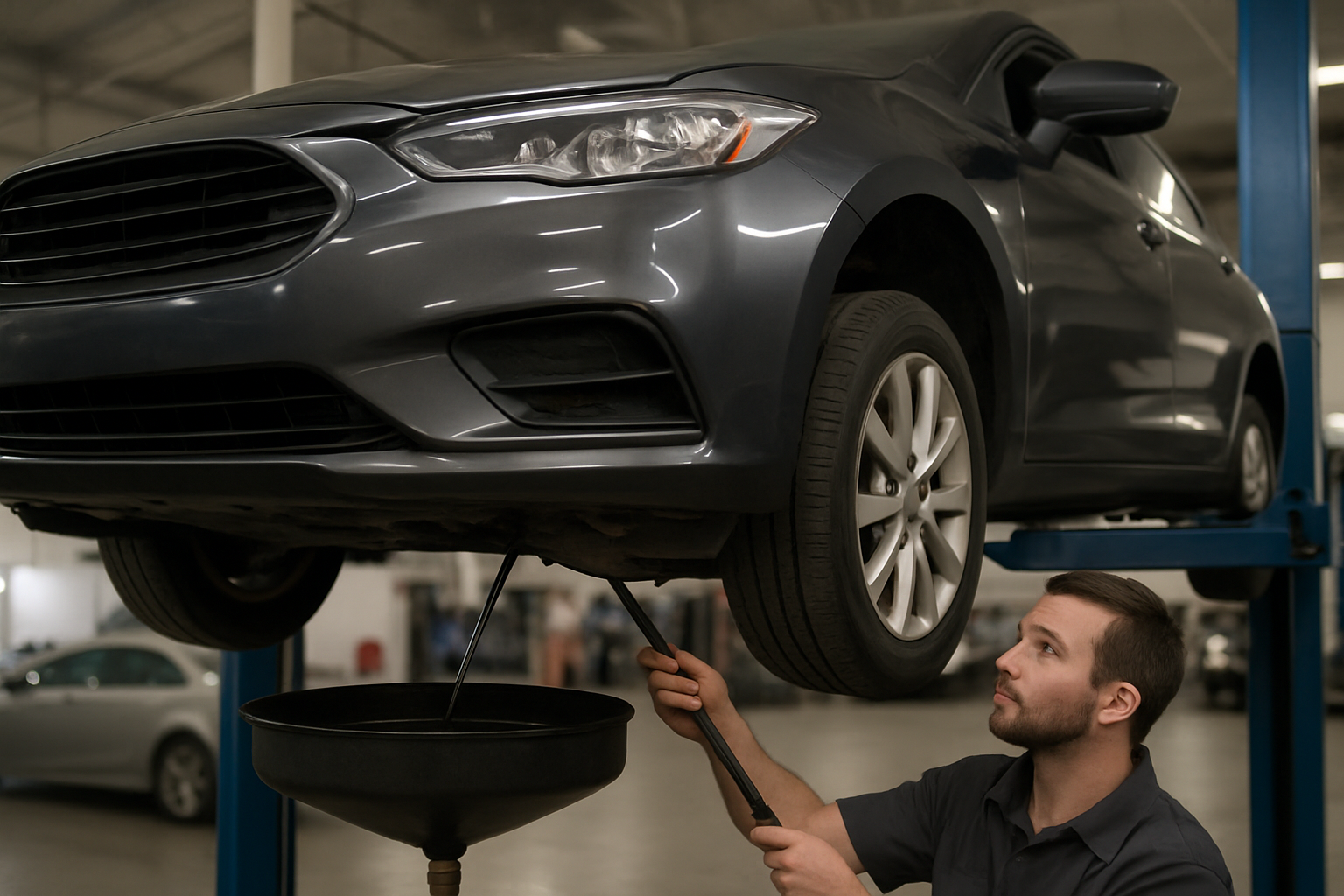
Most drivers who discover their automatic transmission has “lifetime” fluid believe they never need to change it. This widespread misconception leads thousands of car owners straight toward expensive transmission failures that could have been prevented with routine maintenance.
Your transmission fluid isn’t actually designed to last forever, despite what some manufacturers claim. When you skip this critical service, you’re setting yourself up for costly repairs that can easily reach check current prices for a complete transmission replacement.
The “Lifetime Fluid” Myth Explained
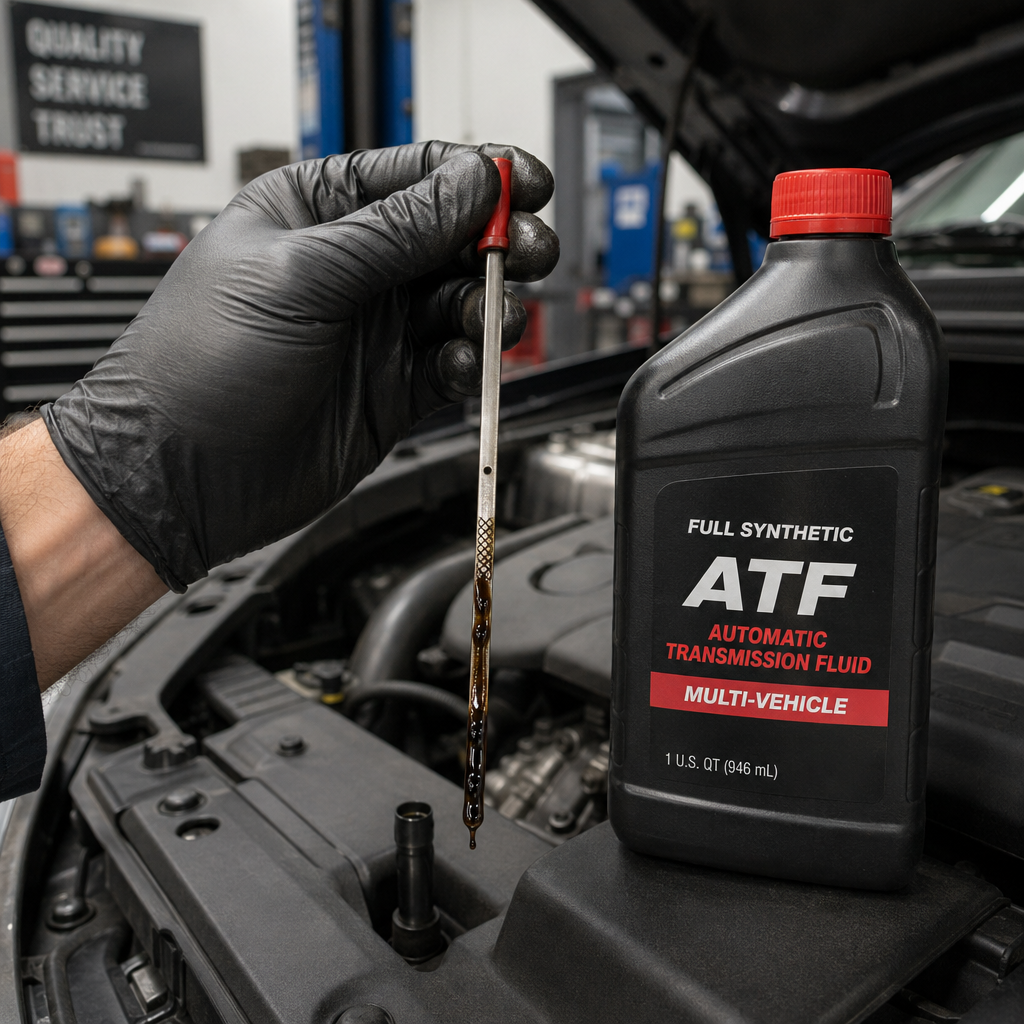
Automakers started promoting “lifetime” transmission fluid in the early 2000s, but this marketing term doesn’t mean what you think it means. The fluid is designed to last for the warranty period of the vehicle, typically around 100,000 miles or 8-10 years.
After the warranty expires, you’re on your own. The manufacturer has already sold you the car and moved on to the next customer. They don’t have a financial incentive to ensure your transmission lasts 200,000 miles or more.
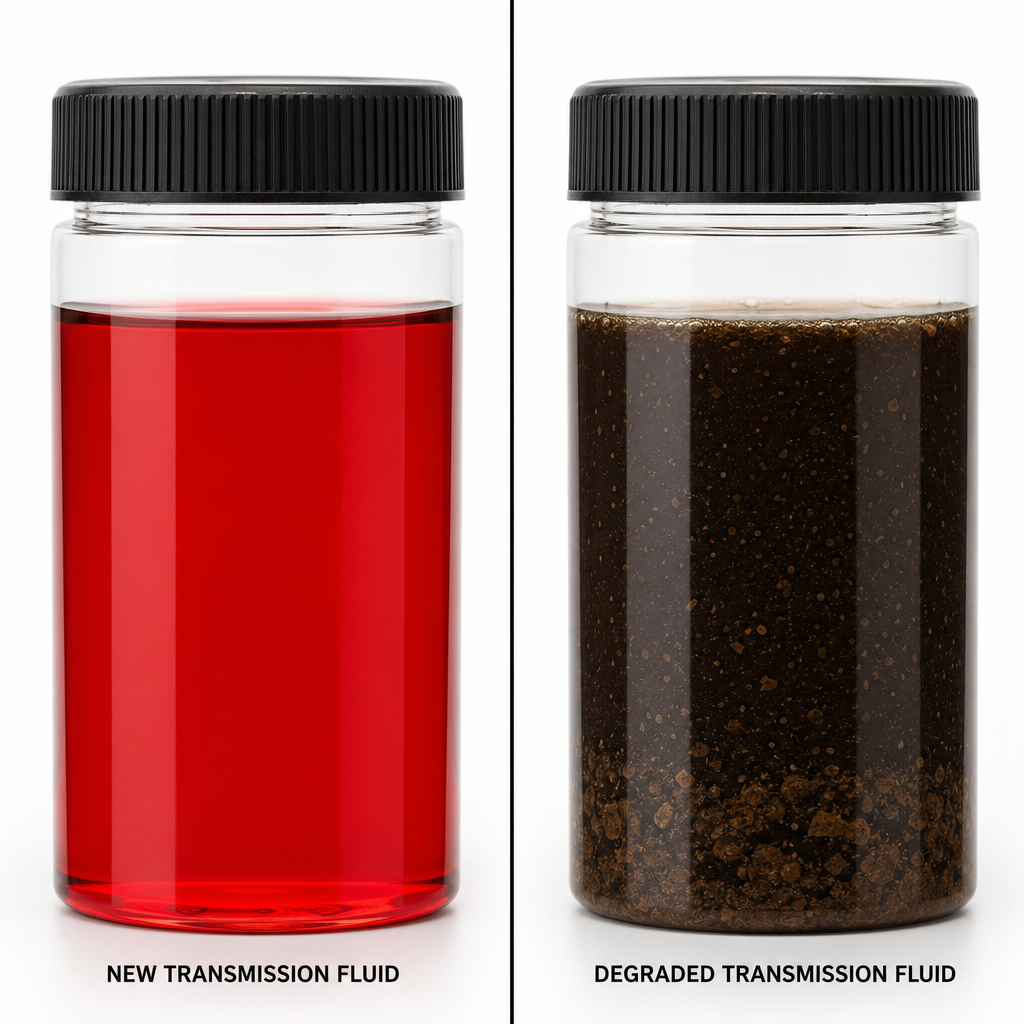
Even transmission fluid labeled as “lifetime” breaks down over time. Heat, friction, and contamination gradually degrade its protective properties. What starts as a clean, red fluid eventually becomes dark, thick, and filled with particles that can damage your transmission’s internal components.
How Transmission Fluid Breaks Down Over Time
Your transmission generates significant heat during normal operation. Stop-and-go traffic, towing, and hot weather make this problem worse. High temperatures cause transmission fluid to oxidize, which breaks down its molecular structure.
Oxidized fluid loses its ability to lubricate moving parts effectively. It also becomes more acidic, which can corrode seals, gaskets, and metal components inside your transmission. You’ll notice the fluid changing from bright red to dark brown or black as this process accelerates.
Metal particles from clutches, bands, and gears gradually contaminate the fluid as these components wear during normal use. Fresh fluid can suspend these particles and carry them to the filter. Old, degraded fluid can’t handle this contamination load, allowing particles to circulate and cause additional wear.
Early Warning Signs of Fluid Problems
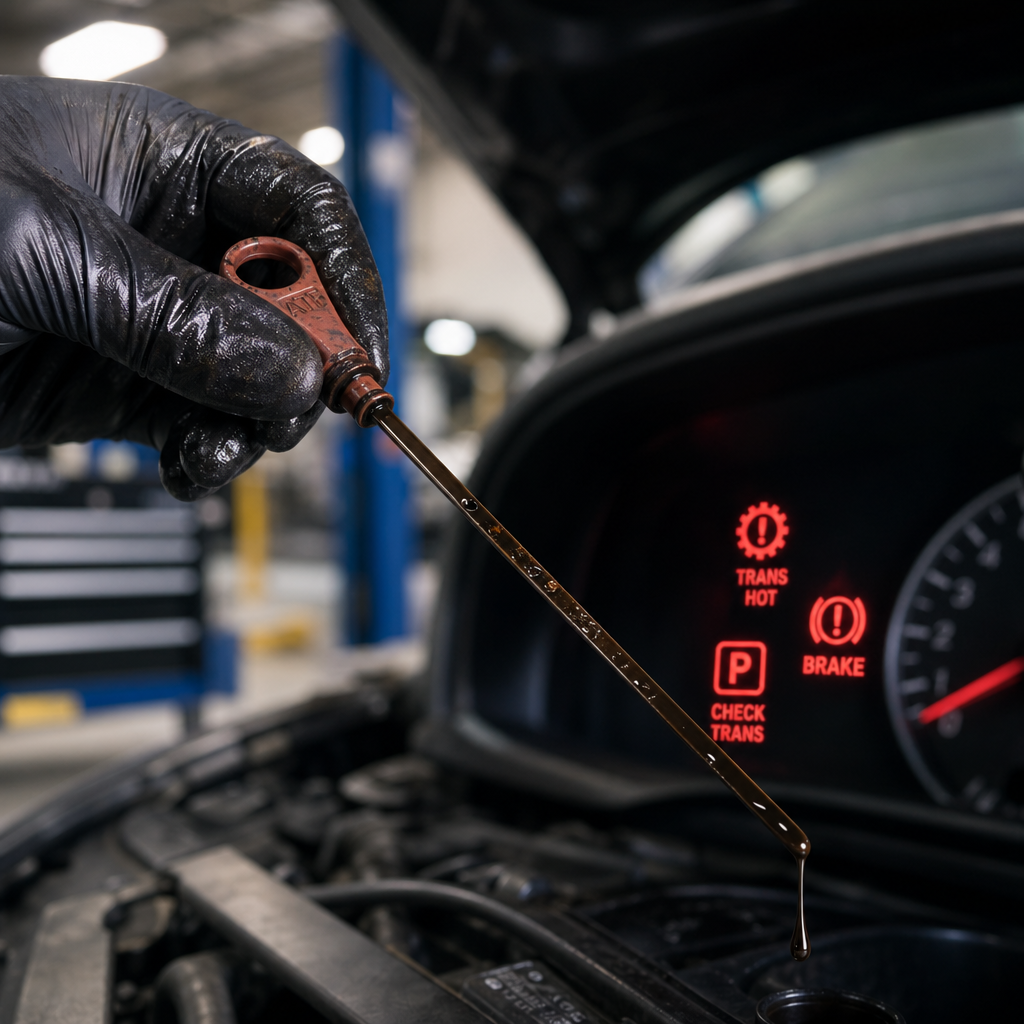
Your transmission will start showing symptoms long before it fails completely. Rough or delayed shifting is often the first sign that your fluid needs attention. You might notice the transmission hesitating before engaging a gear or shifting with a noticeable jolt.
Slipping gears become more common as the fluid loses its friction properties. The engine RPMs will increase without a corresponding increase in vehicle speed. This usually happens during acceleration or when climbing hills.
Strange noises from the transmission area indicate internal components aren’t getting proper lubrication. You might hear whining, grinding, or clunking sounds, especially when shifting between park, reverse, and drive.
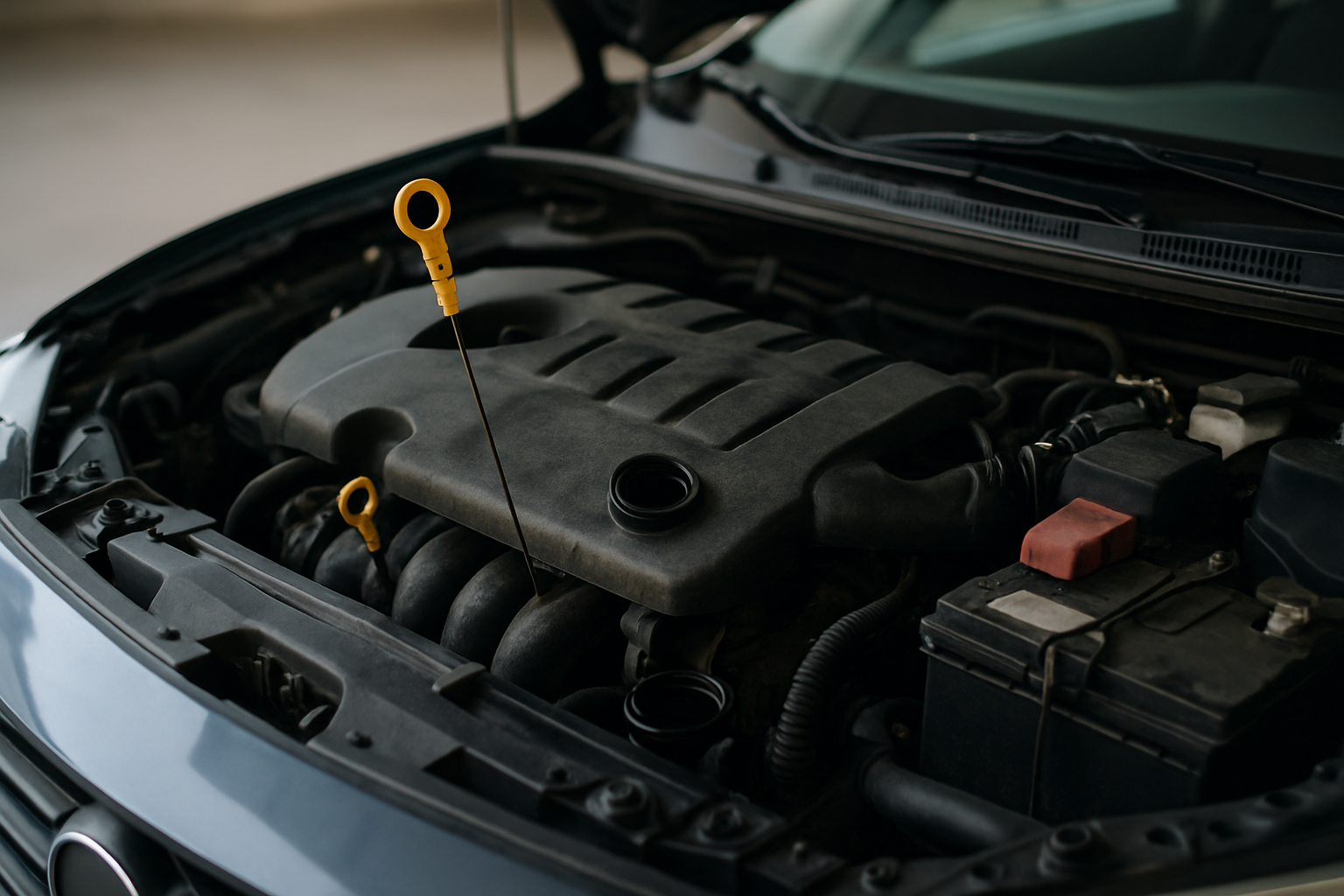
Check your fluid color and smell regularly. Healthy transmission fluid should be bright red and have a slightly sweet smell. Dark, burnt-smelling fluid needs immediate replacement. If you find metal particles on the dipstick, your transmission is already experiencing internal wear.
What Happens During Complete Fluid Neglect
Continuing to drive with severely degraded fluid accelerates internal damage. Clutch material begins flaking off in larger pieces, creating a thick sludge that can clog passages and filters. This restricts fluid flow to critical components.
Valve body problems develop when contaminated fluid prevents solenoids from operating smoothly. These electronic components control shift timing and pressure. When they malfunction, you’ll experience erratic shifting patterns or complete loss of certain gears.
Pump wear increases dramatically without proper lubrication. The transmission pump circulates fluid throughout the system and maintains hydraulic pressure. A worn pump can’t build sufficient pressure to engage clutches and bands properly.
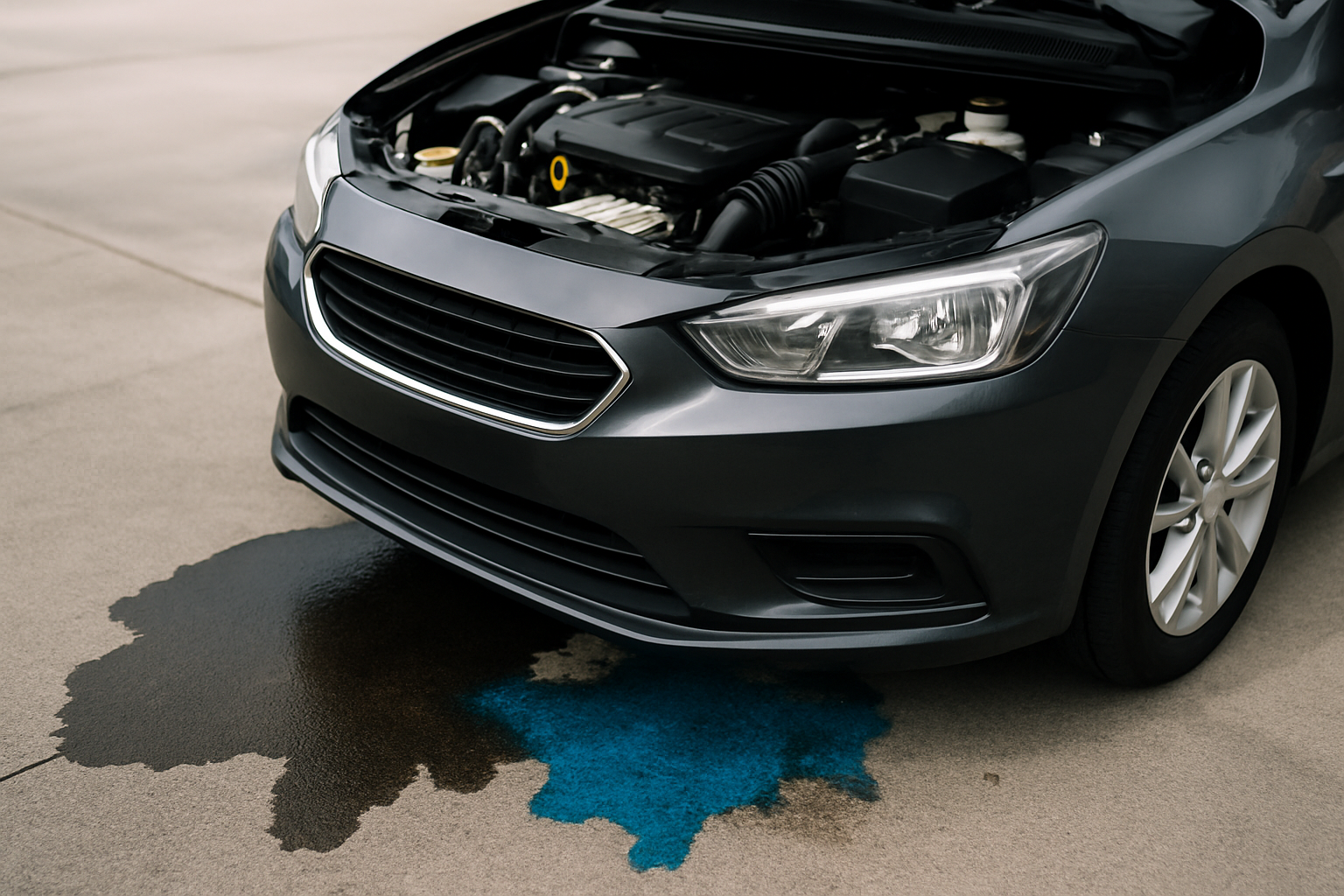
Internal seals and gaskets deteriorate faster in acidic, contaminated fluid. This leads to pressure loss and external leaks. You might notice red or brown fluid spots under your parked car.
The Point of No Return
Many transmissions reach a point where changing the fluid actually makes problems worse. This happens when the only thing holding worn clutches together is the thick, contaminated fluid that’s been circulating for years.
Fresh fluid with proper detergent properties can dislodge accumulated debris and cause it to circulate through the system. This sudden increase in contamination can block passages and cause immediate failure in an already compromised transmission.
Transmission shops often refuse to service units with extremely degraded fluid because they know the customer will blame them when the transmission fails shortly after the service. This puts owners in an impossible position where maintenance can trigger the failure they’re trying to prevent.
Real-World Consequences and Costs
Complete transmission failure typically happens between 80,000 and 120,000 miles when fluid is never changed. You’ll lose the ability to shift into certain gears or experience such severe slipping that the vehicle becomes undriveable.
A rebuilt transmission costs check current prices for most vehicles, while a new unit can reach check current prices or more. These prices don’t include labor, which can add another check current prices depending on your vehicle’s complexity.
Used transmissions offer a cheaper alternative at check current prices installed, but you’re gambling on the maintenance history of someone else’s unit. Many used transmissions fail within a year because they suffer from the same fluid neglect as your original unit.
Compare these costs to routine fluid changes every 60,000 to 80,000 miles. A complete fluid exchange typically costs check current prices, depending on your vehicle and local labor rates. Even premium synthetic fluid adds only check current prices to this cost.
Prevention Through Proper Maintenance
Regular fluid changes can extend your transmission’s life well beyond 200,000 miles. Most transmission specialists recommend service intervals between 60,000 and 80,000 miles, regardless of manufacturer recommendations.
Severe driving conditions require more frequent service. If you tow regularly, drive in stop-and-go traffic, or live in extremely hot or cold climates, consider changing fluid every 40,000 to 60,000 miles.
Always use the exact fluid specification recommended by your vehicle manufacturer. Transmission fluids aren’t interchangeable, and using the wrong type can cause immediate damage. Your owner’s manual or transmission dipstick should list the required specification.
A complete fluid exchange is more effective than a simple drain and fill. Drain and fill services only replace about 40% of the fluid because most remains trapped in the torque converter and cooling lines. Fluid exchanges use specialized equipment to replace nearly 100% of the old fluid.
When It’s Too Late to Change Fluid
If your transmission already shows signs of internal damage, changing the fluid might not help. Slipping gears, harsh shifts, and burnt-smelling fluid often indicate that wear has progressed too far for maintenance to reverse.
In these cases, you have three options. Continue driving with the degraded fluid and plan for replacement when it fails completely. This buys you time to save money but risks leaving you stranded.
A second option involves trying a high-mileage transmission fluid designed for worn units. These products contain seal conditioners and friction modifiers that might reduce symptoms temporarily. They won’t fix internal damage but could provide additional months or years of service.
Your third choice is proactive replacement before complete failure. This allows you to shop for the best deal and avoid emergency repair situations. You’ll also have trade-in value if any internal components can be rebuilt.
Making the Smart Financial Decision
The math is simple when you compare prevention to repair costs. Changing transmission fluid three times over 200,000 miles costs roughly check current prices total. A single transmission replacement costs check current prices.
Regular maintenance also maintains your vehicle’s resale value. Buyers are willing to pay more for cars with documented service records, especially for major components like transmissions. A well-maintained transmission can add check current prices to your vehicle’s trade-in value.
Even if you plan to drive your car until it dies, transmission maintenance makes financial sense. The extended life you gain from regular service far outweighs the cost of fluid changes.
Frequently Asked Questions
How do I know if my transmission fluid has never been changed?
Check the fluid color and smell using the transmission dipstick. Fresh fluid is bright red and has a slightly sweet odor. Dark brown or black fluid with a burnt smell indicates long-term neglect. You can also check service records or ask the previous owner about maintenance history.
Can I change severely degraded fluid myself?
While technically possible, changing severely degraded fluid carries risks that make professional service worthwhile. Transmission shops have experience identifying units that shouldn’t be serviced and can perform complete fluid exchanges rather than partial drain-and-fill procedures.
Will changing old fluid void my warranty?
Proper maintenance using manufacturer-approved fluid won’t void your warranty. However, if your transmission fails shortly after service, you might face questions about the timing. Keep all service documentation to prove you used correct procedures and fluids.
How long can I drive with burnt transmission fluid?
There’s no definitive answer because failure timing depends on driving conditions and internal wear levels. Some transmissions fail within weeks of showing burnt fluid symptoms, while others continue operating for months. Plan for replacement as soon as possible once you notice burnt fluid.


Leave a Reply