
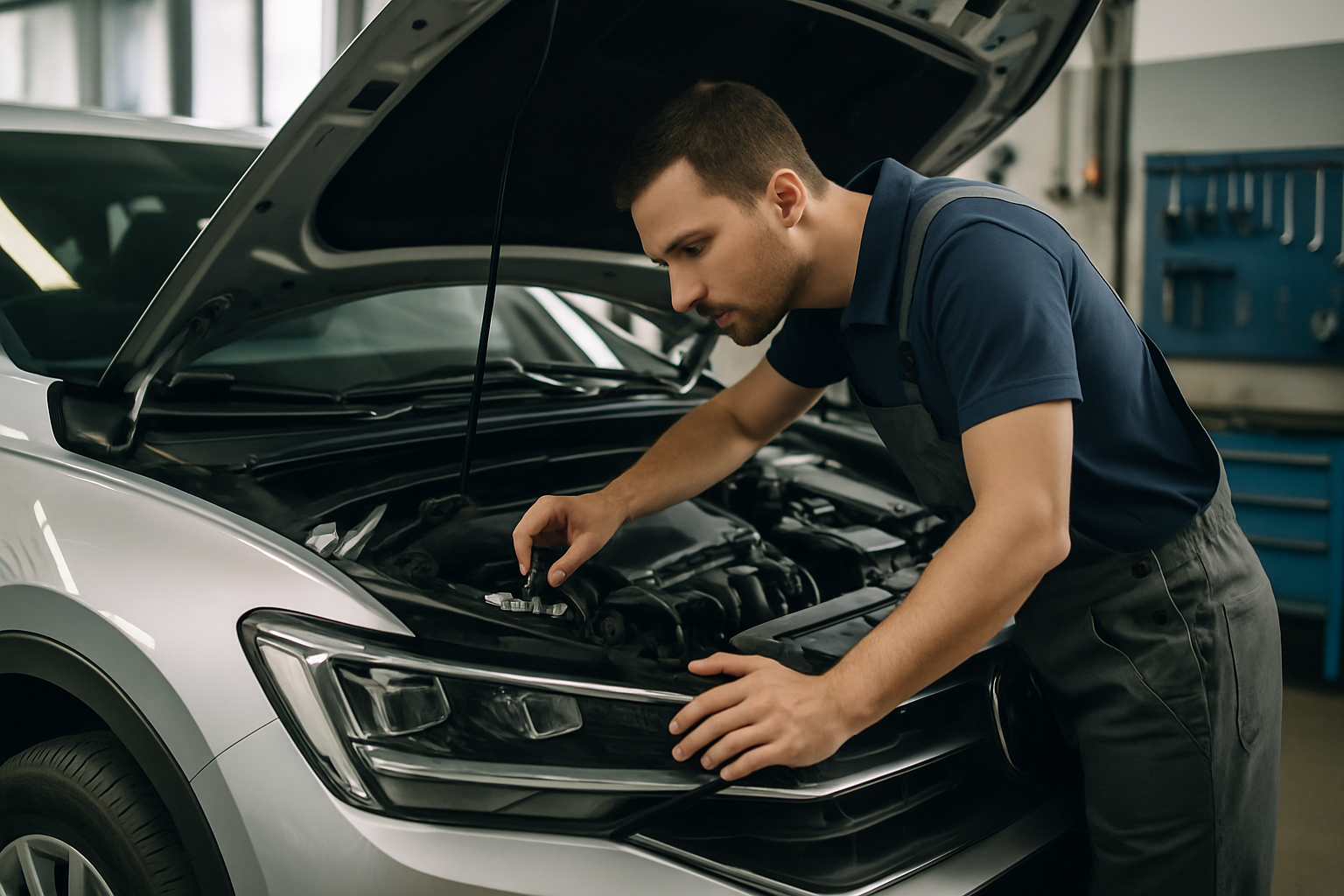
If you’ve ever popped the hood of a car from the 1980s and compared it to a modern vehicle, you know exactly what we’re talking about. Today’s cars pack incredible technology and efficiency into the same space, but they’ve become significantly more challenging for the average person to repair and maintain.
The shift toward complex electronics, cramped engine compartments, and specialized tools has created a barrier between car owners and basic maintenance. However, plenty of essential tasks remain within reach of the home mechanic with basic tools and patience.
What Makes Modern Cars More Difficult to Work On
Modern vehicles present several challenges that weren’t factors in older cars. Understanding these obstacles helps you decide which projects to tackle yourself and which ones require professional help.
Cramped Engine Bays
Engine compartments have shrunk dramatically over the past three decades. Manufacturers prioritize aerodynamics, crash safety, and interior space, leaving minimal room for components and service access. What used to be a simple spark plug change might now require removing the intake manifold or even lifting the engine.
Many newer cars require you to access components from underneath, through wheel wells, or after removing multiple covers and brackets. Simple tasks like changing a headlight bulb can involve removing the entire front bumper on some models.
Electronic Integration
Today’s vehicles contain dozens of interconnected computer modules that control everything from engine timing to interior lighting. These systems communicate constantly and often require specific initialization procedures after maintenance.
Even basic components like batteries and alternators now require programming or adaptation procedures using specialized diagnostic equipment. Disconnect the wrong connector, and you might trigger fault codes that require professional scan tools to clear.
Proprietary Fasteners and Tools
Manufacturers increasingly use specialized bolts, clips, and fasteners that require specific tools. Triple-square bits, inverted Torx screws, and custom plastic clips have replaced standard Phillips and flathead screws in many applications.
These proprietary fasteners serve legitimate engineering purposes but create barriers for DIY maintenance. The tools often cost more than the repair itself for a one-time job.
Complex Fluid Systems
Modern cars use specialized fluids with exact specifications that weren’t necessary in older vehicles. Transmission fluid, coolant, and even brake fluid now come in multiple formulations specific to different manufacturers and model years.
Using the wrong fluid can damage expensive components, and many systems require specific bleeding or filling procedures that involve activating pumps and valves through diagnostic equipment.
DIY Tasks That Remain Accessible
Despite increased complexity, many essential maintenance tasks remain well within the capabilities of home mechanics. These jobs require basic tools and don’t involve complex electronics or specialized procedures.
Air Filter Replacement
Engine air filters typically live in rectangular or round housings near the top of the engine bay. Most use simple clips or screws that open without tools, and the filter lifts out easily.
This 15-minute job can save you $30-50 in labor costs and requires no special knowledge. Replace your air filter every 12,000-15,000 miles or when it appears dirty and clogged.
Cabin Air Filter Changes
Cabin filters usually hide behind the glove box or under the dashboard on the passenger side. Most installations involve removing a few clips to access the filter housing.
YouTube videos specific to your make and model show the exact procedure, which typically takes 10-20 minutes. Change cabin filters annually or when you notice reduced airflow from your ventilation system.
Oil Changes
Oil changes remain one of the most accessible DIY maintenance tasks, though some modern cars present challenges. Many vehicles now use undertray panels that require removal to access the drain plug and filter.
Invest in a good set of ramps or jack stands, and always verify the correct oil specification in your owner’s manual. Modern engines often require full synthetic oil with specific viscosity ratings.
Brake Pad Replacement
Brake pads are still relatively accessible on most vehicles, though electronic parking brakes and brake pad wear sensors add complexity to some jobs. Front brakes typically require basic hand tools and can be completed in 30-60 minutes per side.
Many newer vehicles require you to retract electronic brake pistons using a scan tool, so research your specific model before starting. Always replace pads in pairs and inspect rotors for wear or damage.
Wiper Blade Installation
Windshield wipers remain user-friendly, though the variety of attachment mechanisms has expanded. Most auto parts stores will install wipers for free if you purchase them there.
Replace wipers annually or when they start streaking or chattering. Premium blades with silicone inserts last longer and perform better than basic rubber blades.
Light Bulb Replacement
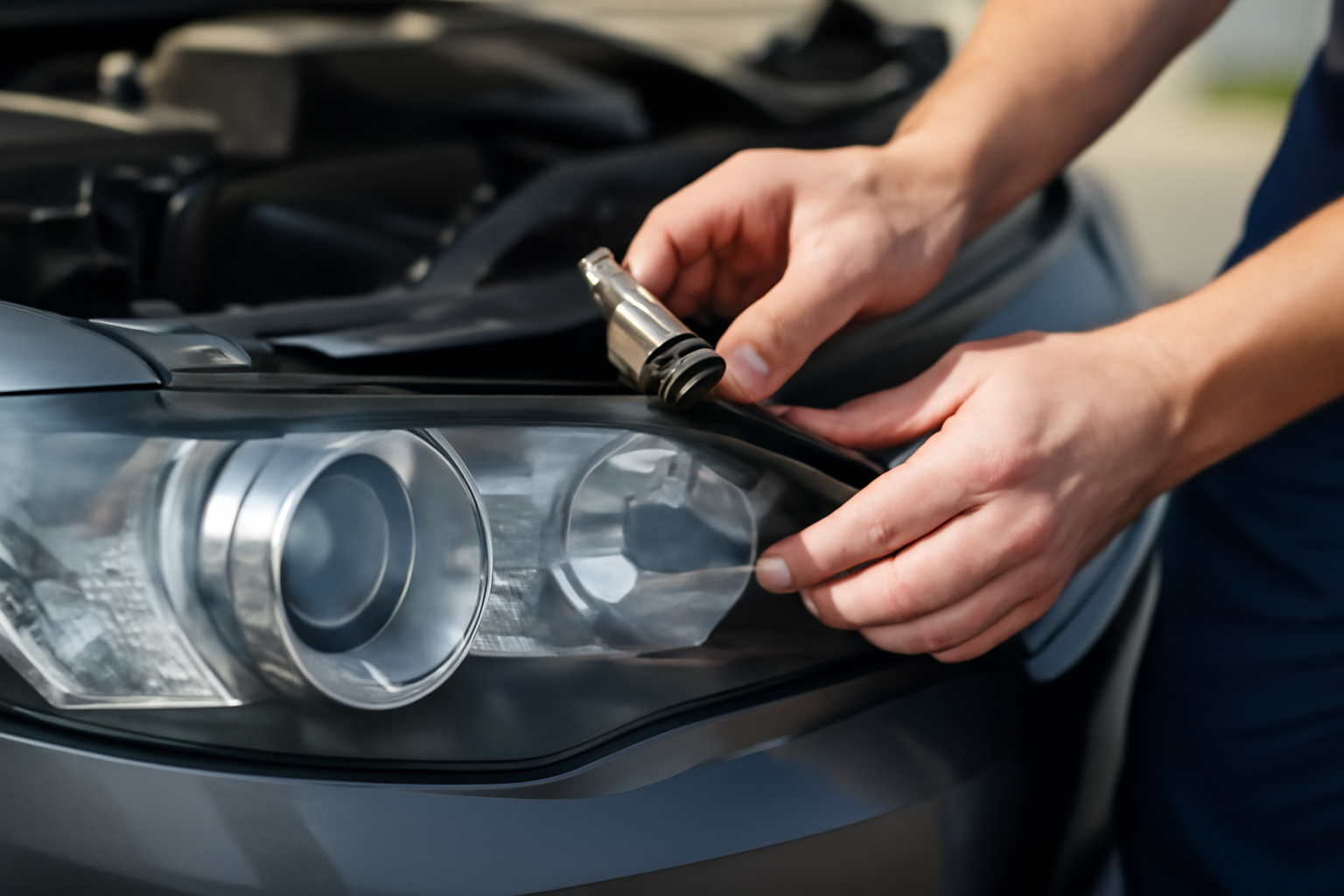
While some vehicles now require bumper removal for headlight access, many bulbs remain accessible from the engine bay or trunk area. LED and HID systems are generally not user-serviceable, but halogen bulbs can often be replaced at home.
Always check your owner’s manual first, as some vehicles require specific procedures to avoid damaging expensive adaptive headlight systems.
Battery Replacement
Car batteries remain relatively straightforward to replace, though many now require programming or registration procedures afterward. The physical installation involves removing two terminals and a hold-down bracket.
Modern vehicles may need their battery management systems informed of the new battery’s specifications through a scan tool. Some European vehicles won’t charge properly without this registration step.
Tools Worth Investing In
Success with modern vehicle maintenance requires expanding your tool collection beyond basic wrenches and screwdrivers. These investments pay for themselves quickly if you perform regular maintenance.
Quality Socket Sets
A comprehensive socket set with both metric and standard sizes covers most fasteners you’ll encounter. Look for sets that include deep sockets, universal joints, and extension bars.
Invest in impact-rated sockets if you plan to use power tools, as standard chrome sockets can crack under impact loads.
Specialty Bits and Drivers
Modern cars require Torx, triple-square, and other specialty bits that weren’t common in older vehicles. A comprehensive bit set saves multiple trips to the parts store and covers most proprietary fasteners.
Consider individual high-quality bits for sizes you use frequently, as the bits in multi-piece sets often have softer steel that strips more easily.
OBD2 Scanner
A basic OBD2 scanner helps diagnose check engine lights and monitors system readiness after repairs. More advanced scanners can perform manufacturer-specific functions like brake pad resets and oil life resets.
Even basic scanners provide valuable information about your vehicle’s health and can help you avoid unnecessary trips to the mechanic for simple diagnostic checks.
Professional Tool Sets
For serious DIY mechanics, comprehensive car mechanic tool sets provide everything needed for most maintenance tasks. These sets include specialty tools that would cost significantly more when purchased individually.
Look for sets that include metric and standard sizes, specialty bits, and quality storage cases that keep tools organized and accessible.
When to Call a Professional
Knowing your limits prevents costly mistakes and potential safety hazards. Certain systems in modern vehicles require professional expertise and equipment.
Electronic System Repairs
Any repair involving engine management systems, transmission controls, or safety systems like ABS should go to qualified technicians. These systems require specialized diagnostic equipment and software access that isn’t available to consumers.
Attempting electronic repairs without proper tools often creates additional problems that cost more to fix than the original issue.
Emissions System Work
Catalytic converters, oxygen sensors, and emissions control systems have strict legal requirements and complex diagnostic procedures. Professional shops have the equipment to verify proper operation after repairs.
Incorrect emissions system repairs can result in failed inspections and expensive re-work.
Safety System Maintenance
Airbags, seatbelt pretensioners, and collision avoidance systems require specialized procedures to service safely. These systems can cause serious injury if mishandled during repair attempts.
Professional technicians have the training and equipment to work safely around these potentially dangerous components.
Preparation Tips for DIY Success
Proper preparation makes the difference between successful repairs and frustrating failures. Take time to research and plan before starting any maintenance task.
Research Your Specific Model
Generic repair guides often miss model-specific details that can derail your project. Find repair information specific to your exact year, make, and model before starting work.
Online forums and YouTube channels often provide detailed walkthroughs that show real-world challenges and solutions for specific vehicles.
Gather All Necessary Tools
Nothing kills momentum like discovering you need a special tool halfway through a project. Create a complete tool list and verify you have everything before starting.
Borrow or rent expensive specialty tools rather than purchasing them for one-time use. Many auto parts stores loan tools for jobs like brake work and suspension repairs.
Plan for Complications
Modern cars often hide surprises like seized fasteners, additional brackets, or unexpected wiring harnesses. Allow extra time and have backup plans for common complications.
Start projects early in the day when parts stores are open and you have maximum daylight to work with.
Frequently Asked Questions
Will working on my own car void the warranty?
Performing routine maintenance won’t void your warranty as long as you use proper procedures and quality parts. However, incorrect repairs can affect warranty coverage for related components. Keep detailed records of all work performed and parts used.
How can I find the right parts for my specific vehicle?
Use your vehicle’s VIN number when ordering parts online or at stores. The VIN provides exact specifications that prevent ordering incorrect components. Many auto parts websites allow VIN entry to filter compatible parts automatically.
What should I do if I encounter a problem during a DIY repair?
Stop immediately and research the specific issue before proceeding. Online forums and manufacturer technical service bulletins often address common problems. If you’re uncomfortable continuing, take detailed photos of your work and consult a professional rather than guessing.
Are aftermarket parts acceptable for DIY maintenance?
Quality aftermarket parts from reputable brands often perform as well as original equipment parts at lower costs. Research brand reputation and read reviews before purchasing. Critical safety components like brake pads and suspension parts warrant investing in premium aftermarket or OEM components.


Leave a Reply