
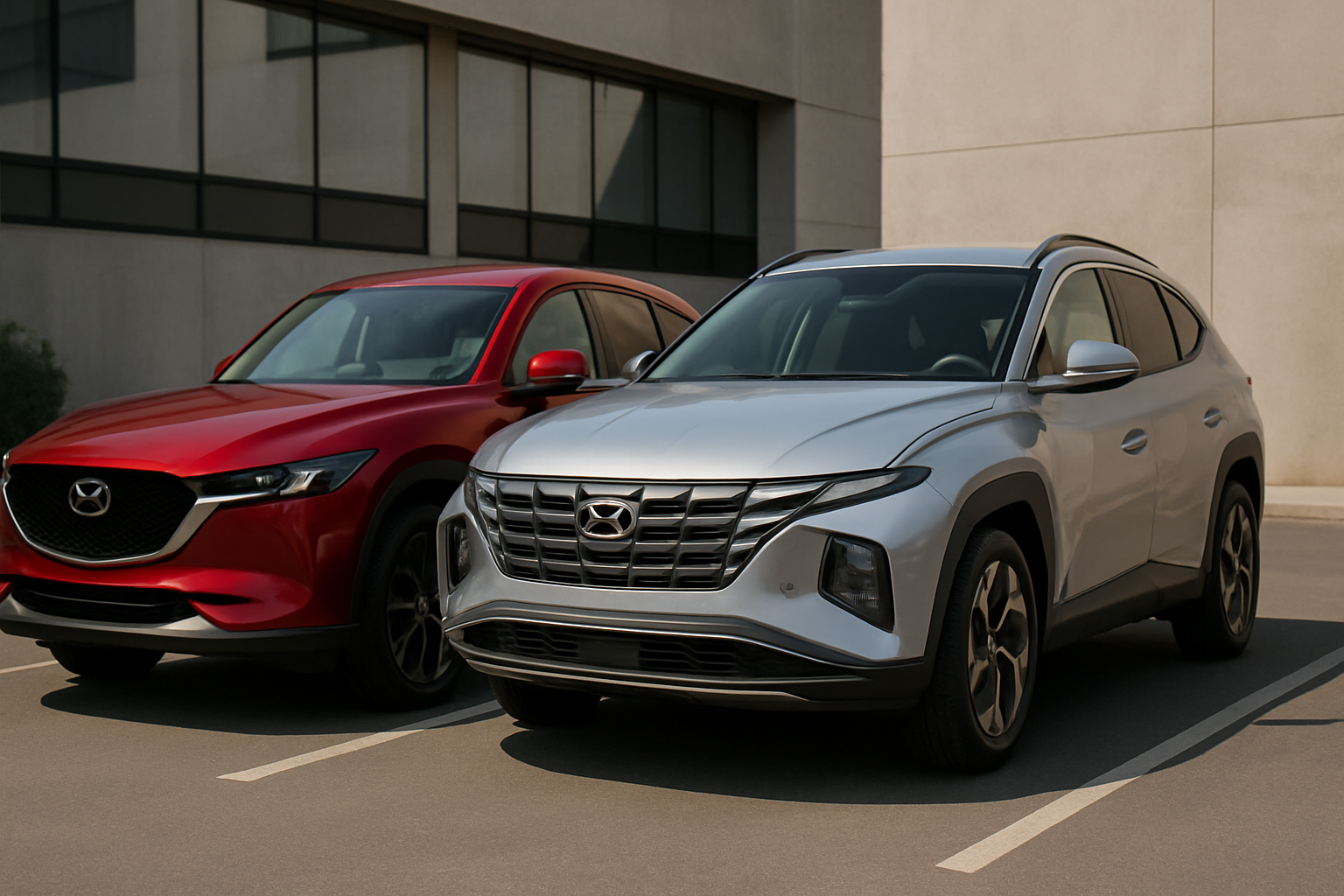
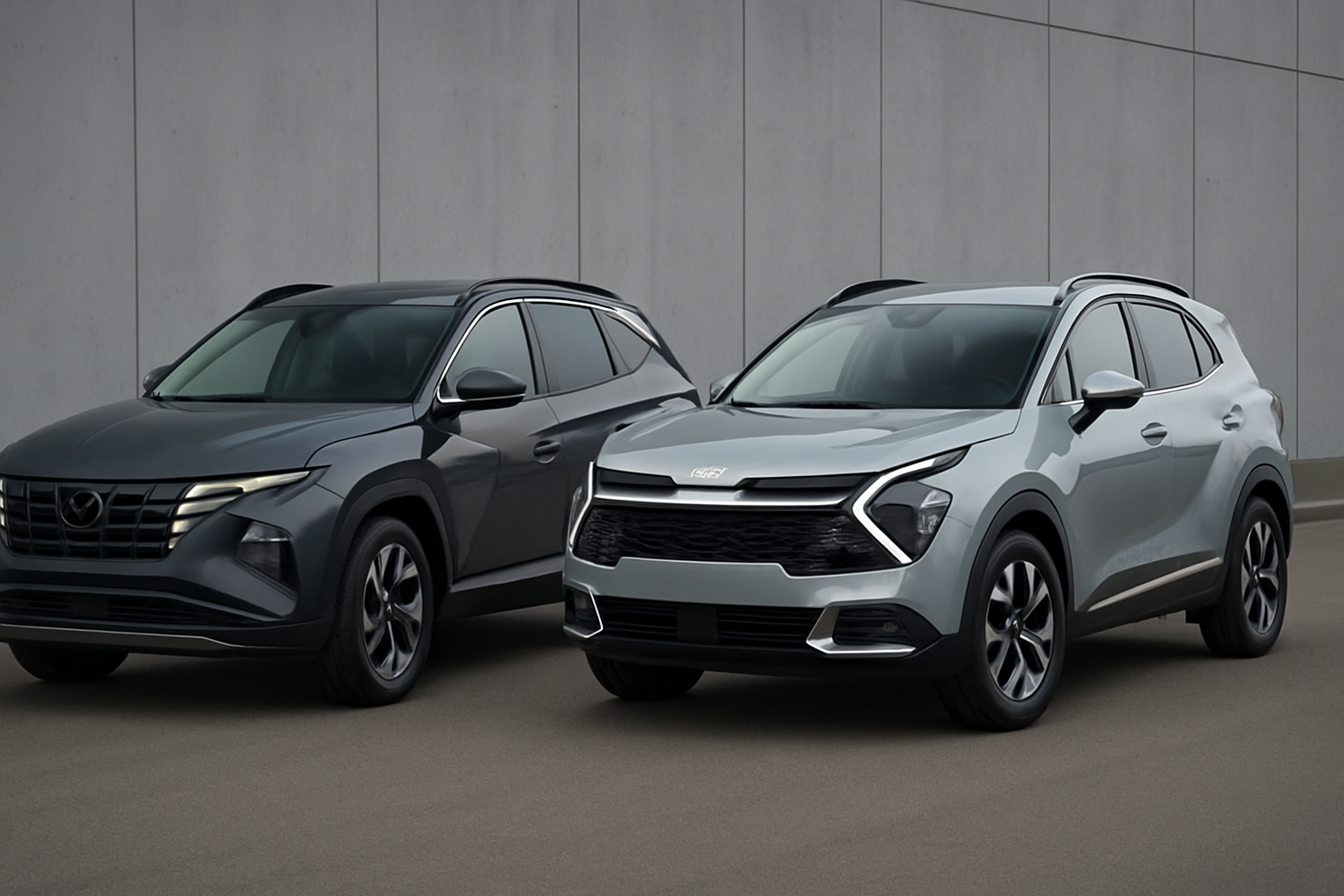
When you’re shopping for a compact SUV, the choice often comes down to two distinct philosophies. The Mazda CX-5 prioritizes driving enjoyment with precise handling and refined dynamics, while the Hyundai Tucson focuses on delivering maximum features and value for your money. Both approaches have their merits, but which one actually drives better depends on what matters most to you behind the wheel.
Driving Dynamics: Where the Real Differences Show
The Mazda CX-5 feels like it was engineered by people who actually enjoy driving. The steering has a natural weight and provides genuine feedback about what the front wheels are doing. When you turn into a corner, the CX-5 responds predictably and stays composed, even when you’re pushing harder than most SUV drivers ever will.
The suspension tuning strikes an impressive balance. It’s firm enough to keep body roll in check during spirited driving, but it doesn’t beat you up over broken pavement. You’ll feel connected to the road without feeling every pebble.
The Hyundai Tucson takes a different approach. The steering is lighter and requires less effort, which many drivers prefer for daily commuting and parking lot maneuvering. However, it doesn’t communicate much about road conditions or tire grip. The suspension prioritizes comfort over sportiness, resulting in more body roll but a softer ride quality.
In terms of pure driving engagement, the CX-5 wins decisively. The Tucson feels more isolated and less involving, though some buyers actually prefer this relaxed character for their daily routine.
Engine Performance and Efficiency
Both vehicles offer naturally aspirated four-cylinder engines as standard, but their personalities differ significantly. The CX-5’s 2.5-liter engine produces 187 horsepower and delivers power smoothly across the rev range. The six-speed automatic transmission shifts predictably and doesn’t hunt for gears during highway merging.
The Tucson’s base 2.5-liter engine makes 191 horsepower, which looks better on paper but doesn’t necessarily feel stronger in practice. The eight-speed automatic has more ratios to work with, but it can feel indecisive at times, especially in stop-and-go traffic.
Where the Tucson gains an advantage is in available powertrains. The turbocharged 1.6-liter four-cylinder option delivers 180 horsepower with better fuel economy than either base engine. The hybrid and plug-in hybrid variants offer even better efficiency for buyers prioritizing fuel costs.
The CX-5 counters with an available turbocharged 2.5-liter engine that produces 250 horsepower on premium fuel. This engine transforms the CX-5’s character, providing genuine acceleration performance while maintaining the refined driving dynamics.
Interior Quality and Design Philosophy
Step inside both vehicles and you’ll immediately notice their different priorities. The CX-5’s cabin feels more upscale than its price point suggests. The materials have a premium texture, the controls operate with satisfying precision, and the overall design feels cohesive and mature.
The dashboard layout puts essential controls within easy reach. The infotainment screen sits high enough that you don’t have to look down significantly, and the physical knobs for climate control remain intuitive even after years of touchscreen proliferation.
The Tucson’s interior impresses with its modern styling and generous use of soft-touch materials. The design feels more contemporary than the Mazda’s conservative approach, with interesting textures and bold shapes throughout the cabin.
However, some interior elements feel less substantial than the CX-5’s components. The climate control has been moved to the touchscreen in many trim levels, which slows down simple adjustments. The overall quality is good but doesn’t quite match the Mazda’s attention to detail.
Technology and Infotainment Systems
This category highlights the fundamental difference between these two vehicles. The CX-5’s infotainment system prioritizes simplicity and ease of use. The 10.25-inch screen responds quickly to inputs, and the physical control knob lets you navigate menus without taking your eyes off the road.
Apple CarPlay and Android Auto integration works seamlessly, though the system lacks some advanced connectivity features found in competitors. The Bose audio system in higher trims delivers impressive sound quality for the price point.
The Tucson counters with a more feature-rich approach. The 12.3-inch touchscreen offers split-screen functionality, and the system includes more connected services and over-the-air update capability. The interface looks more modern but can feel overwhelming during your first few weeks of ownership.
Advanced features like wireless phone charging, multiple USB ports, and rear-seat entertainment options give the Tucson a clear advantage for tech-focused buyers. The available premium audio system also delivers excellent performance.
Safety and Driver Assistance
Both vehicles come standard with comprehensive safety suites, but their execution differs. The CX-5’s i-Activsense system includes adaptive cruise control, automatic emergency braking, blind spot monitoring, and lane keeping assist. The systems work effectively without being intrusive.
The adaptive cruise control maintains smooth following distances and doesn’t brake too aggressively when traffic slows. The lane keeping assist provides gentle corrections rather than sharp interventions that fight your steering inputs.
The Tucson’s SmartSense safety suite offers similar features with some additional options like highway driving assist and safe exit warning. The systems tend to be more aggressive in their interventions, which some drivers find reassuring while others consider it annoying.
The forward collision avoidance system is particularly sensitive and may brake for situations that don’t require intervention. Most of these behaviors can be adjusted through the vehicle settings, but the default calibration errs on the side of caution.
Value Proposition and Ownership Costs
The Tucson typically offers more equipment for the money. Base models include features that cost extra on the CX-5, and higher trim levels pack in technology and convenience items that aren’t available on the Mazda at any price.
Hyundai’s 10-year, 100,000-mile powertrain warranty provides additional value and peace of mind for long-term ownership. The comprehensive coverage can save thousands in repair costs if major components fail after the standard warranty expires.
The CX-5’s value proposition focuses on quality rather than quantity. The materials and build quality justify the slightly higher price, and Mazda’s reputation for reliability suggests lower long-term ownership costs despite the shorter warranty coverage.
Fuel economy favors the Tucson, especially with the available efficient powertrains. The hybrid models can achieve over 35 mpg in combined driving, while the CX-5 tops out around 28 mpg with the base engine.
Real-World Driving Experience
During daily commuting, the differences between these vehicles become clear. The CX-5 feels more engaging during your morning drive, with responsive steering and confident handling that makes even mundane trips more enjoyable. The refined road manners reduce driver fatigue on longer journeys.
The Tucson prioritizes comfort and convenience over engagement. The softer suspension soaks up road imperfections well, and the abundance of technology features keeps passengers entertained. For families prioritizing practicality over driving dynamics, this approach makes more sense.
Highway driving reveals the CX-5’s superior refinement. Wind noise stays well-controlled at speed, and the suspension maintains composure over varied road surfaces. The Tucson can feel less settled at highway speeds, with more wind noise entering the cabin.
In parking lots and tight spaces, the Tucson’s lighter steering and better visibility give it an advantage. The 360-degree camera system (when equipped) makes maneuvering easier than relying on the CX-5’s simpler backup camera setup.
Which One Should You Choose?
Your decision comes down to priorities. If you value driving dynamics, interior refinement, and long-term build quality, the CX-5 delivers a more premium experience despite its higher price. The superior handling and more engaging character make every drive more enjoyable.
Choose the Tucson if you prioritize features, technology, and value for money. The longer warranty, better fuel economy options, and extensive equipment list provide tangible benefits that many buyers will appreciate more than subtle improvements in driving dynamics.
For buyers who rarely drive spiritedly and spend most of their time in urban traffic, the Tucson’s comfort-oriented setup and feature richness offer better daily usability. The CX-5 rewards drivers who appreciate precise handling and premium materials even during routine errands.
Frequently Asked Questions
Which vehicle has better reliability?
Both vehicles have strong reliability records, but Mazda consistently ranks higher in long-term reliability studies. However, Hyundai’s 10-year warranty provides better protection against potential issues, making this category roughly equivalent for practical purposes.
Is the CX-5’s driving advantage worth the extra cost?
This depends entirely on how much you value driving dynamics. If you enjoy the driving experience and plan to keep the vehicle for many years, the CX-5’s superior refinement justifies the premium. For buyers focused purely on transportation utility, the Tucson’s value proposition is stronger.
Which vehicle handles winter driving better?
Both offer capable all-wheel-drive systems, but the CX-5’s more precise handling and better traction management give it a slight advantage in challenging conditions. The Tucson’s higher ground clearance helps in deep snow, but the CX-5 feels more predictable on slippery surfaces.
How do cargo space and practicality compare?
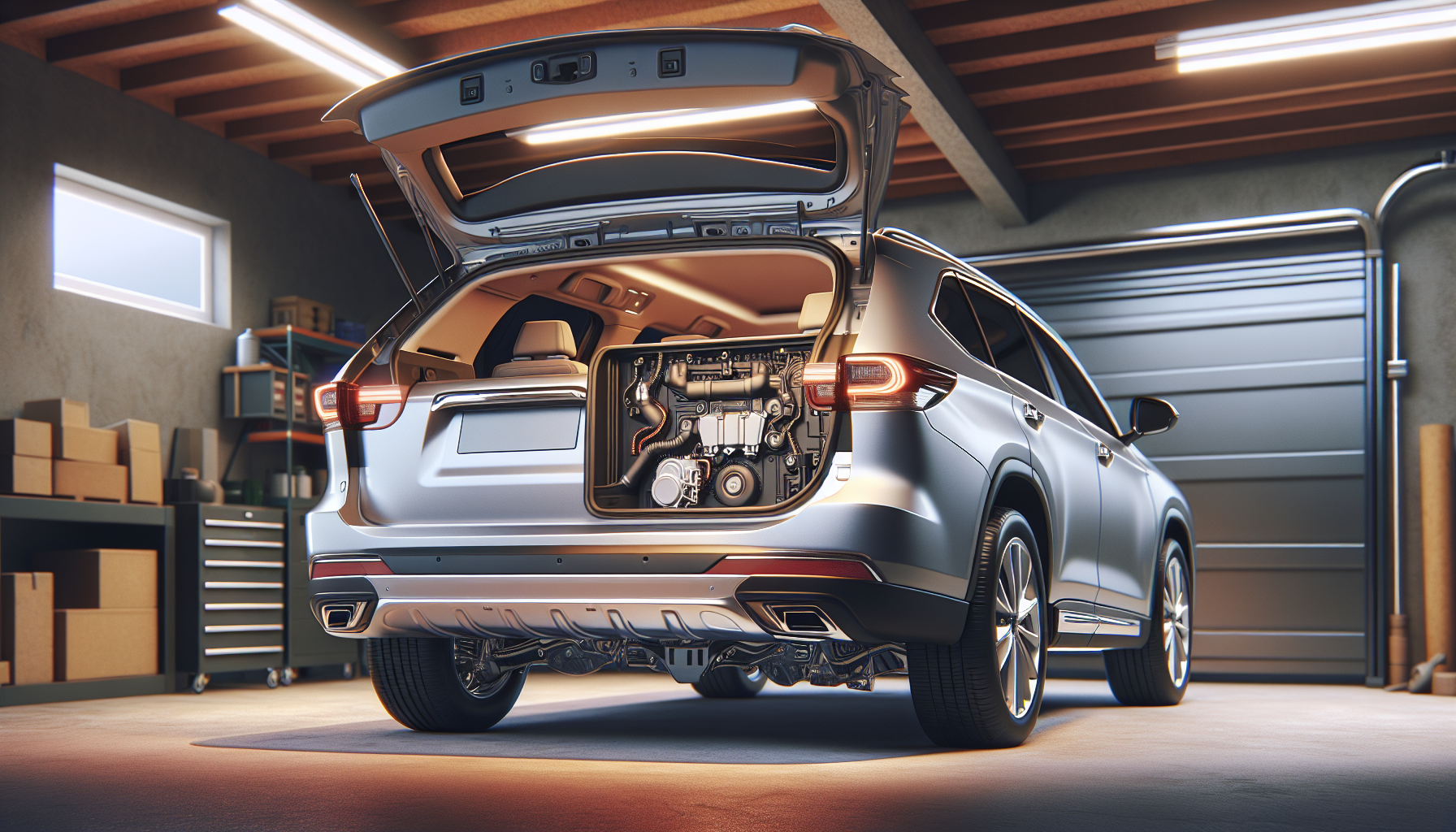
The Tucson offers more cargo space and rear-seat room, making it better for families or buyers who frequently carry large items. The CX-5’s cargo area is adequate but smaller, and rear-seat space can feel tight for taller passengers. Both vehicles offer similar ease of loading and practical storage solutions.
This article contains affiliate links. If you purchase through these links, we may earn a small commission at no extra cost to you.
Leave a Reply