

Winter weather can slash your electric car’s range by 20-40%, leaving you anxiously watching the battery meter on cold commutes. Cold temperatures affect battery chemistry, while heating systems drain power faster than you’d expect.
Why Winter Hits Electric Cars So Hard
Your EV’s lithium-ion battery pack operates best between 60-80°F. When temperatures drop below 32°F, the chemical reactions inside slow down significantly. This reduces available capacity and power output by up to 30% in extreme cold.
The cabin heating system compounds this problem. Unlike gas cars that use waste heat from the engine, electric vehicles must generate heat using battery power. Running the heater at full blast can consume 3-5 kW of power continuously, which seriously impacts your range.
Cold weather also increases rolling resistance as tire pressure drops and lubricants thicken throughout the drivetrain. Even small efficiency losses add up over long winter drives.
Preconditioning: Your Most Powerful Winter Tool
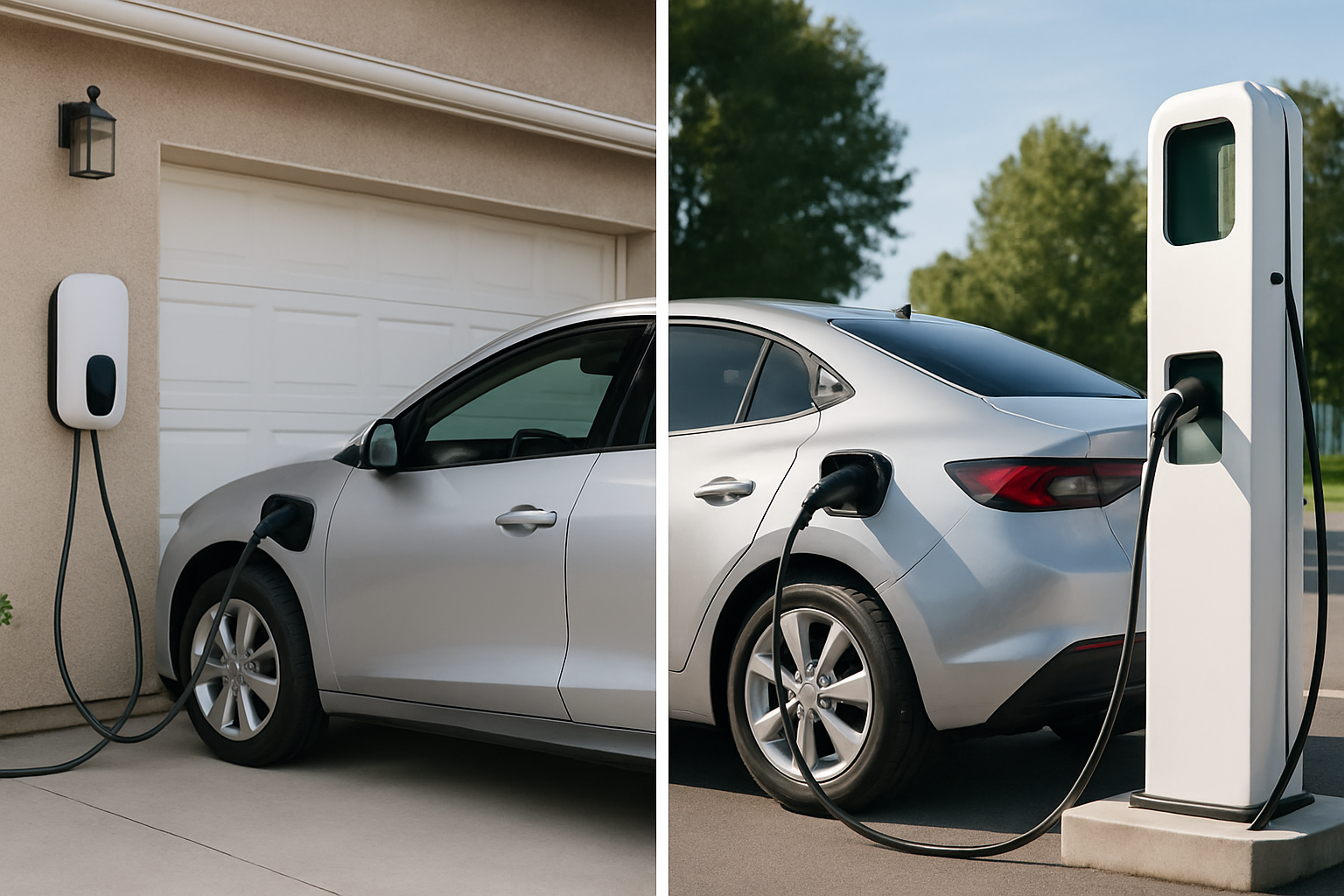
Preconditioning while plugged in delivers the biggest range improvement you can get. This process warms both the battery pack and cabin using grid power instead of draining your battery.
Set your departure time in your car’s app or infotainment system 30-60 minutes before leaving. The car will automatically start warming up, bringing the battery to optimal temperature and heating the interior. You’ll start your trip with 100% battery and a toasty cabin.
Most EVs let you schedule multiple departure times for weekdays and weekends. Take advantage of this feature for your regular commute. Some vehicles even learn your patterns and suggest preconditioning times automatically.
If your car doesn’t have scheduled preconditioning, manually start the climate control through the mobile app while still plugged in. Even 15-20 minutes of preheating makes a noticeable difference in available range.
Use Seat and Steering Wheel Heaters Instead of Cabin Heat
Heated seats and steering wheels use only 50-100 watts each, compared to 3,000-5,000 watts for the main cabin heater. This simple switch can extend your range by 15-20% on cold days.
Turn on seat heaters for all occupied positions and drop the cabin temperature to 65-68°F instead of your normal 72-75°F setting. You’ll stay comfortable while using dramatically less power. Many drivers find heated seats actually more comfortable than warm air blowing around the cabin.
If your EV has a heated steering wheel, use it every time temperatures drop below 50°F. Cold steering wheels force you to run cabin heat higher to keep your hands comfortable. The heated wheel solves this with minimal power consumption.
Dress slightly warmer than usual and rely on contact heating from seats and wheel rather than heating the entire air volume inside the car.
Smart Speed and Driving Techniques
Highway speeds kill electric range in winter more than summer. Air resistance increases exponentially with speed, and cold air is denser than warm air. Dropping from 75 mph to 65 mph can improve winter range by 10-15%.
Use Eco mode if your car has it. This setting limits power output and optimizes heating system operation for maximum efficiency. Some vehicles have specific winter or range modes that further extend driving distance.
Plan routes that avoid highway driving when possible. City driving with lower speeds and regenerative braking opportunities helps maximize range. Traffic jams actually help EVs since they use almost no power while stopped.
Accelerate gently and anticipate stops to maximize regenerative braking. Cold batteries can’t accept as much regenerative power, but every bit helps. Some cars display real-time efficiency meters to help you optimize your driving style.
Tire Pressure and Winter Maintenance
Check tire pressure weekly in winter. Cold air contracts, dropping tire pressure by 1-2 PSI for every 10°F temperature decrease. Underinflated tires increase rolling resistance and reduce range by 3-5%.
Inflate tires to the upper end of the manufacturer’s recommended range during winter months. You’ll find the correct pressure on a sticker inside the driver’s door frame. Many EVs have tire pressure monitoring systems that alert you to low pressure.
Consider winter tires if you live in areas with snow and ice. While they may slightly reduce efficiency compared to low-rolling-resistance summer tires, the safety benefits outweigh the small range penalty. Better traction also lets you use regenerative braking more effectively.
Keep your car clean, especially the undercarriage. Road salt and slush create drag and add weight. A clean car is a more efficient car.
Parking and Charging Strategies
Park indoors whenever possible. Garages, even unheated ones, are typically 10-20°F warmer than outside air. This reduces the energy needed to warm the battery and cabin before driving.
If you must park outside, face your car away from prevailing winds when possible. This reduces heat loss and makes preconditioning more effective. Some EV owners use car covers to provide extra insulation overnight.
Charge immediately after driving when the battery is still warm. Warm batteries accept charge more efficiently and put less stress on the charging system. Cold batteries charge slowly and may limit charging speed to prevent damage.
Keep your battery charge between 20-80% during winter storage periods. Don’t let it sit at very low or very high charge states for extended periods in cold weather.
Plan Your Routes and Charging Stops
Use your car’s built-in navigation system for longer trips. Most EVs factor in current weather conditions, climate control usage, and traffic when calculating range. The built-in system knows your car’s actual energy consumption better than phone apps.
Build in extra charging buffer for winter trips. Plan to arrive at destinations with 20-30% charge remaining instead of your usual 10-15%. Cold weather can affect fast-charging speeds, so allow extra time at charging stops.
Download backup charging apps like PlugShare, ChargePoint, or Electrify America. Winter storms can knock out some charging stations, and you’ll want alternatives mapped out ahead of time.
Consider carrying emergency supplies including blankets, water, and snacks. While modern EVs are reliable, winter driving always carries extra risks regardless of your power source.
Advanced Winter Range Tips
Remove unnecessary weight from your car. Every 100 pounds costs about 1-2% efficiency. Clear out that trunk full of summer gear you’ve been meaning to store in the garage.
Use recirculate mode once the cabin reaches your target temperature. This reduces the load on the heating system by reheating interior air instead of constantly warming cold outside air.
Some EVs have battery thermal management systems you can activate manually. Check your owner’s manual for cold weather modes or battery heating functions. These prepare the battery for optimal performance and charging.
Consider a windshield sunshade or thermal cover for overnight parking. This reduces heat loss through the large glass surface and makes morning preconditioning more effective.
Frequently Asked Questions
How much range will I really lose in winter?
Expect 20-30% range reduction in typical winter conditions (20-32°F). Extreme cold below 0°F can reduce range by 40% or more. Preconditioning and efficient heating use can minimize these losses to 15-20%.
Will winter driving damage my EV’s battery?
Cold weather won’t permanently damage your battery, but it does create additional stress. Avoid charging to 100% regularly in very cold weather, and try to keep the battery from dropping below 20% when temperatures are extreme.
Should I warm up my electric car before driving?
Only if you’re plugged in. Preconditioning while connected to a charger warms the car using grid power. Warming up on battery power alone wastes the energy you’re trying to conserve for driving.
Do electric cars work in snow and ice?
EVs actually handle well in snow due to their low center of gravity and instant torque control. Many have excellent traction control systems. The main challenge is reduced range, not drivability. Winter tires make a huge difference for safety and efficiency.

Leave a Reply