
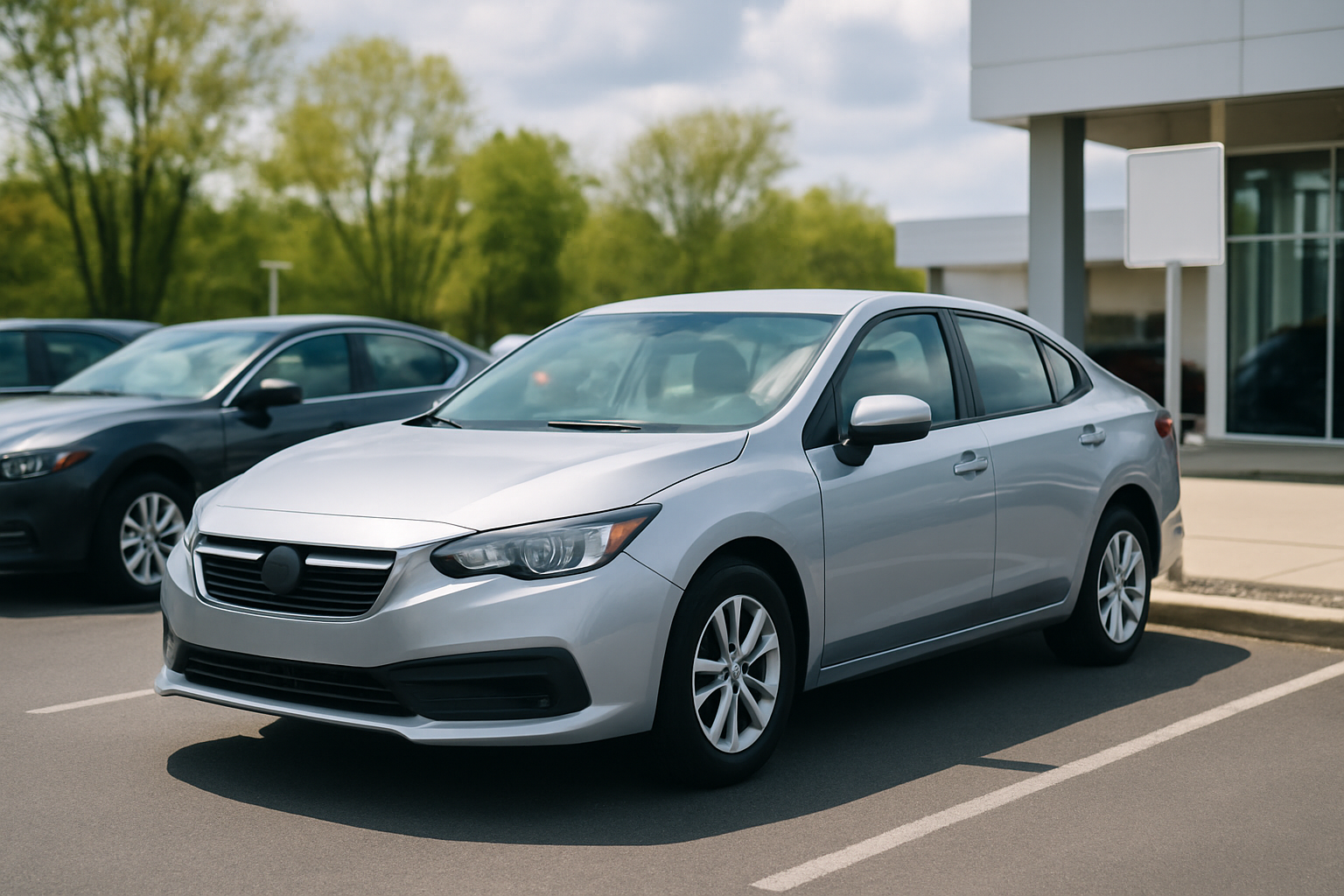
If you drive less than 10,000 miles per year, you’re part of a growing group of drivers who might be leaving money on the table with traditional car financing. Low-mileage drivers face a unique decision when it comes to getting behind the wheel of a new vehicle, and the math works differently than it does for high-mileage commuters.
Understanding Your Low-Mileage Advantage
When you drive fewer than 10,000 miles annually, you’re in a sweet spot that most lease agreements accommodate perfectly. Standard lease contracts typically allow 10,000, 12,000, or 15,000 miles per year, with 12,000 being the most common.
Your lower mileage means you won’t face those painful overage charges that can run $0.15 to $0.30 per mile. More importantly, you’re preserving the vehicle’s residual value, which becomes crucial whether you lease or buy.
This usage pattern changes the entire financial equation. While someone driving 20,000 miles per year might find buying more economical due to lease restrictions, your situation opens up different possibilities.
The Leasing Advantage for Low-Mileage Drivers
Lower Monthly Payments
Leasing typically offers monthly payments 20-40% lower than financing a purchase. You’re essentially paying for the vehicle’s depreciation during your lease term, not the entire purchase price.
For a $30,000 vehicle with a 60% residual value after three years, you’d pay for roughly $12,000 in depreciation plus interest, rather than the full $30,000 purchase price. This difference becomes substantial when you’re managing monthly budgets.
Residual Value Protection
Your low mileage helps maintain the vehicle’s residual value, which benefits you directly in a lease. The leasing company assumes the depreciation risk, and if the car holds its value better than expected due to your gentle usage, you don’t pay extra for that benefit.
This protection becomes valuable in volatile used car markets. During the recent market fluctuations, many lease returns were worth more than their contracted residual values, but lessees weren’t penalized for this miscalculation.
Warranty Coverage Throughout
Most three-year leases keep you under full factory warranty coverage. You won’t face unexpected repair bills for covered components, and even wear items are often addressed under warranty during the lease term.
This coverage eliminates the maintenance cost variables that make buying calculations more complex. Your transportation costs become more predictable.
When Buying Makes More Sense
Long-Term Ownership Plans
If you plan to keep a vehicle for 8-10 years, buying usually wins the total cost comparison. Your low mileage means the vehicle will likely remain reliable well beyond typical lease terms.
Cars driven only 8,000-10,000 miles annually can easily last 150,000+ miles over 15-20 years. This longevity tilts the math toward ownership, especially if you’re comfortable with older technology and can handle maintenance costs.
Modification Freedom
Ownership gives you complete freedom to modify your vehicle. Whether you want to add aftermarket wheels, tinting, or performance modifications, buying eliminates the restrictions that lease agreements impose.
Lease agreements typically require returning the vehicle in original condition, with only minor wear accepted. Any modifications must be reversed before return, often at significant cost.
Five-Year Total Cost Analysis
Let’s examine real numbers using a popular midsize sedan with a $32,000 MSRP.
Leasing Scenario
Two consecutive three-year leases (six years total) with 10,000-mile annual allowances:
First lease: $350/month × 36 months = $12,600, plus $2,000 down payment
Second lease: $380/month × 36 months = $13,680, plus $2,000 down payment
Total six-year cost: $30,280
Buying Scenario
Purchase with 60-month financing at 4.5% APR:
Monthly payment: $596 × 60 months = $35,760
Less vehicle value after five years: Approximately $14,000
Net five-year cost: $21,760
However, add maintenance costs years 4-5 (estimated $1,500), and buying costs roughly $23,260 over five years compared to leasing’s $26,280 (pro-rated for five years).
The Real Comparison
This analysis shows buying saving approximately $3,000 over five years, but leasing provides newer technology, full warranty coverage, and predictable costs. The financial gap narrows considerably when you factor in the convenience and risk reduction.
Special Considerations for Low-Mileage Drivers
Low-Mileage Lease Incentives
Some manufacturers offer specific incentives for 7,500 or 10,000-mile lease terms. These reduced-mileage agreements often feature lower monthly payments since you’re preserving more residual value.
Honda, Toyota, and Lexus frequently promote low-mileage lease specials, particularly on luxury models where high residual values make these programs profitable.
Battery Considerations in Electric Vehicles
Your low mileage significantly impacts electric vehicle decisions. EV batteries typically warranty for 8 years/100,000 miles, meaning your usage pattern keeps you well within warranty coverage whether you lease or buy.
However, EV technology evolves rapidly. Leasing lets you upgrade to improved battery technology every few years without worrying about obsolescence affecting resale value.
Insurance Implications
Lease agreements require comprehensive and collision coverage, often with lower deductibles than you might choose as an owner. This requirement can increase insurance costs $200-500 annually compared to owning an older vehicle with liability-only coverage.
Your low mileage might qualify you for low-mileage discounts with many insurers, helping offset these higher coverage requirements.
Making Your Decision
Choose Leasing If:
You value having the latest technology and safety features. Modern infotainment systems, driver assistance features, and connectivity options improve significantly every few model years.
You prefer predictable transportation costs without surprise repair bills. Leasing eliminates most maintenance uncertainties beyond routine service.
You like driving newer vehicles but don’t want the commitment of ownership. Your low mileage means you’ll never approach lease mileage limits.
Choose Buying If:
You plan to keep vehicles long-term and don’t mind driving older technology. Your gentle usage means the vehicle will likely remain reliable for many years.
You want to build equity in your transportation investment. Ownership eventually eliminates monthly payments entirely.
You prefer the freedom to modify your vehicle or aren’t concerned about driving the latest model.
Maximizing Your Low-Mileage Advantage
Regardless of your choice, your low mileage provides negotiating leverage. When leasing, emphasize your mileage history to potentially secure better terms or reduced security deposits.
When buying, your low mileage means excellent trade-in values when you’re ready to upgrade. Document your mileage patterns to demonstrate the vehicle’s gentle usage to future buyers or dealers.
Consider certified pre-owned vehicles as a middle ground. Your low mileage means a 2-3 year old vehicle could serve you well for many years while avoiding the steepest depreciation.
Frequently Asked Questions
Can I negotiate a lower mileage allowance for a better lease deal?
Yes, many dealers will reduce monthly payments if you accept a 7,500-mile annual limit instead of 10,000 miles. The savings typically range from $15-30 per month, but make sure you’re comfortable with the lower allowance.
What happens if I drive even less than expected during my lease?
You don’t get refunded for unused miles, but you’ve preserved extra residual value. This can work in your favor if you decide to purchase the vehicle at lease end, as you’ll likely pay below market value.
Should I consider buying a used car instead of leasing new?
Used car purchases can offer excellent value for low-mileage drivers. A 2-3 year old vehicle has absorbed major depreciation but still offers modern features and reliability. Your gentle usage could make this option last 10+ years.
How does gap insurance work differently for low-mileage drivers?
Gap insurance becomes less critical as your lease progresses because your low mileage helps maintain the vehicle’s value closer to the lease payoff amount. However, most lease agreements include gap coverage automatically.
This article contains affiliate links. If you purchase through these links, we may earn a small commission at no extra cost to you.

Leave a Reply