
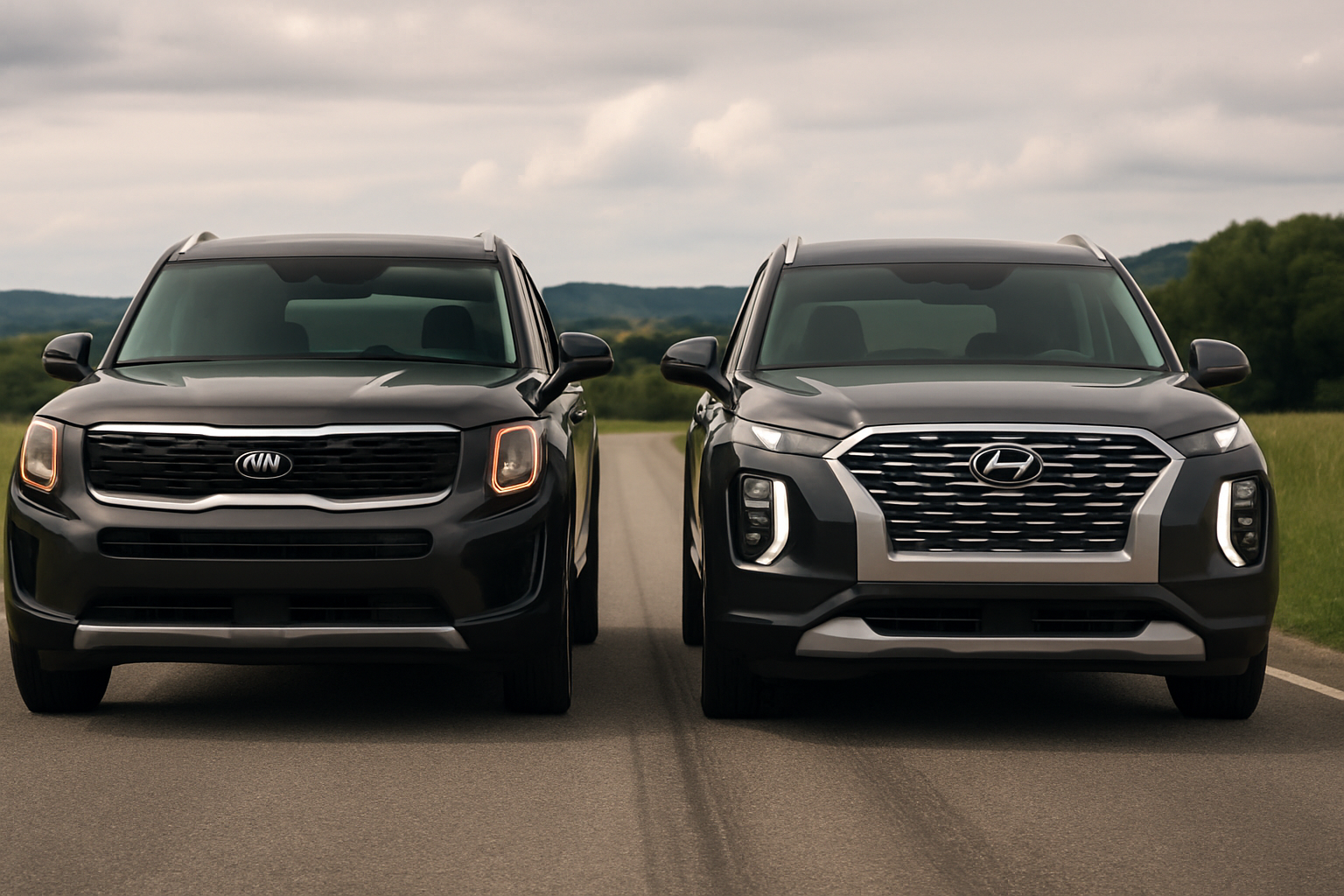
The Kia Telluride and Hyundai Palisade often get lumped together as “sister cars,” but calling them the same vehicle oversimplifies their relationship. While these three-row SUVs share DNA under the skin, each has developed its own personality that appeals to different buyers.
Built on the Same Foundation
Both SUVs ride on Hyundai Motor Group’s N3 platform, which means they share the same 114.2-inch wheelbase and overall structural bones. You’ll find the identical 3.8-liter naturally aspirated V6 engine under both hoods, producing 291 horsepower and 262 lb-ft of torque through an 8-speed automatic transmission.
The mechanical similarities run deeper than just the powertrain. Both vehicles use the same suspension components, brake systems, and available HTRAC all-wheel-drive setup. Even their towing capacities match at 5,000 pounds when properly equipped.
This shared platform approach isn’t uncommon in the automotive world. Manufacturers use it to spread development costs across multiple models while giving each brand’s designers room to create distinct identities.
Where They Start to Diverge
Step inside either SUV and you’ll immediately notice the philosophical differences between Kia and Hyundai’s design teams. The Telluride embraces a more rugged, outdoorsy aesthetic with its upright dashboard, prominent climate control knobs, and squared-off design elements.
The Palisade takes a luxury-first approach with flowing lines, a more horizontal dashboard layout, and premium materials that feel borrowed from Genesis models. Hyundai positioned this as their flagship SUV, and the interior reflects those aspirations.
Seating configurations differ slightly between models. The Telluride offers an available second-row bench seat that increases total capacity to eight passengers, while the Palisade focuses on seven- and eight-passenger layouts with different captain’s chair arrangements.
Technology and Feature Battles
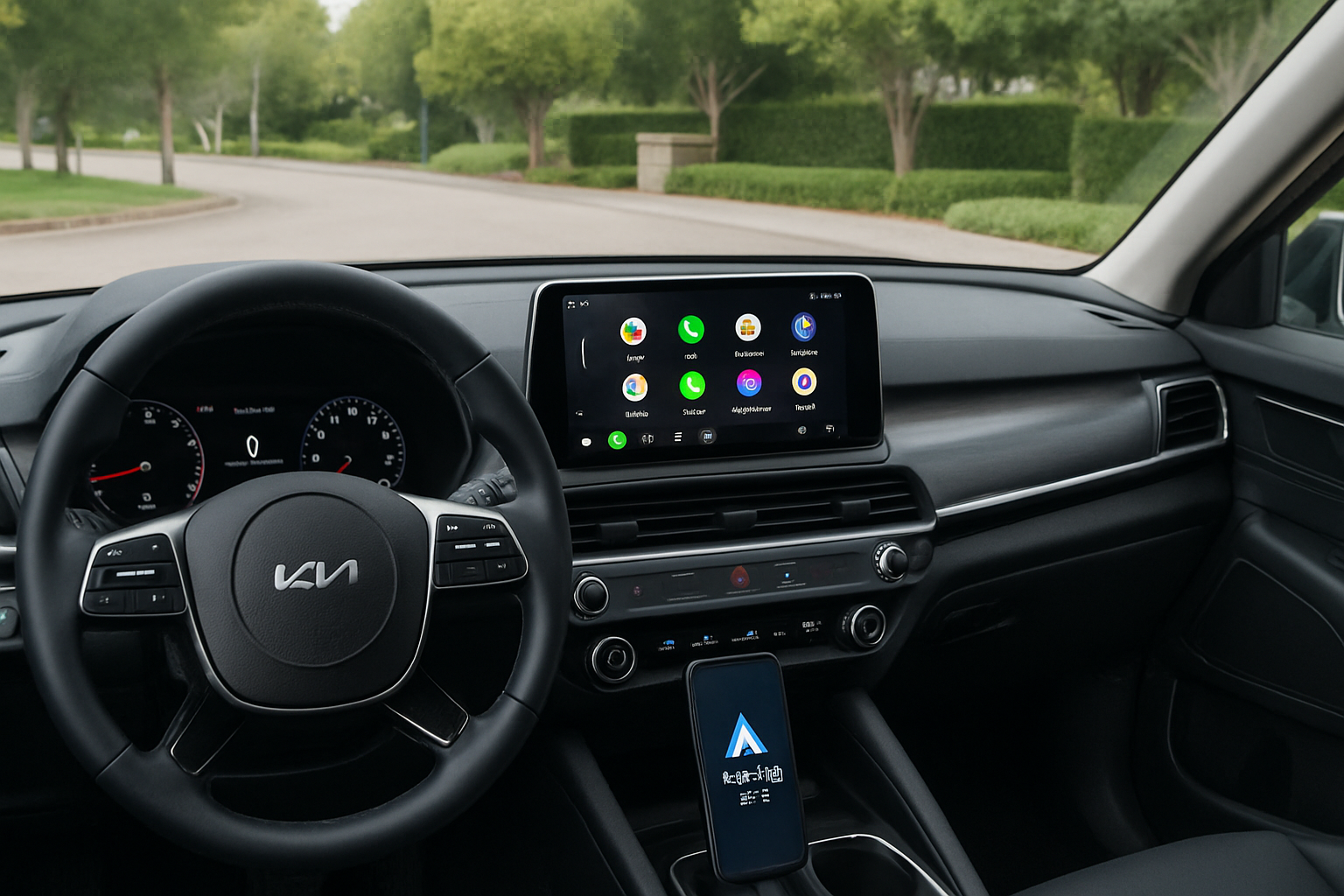
Both SUVs come loaded with tech, but they prioritize different areas. The Telluride’s infotainment system feels more intuitive for daily use, with larger physical buttons for climate control and a logical menu structure on its 8-inch or available 10.25-inch touchscreen.
Hyundai counters with more standard advanced safety features across Palisade trim levels. Features like blind-spot monitoring with rear cross-traffic alert and safe exit assist come standard, while Kia reserves some of these for higher trim levels.
The Palisade also includes Hyundai’s Blue Link connected services with more comprehensive remote features, including remote start, vehicle status monitoring, and stolen vehicle recovery. Kia’s UVO system offers similar functionality but with fewer standard features in base trims.
Exterior Design Philosophy
You’ll never mistake one for the other on the road. The Telluride’s design language draws inspiration from rugged SUVs with its boxy proportions, prominent wheel arches, and vertical LED running lights that give it an unmistakably tough appearance.
Hyundai went the opposite direction with the Palisade’s flowing lines, chrome-heavy front grille, and more car-like proportions. The LED headlight design is more integrated and sophisticated, while the overall profile suggests luxury over utility.
Both approaches work well for their intended audiences. The Telluride appeals to buyers who want their SUV to look the part, while the Palisade attracts those seeking a more refined, upscale appearance.
Pricing and Value Comparison
This is where things get interesting for budget-conscious buyers. The 2024 Kia Telluride starts at around $36,190 for the base LX trim, while the Hyundai Palisade SE begins at approximately $36,950. The difference seems minimal until you dig into standard equipment lists.
Kia typically packs more standard features into their base trim levels. The Telluride LX includes 18-inch alloy wheels, LED headlights, and an 8-inch touchscreen with wireless Apple CarPlay and Android Auto. The Palisade SE matches most of these features but requires step-up trims for some convenience items.
At the top end, both SUVs push well into the $50,000 range when fully loaded. The Telluride SX Turbo (when available) and Palisade Calligraphy represent the pinnacle of each brand’s three-row offerings, with premium leather, advanced safety tech, and luxury amenities throughout.
Real-World Driving Differences
Despite sharing the same engine and transmission, these SUVs feel different on the road. The Telluride’s suspension tuning prioritizes comfort over sportiness, with softer damping that soaks up road imperfections well but allows more body roll in corners.
The Palisade strikes a slightly firmer balance that provides better handling response while maintaining reasonable ride comfort. Neither vehicle will be mistaken for a sports car, but the Palisade feels more composed during highway merging and winding road scenarios.
Both SUVs deliver similar fuel economy figures, with FWD models achieving around 20 mpg city and 26-27 mpg highway. AWD versions drop these numbers by 1-2 mpg across the board, which is typical for this class.
Reliability and Warranty Considerations
Here’s where Kia pulls ahead significantly. Their industry-leading 10-year, 100,000-mile powertrain warranty provides peace of mind that Hyundai’s 10-year, 100,000-mile coverage matches, but Kia’s overall reputation for reliability has improved dramatically in recent years.
Both vehicles benefit from shared components and manufacturing processes, so major mechanical differences are unlikely. However, Kia’s warranty coverage includes roadside assistance and rental car reimbursement programs that add real value for owners.
Initial quality reports from J.D. Power and Consumer Reports show both vehicles performing well, with most issues centered around infotainment glitches rather than mechanical problems.
Which One Should You Choose?
The decision often comes down to personal priorities and aesthetic preferences. Choose the Telluride if you want maximum value for your dollar, prefer a more rugged appearance, and prioritize user-friendly technology interfaces.
The Palisade makes more sense if you’re drawn to its upscale interior materials, prefer more sophisticated styling, and want the prestige of owning what Hyundai positions as their flagship SUV.
Both vehicles excel in their primary mission of moving families comfortably and safely. The shared platform ensures you’re getting proven mechanicals either way, while the different approaches to styling and features let you pick the personality that matches your preferences.
Frequently Asked Questions
Do the Telluride and Palisade use the same parts for maintenance?
Many maintenance items are identical, including engine oil filters, air filters, and brake components. However, some trim-specific parts like body panels, interior components, and certain electrical items are unique to each model. Always verify part numbers with your dealer or mechanic.
Which vehicle holds its value better?
Currently, the Kia Telluride shows stronger resale value retention, partly due to higher demand and lower initial production numbers. However, both vehicles are relatively new to the market, making long-term predictions difficult. Kia’s improved brand reputation and warranty coverage may help maintain stronger resale values.
Can I get the same features in both vehicles?
While feature overlap is significant, each vehicle offers some unique items. The Telluride’s available rear-seat entertainment system and specific trim combinations aren’t available in the Palisade. Conversely, the Palisade offers some luxury touches and advanced driver assistance features that the Telluride doesn’t match exactly.
Are there significant differences in cargo space?
Cargo capacities are nearly identical due to the shared platform. The Telluride offers 21 cubic feet behind the third row and 87 cubic feet with all rear seats folded. The Palisade provides 18.1 cubic feet and 86.4 cubic feet respectively. The differences come down to interior packaging and measurement methods rather than meaningful practical variations.
Leave a Reply