
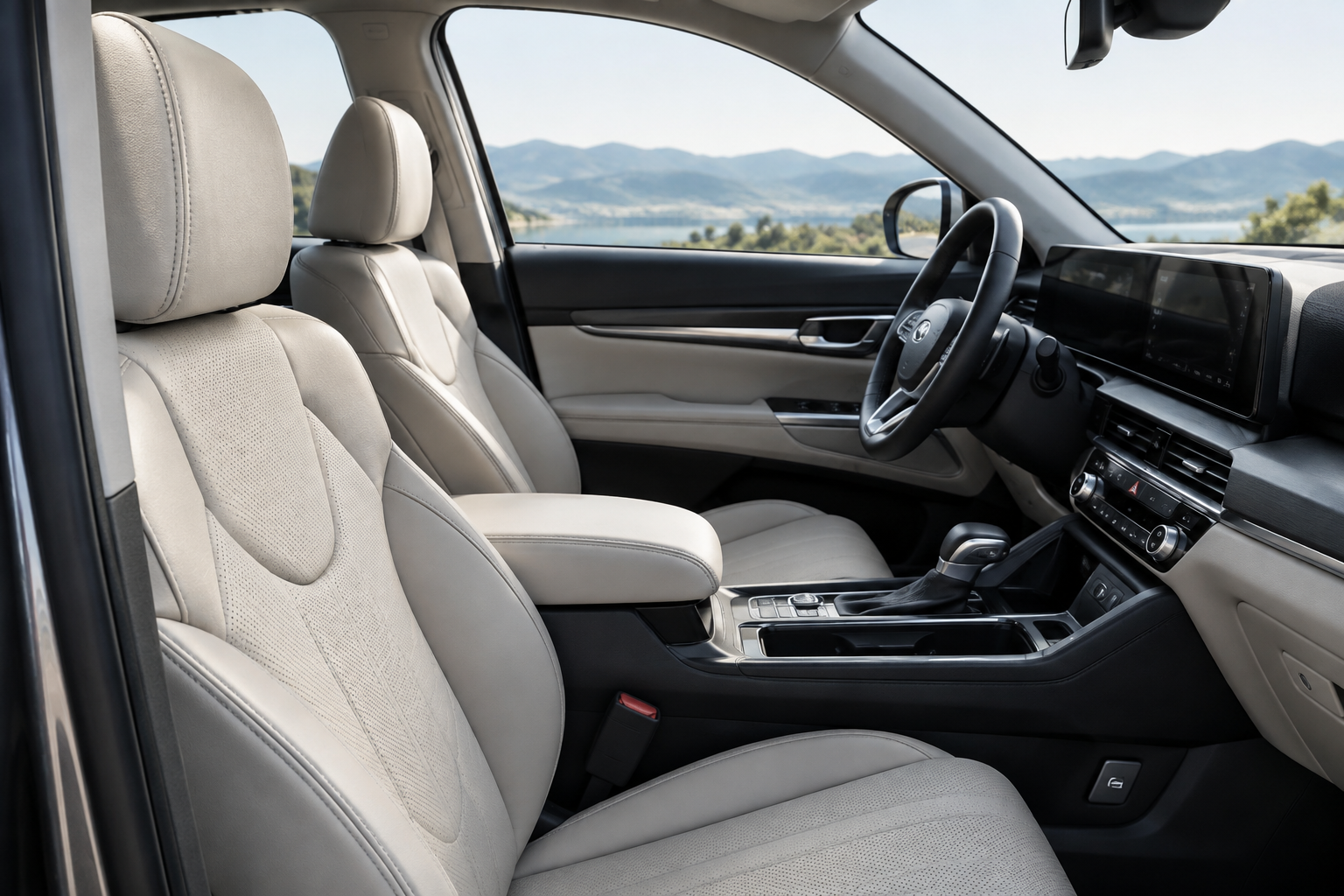
You climb into your Telluride, press the memory button, and instead of gliding into your saved position, the seat either doesn’t move at all or stops somewhere that feels off. Maybe it worked fine last week. Maybe your spouse drove it once and now your setting is gone for good. This is one of the most common complaints Telluride owners bring up, and it’s usually not a broken seat motor.
Most memory seat issues on the Telluride come down to how the save sequence was performed, which key or profile is currently active, or a setting like Easy Entry/Exit overriding your position. Before you assume you need a new seat module, it helps to walk through how Kia’s system is actually supposed to work.
How the Memory Seat System Actually Works
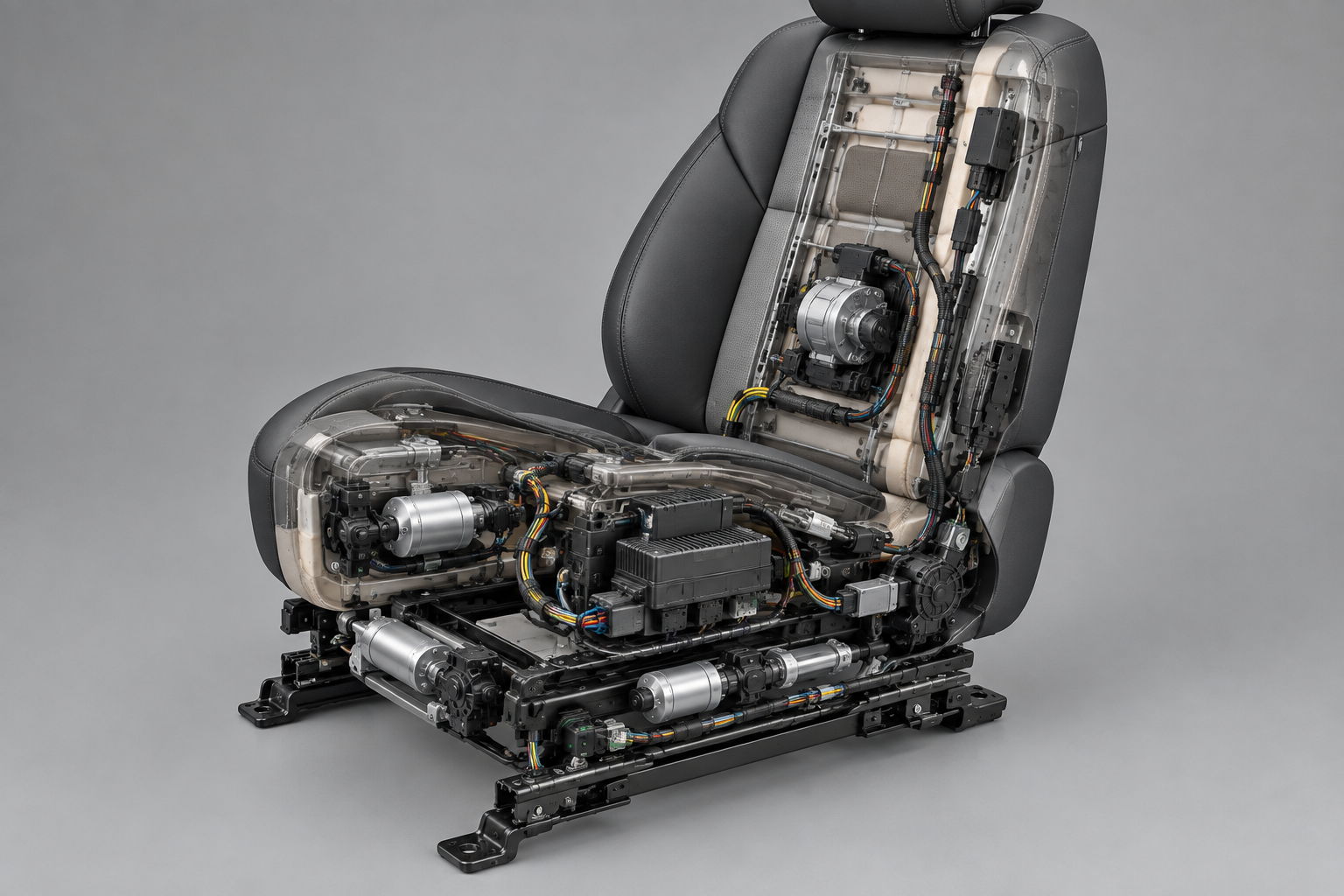
The Telluride’s driver memory seat isn’t a single button you set once and forget. It’s tied to a profile system that links seat position, mirror angles, and sometimes steering wheel position (on trims with power tilt/telescoping) to a specific smart key or driver profile number. If you’re not saving the position correctly, or a different key is in use, the seat won’t behave the way you expect.
The Correct Save Sequence
On most Telluride trims with memory seats (typically SX and SX Prestige, depending on model year), the process looks like this:
- Adjust the seat, mirrors, and steering wheel to your preferred position with the vehicle in Park.
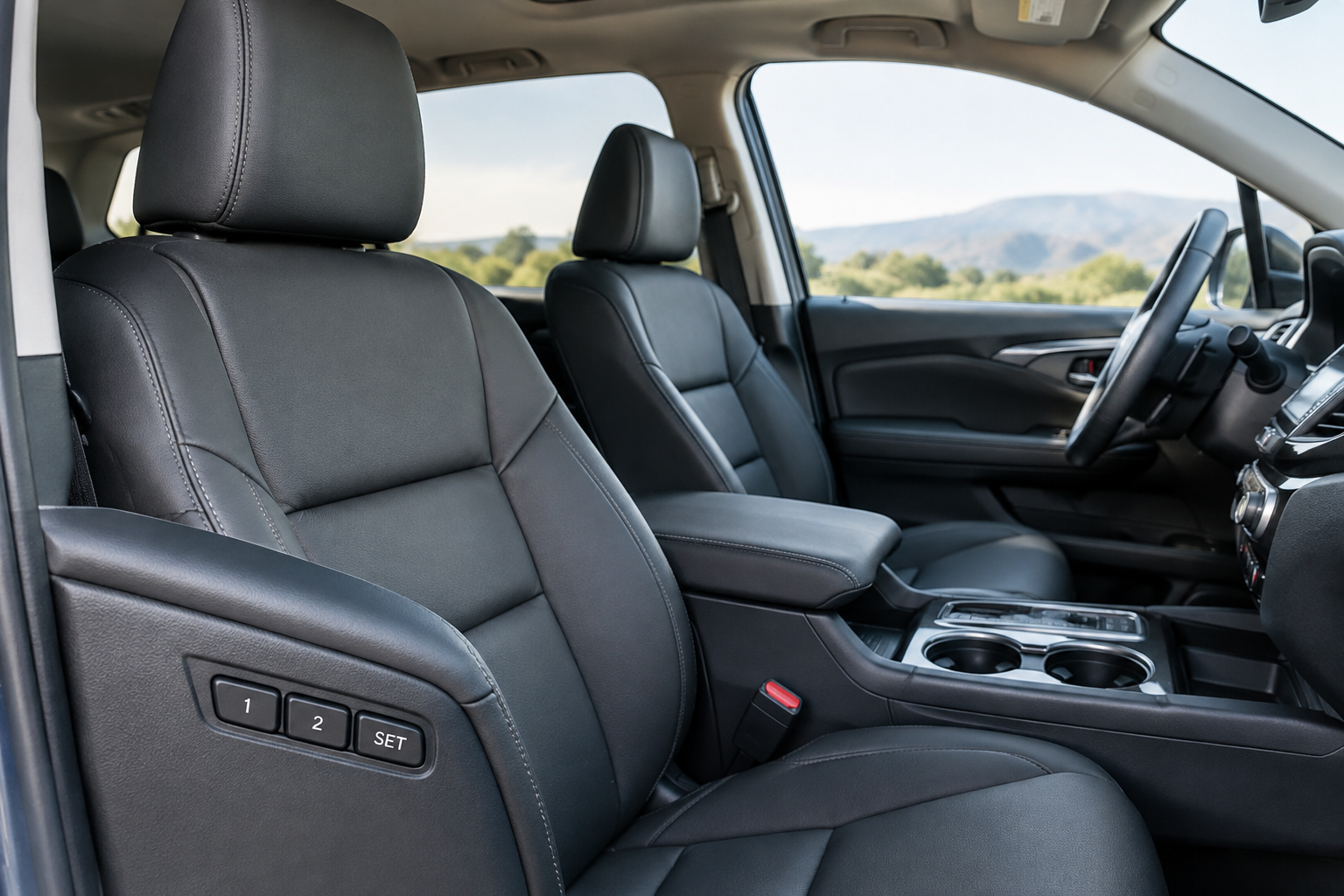
- Press and hold the “SET” button on the memory seat control panel (usually located on the door panel near the seat switches).
- While still holding SET, press one of the numbered memory buttons (1 or 2) within a few seconds.
- Release both buttons once you hear a chime or see a confirmation on the display.
If you let go of SET before pressing the number button, or you press them too far apart, the save doesn’t register. This is the number one reason drivers think their memory seat is “broken” when it’s really just an incomplete save.
Key and Profile Association
Here’s where things get confusing for a lot of owners. The Telluride’s memory system ties saved positions to the smart key being used, not just the number button. If two people share a key fob, or if a valet key or spare key gets used, the vehicle may not recognize which profile should load.
On newer model years with the larger touchscreen and driver profile menus, you can also link a profile to a specific key through the settings menu. If that pairing gets reset or overwritten, buttons 1 and 2 might start pulling from a default position instead of your saved one. It’s worth checking Settings > Vehicle > Driver Profiles (wording varies by model year) to confirm your key is actually linked to the profile you think it is.
Easy Entry/Exit and Position Limits
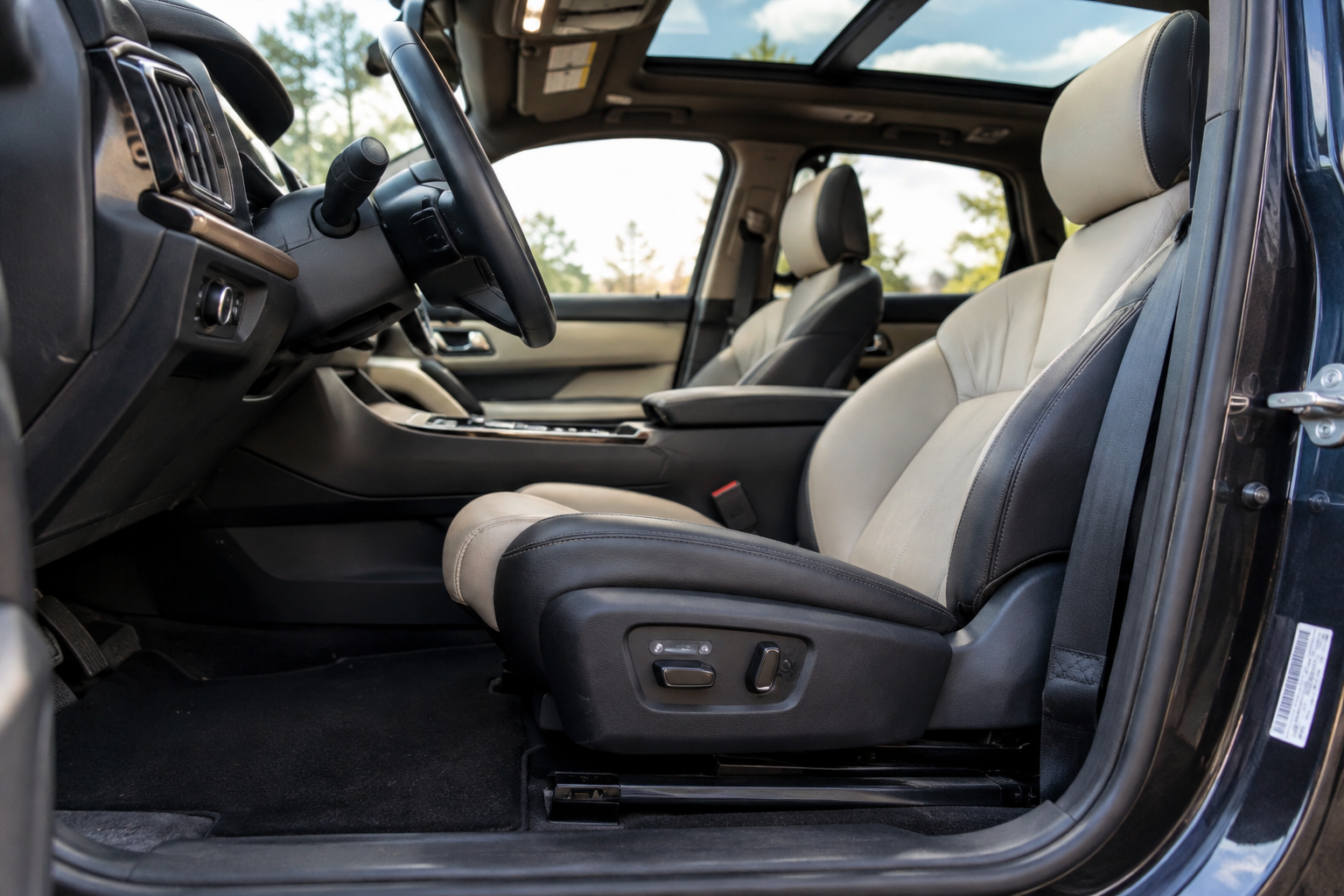
If your seat moves back and down every time you shut the car off, then returns to a completely different spot when you start it again, that’s not a memory failure. That’s Easy Entry/Exit doing exactly what it’s designed to do.
This feature automatically slides the seat back and lowers it slightly when you put the vehicle in Park and remove the key, then returns it to the saved memory position when you start the car and buckle your seatbelt. If the seat seems to “jump” to a different spot than expected, check whether Easy Entry/Exit is enabled or disabled in your settings, since it can be toggled independently of the memory function.
Some drivers also run into an issue where the seat won’t fully return because it’s hitting a mechanical limit, like a seat cushion that’s worn unevenly or an obstruction under the track. If the seat groans or stalls partway through its return, that’s a mechanical problem, not a software one.
Battery Disconnects and Reinitialization
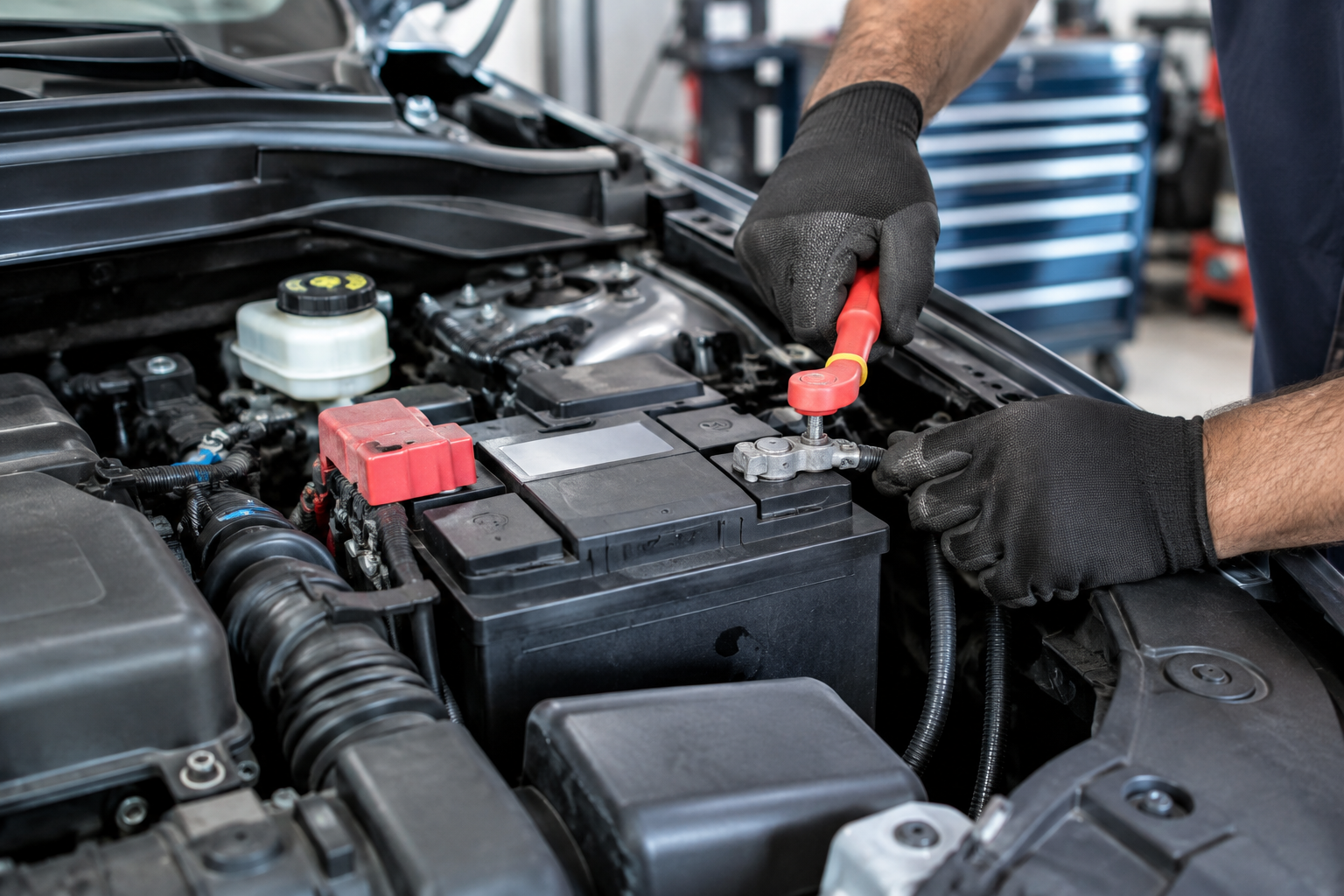
If you’ve recently had the 12V battery disconnected, jumped, or replaced, your memory seat settings may have been wiped entirely. This is common after dealership service, aftermarket accessory installs, or even a dead battery over a cold winter.
In most cases, you’ll simply need to re-save your position using the sequence above. Occasionally the seat module also needs to relearn its physical travel limits after a power loss. If the seat moves unevenly, stops short, or makes grinding noises after a battery reconnect, cycling the seat fully forward and fully backward a couple of times can help it reinitialize its position sensors.
If you’re dealing with other electrical quirks after a battery disconnect, like a driver attention system acting up, it’s worth checking our guide on how to turn off the driver attention warning on Kia Telluride, since some of these systems reset together.
When It’s a Real Hardware Problem
Setup issues explain most complaints, but not all of them. If you’ve confirmed the correct save sequence, checked key pairing, and ruled out Easy Entry/Exit, a few signs point to an actual hardware fault:
- The seat moves in one direction only, or not at all in specific axes (forward/back works, but up/down doesn’t).
- You hear a motor running but the seat doesn’t move, suggesting a stripped gear or worn track.
- The memory buttons don’t respond at all, even after a fresh save attempt, which can point to a failed seat control module.
- The seat position “drifts” over time even without touching the buttons, which often means a failing position sensor.
In these cases, a diagnostic scan at a Kia dealer or independent shop can pull codes from the seat control module. If you’re comfortable doing some troubleshooting yourself, an OBD2 scanner that reads body control modules, not just the engine, is worth having in the glovebox.
OBD2 Scanner for Body Control Module Codes
A solid diagnostic tool for pulling seat and module-related codes beyond just check-engine issues.
If you suspect the seat switch itself is worn out (a common failure point after years of use), replacement switches are widely available and relatively simple to swap for anyone comfortable removing a door panel.
Kia Telluride Memory Seat Switch
A direct-fit option worth checking if your memory buttons feel unresponsive or sticky.
FAQ
Does every Telluride trim have memory seats?
No. Memory seat function is typically limited to higher trims like the SX and SX Prestige. Base LX and S trims generally use manual or basic power seats without memory presets, so if your buttons don’t match what’s described here, your trim may simply not include the feature.
Why does the seat change when someone else drives with my key?
If your household shares one or two smart keys rather than each person having their own, the vehicle can’t always tell who’s driving. Memory settings are tied to the key and profile number, so if someone else adjusts the seat manually while using your key, it can overwrite your saved position unless they re-save it under a different memory button.
Leave a Reply