
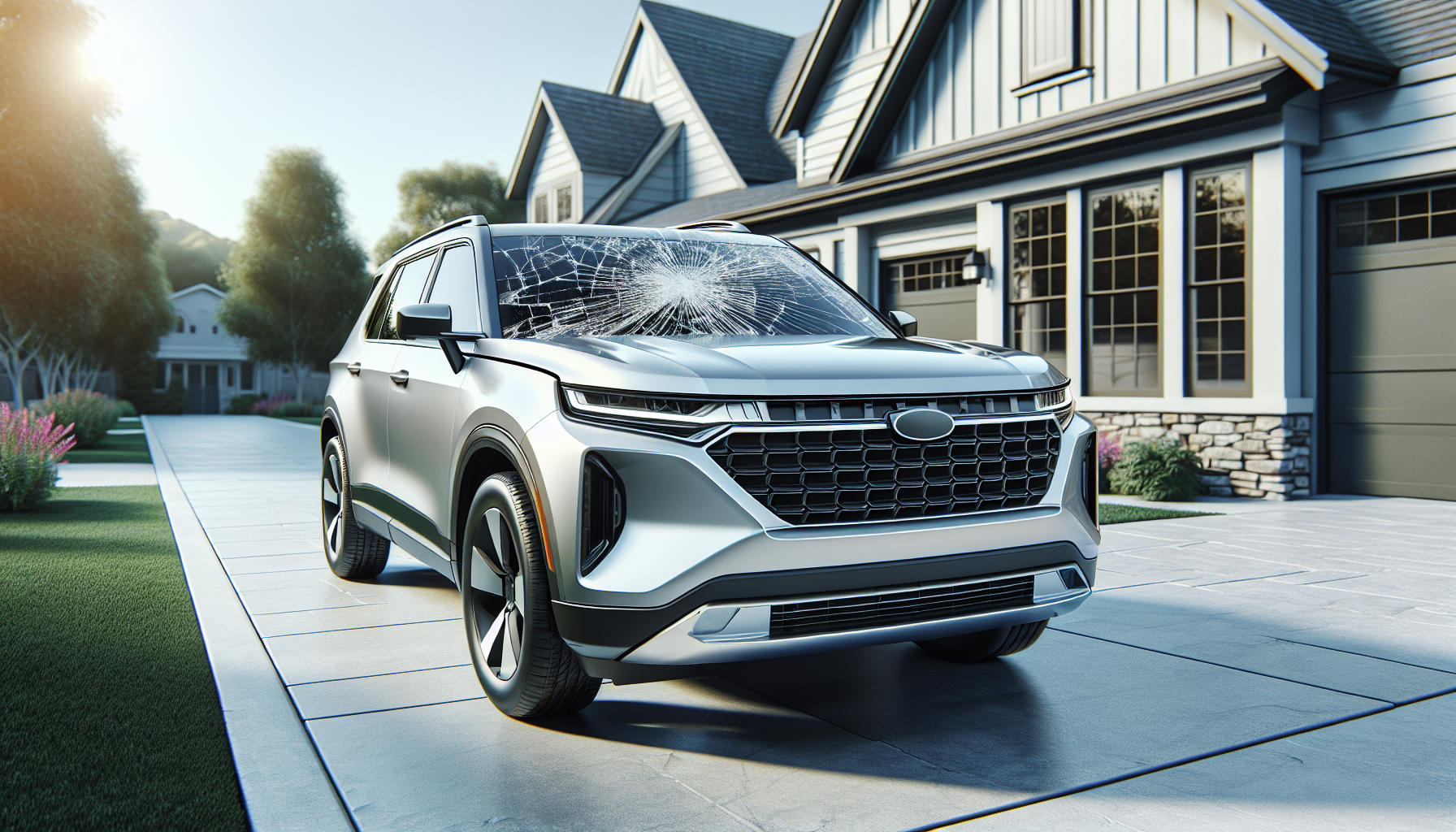
If you own a Kia Sportage, particularly models from 2017 to 2022, you might have noticed something frustrating: your windshield cracks far too easily. We’re not talking about getting nailed by a rock on the highway. These cracks seem to appear out of nowhere, sometimes starting at the edges or spreading from what looks like minor stress points. You’re not imagining it, and you’re definitely not alone.
This has been a documented issue across multiple Sportage generations, with owners reporting spontaneous cracks, stress fractures near the windshield edges, and chips that spread impossibly fast. Some dealerships have replaced windshields under warranty, only to have the new glass crack within months. So what’s actually causing this, and what can you do about it?
Common Causes
The excessive cracking issue in Kia Sportages stems from several factors, some related to design and others to manufacturing quality.
Windshield adhesive and installation issues top the list. Many affected Sportages have windshields that weren’t bonded properly during manufacturing. The adhesive might be applied unevenly or cured incorrectly, creating stress points where the glass flexes more than it should. When your car’s frame flexes during normal driving, that extra movement transfers directly to the glass.
The windshield frame design itself creates problems too. Fourth-generation Sportages have a relatively shallow windshield angle and a frame that can flex more than older models. This isn’t necessarily poor engineering for most conditions, but it means the glass experiences more stress during temperature changes and when driving over rough roads.
Glass quality variability is another culprit. Not all replacement windshields are created equal, and even OEM glass can vary depending on which supplier Kia used during a particular production run. Some batches simply had thinner glass or inconsistent tempering that makes them more susceptible to cracking.
Temperature stress plays a bigger role than you might think. Park your Sportage in direct sun on a hot day, then blast the AC on the windshield. That rapid temperature differential can cause micro-fractures to expand, especially if the glass already has weak points from manufacturing or installation issues.
Body flex and chassis movement matter too. If you’ve added roof racks, a sunroof deflector, or even just regularly drive on rough roads, the added stress on the A-pillars transfers to the windshield edges. Over time, this can initiate cracks that spread surprisingly fast.
How to Diagnose the Problem
Before you assume you need a new windshield, take some time to understand what you’re dealing with.
Start by examining where the crack originated. Get down at eye level with the windshield, both inside and out. Check the edges where the glass meets the frame, particularly at the top corners near the A-pillars. Cracks that start here almost always indicate frame flex or adhesive failure rather than impact damage.
Look for signs of poor installation. Run your finger along the inside edge of the windshield trim. Does the glass sit flush, or are there gaps? Can you see adhesive squeezed out unevenly in some spots? These are red flags that the windshield wasn’t installed correctly.
Check your window tint if you have any. Aftermarket tint applied incorrectly can actually contribute to stress cracks by creating uneven heating patterns across the glass. If you notice the crack runs along or near where the tint meets the edge trim, this could be a factor.
Press gently on the windshield from inside the car while someone watches from outside. Don’t push hard, just firm pressure. If they can see the glass flexing noticeably or separating slightly from the trim, your adhesive has failed or was never applied correctly.
Document everything with photos. If this is happening under warranty or you’re considering filing a complaint with Kia, you’ll want clear pictures showing where the crack started, the condition of the trim, and any visible installation defects.
How to Fix It
Let’s be direct: if your windshield has already cracked, your DIY options are limited. But there are steps you can take depending on the situation.
For small chips or cracks under 6 inches that haven’t spread yet, a windshield repair kit can buy you time. These kits use a resin that fills the damaged area and prevents further spreading. They won’t make the damage disappear, but they can stabilize it.
Clean the area thoroughly first. Use glass cleaner and let it dry completely. Follow the kit instructions precisely, especially regarding curing time if it requires UV light. Most kits come with a stabilizing bridge that holds the applicator over the chip while the resin sets.
If the crack has already spread or started at the edge, you need a replacement. Here’s where it gets tricky with Sportages: don’t just go with the cheapest option. Many owners have reported that aftermarket windshields crack even faster than the original. Instead, insist on OEM Kia glass or a premium brand like Pilkington.
When getting a replacement, the installation quality matters more than the glass itself. Find a shop that specializes in windshield installation and specifically ask about their adhesive curing process. The car should sit for at least 24 hours after installation before you drive it. Some shops rush this to get cars out faster, but the adhesive needs time to cure properly.
Ask the installer to use the proper Kia-specified adhesive. There are different grades of urethane adhesive, and using a generic product can recreate the same problems you had before.
After installation, avoid car washes for at least 48 hours. Don’t slam your doors hard for the first few days either. The shock waves can disturb the adhesive before it’s fully cured.
If you’re handy and want to address potential flex issues, you can add small rubber shims between the windshield frame and body at the A-pillar connection points. This requires removing interior trim panels, so only attempt this if you’re comfortable with that level of disassembly. The shims reduce frame flex transfer to the glass.
When to See a Mechanic
Any crack longer than 6 inches needs professional replacement. There’s no DIY fix that will safely address this.
If the crack is in your line of sight while driving, get it replaced immediately regardless of size. This is a safety issue, not just cosmetic.
When cracks appear spontaneously without any impact, especially near the edges, have a body shop inspect your vehicle’s frame alignment. If you’ve been in an accident or regularly drive harsh terrain, the frame might be tweaked just enough to stress the windshield.
Multiple windshields cracking in the same spot indicates a deeper problem. Don’t just keep replacing glass. Insist that a dealership or qualified mechanic inspect the windshield frame, A-pillar alignment, and mounting points.
If your vehicle is still under warranty and the windshield cracks without impact damage, take it to the dealer immediately. Document everything and be persistent. Kia has replaced windshields under warranty for this issue, though they don’t always volunteer to do so.
Estimated Repair Costs
| Repair Type | Cost Range | Notes |
|---|---|---|
| DIY chip repair kit | $10-$25 | Only effective for small chips under 1 inch |
| Professional chip repair | $50-$100 | Often covered by insurance without deductible |
| Aftermarket windshield replacement | $200-$400 | Higher risk of repeat cracking |
| OEM Kia windshield replacement | $400-$700 | Recommended option for known issue vehicles |
| Premium brand windshield (Pilkington, etc.) | $350-$600 | Good middle ground between aftermarket and OEM |
| Mobile installation service | Add $50-$100 | Convenient but ensure proper curing time |
Most comprehensive insurance policies cover windshield replacement with little or no deductible. Check your policy before paying out of pocket. Some states even mandate zero-deductible glass coverage.
Prevention Tips
Once you have a good windshield properly installed, you want to keep it that way.
Park in shade whenever possible, especially during extreme temperature swings. If you must park in direct sun during winter, don’t immediately crank your defroster to maximum when you start the car. Let it warm up gradually to avoid thermal shock.
Same logic applies in summer. Don’t immediately blast cold AC directly at a scorching windshield. Give it a minute to cool down gradually.
Avoid slamming doors. This sounds minor, but the pressure waves from a hard door slam travel through the cabin and stress the windshield at its mounting points. Over thousands of slams, this adds up.
If you drive on gravel roads regularly, increase your following distance significantly. Windshield chips from rock impacts are the most common starting point for cracks, and Sportage glass seems particularly vulnerable to spreading once chipped.
Inspect your windshield regularly, especially around the edges. Catch small chips early and get them repaired before they spread. Check after long road trips or after driving in severe weather.
If you notice the crack starting to spread, cover it with clear packing tape on both sides of the glass temporarily. This won’t stop it completely, but it can slow the spread until you can get it replaced.
Consider a clear protective film for the windshield if you regularly drive in areas with lots of debris. These films won’t prevent stress cracks from poor installation, but they can significantly reduce impact damage from rocks.
Keep your wiper blades in good condition. Worn blades with exposed metal can scratch the glass, creating weak points where cracks can start.
If you’ve had multiple windshields crack in the same vehicle, consider having the frame checked by a body shop that specializes in unibody alignment. Even minor frame distortion from an accident or manufacturing variance can cause repeated windshield failures.
Conclusion
The windshield cracking issue in Kia Sportages isn’t just bad luck. It’s a combination of design factors, variable glass quality, and sometimes poor installation practices. If your Sportage is affected, push back on the dealer if you’re still under warranty. This is a known issue, and Kia should stand behind their product.
When you do replace the windshield, invest in quality glass and a reputable installer who understands the importance of proper adhesive application and curing time. The cheapest option will almost certainly crack again. Sometimes spending an extra couple hundred dollars upfront saves you from dealing with this same frustration six months down the road.

Leave a Reply