
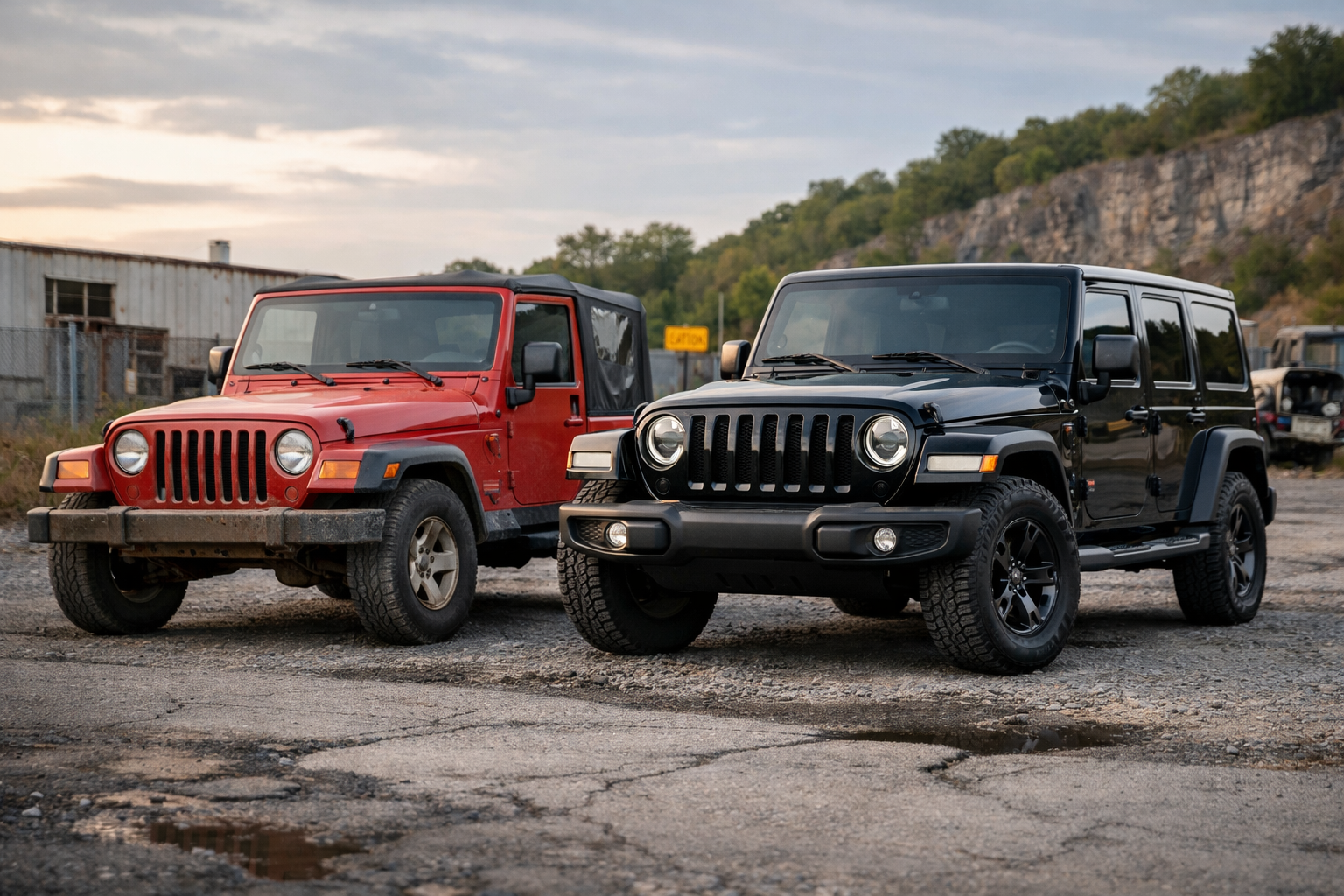
The Jeep Wrangler holds its value better than almost any vehicle on the market, which makes choosing the right model year even more important for used buyers. You’re paying a premium regardless of year, so avoiding known problem years protects a significant investment. Understanding the differences between JK and JL generations, knowing which engine years settled in, and recognizing first-year production risks will help you find a Wrangler that delivers the reliability its price demands.
Wrangler Years to Avoid
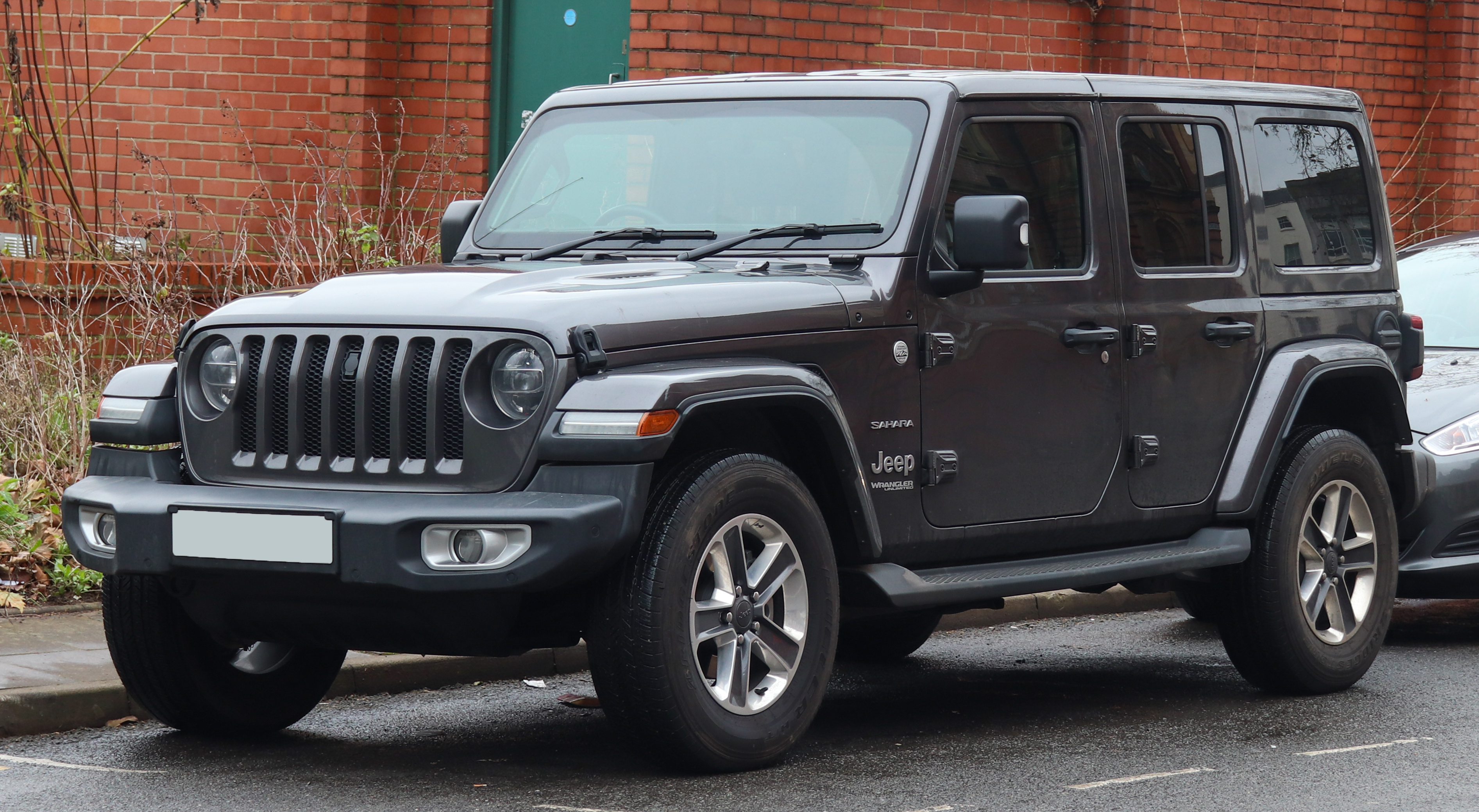
2007 (First-Year JK, Electrical Issues)
The 2007 JK Wrangler was a complete redesign from the TJ, and first-year production brought significant quality issues. The most serious problem was the TIPM (Totally Integrated Power Module), which serves as the electrical brain of the vehicle.
When the TIPM fails, it can cause random no-start conditions, fuel pump relay failures that leave you stranded, phantom warning lights, and windows or locks operating on their own.
The 3.8L V6 (Minivan engine, as many owners derisively call it) was also underpowered for the heavier JK platform. With 202 horsepower moving a 3,800+ pound vehicle, the 3.8L felt strained during highway driving and towing. The engine itself is reliable enough, but the driving experience is notably less satisfying than the 3.6L Pentastar that replaced it.
2012 (3.6 Pentastar Oil Consumption, Head Issues)
The 2012 JK introduced the 3.6L Pentastar V6, which was a massive improvement in power (285 HP vs. 202 HP) but came with first-year casting issues. Some early Pentastar engines had cylinder head casting defects that caused excessive oil consumption and coolant leaks.
The oil consumption could reach a quart every 2,000 to 3,000 miles, and the coolant leaks sometimes required head replacement. Similar to coolant problems in other vehicles, these issues can lead to expensive repairs if not caught early.
Chrysler issued a recall for affected engines, but not all vehicles were identified. When inspecting a 2012 Wrangler, check the oil level carefully, look for coolant residue around the cylinder heads, and verify recall completion through the VIN.
2018 (First-Year JL, Early Production Bugs)
The JL Wrangler launched in late 2017 as a 2018 model with early production quality issues that are typical of a new platform but notable given the Wrangler’s premium pricing. Owners reported frame weld cracks (particularly at the rear of the frame), eStar (automatic start-stop) system failures that required module replacement, and welding slag left inside the frame rails from the manufacturing process.
The frame weld issue was the most concerning. Cracks developed at stress points near the rear suspension mounts, and while Jeep issued repairs, the problem raised questions about manufacturing quality control at the Toledo Assembly Plant during the production ramp-up.
The 2019 and 2020 models resolved these concerns as production processes matured.
Best Wrangler Years to Buy
For the JK (2007-2018): the 2014-2016 model years with the 3.6L Pentastar are the best picks. By 2014, the Pentastar engine’s casting issues were resolved, the TIPM had been redesigned, and the JK platform was fully mature.
These years offer the best combination of reliability, aftermarket support, and value. For the JL (2018+): 2020 and later are well-sorted, with resolved frame weld concerns and refined electronics. The 3.6L Pentastar in these years is proven and reliable.
The 2.0T vs. 3.6L Debate
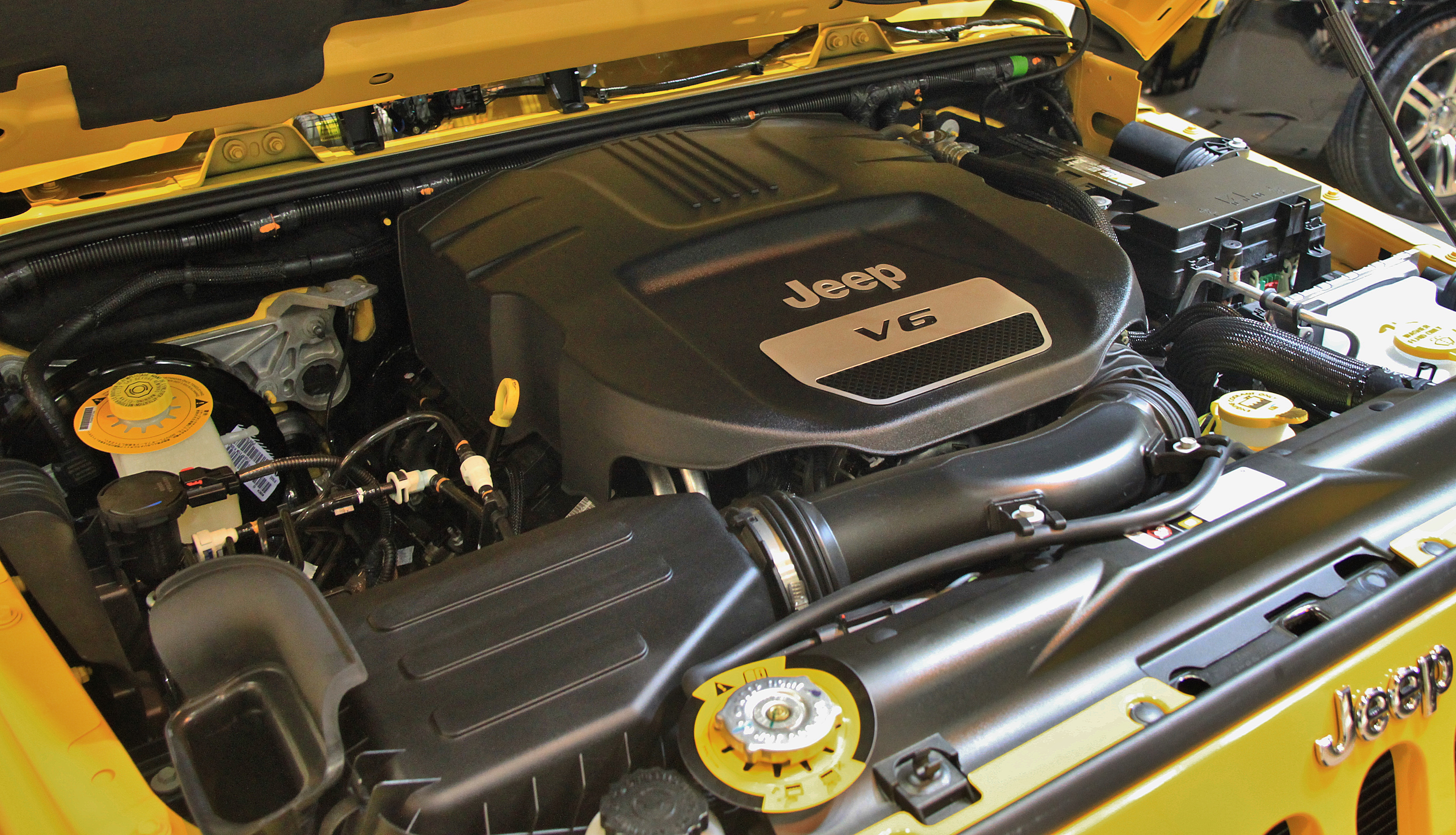
The 2.0L turbocharged four-cylinder (JL only) offers better fuel economy (by 2 to 3 MPG) and a torquier low end that some owners prefer for city driving and trail crawling. The turbo engine is paired with eTorque mild hybrid technology and a standard 8-speed automatic. It’s a newer, less proven powertrain with a more complex design (turbo, intercooler, eTorque system).
The 3.6L Pentastar V6 has a much longer track record and is mechanically simpler. It’s available with both the 8-speed automatic and the 6-speed manual (the turbo is automatic only).
For used buyers who prioritize proven reliability and lower maintenance complexity, the 3.6L in a 2020+ JL is the safest choice.
Use an OBD2 scanner to check for stored codes on any used Wrangler, paying special attention to misfire codes on 2012 models and electrical codes on 2007-2010 models.

OBD2 Scanner for Jeep
Check for electrical and engine codes before buying a used Wrangler
What to Inspect on a Used Wrangler
Inspect the frame carefully for rust, especially on Wranglers from the northeastern U.S. where road salt is heavy. The JK and JL have aluminum body panels that don’t rust, but the steel frame, door hinges, and hardware corrode. Check the frame rails behind the rear axle and around the body mount areas.
Also inspect the underside of door hinges and tailgate hinges, which are common rust spots. This is similar to the frame rust issues that plague certain Toyota Tacoma years, where proper inspection is critical.
For JL models, check the frame welds near the rear suspension mounts. Look for repaired welds (indicated by a different color or smoother appearance compared to factory welds). On 2012 JK models, check for oil consumption and coolant residue as discussed above.
A Jeep Wrangler repair manual can be invaluable for understanding common issues and performing your own maintenance. Before buying, you should also know what to look for during a used car test drive and how to read a vehicle history report to spot potential problems.

Jeep Wrangler Repair Manual
Essential reference for DIY maintenance and understanding common JK and JL issues
Frequently Asked Questions
Is the JK or JL a better used buy?
The JL is more refined, more capable off-road (improved axle articulation and approach angles), and has a significantly better interior. JKs are less expensive on the used market and have the largest aftermarket parts catalog of any vehicle in existence.
For daily driving comfort, the JL is the clear winner. For a dedicated trail rig on a budget, a well-sorted 2014-2016 JK is hard to beat. If you’re considering the newer Wrangler versus the Ford Bronco, both offer excellent capability, but the Wrangler has a proven track record and better aftermarket support.
Do Wranglers rust badly?
The aluminum body panels don’t rust, which is a major advantage. The steel frame and hardware, however, can corrode in salt-belt states. Inspect any northern Wrangler’s frame thoroughly before purchasing. Frame rust is the biggest hidden cost on used Wranglers.
Why are used Wranglers so expensive?
Strong demand, limited production, iconic styling that doesn’t go out of fashion, and the Wrangler’s unique lifestyle appeal keep resale values extremely high. A 5-year-old Wrangler often retains 70%+ of its original MSRP. Buying the right model year at least ensures you’re getting a reliable vehicle for that premium price.
What about financing a used Wrangler with existing debt?
If you’re trading in a vehicle with negative equity, understand what happens if you total a car you still owe money on before committing to a high-value vehicle like a Wrangler. Gap insurance becomes even more important given the Wrangler’s high purchase price.

Leave a Reply