
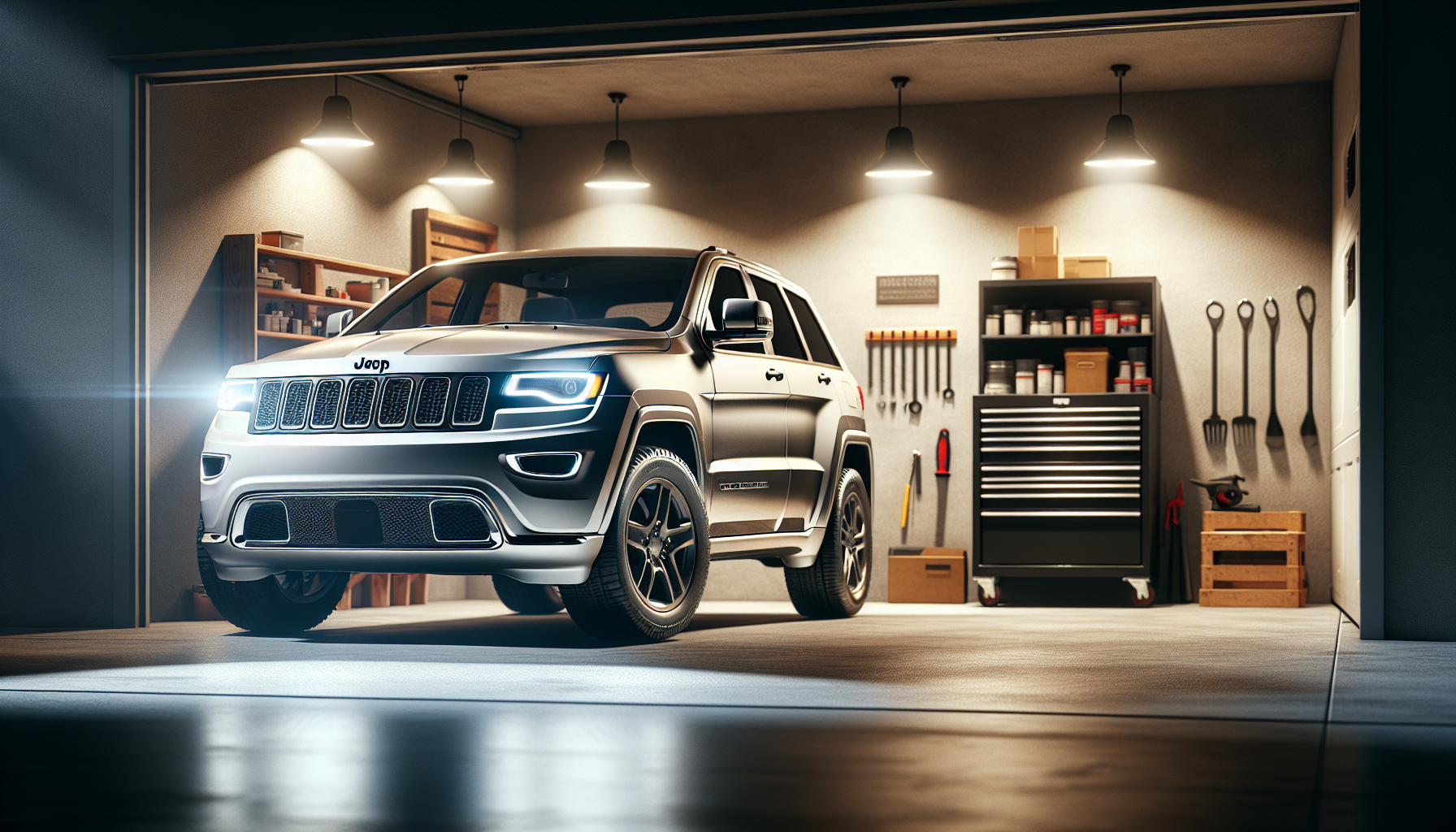
Nothing quite matches the sinking feeling—literally—when you walk out to your Jeep Grand Cherokee and find it squatting lower than usual, refusing to rise to its normal ride height. The Quadra-Lift air suspension system is one of those features that makes the Grand Cherokee special, but when it fails, you’re stuck with a vehicle that handles poorly and might even scrape on speed bumps.
Most often, this happens because of air leaks in the suspension components or electrical issues with the system’s sensors and compressor. The WK2 generation Grand Cherokees (2011-2021) are particularly prone to these problems as they age, especially if the vehicle has seen a lot of miles or harsh weather conditions.
Common Causes
The Quadra-Lift system relies on air struts at each corner, a compressor, air lines, height sensors, and the suspension control module working together. When one component fails, the whole system can refuse to operate.
Air leaks in the struts or air springs are the number one culprit. The rubber bladders inside these components develop cracks over time, especially in cold climates where the material gets brittle. Sometimes you’ll hear a hissing sound when the vehicle is running, but often the leak is slow enough that you won’t notice anything except the vehicle sitting low.
Failed air compressor. The compressor does all the heavy lifting, pumping air into the struts to raise the vehicle. These units work hard and can burn out, especially if they’ve been cycling constantly trying to compensate for a leak elsewhere in the system. If the compressor is dead, the suspension won’t raise at all.
Faulty height sensors. Each corner of the vehicle has a sensor that tells the control module where the suspension currently sits. When these sensors fail or get corroded connections, the system doesn’t know what to do. Sometimes it throws the vehicle into a fail-safe mode where it just stays at one height.
Electrical gremlins and control module issues. The suspension control module can develop software glitches or internal failures. Blown fuses, corroded connectors, or damaged wiring can also prevent the system from operating. Check engine lights or suspension warning lights usually accompany these problems.
Low nitrogen pressure in the reservoir. Less common, but the system uses a nitrogen-charged reservoir to help maintain pressure. If this leaks down, performance suffers.
How to Diagnose the Problem
Start with the simple stuff before you tear into expensive repairs.
Check for warning lights and fault codes. Pull out your OBD2 scanner and check for any suspension-related codes. Common ones include C156E (air suspension disabled), C1714 (air suspension vent solenoid circuit), and various height sensor codes. These will point you in the right direction. Write down any codes you find.
This video shows a real diagnosis of a Grand Cherokee with a C156E code:
Listen for air leaks. Get the vehicle running and quiet. Walk around each corner and listen carefully near the struts. A hissing sound means you’ve got an air leak. Sometimes you need to spray soapy water on the air spring connections and look for bubbles.
Check the compressor operation. When you start the vehicle or change ride height settings, you should hear the compressor running—it sounds like a small motor or pump working. If you hear nothing when the system should be adjusting, the compressor might be dead or not getting power.
Inspect the air lines and connections. Pop the hood and look at the air lines running to each strut. Check for obvious damage, disconnected lines, or cracked fittings. Sometimes a line gets pinched or rubbed through.
Test the height sensors. These little arms connect from the suspension to the body. Make sure they’re not bent, broken, or disconnected. Sometimes road debris knocks them loose.
Check fuses and relays. Look in your owner’s manual for the location of the air suspension fuse and relay. Pull them out and inspect for damage or corrosion. Swap the relay with an identical one from another circuit to test it.
Try the manual override. Some model years allow you to manually select different ride heights through the dash controls. Cycle through all the settings and see if the system responds to any of them. If it moves even slightly, that tells you the compressor and some of the system still work.
How to Fix It
Once you’ve identified the problem, here’s how to tackle the most common fixes.
Replacing leaking air struts. If one strut is leaking, replace both on the same axle. They typically fail around the same time, and you’ll be doing this job again in six months if you only replace one. The job isn’t terrible if you’ve got basic mechanical skills. You’ll need to safely lift and support the vehicle, disconnect the air line (the system needs to be depressurized first), unbolt the strut, and install the new one. Spring compressors aren’t needed since these are air springs, not coil springs.
Fixing air spring leaks without replacement. Sometimes the leak is just at the connection point or a small crack. There are repair kits available that can fix minor leaks, though they’re not always a permanent solution. Clean the area thoroughly, apply the repair compound or sleeve, and let it cure. This buys you time but isn’t as reliable as replacement.
This video demonstrates how to fix leaking air shocks while keeping the nitrogen pressure intact:
Replacing the air compressor. The compressor lives under the vehicle, usually near the spare tire area on Grand Cherokees. It’s held in with a few bolts and has electrical and air line connections. Disconnect the battery first, then unbolt the old unit, disconnect everything, and reverse the process with the new compressor. Make sure to check that the relay and fuses are good before assuming the compressor is bad.
Replacing height sensors. These bolt to the suspension components and body. They’re not expensive and the replacement is straightforward. Unbolt the old sensor, disconnect the electrical connector, install the new one, and make sure the linkage arm is properly positioned. You might need to recalibrate the system afterward using a scan tool.
Fixing electrical issues. If you’ve got corroded connectors, clean them with electrical contact cleaner and dielectric grease. Replace any blown fuses. Check the wiring harness for damage, especially underneath where it’s exposed to road debris and moisture. Sometimes a simple wiring repair solves the whole problem.
Control module replacement. This is less common but sometimes necessary. The module is typically located under the vehicle or behind interior panels. Replacement requires unplugging the old unit and installing the new one, but it may need programming with a dealer-level scan tool to work properly.
When to See a Mechanic
Some situations call for professional help rather than DIY repairs.
If you’ve got multiple fault codes and can’t pinpoint the exact problem, a mechanic with proper diagnostic equipment can save you time and money. Throwing parts at the problem gets expensive fast.
System programming and calibration often requires dealer-specific scan tools. After replacing major components like the control module or multiple sensors, the system may need to be reprogrammed and calibrated. Most independent shops can’t do this—you’ll need a Jeep dealer or a shop with the right equipment.
Complex air line repairs or nitrogen reservoir servicing requires specialized tools and knowledge. The system operates under pressure, and nitrogen needs to be handled properly. Messing this up can be dangerous.
If you’re not comfortable working under a vehicle or don’t have proper jack stands and safety equipment, don’t risk it. Air suspension work isn’t particularly dangerous, but any time you’re under a vehicle, safety comes first.
Estimated Repair Costs
| Repair | DIY Cost | Shop Cost |
|---|---|---|
| Single air strut replacement | $150-$300 | $400-$700 |
| Both rear struts | $300-$600 | $800-$1,400 |
| Air compressor replacement | $200-$400 | $600-$1,000 |
| Height sensor replacement | $50-$150 | $200-$350 |
| Control module replacement | $300-$600 | $800-$1,500 |
| Complete system diagnostic | N/A | $150-$300 |
These numbers vary based on your location and whether you’re using OEM or aftermarket parts. Dealer parts cost more but sometimes last longer. Aftermarket options from reputable brands like Arnott or Strutmasters can save significant money without sacrificing too much quality.
Prevention Tips
Air suspension systems need a bit of care to last.
Keep the air springs clean. Road salt, mud, and grime accelerate rubber deterioration. Spray off the underside of your vehicle periodically, especially if you live where roads get salted in winter.
Don’t ignore warning lights. When the system starts complaining, address it quickly. A small leak becomes a big leak, and running the compressor constantly trying to maintain pressure will burn it out.
Park in a garage when possible. UV exposure and temperature extremes shorten the life of rubber components. If you can’t garage park, at least try to keep the vehicle out of direct sun for extended periods.
Replace components in pairs. When one air strut fails, the others are likely close behind. Doing both sides of an axle at once prevents you from repeating the labor cost in a few months.
Consider a conversion kit if you’re done with air suspension headaches. Companies make coil spring conversion kits that replace the entire air system with traditional springs and shocks. You lose the adjustable ride height feature, but you gain reliability and lower maintenance costs. This makes sense if you’ve already sunk money into multiple repairs.
Air suspension problems on the Grand Cherokee are frustrating but usually fixable with some diagnostic work and basic mechanical skills. The system isn’t overly complicated once you understand how the components work together. Start with the basics, check for leaks and fault codes, and methodically work through the potential causes. Most owners can handle strut and compressor replacements in a weekend with common tools. If the electrical side gets too complex or you need programming done, that’s when you call in professional help. Either way, you’ll get that Jeep sitting tall again without breaking the bank on dealer repairs.
Leave a Reply