
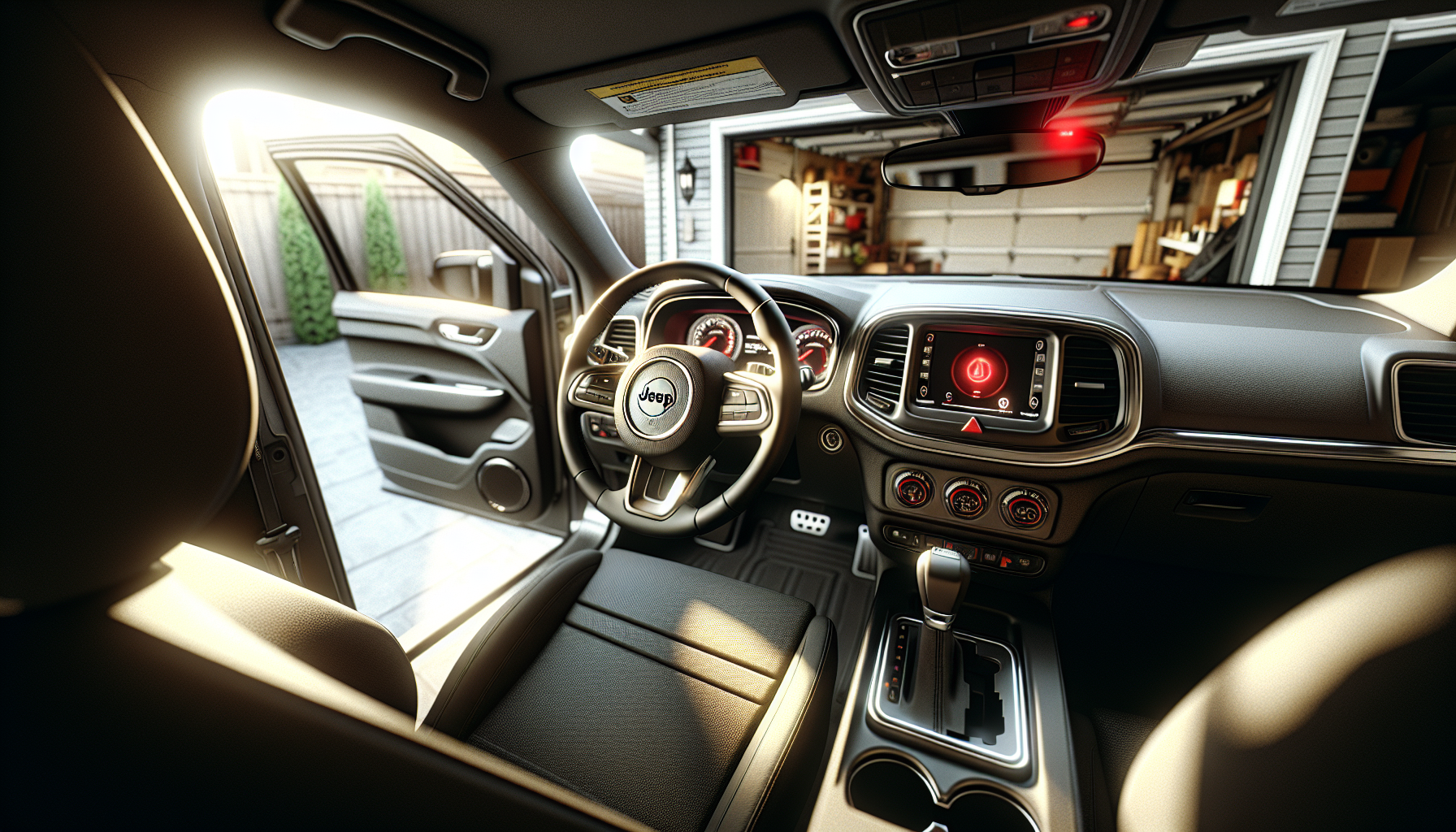
You’re driving your Jeep Compass down the road when suddenly the steering wheel feels like you’re wrestling a boulder. Maybe you hear a warning chime, see a red steering wheel icon light up on the dash, or both. Electric power steering (EPS) failure is one of those problems that gets your attention immediately because, well, turning becomes a serious workout.
Unlike older hydraulic systems that could leak fluid or whine before dying completely, electric power steering can fail without much warning. The Jeep Compass, particularly models from 2007 to 2017, has seen its share of EPS issues. The system relies on an electric motor, sensors, and a control module to assist your steering input. When any part of this electronic chain breaks down, you lose that assistance and end up with extremely heavy steering that makes parking lots feel like CrossFit sessions.
Common Causes
The electric power steering system in the Compass isn’t particularly complex, but it does have several failure points. The most common culprit is the EPS control module itself. This computer sits behind the dashboard and processes input from the steering angle sensor, vehicle speed sensor, and torque sensor. When it fails, the entire system shuts down as a safety precaution. Heat and vibration over time can cause solder joints inside the module to crack, leading to intermittent or complete failure.
The steering column torque sensor is another frequent troublemaker. This sensor measures how much force you’re applying to the wheel so the system knows how much assist to provide. When it goes bad, you might notice the steering feels inconsistent or the assist cuts out randomly. Sometimes it’ll work fine in the morning and fail after the car warms up.
Electrical connections and wiring also cause issues. The Compass has connectors under the dashboard that can corrode from moisture intrusion or work loose from road vibration. A corroded connector might cause intermittent problems that seem to come and go with no pattern. I’ve seen cases where jiggling the steering column would temporarily restore power steering because of a loose connection.
Battery voltage problems can trigger EPS failures too. If your battery is weak or the alternator isn’t charging properly, the system might shut down to preserve electrical power for critical functions. The EPS system draws significant current, especially at low speeds when you need maximum assist.
How to Diagnose the Problem
Start with the simple stuff. Check your battery voltage with a multimeter. With the engine off, you should see around 12.6 volts. Start the engine and check again; it should read between 13.8 and 14.4 volts. If your voltage is low, address the battery or charging system first before chasing steering problems.
Next, look for diagnostic trouble codes. You’ll need an OBD-II scanner that can read body control module codes, not just engine codes. Many basic code readers won’t pull EPS codes, so borrow or rent a better scanner if needed. Common codes include C121C (steering angle sensor), C1210 (EPS motor circuit), and U0415 (lost communication with the EPS module).
This video walks through common symptoms of electric power steering failure:
Check the obvious electrical connections. Remove the lower dash panel below the steering column (usually just a few screws or clips). Look for the large connector going to the EPS module. Unplug it, inspect for corrosion or pushed-back pins, and reconnect firmly. Sometimes this alone fixes the problem.
Pay attention to when the failure occurs. Does it happen when the car is cold, hot, after hitting a bump, or completely randomly? Intermittent failures that happen after the car warms up often point to a failing control module. If it happens right after you hit a pothole, suspect a loose connection or damaged wiring.
Try this test: With the car parked and engine running, turn the steering wheel slowly back and forth. Have someone watch the power steering warning light. If it flickers or comes on during certain steering positions, you might have a bad steering angle sensor or torque sensor.
How to Fix It
If your diagnosis points to a corroded or loose connection, cleaning and securing it might solve the problem. Use electrical contact cleaner on the connector pins and make sure everything clicks together firmly. Apply a small amount of dielectric grease to prevent future corrosion.
Battery and charging system issues are straightforward. Replace a weak battery or have your alternator tested and replaced if needed. These are problems worth fixing anyway since they affect your entire vehicle.
For a failed EPS control module, you have two realistic options: replacement or professional repair. New modules from Jeep run $500 to $800 for the part alone. Aftermarket units are cheaper but quality varies. You can also find remanufactured modules for $200 to $400.
Replacing the module yourself is doable if you’re comfortable with basic wiring. It’s located behind the lower dash panel on the driver’s side. Disconnect the battery first. Remove the lower panel, unplug the connector, remove the mounting bolts (usually three), and reverse the process with the new module. Some modules need to be programmed to your VIN using a dealer-level scan tool, though many aftermarket units are plug-and-play.
There’s also a repair option where companies like BBA Reman and SteeringPros rebuild your existing module. You send yours in, they fix the failed components, and send it back. This costs $150 to $250 and takes about a week. I’ve had good luck with this approach, especially for older vehicles where new parts are expensive.
Torque sensor or steering angle sensor replacement is more involved. These sensors are integrated into the steering column and require removing the airbag, steering wheel, and column covers. Unless you have experience working with airbag systems and steering columns, this repair is better left to a shop.
When to See a Mechanic
If you’ve checked connections, verified your battery and charging system are good, and pulled codes but still can’t pinpoint the problem, take it to a shop with proper diagnostic equipment. Advanced diagnostics require a scan tool that can monitor live data from the EPS system while driving.
Any repairs involving the steering column itself should be done by someone who knows what they’re doing. The airbag and clockspring are in there, and you really don’t want to accidentally deploy an airbag or damage the clockspring. That turns a $300 repair into a $1,500 nightmare.
If your Compass is still under warranty or has an extended warranty, use it. EPS failures are covered under most powertrain or bumper-to-bumper warranties. Some Compass models had extended warranties specifically for steering issues, so check your paperwork or call a Jeep dealer with your VIN.
When steering assist fails completely at highway speeds, get the vehicle to a safe location and have it towed. While you can technically still steer without power assist, it’s dangerous in traffic. The wheel is heavy enough that making quick maneuvers becomes difficult.
Estimated Repair Costs
| Repair | DIY Cost | Shop Cost |
|---|---|---|
| Clean corroded connections | $5-15 (cleaner/grease) | $50-100 |
| Battery replacement | $100-200 | $150-250 |
| EPS module replacement (new) | $500-800 | $800-1,200 |
| EPS module replacement (reman) | $200-400 | $400-700 |
| EPS module repair service | $150-250 | N/A |
| Torque sensor replacement | $300-500 | $600-900 |
| Steering angle sensor | $150-300 | $400-650 |
Labor costs vary by location but expect shops to charge 1.5 to 3 hours for most EPS repairs. Dealerships charge more than independent shops, though they’ll have factory parts and programming equipment readily available.
Prevention Tips
Keep your battery healthy. A weak battery stresses the entire electrical system, including the EPS. Test your battery annually, especially if it’s more than three years old. Clean the terminals if you see any corrosion.
Address electrical issues promptly. If you notice flickering lights, slow power window operation, or other electrical gremlins, get them checked. These symptoms often indicate charging system problems that can take out your power steering module.
Avoid water intrusion. Check your cabin air filter housing for leaves and debris. A clogged housing can let moisture past the filter and into the HVAC system, which shares space with electrical components under the dash. Moisture and electronics don’t mix.
If you live somewhere with harsh winters and lots of road salt, occasionally spray under the dashboard area with a dry electrical contact cleaner. This removes salt residue that causes corrosion. Don’t use WD-40 or anything petroleum-based; use actual electronics cleaner.
When you do have the module replaced, consider applying a conformal coating or using a corrosion inhibitor on the connector. This extra step takes five minutes and can prevent future problems caused by moisture.
Pay attention to warning signs. If your power steering feels inconsistent or the warning light flickers occasionally, don’t ignore it. Intermittent problems usually become permanent failures. Address them while they’re still manageable instead of waiting for a complete breakdown in traffic.
The Jeep Compass EPS system, when working properly, makes the vehicle easy to maneuver. When it fails, you’ll know immediately. Most failures come down to the control module or corroded connections. Start with the simple checks, verify your battery is healthy, and pull those diagnostic codes. With some basic tools and patience, many EPS problems can be fixed in your driveway for a fraction of dealer repair costs.



Leave a Reply