
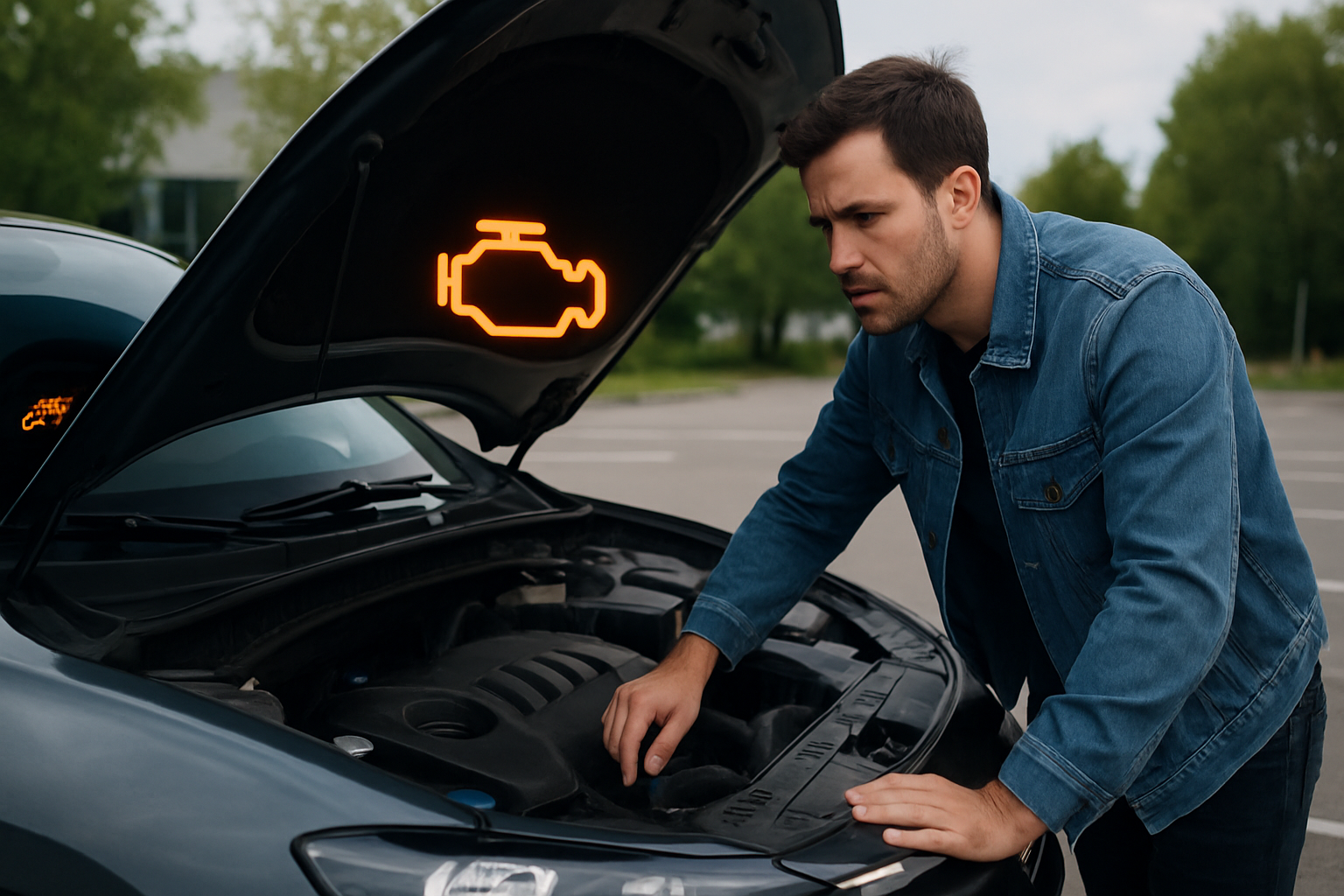
Your check engine light just turned on, and you’re wondering if you can keep driving for a while. Maybe you’re short on cash this month, or you’re hoping the problem will magically fix itself. Unfortunately, ignoring that amber warning can turn a simple repair into a financial nightmare.
When your check engine light illuminates, your car’s computer has detected a problem that could affect emissions, performance, or engine longevity. While you might get away with ignoring it temporarily, the longer you wait, the more expensive your repair bill becomes.
How Small Problems Become Big Expenses
Your car’s engine systems work together like a carefully orchestrated machine. When one component fails, it often puts extra stress on related parts, creating a domino effect of damage.
Take the oxygen sensor, for example. This $50-150 part monitors exhaust gases and helps your engine run efficiently. When it fails, your engine control module can’t properly adjust the fuel mixture, causing your engine to run too rich or too lean.
Running rich means too much fuel enters the combustion chambers. This excess fuel doesn’t burn completely and gets pushed into the exhaust system. Your catalytic converter, which normally handles small amounts of unburned fuel, becomes overwhelmed and starts to overheat.
Over time, this excess heat literally melts the ceramic honeycomb inside your catalytic converter. What started as a relatively inexpensive oxygen sensor replacement now includes a catalytic converter replacement costing $800-2,500, depending on your vehicle.
The Cascading Damage Effect
Once your catalytic converter fails, the problems don’t stop there. A clogged or damaged cat creates backpressure in your exhaust system, forcing your engine to work harder to push exhaust gases out.
This increased backpressure can damage your engine’s exhaust valves, leading to compression loss and rough idling. You might also notice reduced power, poor fuel economy, and eventually, more serious internal engine damage.
A failing catalytic converter can also damage the downstream oxygen sensors, adding another $100-300 to your repair bill. Some vehicles have multiple cats and oxygen sensors, multiplying these costs significantly.
Failed Emissions Testing and Legal Issues
If you live in an area requiring emissions testing, ignoring your check engine light means automatic failure. Most states won’t let you renew your registration with a failed emissions test, effectively grounding your vehicle until you make repairs.
The check engine light indicates your vehicle’s emissions control system isn’t working properly. Even if your car seems to run fine, it’s likely producing higher levels of harmful pollutants than legally allowed.
Getting your vehicle to pass emissions testing after prolonged neglect often requires multiple repairs. You might need new oxygen sensors, a catalytic converter, mass airflow sensor cleaning, and various software updates. This comprehensive repair list can easily exceed $2,000.
Common Issues That Get Worse Over Time
Different check engine light causes create different types of cascading damage. Understanding these patterns helps you appreciate why early intervention saves money.
Mass Airflow Sensor Failure
A dirty or failed mass airflow sensor causes incorrect fuel mixture calculations. Your engine might run lean, causing excessive heat that damages pistons, rings, and cylinder walls. You’ll also experience poor acceleration and fuel economy that gets progressively worse.
Ignition System Problems
Worn spark plugs or faulty ignition coils cause misfires that send unburned fuel into your exhaust system. This raw fuel damages your catalytic converter and oxygen sensors while also washing oil off your cylinder walls, increasing engine wear.
Vacuum Leaks
Small vacuum leaks create lean running conditions that cause rough idling and poor performance. Over time, the lean mixture creates excessive combustion temperatures that can crack cylinder heads or damage valves, turning a $20 hose replacement into a multi-thousand-dollar engine rebuild.
Financial Impact of Delayed Repairs
The financial progression of ignored check engine lights follows a predictable pattern. What starts as a minor repair quickly escalates into major expenses that can exceed your vehicle’s value.
Consider this real-world example: A 2015 Honda Accord with a failed upstream oxygen sensor. The initial repair cost would be approximately $200 including labor. After six months of ignoring the light, the owner needed a new catalytic converter, adding $1,200 to the bill.
After another year, the damaged cat caused exhaust valve problems requiring cylinder head work. The final repair bill exceeded $4,500 for a vehicle worth about $12,000. The owner could have avoided 95% of this expense with early intervention.
Performance and Safety Consequences
Beyond financial costs, ignoring your check engine light affects your vehicle’s performance and safety. Reduced power output makes highway merging dangerous, while poor fuel economy increases your daily driving costs.
Some check engine light causes create actual safety hazards. Severe misfires can cause your engine to stall unexpectedly in traffic. Overheating catalytic converters can ignite dry grass or leaves under your parked car.
You’ll also notice decreased reliability. Your vehicle becomes more likely to leave you stranded, potentially in unsafe locations or during extreme weather conditions.
Impact on Vehicle Resale Value
A illuminated check engine light significantly reduces your vehicle’s resale value. Most buyers assume the worst and either avoid your vehicle entirely or demand substantial price reductions to cover potential repairs.
Even if you fix the problem before selling, a history of check engine light issues shows up in diagnostic scans that informed buyers often request. This history suggests poor maintenance and potential hidden problems.
Dealerships typically offer much lower trade-in values for vehicles with check engine lights. They factor in diagnostic time, potential repairs, and the difficulty of reselling a problematic vehicle.
Recommended Diagnostic Tools
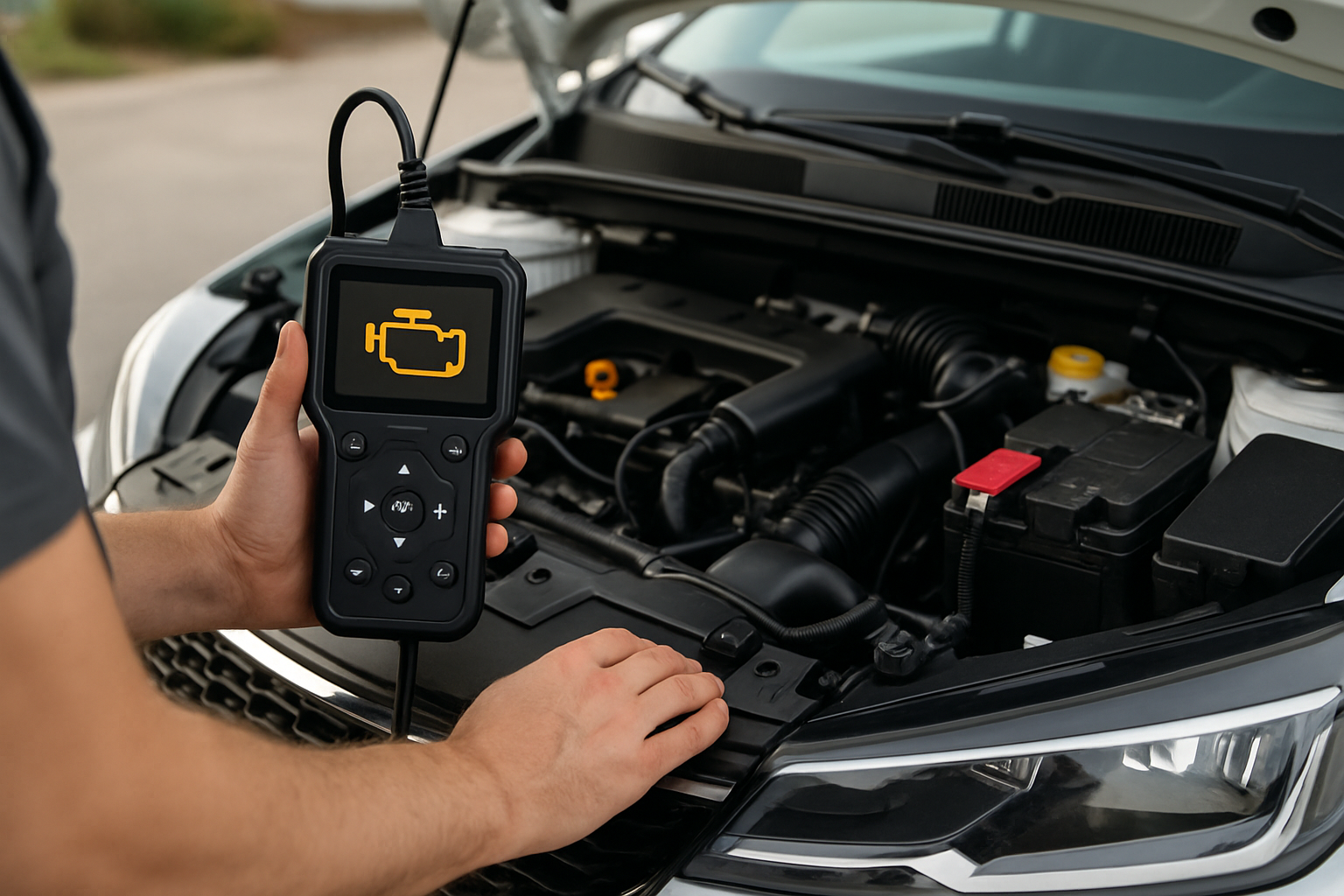
Instead of ignoring your check engine light, invest in proper diagnosis. Modern OBD2 scanners can read the trouble codes causing your check engine light, giving you information to make informed repair decisions.
Professional-quality OBD2 scanners and diagnostic tools help you understand what’s wrong with your vehicle before expensive damage occurs. These tools pay for themselves by preventing unnecessary repairs and helping you prioritize urgent fixes.
Basic code readers cost $50-100 and provide trouble codes and basic data. More advanced scanners offer live data streaming, component testing, and repair guidance that can save hundreds in diagnostic fees.
When to Take Immediate Action
While some check engine light causes allow continued driving, certain symptoms require immediate attention. A flashing check engine light indicates severe misfires that can destroy your catalytic converter in minutes.
Other urgent symptoms include unusual noises, strong fuel smells, white or blue exhaust smoke, or significant power loss. These conditions suggest imminent engine damage that requires immediate professional attention.
If your check engine light appears alongside other warning lights, stop driving immediately. Multiple warning lights often indicate serious problems like overheating, oil pressure loss, or electrical system failures.
Prevention and Early Intervention
Regular maintenance prevents many check engine light causes. Replace spark plugs at recommended intervals, use quality fuel with proper octane ratings, and address minor performance issues before they escalate.
Keep a simple OBD2 scanner in your glove box for immediate diagnosis when the light appears. Many auto parts stores also provide free code scanning, helping you understand the urgency of different problems.
Establish a relationship with a trusted mechanic who can provide honest assessments and prioritize repairs based on safety and cost considerations. A good mechanic helps you distinguish between urgent repairs and issues that can wait for better financial timing.
Frequently Asked Questions
How long can I drive with my check engine light on?
This depends entirely on the underlying problem. Some issues allow weeks or months of continued driving, while others require immediate attention. A flashing check engine light means stop driving immediately. For steady lights, get the codes read within a few days to understand the urgency.
Will my car pass inspection with the check engine light on?
No. Any illuminated check engine light results in automatic inspection failure in all states requiring emissions testing. You must repair the underlying problem and ensure the light stays off through a complete drive cycle before your vehicle will pass.
Can I just disconnect the battery to turn off the check engine light?
Disconnecting the battery clears trouble codes temporarily, but the underlying problem remains. The light will return, often within a few miles of driving. This approach also erases valuable diagnostic information that helps mechanics identify intermittent problems.
Does the check engine light always mean expensive repairs?
Not initially, but it usually leads to expensive repairs if ignored. Many check engine light causes start as inexpensive fixes like loose gas caps, dirty air filters, or worn spark plugs. However, these small problems often damage expensive components when left unaddressed.
This article contains affiliate links. If you purchase through these links, we may earn a small commission at no extra cost to you.
Leave a Reply