
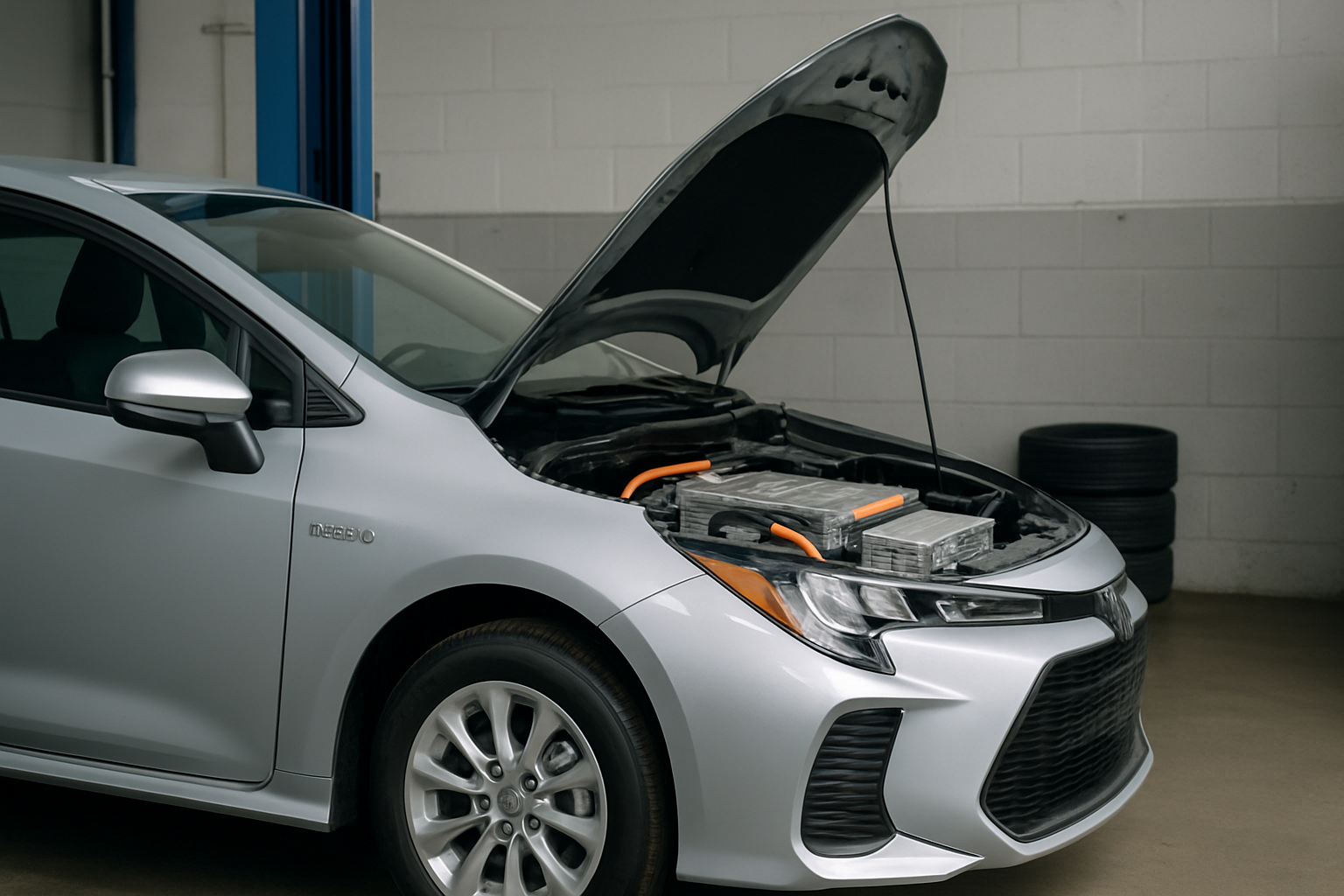
When your hybrid vehicle starts showing warning lights or struggling with power delivery, you might be facing one of the most expensive maintenance issues: a failing hybrid battery. Understanding what happens during battery failure and knowing replacement costs can help you make informed decisions about repair versus replacement.
What Actually Happens When Your Hybrid Battery Dies
A completely dead hybrid battery doesn’t mean your car becomes a paperweight. Most hybrid vehicles can still operate in “limp mode” using only the gasoline engine, though performance suffers dramatically.
You’ll notice reduced acceleration, poor fuel economy, and constant warning lights on your dashboard. The vehicle may struggle on hills or during highway merging situations. Some hybrids won’t start at all if the battery voltage drops too low, leaving you stranded.
Your car’s computer system will typically throw multiple error codes, and you might hear unusual noises from the engine bay as it works harder to compensate for the missing electric assistance.
Early Warning Signs Your Hybrid Battery Is Failing
Hybrid batteries rarely die without warning. Most show gradual degradation over several months or years before complete failure.
Performance Changes
Watch for decreased fuel economy as your first red flag. If your normally efficient hybrid starts guzzling gas like a traditional vehicle, the battery likely can’t hold a proper charge.
Sluggish acceleration, especially from a complete stop, indicates the electric motor isn’t providing its usual boost. You might also notice the gasoline engine running more frequently, even during light driving conditions.
Dashboard Warnings
Most hybrids display a battery icon or “Check Hybrid System” message when problems develop. Toyota vehicles often show a red triangle with an exclamation point, while Honda displays “IMA” (Integrated Motor Assist) warnings.
Hyundai hybrids typically show “Check HEV System” messages on the instrument cluster. Don’t ignore these warnings, as continued driving can damage other expensive components.
Physical Symptoms
Listen for unusual engine behavior, like rough idling or frequent start/stop cycling. The cooling fans might run longer or more frequently as the system works harder.
Some drivers report a slight burning smell or unusual heat from the battery area, though this requires immediate attention to prevent safety hazards.
Hybrid Battery Replacement Costs by Brand
Replacement costs vary significantly between manufacturers, battery age, and whether you choose new, refurbished, or rebuilt options.
Toyota Hybrid Battery Costs
Toyota offers some of the most expensive but longest-lasting hybrid batteries. A new battery pack for a Prius typically costs $3,500 to $4,500 through the dealership, including installation.
Camry Hybrid and RAV4 Hybrid batteries run slightly higher, ranging from $4,000 to $5,200 installed. Toyota’s 10-year/150,000-mile hybrid battery warranty provides excellent coverage for newer vehicles.
Refurbished Toyota batteries cost $1,800 to $2,800 installed, while rebuilt units with upgraded cells can cost $2,500 to $3,500. Independent shops often charge $300 to $600 less than dealerships for labor.
Honda Hybrid Battery Costs
Honda hybrid batteries generally cost less than Toyota equivalents but may not last as long. New Accord Hybrid batteries cost $3,200 to $4,000 installed at the dealership.
Insight and CR-V Hybrid batteries range from $2,800 to $3,800 for new units. Honda’s 8-year/100,000-mile warranty covers battery defects but ends sooner than Toyota’s coverage.
Refurbished Honda batteries cost $1,500 to $2,400 installed. Many independent shops specialize in Honda hybrid repairs and offer competitive pricing with warranties ranging from 12 to 36 months.
Hyundai Hybrid Battery Costs
Hyundai hybrid batteries fall in the middle price range but come with impressive warranty coverage. New Sonata Hybrid batteries cost $3,000 to $4,200 installed.
Elantra Hybrid and Tucson Hybrid batteries range from $2,800 to $3,900 for new units. Hyundai’s lifetime hybrid battery warranty for original owners provides exceptional value.
Refurbished Hyundai batteries cost $1,600 to $2,600 installed. Since Hyundai hybrids are newer to the market, fewer aftermarket options exist compared to Toyota and Honda.
New vs. Refurbished vs. Rebuilt Battery Options
New OEM Batteries
Original equipment manufacturer batteries provide the best reliability and longest warranties. Expect 8 to 12 years of service life with proper maintenance.
New batteries include updated firmware and the latest cell chemistry improvements. Most come with warranties matching or exceeding the original factory coverage.
Refurbished Batteries
Refurbished batteries use the original pack housing with replacement cells. Quality varies significantly between shops, so research the refurbisher’s reputation carefully.
Good refurbished batteries can last 3 to 6 years and cost 40-50% less than new units. Warranties typically range from 12 months to 3 years.
Rebuilt Batteries
Rebuilt batteries completely disassemble the original pack and install new cells with updated chemistry. Many rebuilders upgrade to higher-capacity cells for improved performance.
Quality rebuilt batteries can match or exceed original performance while costing less than new OEM units. Look for rebuilders offering 3 to 5-year warranties.
Factors Affecting Battery Replacement Costs
Vehicle Age and Model Year
Older hybrid models often cost more to repair due to limited parts availability. First-generation Prius or early Insight models may require custom rebuilding services.
Newer vehicles under warranty should always use OEM replacement parts to avoid coverage issues. Check your warranty status before considering aftermarket options.
Geographic Location
Battery replacement costs vary by region due to labor rates and parts availability. Urban areas typically offer more competition and potentially lower prices.
Rural locations might require shipping batteries from distant suppliers, adding $200 to $500 to the total cost.
Installation Location
Dealership service centers charge premium labor rates but provide OEM parts and warranty coverage. Independent hybrid specialists often offer competitive pricing with quality work.
Mobile hybrid battery services operate in some areas, potentially saving money on towing and shop overhead costs.
DIY Battery Replacement Considerations
Hybrid battery replacement involves high-voltage electrical systems requiring specialized safety equipment and knowledge. Most DIY mechanics should avoid this repair.
Professional installation ensures proper torque specifications, electrical connections, and computer system programming. Improper installation can damage expensive vehicle electronics or create safety hazards.
Some online suppliers sell batteries with installation instructions, but local building codes may prohibit high-voltage electrical work without proper licensing.
When to Replace vs. Repair Your Hybrid
Vehicle value plays a crucial role in replacement decisions. If your hybrid is worth less than $8,000, spending $4,000 on a new battery might not make financial sense.
Consider the overall vehicle condition, including transmission, brakes, and suspension components. Multiple expensive repairs needed simultaneously often favor replacement over battery repair.
Factor in your driving needs and timeline. If you’re planning to buy a new vehicle within two years, a refurbished battery might provide adequate service until replacement.
Extending Hybrid Battery Life
Proper maintenance can significantly extend battery life and delay expensive replacements. Keep the hybrid cooling system clean and functional, as overheating damages battery cells quickly.
Avoid extended periods of non-use, which can cause deep discharge damage. Drive your hybrid regularly, even if only for short trips around the neighborhood.
Extreme temperatures stress hybrid batteries, so park in garages or shaded areas when possible. Cold weather reduces battery capacity, while excessive heat accelerates cell degradation.
Frequently Asked Questions
How long do hybrid batteries typically last?
Most hybrid batteries last 8 to 12 years or 100,000 to 200,000 miles depending on the manufacturer, driving conditions, and maintenance. Toyota batteries generally last longer than Honda or Hyundai units.
Can I drive my hybrid with a dead battery?
Most hybrids can operate in limp mode using only the gasoline engine, but performance and fuel economy suffer dramatically. Some models won’t start at all with completely dead batteries.
Does battery replacement affect my vehicle’s warranty?
Using non-OEM batteries can void certain warranty coverage, but federal law prevents manufacturers from voiding entire warranties over aftermarket parts. Keep detailed records of any battery work performed.
Are there financing options for battery replacement?
Many dealerships and independent shops offer financing for expensive repairs like battery replacement. Some manufacturers provide special financing programs for hybrid battery service.
Leave a Reply