
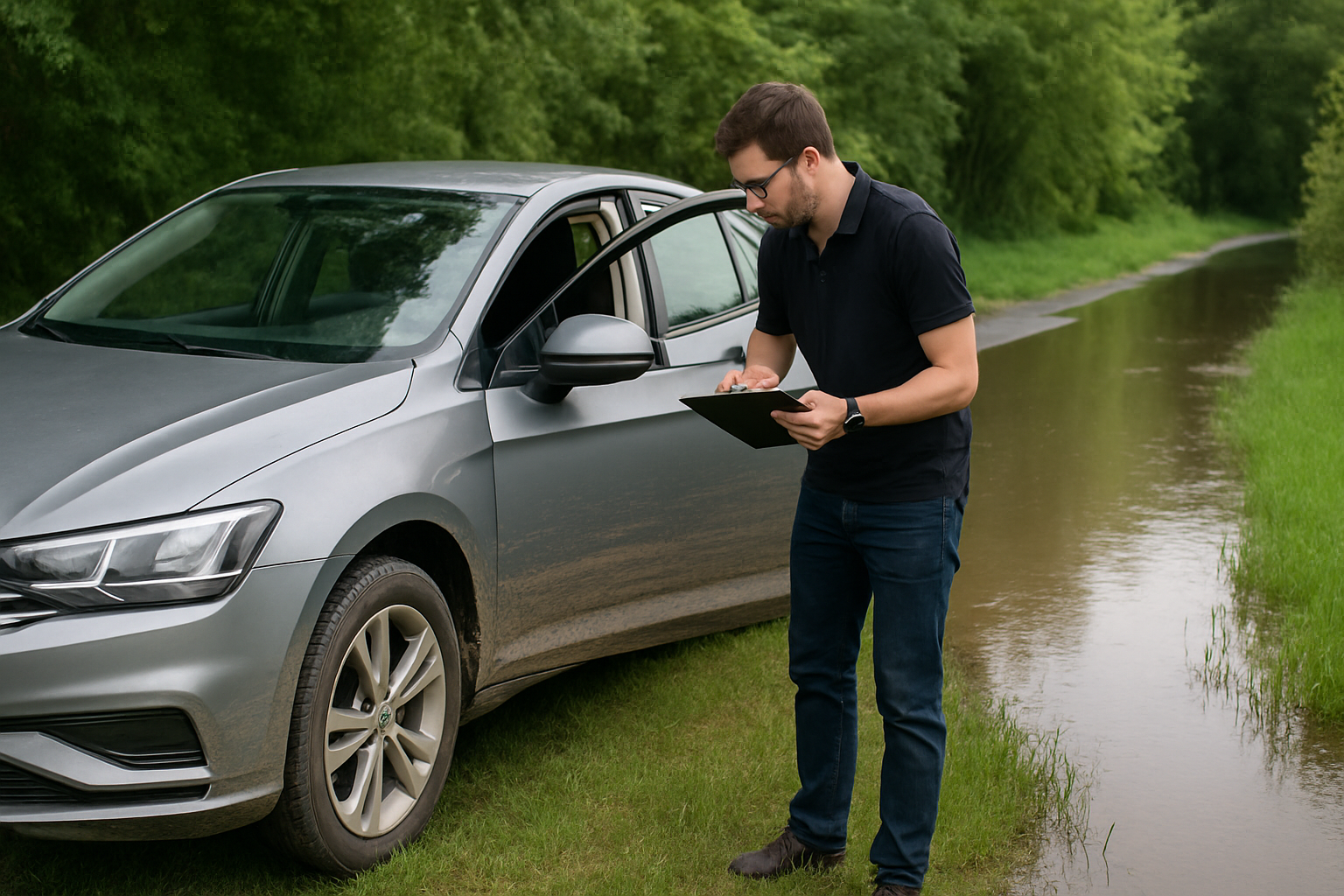
Flood damaged cars can lurk in the used car market for months or even years after major storms, often with clean titles and no obvious signs of water damage. These vehicles might seem like great deals, but they’re ticking time bombs that can cost you thousands in repairs and leave you stranded on the roadside.
Why Flood Damaged Cars Are So Dangerous
Water and electronics don’t mix, and modern cars are packed with computer modules, sensors, and wiring harnesses that can fail months or years after getting soaked. Even worse, flood damage often gets hidden by unscrupulous dealers who clean up the obvious signs and ship cars to states far from where the flooding occurred.
Insurance companies typically total flood damaged vehicles, but some end up back on the market through salvage auctions. Others get “title washed” by moving them through states with lax title laws, making a flood car appear clean on paper.
The good news is that water leaves traces, and if you know what to look for, you can spot these problem cars before you buy.
The Telltale Musty Smell
Your nose is one of your best tools for detecting flood damage. Water that sits in a car’s interior creates a distinctive musty, moldy smell that’s almost impossible to eliminate completely. This odor comes from mold and mildew that grows in carpets, seat cushions, and air ducts after they’ve been soaked.
Don’t just sniff when you first open the door. Sit in the car for a few minutes with the windows up and the air conditioning off. Turn on the HVAC system and smell the air coming from the vents. If there’s any hint of mustiness, mold, or that “old wet basement” smell, walk away.
Some sellers try to mask these odors with air fresheners or ozone treatments, but they rarely eliminate the smell completely. Be especially suspicious if the car is loaded with air fresheners or has an overpowering “new car” scent that seems artificial.
Looking for Water Lines and Staining
Water leaves marks, and gravity makes sure those marks appear in predictable places. Check the interior panels, door frames, and upholstery for horizontal lines or discoloration that could indicate where water sat in the car.
Look carefully at the headliner above the windows and doors. Water stains often appear as yellowish or brownish discoloration along the edges. Check the glove compartment, door pockets, and center console for water marks or warping.
Don’t forget to examine the trunk area. Pull up the spare tire and check for rust, corrosion, or water stains on the metal. The trunk is often where water damage shows up most clearly because it’s frequently overlooked during cleanup efforts.
Under the hood, look for water lines on the engine bay walls, unusual corrosion on metal components, or debris stuck in unusual places. Twigs, leaves, or mud in the engine bay can indicate the car was submerged.
Hidden Rust Under Carpets and Trim
Rust forms quickly when metal gets wet, and it’s often hidden under carpets, floor mats, and plastic trim pieces. If the seller allows it, pull back the floor mats and check for rust on the metal floor panels underneath.
Pay special attention to the seat mounting points and seat tracks. These are typically metal and will show rust if they’ve been exposed to water. The pedals and their mounting areas are another spot where rust commonly appears after flood damage.
Check around the door frames and window seals for unusual rust or corrosion. While some surface rust is normal on older cars, excessive rust in protected areas that don’t typically see moisture is a red flag.
Look at the exhaust system from underneath the car if possible. While exhausts do rust naturally, unusual corrosion patterns or excessive rust on a newer system could indicate water exposure.
Mismatched or Overly Clean Upholstery
Flood damaged cars often get new carpets, seat covers, or door panels during the cleanup process. Look for upholstery that seems newer than the rest of the car or doesn’t quite match in color or texture.
Check if the carpet fits properly or seems too clean compared to other interior components. Original factory carpets are precisely cut and fitted, while replacement carpets might have slightly different textures or colors.
Examine the seat upholstery carefully. Water damage often causes seats to be reupholstered, and the new materials might not match exactly. Look for different stitching patterns, slightly different colors, or materials that seem inconsistent throughout the interior.
Be suspicious if the interior looks like it’s been completely detailed but the exterior shows normal wear. This mismatch often indicates extensive interior cleaning or replacement to hide water damage.
Electrical Problems and Warning Lights
Modern cars have dozens of electronic modules, and water damage often causes what mechanics call “electrical gremlins.” These are intermittent problems that come and go unpredictably and can be extremely expensive to diagnose and repair.
During your test drive, pay attention to any warning lights on the dashboard. Check that all electrical components work properly: lights, radio, air conditioning, power windows, door locks, and charging ports. Test everything multiple times.
Be particularly suspicious of electrical components that work slowly or intermittently. Windows that move sluggishly, radios that cut out, or dashboard displays that flicker can all indicate water damage to the electrical system.
Check the fuse box for signs of corrosion or water damage. Most cars have multiple fuse boxes, typically one under the hood and one inside the cabin. Look for green corrosion, rust, or water stains around the fuses and connections.
Essential Database Checks
Never buy a used car without checking its history through multiple databases. The National Motor Vehicle Title Information System (NMVTIS) is the federal database that tracks title information across all states, making it harder for sellers to hide flood damage through title washing.
NMVTIS reports cost around $5 and provide official government data about the vehicle’s title history, including flood damage, salvage titles, and insurance total loss records. You can access NMVTIS through approved providers like VehicleHistory.com or NMVTIS.gov.
Also run a Carfax or AutoCheck report, but don’t rely on these alone. While these services provide valuable information about accidents, service records, and ownership history, they don’t always catch title washing or unreported flood damage.
Cross-reference the information from all three sources. If there are gaps in the vehicle’s history, unexplained moves between states, or any mentions of water damage, flood, or salvage titles, consider it a major red flag.
Professional Inspection Tools
If you’re serious about buying a particular car but have concerns about water damage, consider investing in a moisture meter designed for automotive use. These devices can detect hidden moisture in carpets, upholstery, and other materials that might indicate previous water exposure.
Professional moisture meters work by measuring the electrical conductivity of materials, which increases when moisture is present. While they require some interpretation, they can reveal hidden dampness that your other senses might miss.
You can also have a qualified mechanic perform a pre-purchase inspection with specific attention to flood damage indicators. This typically costs $100-200 but can save you thousands if it reveals hidden problems.
Geographic Red Flags
Pay attention to where the car comes from and where it’s been registered. Cars from areas recently hit by hurricanes, flooding, or major storms are automatically suspect, especially if they’re being sold far from their original location.
Be particularly cautious of cars with history in Florida, Louisiana, Texas, North Carolina, or other hurricane-prone states, especially if they’re now being sold in inland states. This geographic displacement is a common pattern with flood damaged vehicles.
Check the timing too. Cars that show ownership changes shortly after major flooding events in their area should be viewed with extreme suspicion, even if their titles appear clean.
What to Do If You Find Evidence
If you discover any signs of flood damage during your inspection, walk away immediately. Don’t let a seller convince you that minor water damage isn’t a big deal or that it’s been “fully repaired.” Water damage to modern vehicles is typically impossible to fully remediate due to the complexity of their electrical systems.
Even if you’re getting what seems like an amazing deal, flood damaged cars will cost you far more in the long run through repeated electrical failures, corrosion issues, and safety problems.
If you’ve already purchased a car and later discover flood damage, contact your state’s attorney general or consumer protection agency. You may have legal recourse, especially if the seller failed to disclose known flood damage.
Frequently Asked Questions
Can flood damaged cars be safely repaired?
While some flood damage can be repaired, modern cars have so many electronic components that complete remediation is nearly impossible. Even professional restoration often can’t prevent future electrical problems, and the cost typically exceeds the car’s value.
How long after a flood do problems typically appear?
Electrical problems from water damage can appear immediately or take months to develop. Corrosion is an ongoing process, so problems often get worse over time rather than better. Some flood-related failures don’t show up until the car is several years older.
Are some flood damaged cars worse than others?
Cars that were submerged in salt water are typically worse than freshwater flooding due to salt’s corrosive properties. However, any car that had water above the floor level is likely to have serious long-term problems regardless of the water type.
Will insurance cover repairs if I unknowingly buy a flood car?
Standard auto insurance typically doesn’t cover pre-existing damage, including flood damage that occurred before you owned the car. If the flood damage was hidden and you can prove fraud, you might have legal recourse against the seller, but insurance won’t help with repairs.
This article contains affiliate links. If you purchase through these links, we may earn a small commission at no extra cost to you.


Leave a Reply