
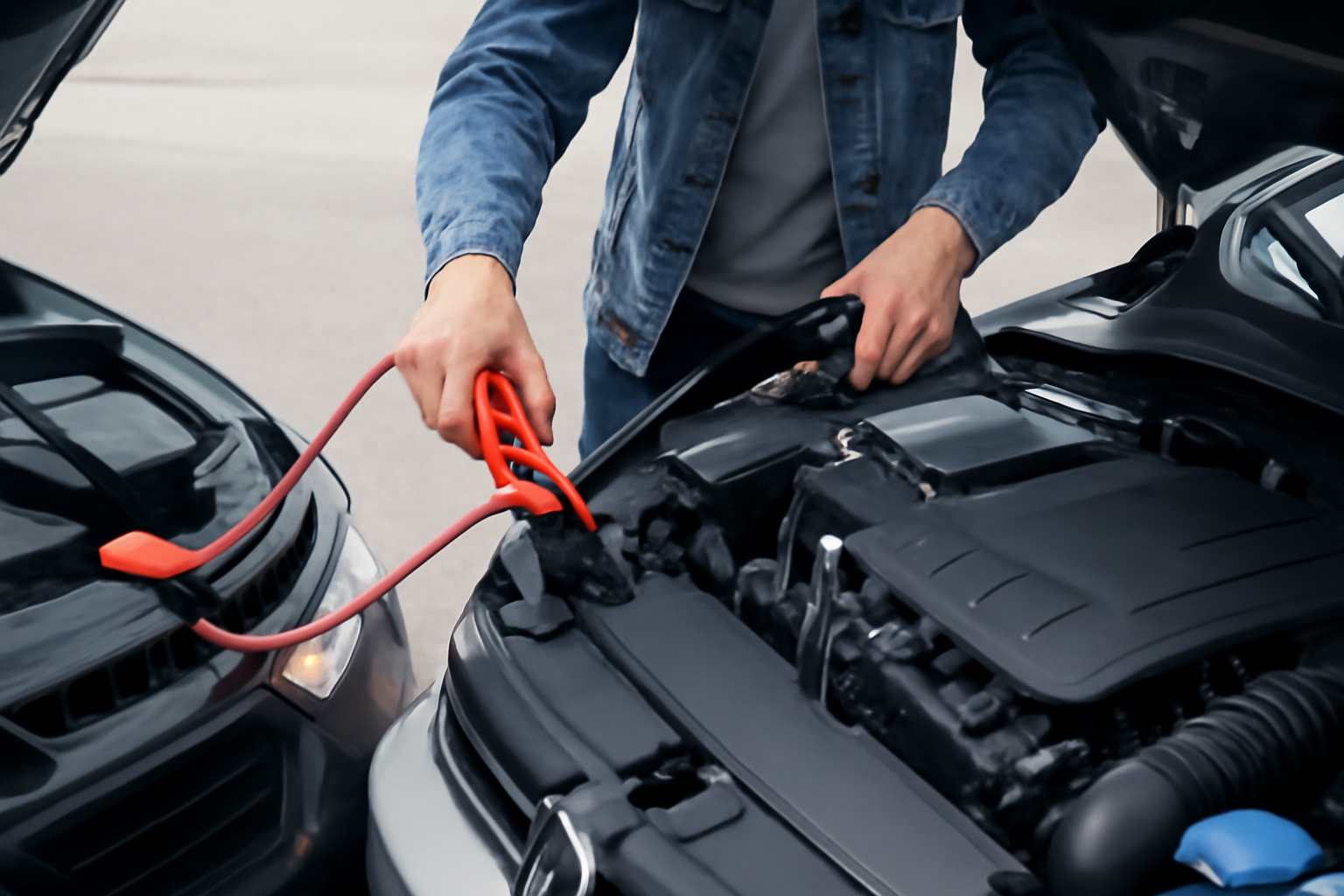
Jump-starting a car used to be as simple as connecting two cables and cranking the key. Modern vehicles packed with sensitive electronics require a bit more care. A wrong connection or voltage spike can damage control modules, infotainment systems, or hybrid battery management systems.
This updated guide covers the safe jump-start procedure for 2026 vehicles, including tips for cars with start-stop systems and lithium jump starter packs that have largely replaced traditional cables.
What You’ll Need
You have two options: a set of heavy-duty jumper cables (at least 4-gauge, 16 to 20 feet long) and a second running vehicle, or a lithium jump starter pack that works without another car.
Lithium jump starters have become the preferred choice for most drivers. They’re compact enough to fit in a glove box, hold a charge for months between uses, and eliminate the need to flag down a stranger for a boost.
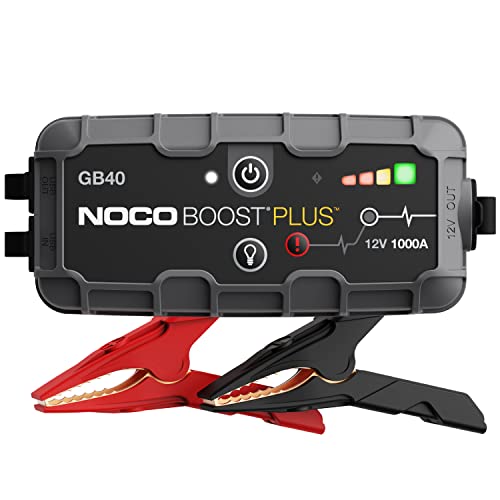
Lithium Jump Starter Pack
Compact, powerful, and includes built-in safety features like reverse polarity protection. Perfect for keeping in your glove box.
Jump-Start Procedure with Cables
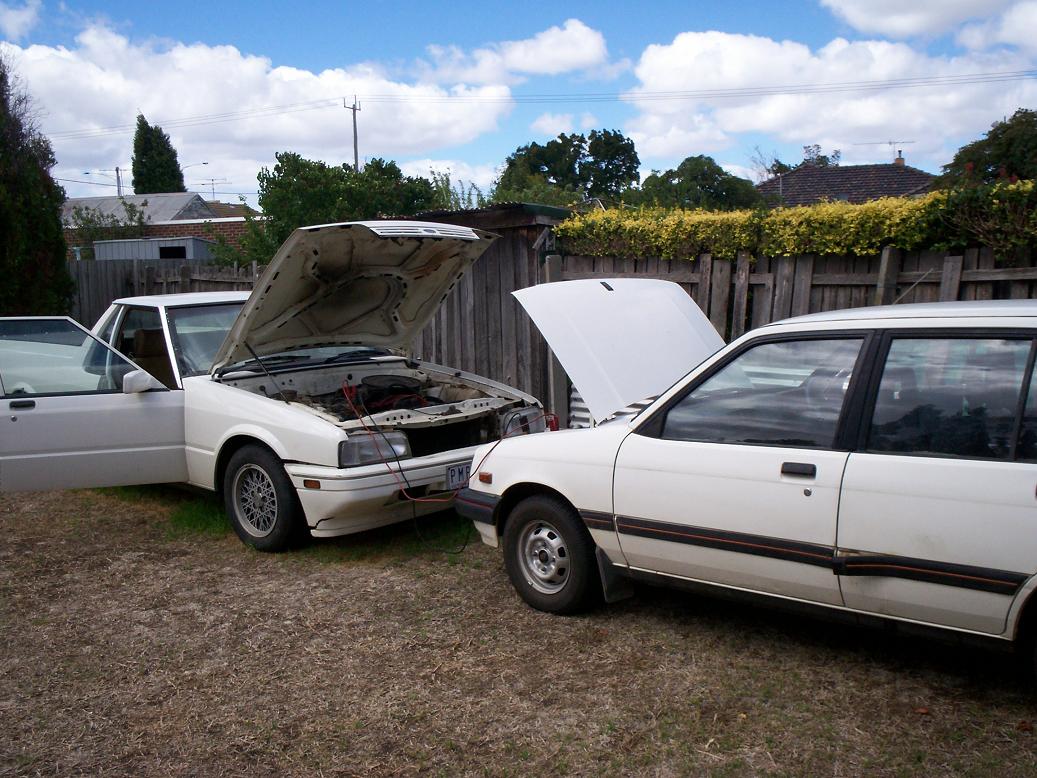
Position the running vehicle close enough for the cables to reach both batteries, but make sure the two cars aren’t touching. Turn off both engines and all accessories before connecting anything.
Connect the red (positive) clamp to the positive terminal of the dead battery first. Attach the other red clamp to the positive terminal of the good battery. Connect one black (negative) clamp to the negative terminal of the good battery. Attach the final black clamp to an unpainted metal surface on the dead car’s engine block, away from the battery. This grounding point prevents sparks near the battery, which can release flammable hydrogen gas.
Start the running vehicle and let it idle for 3 to 5 minutes to transfer charge. Then attempt to start the dead vehicle. Once it starts, remove the cables in reverse order: ground clamp first, then negative from the good battery, then positive from the good battery, and finally positive from the previously dead battery.
Jump-Start Procedure with a Lithium Pack
Using a lithium jump starter is simpler. Connect the red clamp to the positive battery terminal and the black clamp to the negative terminal (or a ground point on the engine block). Turn the jump starter on, wait for the indicator light to show “ready,” and start the car. Disconnect immediately after the engine fires.
Most quality lithium packs include reverse polarity protection, spark-proof clamps, and overcurrent protection. These safety features make them significantly safer than traditional cables for inexperienced users.
Special Considerations for Modern Vehicles
Many 2026 vehicles have the battery located in the trunk or under the rear seat. These vehicles provide remote jump-start terminals under the hood, usually marked with red and black covers. Use these terminals instead of trying to access the battery directly.
Vehicles with start-stop systems and advanced electrical architectures may need to have the battery registered or coded with a scan tool after replacement. A simple jump-start won’t cause this issue, but if the battery dies repeatedly, replacing it incorrectly can trigger errors. Check out guides for Toyota Camry, BMW X5, and other vehicles with these systems.
Hybrid and electric vehicles have separate 12V batteries that can die just like any other car. The jump-start procedure is the same, using the 12V battery terminals. Never attempt to jump the high-voltage drive battery. Toyota Prius 12V battery issues are particularly common and can leave you stranded if you don’t maintain the small battery properly.
After the Jump Start
Drive for at least 20 to 30 minutes after a successful jump to let the alternator recharge the battery. Avoid turning the engine off during this period. Short trips won’t restore enough charge, and you’ll find yourself in the same situation the next morning.
If the battery dies again within a day or two, it’s likely too weak to hold a charge and needs replacing. A battery that’s been fully discharged multiple times has reduced capacity even after recharging.
Common Mistakes to Avoid
Never connect the negative cable directly to the dead battery’s negative terminal. The small spark from connection can ignite hydrogen gas that batteries naturally produce. Always use a ground point on the engine block instead.
Don’t attempt to jump-start a battery that’s cracked, leaking, or frozen. A frozen battery can explode when you apply current. If the battery case is bulging or you see ice crystals through the casing, replace it rather than jumping it.
Similar to how storing a car improperly can damage the battery, attempting to jump a damaged battery can create dangerous situations. Always inspect the battery condition before connecting any cables.
Frequently Asked Questions
How long should I charge a dead battery before starting?
With jumper cables from another vehicle, 3 to 5 minutes of charging is usually enough. Lithium jump starters deliver enough instant current that you can attempt starting immediately after connecting.
Can jump-starting damage my car’s electronics?
Voltage spikes during connection can potentially damage sensitive modules. Connecting cables in the correct order and using the engine block ground (rather than the negative terminal) minimizes this risk significantly. Modern vehicles with complex infotainment systems are particularly sensitive to electrical surges.
How long does a lithium jump starter hold its charge?
Most quality lithium packs hold a usable charge for 6 to 12 months without recharging. Check the charge level every few months and top it off before long road trips.
Should I keep a jump starter in my car during winter?
Yes, but keep it inside the cabin rather than in the trunk where extreme cold can reduce its effectiveness. Lithium batteries perform best at moderate temperatures. This is especially important if you drive budget-friendly vehicles that may have older electrical systems.



Leave a Reply