
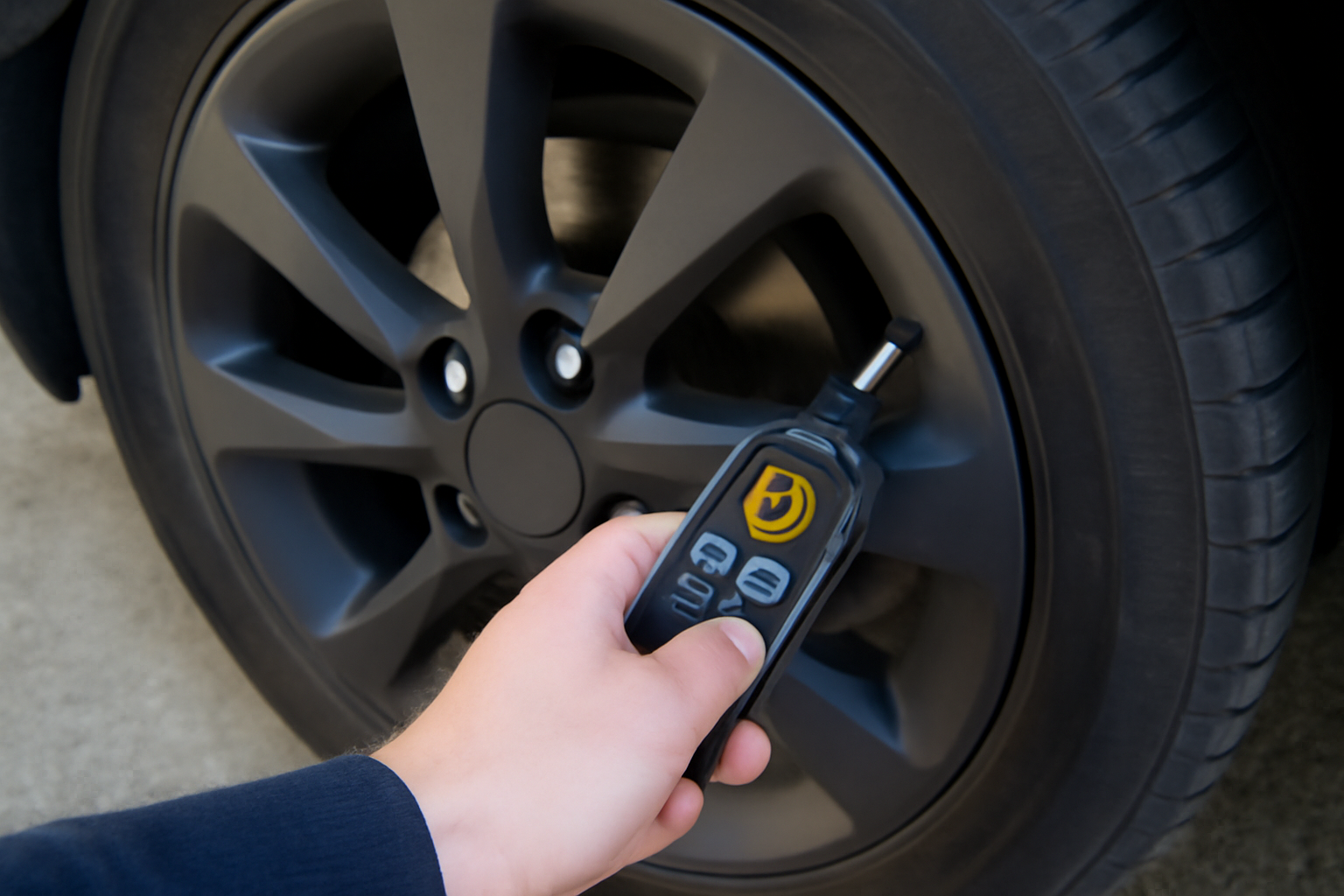
That little tire pressure warning light on your dashboard can stay illuminated even after you’ve inflated your tires to the correct pressure. The Tire Pressure Monitoring System (TPMS) sometimes needs a manual reset to clear the warning, especially after a tire rotation, seasonal tire swap, or new tire installation.
This guide covers the most common reset methods that work across brands and model years.
Why the TPMS Light Stays On
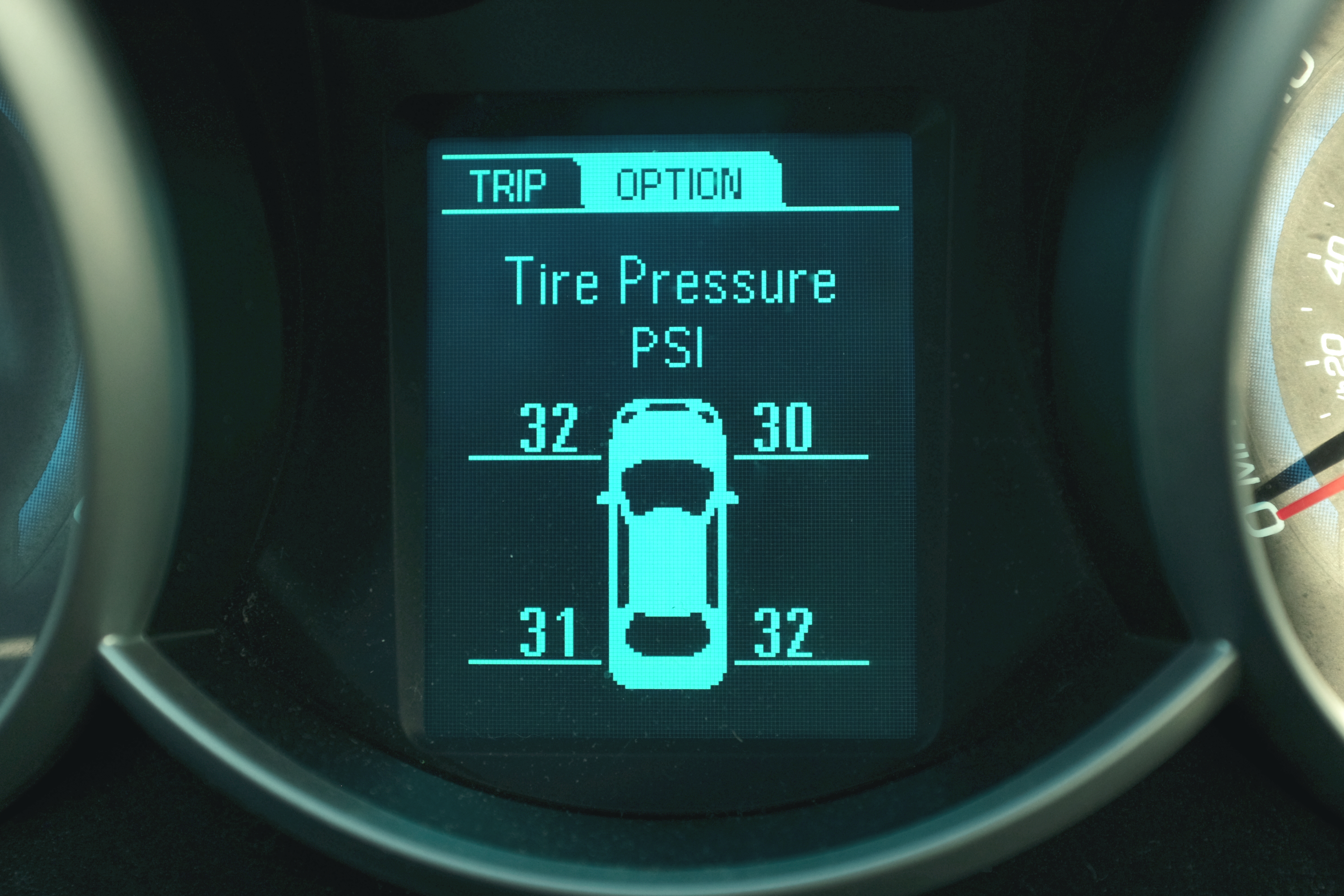
The TPMS light triggers when one or more tires drop below the recommended pressure (usually 25% below the placard value). It can also illuminate after tire service because the system needs to relearn which sensor is at which wheel position.
A solid TPMS light means a tire is underinflated. A flashing TPMS light that then stays solid indicates a system malfunction, such as a dead sensor battery or a communication error.
Method 1: Drive-Based Reset
Inflate all tires to the recommended pressure listed on the driver’s door jamb sticker. Drive at speeds above 25 mph for 10 to 20 minutes.
Many vehicles automatically relearn sensor positions and clear the light during normal driving. This is the simplest approach and works on most Honda, Hyundai, Kia, and Subaru models.
Method 2: TPMS Reset Button
Many Toyota, Lexus, and some other vehicles have a dedicated TPMS reset button. It’s typically located under the steering column or inside the glove box.
With the ignition on (engine off), press and hold the button until the TPMS light blinks three times. Start the car and drive for a few minutes. The light should turn off within 20 minutes.
Method 3: Inflate and Deflate
On some GM, Ford, and Chrysler vehicles, you can reset by overinflating all tires to 3 PSI above the recommended pressure, then deflating them completely. Reinflate to the correct pressure, and the system recalibrates during the next drive.
This method forces the sensors to re-register their baseline.

Digital Tire Pressure Gauge
Essential for accurately checking tire pressure before and after TPMS reset procedures
Method 4: Disconnect the Battery
Disconnect the negative battery cable, turn the ignition to ON, and press the horn for 3 seconds to discharge residual power. Reconnect the battery.
This resets many electronic systems including the TPMS. You’ll need to reset your clock and radio presets afterward, similar to other electronic system resets you might perform when storing a car for extended periods.
When Sensors Need Replacement
TPMS sensor batteries last 5 to 10 years. When the battery dies, the sensor stops transmitting, and the TPMS light flashes before staying solid.
Sensor replacement requires breaking the tire bead to access the valve stem where the sensor mounts, which means a trip to a tire shop. Most shops recommend replacing all sensors at once during a tire change if the originals are older than 7 years.
Doing them individually means repeated mounting and balancing charges.
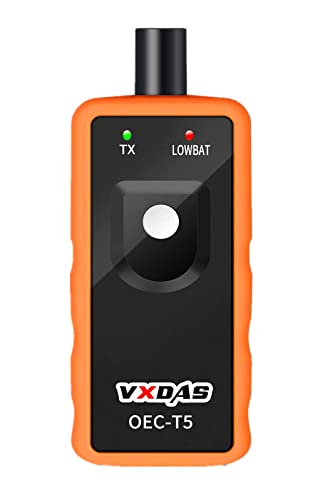
TPMS Reset Tool
Professional-grade tool that works across multiple vehicle brands for DIY TPMS programming and troubleshooting
Direct vs. Indirect TPMS
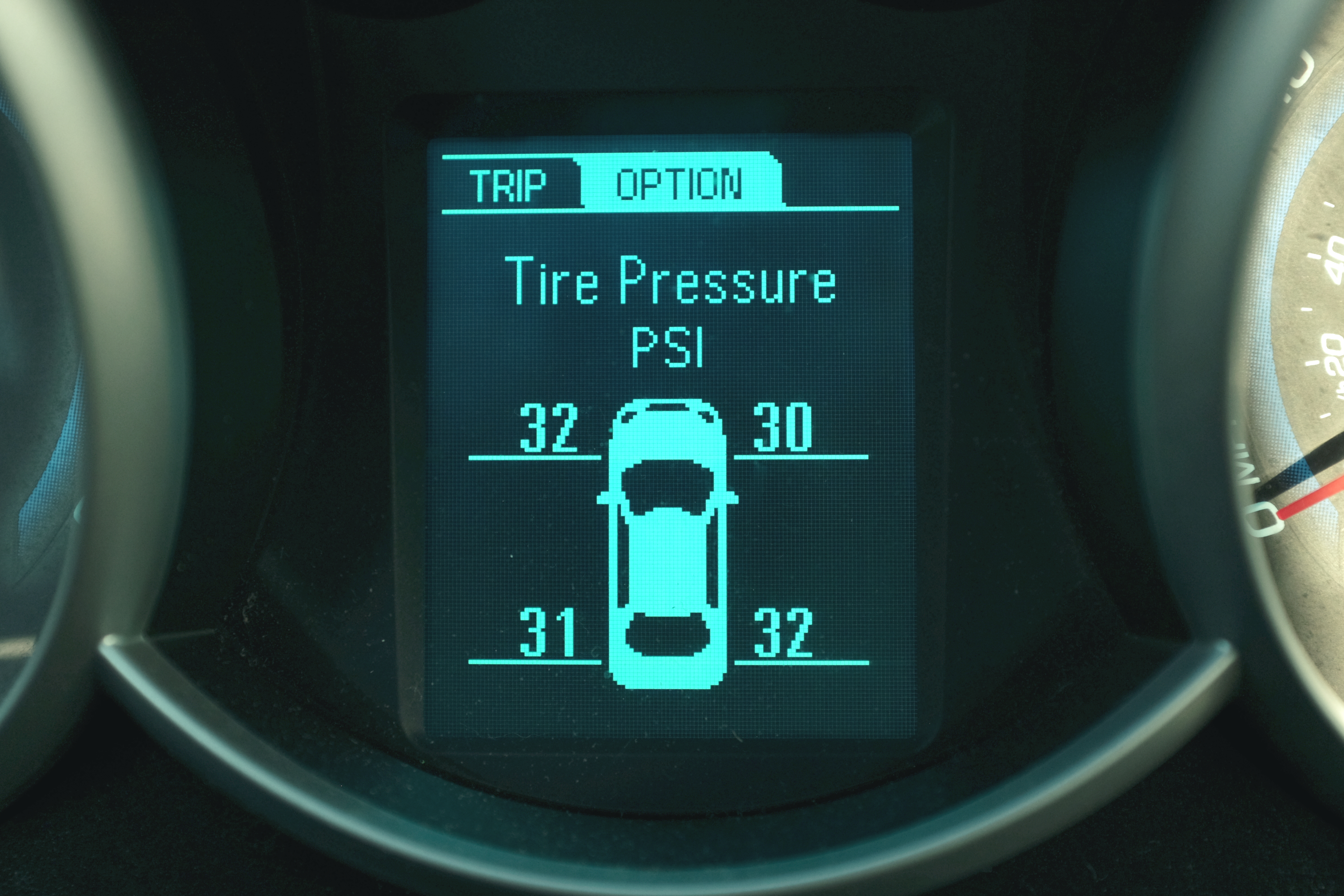
Direct TPMS uses pressure sensors inside each wheel that transmit actual pressure readings. Indirect TPMS uses the ABS wheel speed sensors to detect changes in tire rolling circumference (a low tire rotates slightly faster than a properly inflated one).
Indirect systems are less expensive but less accurate. They require a reset (usually through the infotainment menu or a button) after every tire inflation adjustment, rotation, or tire change.
Direct systems are more precise and reset automatically during driving on most vehicles.
Frequently Asked Questions
Can I ignore the TPMS light?
You shouldn’t. Even if the light stayed on after a service, there’s a chance a tire is genuinely underinflated.
Verify pressure on all four tires (and the spare if equipped) with a gauge before assuming the light is a false alarm. Just like you wouldn’t ignore dashboard warning lights on other vehicles, TPMS alerts deserve attention.
Do I need TPMS sensors when buying new wheels?
Yes. If you’re buying a second set of wheels for winter tires, each wheel needs its own TPMS sensor.
Many tire shops can clone your original sensor IDs to new sensors so the system recognizes them without reprogramming.
Does cold weather trigger the TPMS light?
Yes. Tire pressure drops about 1 PSI for every 10-degree Fahrenheit decrease in temperature.
A tire inflated to 32 PSI in warm weather might read 28 PSI on a cold morning, triggering the light. Top off your tires in the morning during cold weather.
How much does TPMS sensor replacement cost?
Sensor replacement costs vary by vehicle and location. Most tire shops charge for the sensor itself plus installation, which includes breaking the tire bead, mounting, and balancing.
Replacing all four sensors during a scheduled tire change is more economical than doing them individually.



Leave a Reply