

Spark plugs are one of those parts you can easily forget about until they start causing problems. A fresh set restores smooth idle, crisp throttle response, and optimal fuel economy. On most engines, you can replace all four (or six) plugs in under an hour with basic tools.
When to Replace Spark Plugs
Most 2026 engines use iridium or double-platinum plugs rated for 60,000 to 100,000 miles. Check your owner’s manual for the exact interval. Symptoms of worn plugs include rough idle, hesitation during acceleration, reduced fuel economy, and misfires.
Tools You’ll Need
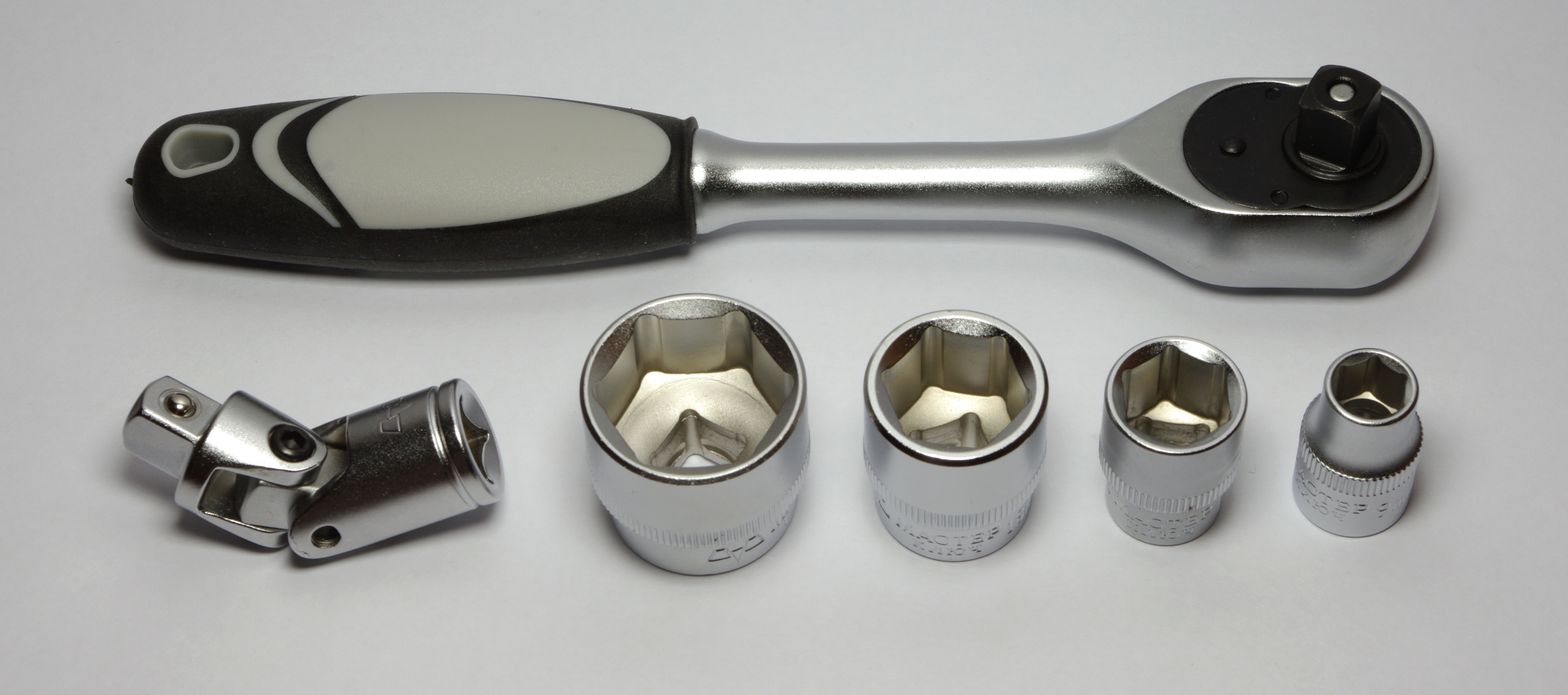
A 3/8-inch ratchet, a spark plug socket (5/8 inch or 16mm for most applications), a socket extension (6 to 10 inches), a gap gauge, a torque wrench, and anti-seize compound. A can of compressed air is helpful for blowing debris out of the plug wells before removal.

Step-by-Step Replacement
Access the Plugs
On most four-cylinder engines, the spark plugs sit on top of the engine under individual coil-on-plug assemblies. Disconnect the electrical connector from the coil, remove the coil mounting bolt (usually 8mm or 10mm), and pull the coil straight up and out. The spark plug is now accessible at the bottom of the well.
Some V6 and V8 engines require removing the intake manifold or other components to reach plugs on the rear bank. If your engine requires significant disassembly, consider whether the job falls within your comfort level.
Remove the Old Plugs
Use compressed air to blow any debris out of the plug well before removing the plug. This prevents dirt from falling into the combustion chamber. Insert the spark plug socket with the extension, break the plug loose with a counterclockwise turn, and unthread it by hand.
Inspect the old plug. The electrode condition tells you a lot about engine health. A light tan or gray color indicates normal operation. Black sooty deposits suggest a rich fuel mixture. White or blistered electrodes indicate overheating.
Gap the New Plugs
Check the gap on each new plug with a gap gauge before installation. The correct gap is listed in your owner’s manual or on the emissions label under the hood (typically 0.028 to 0.044 inches for modern engines). Most iridium spark plugs come pre-gapped, but verifying saves you from installation headaches.

Iridium Spark Plugs
Longer lifespan and better performance than copper alternatives
Install the New Plugs
Apply a small amount of anti-seize to the threads (avoid getting any on the electrode). Thread the plug in by hand first to prevent cross-threading. If the plug doesn’t thread smoothly, back it out and try again. Never force a plug with a wrench.
Torque the plug to spec, which is typically 12 to 20 foot-pounds for most engines with aluminum heads. Over-tightening can strip the threads in the cylinder head, which is an expensive repair. Under-tightening can cause the plug to back out or fail to seal properly.
Reinstall Coils
Drop the coil back into the plug well, reinstall the mounting bolt, and reconnect the electrical connector. A light click confirms the connector is seated. Repeat for each cylinder.
Common Mistakes
Cross-threading is the most damaging mistake. Always start plugs by hand. If it doesn’t turn freely with finger pressure, it’s cross-threaded. Applying anti-seize helps, but hand-starting is the real prevention.
Dropping a plug can close the gap or crack the insulator. If you drop a plug on a hard surface, gap-check it again or use a new one. A cracked insulator causes a misfire that’s hard to diagnose visually.
Frequently Asked Questions
Should I replace ignition coils when I replace plugs?
Coils don’t wear at the same rate as plugs and don’t need routine replacement. Replace them only if one is failing (causing a misfire code). However, if one coil has failed and the others are at high mileage, replacing all of them proactively prevents future failures.
Can I use copper plugs instead of iridium?
Copper plugs are compatible but wear out much faster (20,000 to 30,000 miles vs. 60,000 to 100,000 for iridium). The cost savings don’t justify the more frequent replacements. Stick with the plug type your engine was designed for.
If you’re maintaining a high-mileage vehicle, using quality iridium plugs helps ensure long-term reliability.
Do I need to disconnect the battery before changing plugs?
It’s not strictly necessary but is a good safety practice. Disconnecting the negative terminal eliminates any risk of accidental sparks or shorts while working around the ignition system.
What if I’m not comfortable doing this myself?
Spark plug replacement is a great learning project for beginners, but if your engine requires extensive disassembly or you’re uncertain about torque specifications, having a professional handle it prevents costly mistakes. For routine maintenance on reliable vehicles, this is a skill worth developing.




Leave a Reply