

Turning on your car’s AC and getting hit with a musty, sour, or mildew smell is unpleasant and surprisingly common. That odor is almost always caused by mold and bacteria growing on the evaporator core inside your HVAC system. The evaporator stays cold and damp during AC use, creating an ideal breeding ground for microbial growth.
The fix is usually simple, and regular prevention keeps the smell from coming back.
Why the Evaporator Gets Moldy

When your AC runs, the evaporator coil chills the air passing through it. Moisture from the air condenses on the cold surface, just like water beading on a cold glass. This condensation normally drips into a drain pan and exits through a tube under the car (that’s the puddle of water you sometimes see under a parked car with the AC running).
When you turn the car off, the evaporator stays damp in an enclosed, dark space. Over time, mold and bacteria colonize the surface. Every time you turn the AC back on, air blows across this growth and carries the smell directly into the cabin.
Cleaning the Evaporator
An AC evaporator cleaner foam is the most effective DIY treatment. These products are sprayed directly into the HVAC system through the blower resistor opening or the drain tube. The foam expands to coat the evaporator, kills mold and bacteria, and drains out through the condensation tube.

Car AC Evaporator Cleaner Foam
The most effective way to eliminate mold directly at the source
For a quicker but less thorough approach, you can spray a disinfectant designed for HVAC systems into the cabin air intake (usually at the base of the windshield) with the blower on max and recirculation off. This treats the surfaces the air passes over but may not reach deep into the evaporator fins.
Replace the Cabin Air Filter
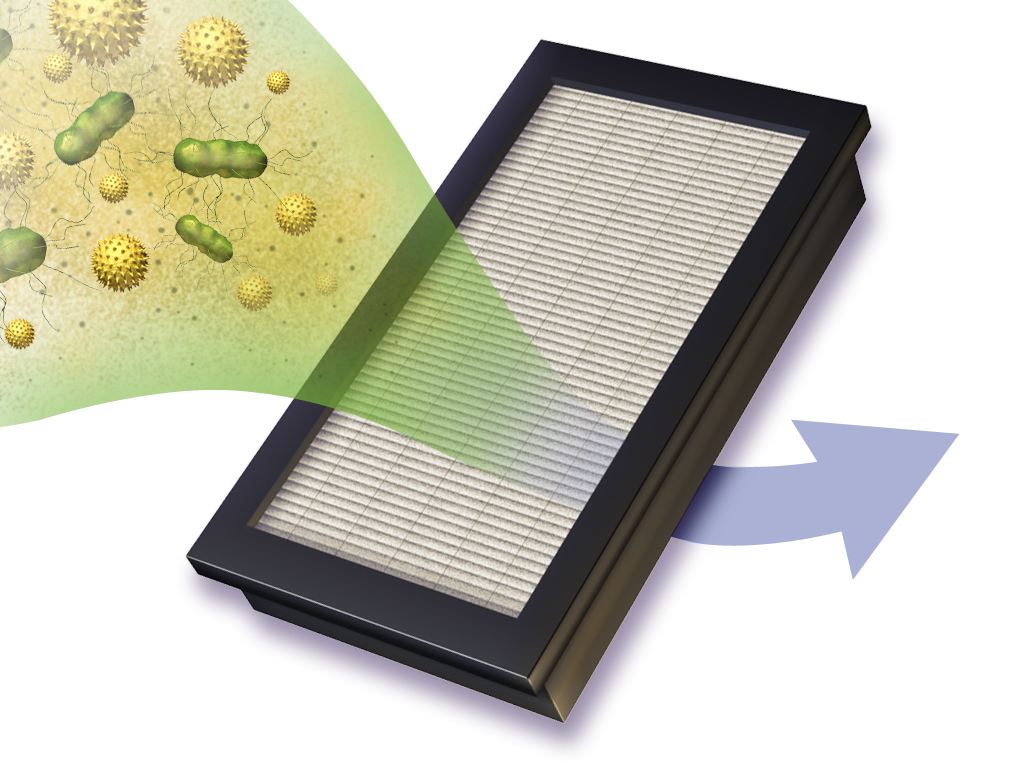
A dirty or moldy cabin air filter contributes to the problem and can be the primary odor source in some cases. If you haven’t replaced yours in over a year, swap it out. A fresh activated charcoal cabin air filter helps absorb odors in addition to filtering particles.

Activated Charcoal Cabin Air Filter
Superior odor absorption compared to standard paper filters
Check the filter housing for moisture or visible mold when you pull the old filter out. If the housing is wet, the condensation drain may be clogged.
Unclog the Condensation Drain
The evaporator drain tube exits under the car, usually on the passenger side of the firewall. If it gets clogged with debris, water backs up inside the HVAC box and creates standing water that smells terrible. You can carefully clear it with compressed air or a thin, flexible wire pushed gently into the drain opening from underneath the car.
Signs of a clogged drain include water pooling on the passenger-side floor, a sloshing sound when turning, or no water dripping under the car during AC use on a humid day. This issue can develop in any vehicle, from family SUVs to first cars.
Prevention Tips
The most effective prevention trick is to turn off the AC but leave the blower running on medium for the last 3 to 5 minutes of your drive. This circulates warm, dry air over the evaporator and dries the surface before you park. Mold can’t grow without moisture.
Replace your cabin air filter every 12,000 to 15,000 miles, or more often in humid climates. Running the AC regularly (even briefly in winter) keeps the system exercised and prevents the stagnation that encourages growth.
Just like other regular maintenance tasks help keep your vehicle reliable for the long haul, consistent AC care prevents recurring issues that are more expensive to fix later.
When to See a Mechanic
If you’ve cleaned the evaporator and replaced the filter but the smell persists, a professional can remove the blower motor and directly access the evaporator for a thorough cleaning. Some shops also offer an ozone treatment that kills mold throughout the entire HVAC system.
This deeper service is particularly useful for vehicles that have been sitting unused for extended periods or in extremely humid environments where mold grows aggressively.
Frequently Asked Questions
Is the mold in my car AC dangerous?
It can aggravate allergies, asthma, and respiratory sensitivities. If anyone in the car frequently sneezes or has irritated eyes when the AC runs, mold in the HVAC system is a likely contributor.
Why does the smell come back after I clean it?
If you’re not drying the evaporator before parking (by running the fan without AC), moisture returns and mold re-establishes within weeks. Consistent prevention is more effective than repeated cleaning.
Can I prevent AC smells in any climate?
Yes, but humid climates require more diligent maintenance. Replace filters more frequently, run the drying cycle every trip, and consider treating the evaporator twice a year instead of annually.
Will this fix work if my AC isn’t cooling properly?
Mold and odors don’t typically affect cooling performance. If your AC blows warm air, you may have a refrigerant leak or compressor issue that requires separate diagnosis. Check out our guide on cars overheating with AC on for related cooling system problems.




Leave a Reply