

Waking up to a dead battery once is annoying. Waking up to one repeatedly means something in your car is draining power while it’s parked. This is called a parasitic draw, and every car has some (the clock, security system, and key fob receiver all use tiny amounts of power). The problem starts when something draws more current than normal and drains the battery overnight or within a few days.
What Causes Parasitic Battery Drain
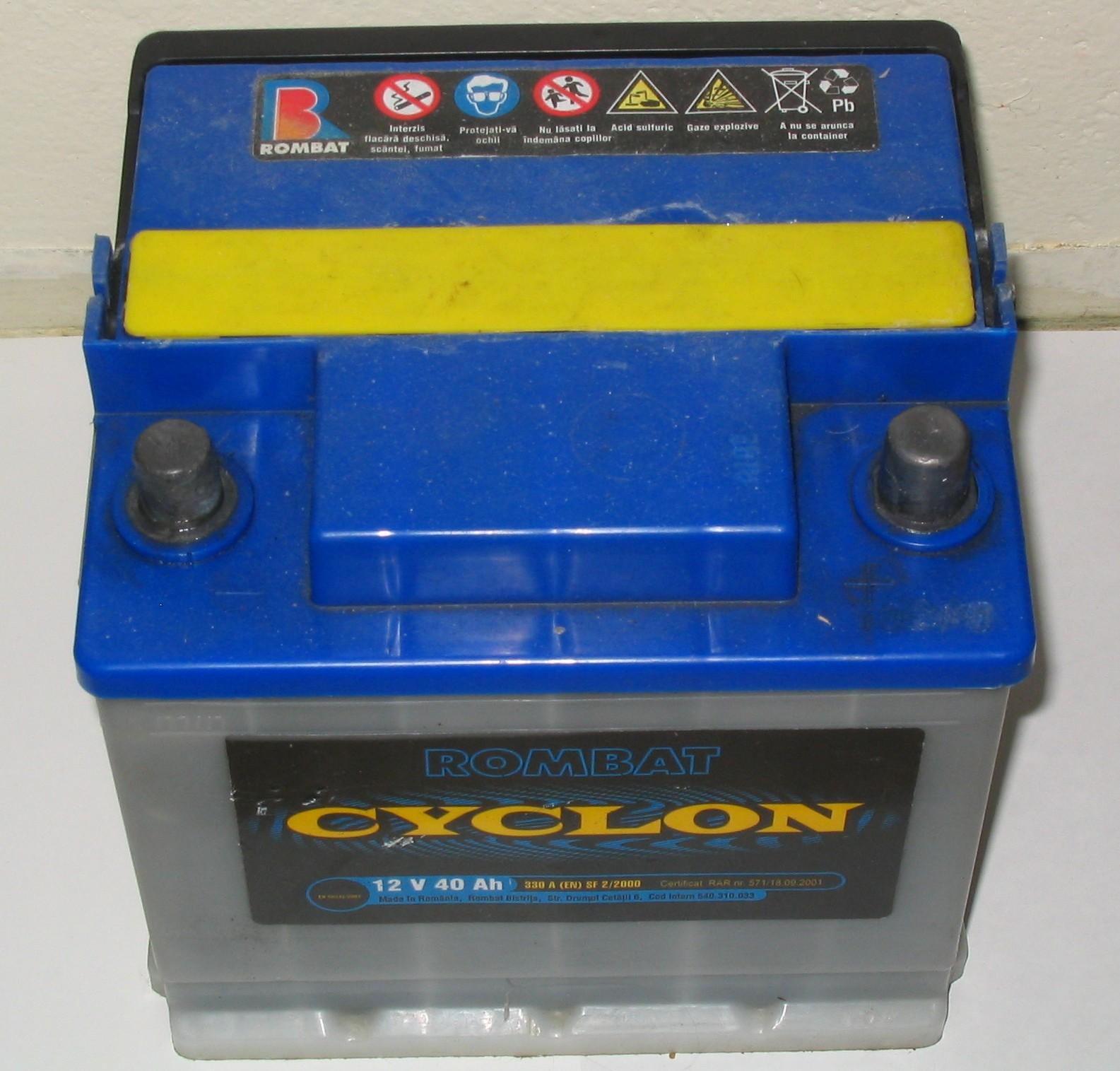
A normal parasitic draw is around 25 to 50 milliamps. Anything above 75 to 100 milliamps is excessive and will drain a battery noticeably over a day or two. Common culprits include:
- Interior or trunk lights staying on from a faulty door switch or a dome light left in the “on” position.
- Aftermarket accessories like amplifiers, alarm systems, or dashcams that are wired directly to battery power instead of a switched circuit.
- Faulty control modules that don’t go to sleep when the car is off. Infotainment, body control, and Bluetooth modules are frequent offenders.
- A stuck relay that keeps a circuit energized after the car is shut off.
- A glove box or underhood light that stays on with the compartment closed due to a misaligned switch.
If you’re dealing with 12V battery issues in a Toyota Prius, the causes can be slightly different due to the hybrid system’s unique design. But for most conventional vehicles, the causes above are where you’ll find your problem.
How to Test for Parasitic Draw
You’ll need an automotive multimeter capable of reading DC milliamps. Here’s the basic procedure:

Automotive Multimeter
Essential for diagnosing electrical issues, and you’ll use it for more than just parasitic draw testing
- Turn off everything in the car. Close all doors, and make sure the key is out of the ignition.
- Disconnect the negative battery cable.
- Set your multimeter to DC amps (the milliamp range if available).
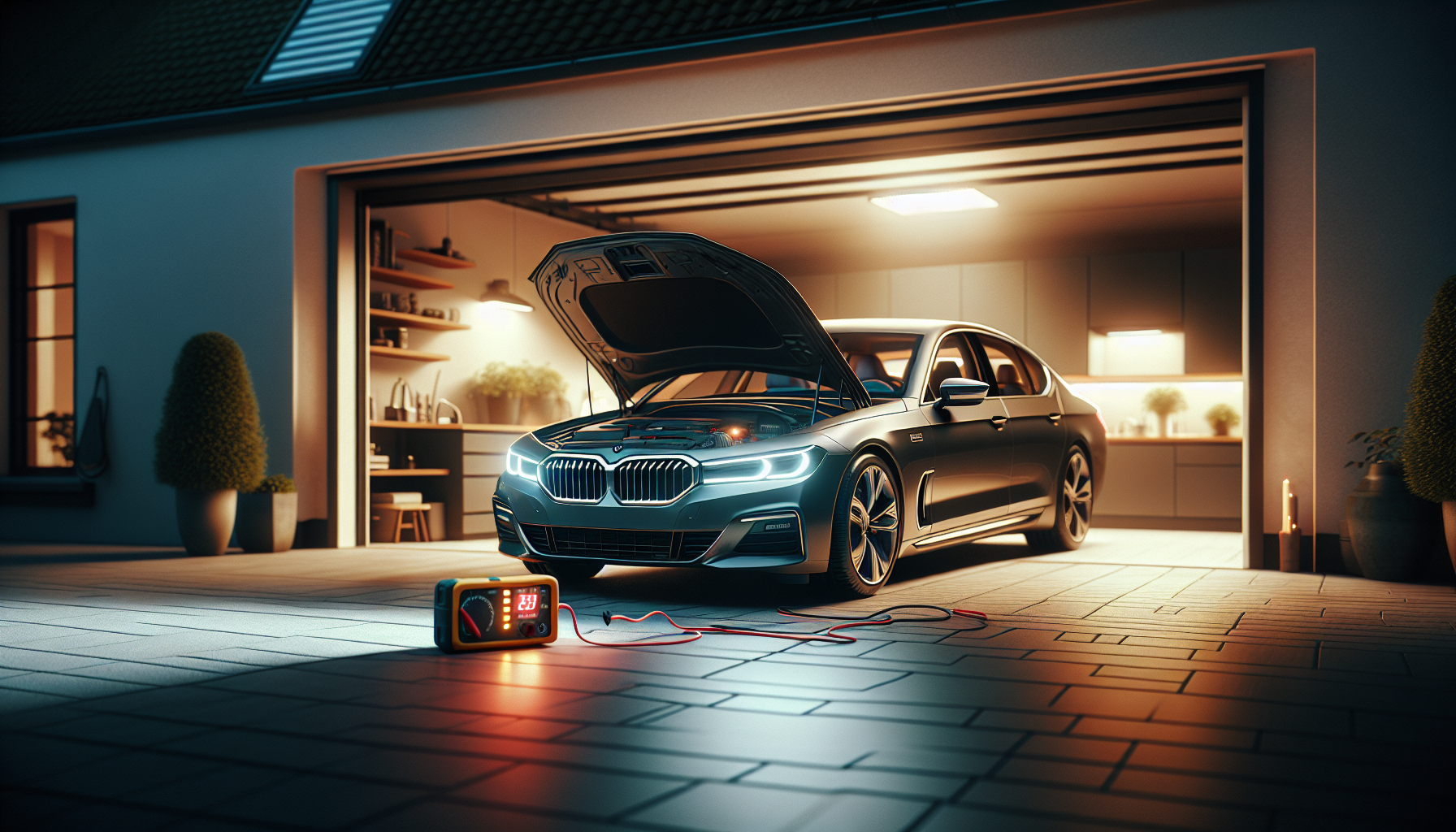
- Connect the multimeter in series between the negative battery terminal and the negative cable. The meter now reads all current flowing from the battery.
- Wait 15 to 30 minutes for all modules to go to sleep. Many modern cars take up to 20 minutes for everything to power down.
- Read the draw. Under 50 milliamps is normal. Over 100 milliamps means something is staying awake.
Finding the Offending Circuit
Once you’ve confirmed an excessive draw, start pulling fuses one at a time while watching the multimeter. When you pull the fuse that feeds the offending circuit, the draw will drop significantly. The fuse box diagram (in your owner’s manual or on the fuse box cover) tells you which components are on that circuit.
From there, you can narrow it down to the specific device. If it’s a circuit that feeds multiple accessories, you may need to disconnect them individually until the draw drops.
This same diagnostic approach works for other electrical gremlins. If you’re troubleshooting issues like an infotainment system that won’t go to sleep, checking the parasitic draw on that module’s circuit can reveal whether it’s the source of your battery drain.
Common Quick Fixes
Check your dome light, glove box light, and trunk light first. These are the most common and easiest causes to fix. Close each compartment and verify the light actually turns off. A worn door switch that doesn’t fully depress can keep a light on indefinitely.
If you have aftermarket accessories (stereo amplifiers, LED light bars, dash cameras), check how they’re wired. Any device wired directly to the battery or to a constant-power fuse will draw power 24/7. Rewiring to a switched circuit (one that only has power when the ignition is on) eliminates the drain.
When It’s a Bigger Problem
If pulling fuses reveals the draw is coming from a major control module (like the body control module or infotainment system), you’re looking at a more involved repair. These modules can fail and stay partially awake, slowly draining your battery over several days.
Sometimes a software update can fix a module that won’t sleep. Check with your dealer to see if there are any technical service bulletins for your vehicle. Other times, the module needs replacement, which isn’t cheap but is often the only solution.
Preventing Future Battery Drain
Once you fix the immediate problem, consider how you use your vehicle. If you only drive short distances or let the car sit for weeks at a time, even a normal parasitic draw can drain the battery. A healthy battery with normal draw should maintain enough charge for 2 to 4 weeks without driving.
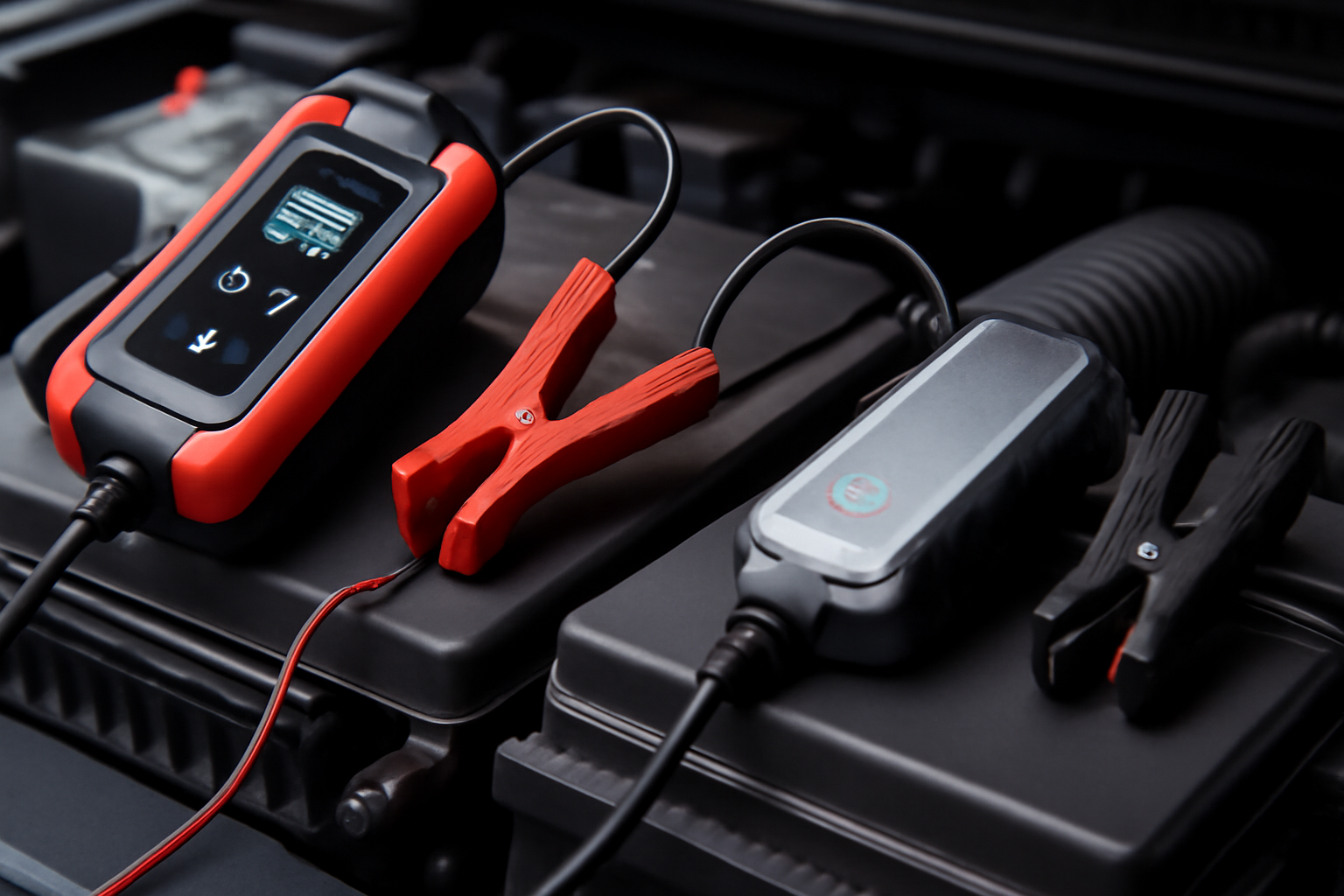
For vehicles that sit unused frequently (like a project car or seasonal vehicle), a battery disconnect switch gives you an easy way to cut all power when the car is parked. You can also look into proper long-term storage procedures if you’re planning to park the car for months at a time.

Battery Disconnect Switch
Makes it easy to cut all power for long-term storage without removing battery cables every time
Frequently Asked Questions
Can a bad battery cause what looks like a parasitic drain?
Yes. An internally shorted battery cell drains itself without any external draw. If your parasitic draw test shows normal current but the battery still dies, have the battery load-tested. A failing battery can self-discharge overnight.
Will disconnecting the battery every night prevent the problem?
It prevents the battery from dying, but it doesn’t fix the underlying issue. You’ll also lose radio presets and adaptive memory each time. A battery disconnect switch makes this easier, but finding and fixing the drain is the real solution.
How long should a car battery last without driving?
A healthy battery with normal parasitic draw (under 50 milliamps) should maintain enough charge to start the car for 2 to 4 weeks. If your battery dies within a few days of sitting, the draw is excessive.
What if I can’t find the source of the drain?
If you’ve pulled every fuse and the draw persists, the problem might be in a circuit that doesn’t go through the fuse box (like the alternator or starter). You may also have multiple small drains adding up. A professional auto electrician with specialized diagnostic tools can trace these harder-to-find issues.

Leave a Reply