
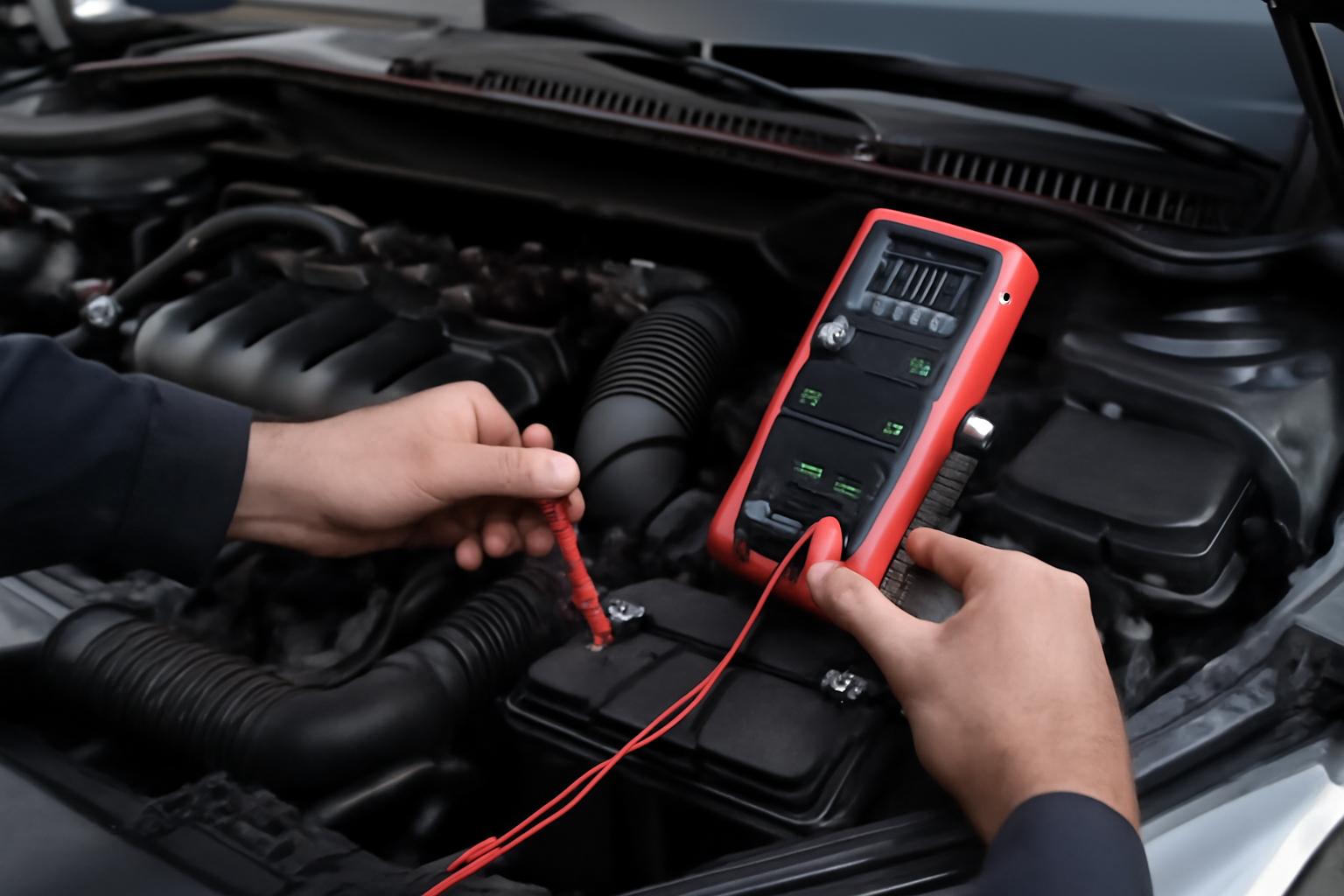
Your battery is new, the alternator tests fine, but the car is dead every morning. This classic symptom points to a parasitic drain, something in the car’s electrical system drawing power while the engine is off.
Every car has a small normal drain from the clock, alarm, and computer modules, but when that drain exceeds about 50 milliamps, it can kill a battery overnight. Finding the culprit requires a multimeter and some patience, but the process is methodical and entirely doable at home.
What’s a Normal Parasitic Drain?
A healthy vehicle draws 25 to 50 milliamps (mA) with everything off and the car in sleep mode. This powers the clock, anti-theft system, key fob receiver, and ECU memory.
A drain above 50 mA is considered excessive, and anything above 100 mA will noticeably shorten battery life. A drain of 300 mA or more can kill a battery overnight.
How to Test for Parasitic Drain
You’ll need a digital multimeter that reads DC milliamps (most do) and a basic set of fuse pullers.
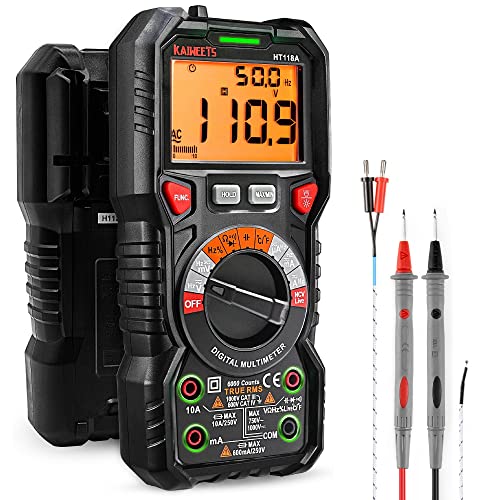
Digital Multimeter Automotive
Essential tool for diagnosing electrical issues and measuring parasitic drain accurately
Step-by-Step Drain Test
- Make sure all doors, the hood, and trunk are closed, and all lights and accessories are off. Remove the key from the ignition.
- Disconnect the negative battery cable.
- Set your multimeter to the DC amps (A) setting, starting with the highest range (usually 10A or 20A).
- Connect the multimeter in series between the negative battery terminal and the negative cable. One probe touches the terminal, the other touches the cable clamp.
- Wait 10 to 15 minutes. Many car modules take time to go into sleep mode. The reading will start high and gradually drop as modules shut down.
- Read the final resting draw. If it’s above 50 mA, you have an excessive parasitic drain.
Important: don’t open any doors or turn on any accessories during the test. This wakes up modules and gives a false high reading. If your car has a hood light, tape the switch down so the light stays off with the hood up.
Isolating the Circuit
Once you’ve confirmed an excessive drain, the next step is finding which circuit is responsible. This is done by pulling fuses one at a time while watching the multimeter.
- With the multimeter still connected and showing the parasitic draw, open the fuse box (interior fuse panel first, then under-hood).
- Pull one fuse at a time and watch the multimeter reading.
- If the reading drops significantly when you pull a specific fuse (for example, from 350 mA down to 40 mA), that circuit contains the problem.
- Reinstall the fuse and move to the next one if the reading doesn’t change.
- Identify the circuit by the fuse label in your owner’s manual or fuse box diagram.
Once you know which circuit is draining power, you can trace the wiring and components on that circuit to find the specific culprit.
Common Parasitic Drain Culprits
Aftermarket Stereos and Amplifiers
Poorly wired aftermarket head units are one of the top causes. If the constant power and switched power wires are reversed, the stereo stays on even with the key off.
Amplifiers with a bad remote turn-on circuit also draw significant power continuously.
Trunk and Glove Box Lights
A faulty door switch keeps the light on when the trunk or glove box is closed. Check by closing the trunk and waiting.
If you can see light seeping from the edges, the switch is bad or misadjusted.
Dash Cams
A dash cam hardwired without a proper voltage cutoff module draws power 24/7. Quality hardwire kits include a low-voltage cutoff that shuts the camera down before the battery gets too low.

Dash Cam Hardwire Kit Low Voltage Cutoff
Prevents battery drain by automatically shutting off your dash cam when voltage drops too low
Bad Door Switches
Door courtesy lights and dome lights are controlled by switches in the door jamb. A stuck or corroded switch makes the car think a door is open, keeping interior lights on.
Failing Alternator Diode
A bad diode in the alternator allows current to flow backward through the charging circuit, draining the battery. This won’t show up on a fuse-pull test because the alternator isn’t on a fuse.
Disconnect the alternator wiring harness during the drain test to check.
When the Battery Itself Is the Problem
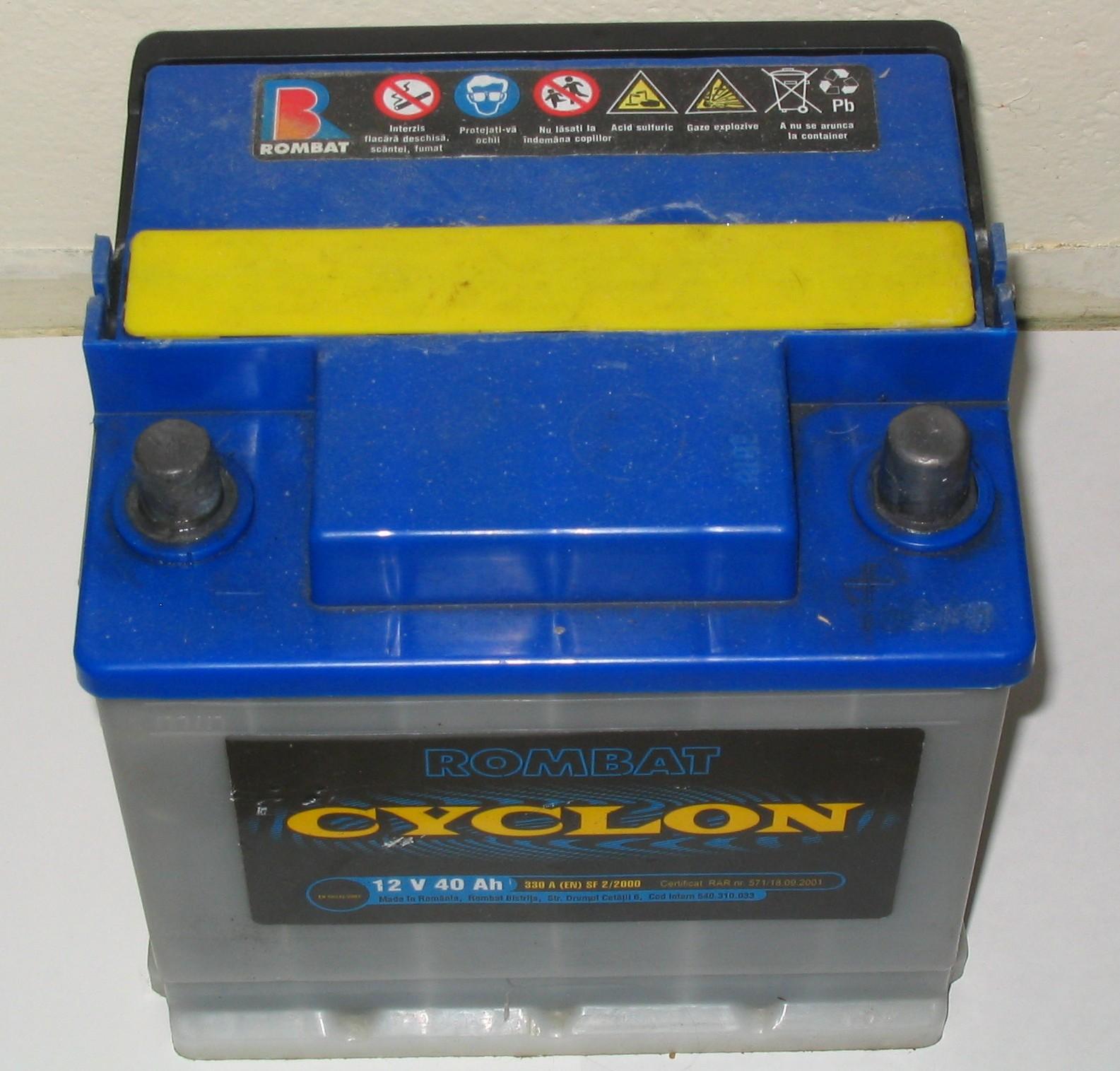
Sometimes the battery is simply old. A lead-acid car battery lasts 3 to 5 years in moderate climates and 2 to 3 years in hot climates like Arizona or Texas.
An aging battery loses capacity and can’t handle even a normal 30 mA parasitic drain overnight. This is especially true for high-mileage vehicles that may have original batteries well past their prime.
Have the battery load-tested at any auto parts store (it’s free). A battery can show 12.6 volts on a multimeter but fail under load because its internal plates are sulfated. If the battery fails the load test, no amount of drain hunting will fix your problem.
Preventing Future Battery Drain Issues
If you’re planning to store your car for an extended period, understanding parasitic drain becomes even more critical. Even a normal 30 to 50 mA drain will eventually deplete a battery over weeks or months.
A quick-disconnect terminal clamp makes it easy to disconnect the battery when parking for long periods. You’ll lose radio presets, clock time, and seat memory positions every time, but it prevents a dead battery when you return.
Frequently Asked Questions
Can I just disconnect the battery when I’m not driving?
You can, and a quick-disconnect terminal clamp makes this easy. But it’s a workaround, not a fix.
You’ll lose radio presets, clock time, and seat memory positions every time. It’s better to find and fix the actual drain.
Will a trickle charger solve the problem?
A battery maintainer keeps the battery charged, but the underlying drain still wastes electricity and can overheat the draining component, creating a fire risk.
Use a maintainer as a temporary measure while you track down the drain. Similar battery issues have been reported in hybrid vehicles, like the Toyota Prius 12V battery draining problems.
How long should a car battery last without driving?
A healthy battery with a normal 30 to 50 mA parasitic drain should hold enough charge to start the car for 2 to 4 weeks of sitting.
If your battery dies in less than a week without driving, you either have an excessive drain or the battery is past its useful life.
What if the drain only happens sometimes?
Intermittent drains are harder to diagnose but often point to a component that doesn’t always shut off properly. Modules that fail to enter sleep mode or aftermarket accessories with timers can cause this.
Test the drain multiple times on different days to see if the pattern changes. This can help you identify whether the issue is related to temperature, humidity, or specific driving conditions.



Leave a Reply