
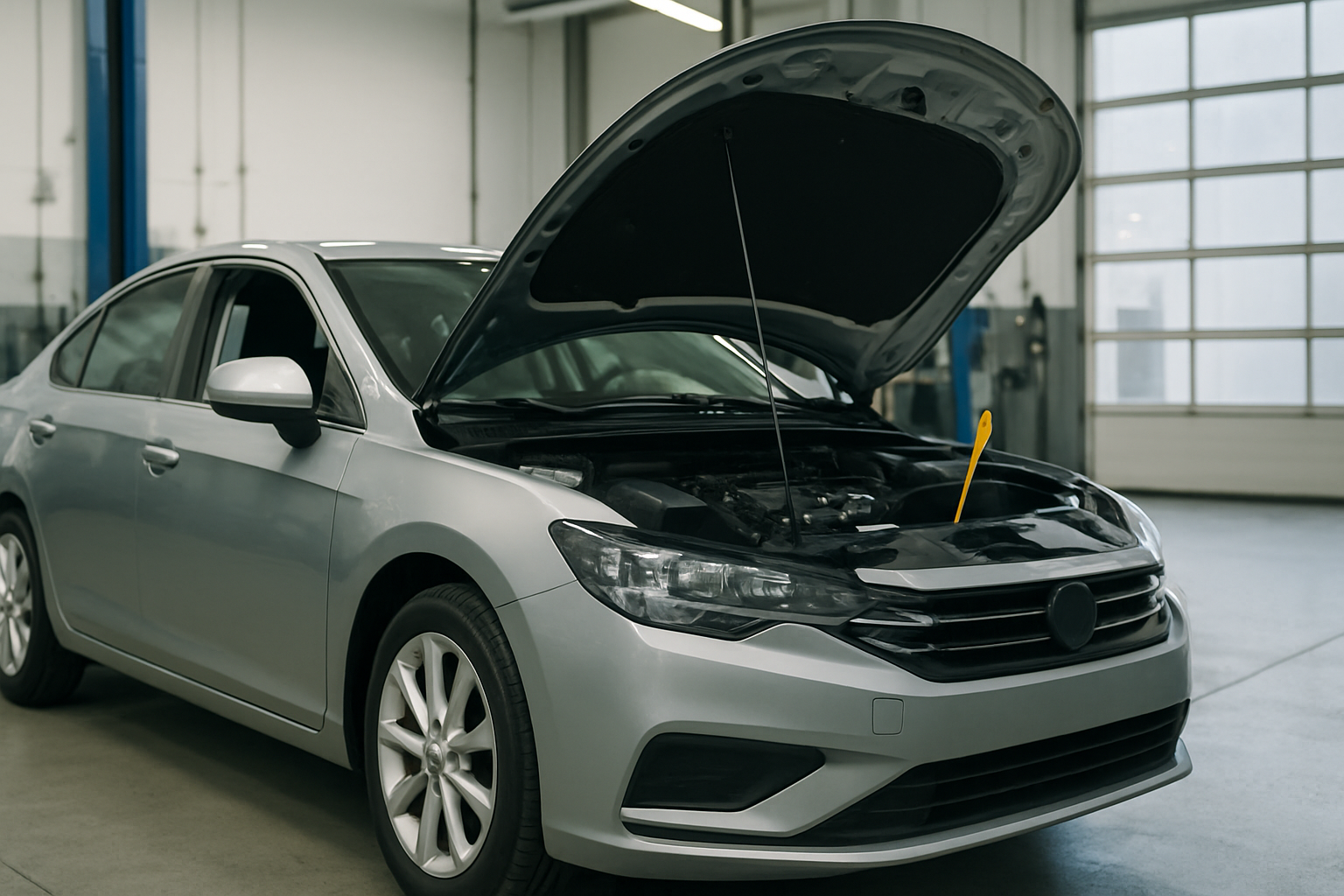
The old rule of changing your oil every 3,000 miles has become one of the most persistent automotive myths. Modern engines and synthetic oils have completely transformed how often your car actually needs fresh oil, yet millions of drivers still follow this outdated advice.
Understanding the real oil change intervals for today’s vehicles can save you hundreds of dollars annually while keeping your engine properly maintained.
Why the 3,000-Mile Rule Is Dead
The 3,000-mile oil change interval made sense decades ago when engines ran dirtier and conventional oils broke down quickly. Cars from the 1970s and 1980s had looser tolerances, less sophisticated filtration systems, and ran with conventional petroleum-based oils that degraded rapidly under heat and pressure.
Today’s engines operate with precision-machined components, advanced filtration systems, and computer-controlled fuel injection that keeps combustion cleaner. Modern synthetic and synthetic-blend oils maintain their protective properties far longer than the conventional oils of previous generations.
Quick-lube shops and some service centers continue promoting the 3,000-mile myth because it drives business. Changing your oil more than twice as often as necessary generates significant revenue, even though it provides no additional protection for modern engines.
What Modern Car Manufacturers Actually Recommend
Most vehicle manufacturers now recommend oil change intervals between 7,500 and 10,000 miles when using synthetic oil. These recommendations come from extensive testing and real-world data, not marketing departments trying to reduce maintenance costs.
Honda recommends 7,500-mile intervals for most of their current models. Toyota suggests 10,000 miles for vehicles using 0W-20 full synthetic oil. BMW, Mercedes-Benz, and Audi commonly specify intervals ranging from 10,000 to 15,000 miles depending on the specific engine and oil specification.
These manufacturers have billions of dollars invested in warranty claims and reputation. They wouldn’t recommend longer intervals if doing so risked engine damage or premature wear.
How Oil Life Monitoring Systems Work
Modern vehicles include sophisticated oil life monitoring systems that track multiple variables to determine when oil changes are actually needed. These systems monitor engine temperature, RPM patterns, load conditions, ambient temperature, and driving time to calculate oil degradation.
Your car’s computer continuously analyzes these factors and provides a more accurate assessment of oil condition than any predetermined mileage interval could offer. When the system shows 10% oil life remaining, you typically have 500-1,000 miles before the oil change is actually due.
These monitors account for severe driving conditions automatically. If you frequently drive in stop-and-go traffic, extreme temperatures, or dusty conditions, the system will recommend changes more frequently than if you primarily drive highway miles in moderate weather.
The Synthetic Oil Advantage
Full synthetic motor oils provide superior protection compared to conventional oils, which enables longer change intervals. Synthetic oils resist thermal breakdown, maintain viscosity better across temperature ranges, and contain advanced additive packages that last longer.
Synthetic oils flow better at startup, reducing wear during cold starts when most engine damage occurs. They also maintain protective properties at high temperatures better than conventional oils, which becomes especially important in modern engines that run hotter for efficiency.
High-quality synthetic motor oils from brands like Mobil 1, Valvoline, and Castrol are specifically formulated to last 7,500-10,000 miles in normal driving conditions. These oils cost more upfront but provide better protection and longer intervals.
When You Might Need More Frequent Changes
Certain driving conditions still require shorter oil change intervals, even with synthetic oil. These “severe service” conditions include frequent short trips (under 10 miles), extensive idling, dusty environments, extreme temperatures, and towing heavy loads.
If most of your driving consists of trips under 10 miles, your engine may never reach full operating temperature. This prevents moisture from evaporating out of the oil and can lead to sludge formation. In these cases, changing oil every 5,000-6,000 miles provides better protection.
Commercial vehicles, delivery trucks, and cars used for ride-sharing services typically require more frequent changes due to constant use and varied operating conditions. Check your owner’s manual for severe service recommendations if your driving patterns fit these categories.
Different Oil Types and Their Intervals
Conventional petroleum-based oil should be changed every 5,000-6,000 miles in most modern engines. While this oil costs less initially, the shorter intervals mean you won’t save money compared to synthetic oil over time.
Synthetic blend oils typically last 6,000-7,500 miles and offer a middle ground between conventional and full synthetic options. These blends provide some benefits of synthetic oil but don’t last as long as full synthetic formulations.
High-mileage oils designed for vehicles with over 75,000 miles often use synthetic blend or full synthetic formulations with seal conditioners. These oils can typically go 6,000-7,500 miles depending on the specific formulation and your vehicle’s condition.
How to Check Your Manufacturer’s Recommendations
Your owner’s manual contains the definitive oil change interval for your specific vehicle. Look for the maintenance schedule section, which typically separates normal and severe service conditions. This information is also usually available in the glove compartment maintenance booklet.
Many manufacturers also provide maintenance information online through their customer portals. You can enter your VIN to get specific recommendations for your exact vehicle, including oil specification and change intervals.
The oil cap or dipstick area often displays the required oil viscosity (like 5W-30 or 0W-20) and may indicate whether conventional or synthetic oil is required. Some newer engines require synthetic oil and won’t provide proper protection with conventional alternatives.
Understanding Oil Analysis Reports
Oil analysis services can provide detailed information about your oil’s condition and your engine’s health. Companies like Blackstone Labs analyze used oil samples for wear metals, contamination, and remaining additive levels.
These reports show exactly how much life your oil has left and can help you optimize change intervals for your specific driving patterns. Many enthusiasts use oil analysis to safely extend intervals beyond manufacturer recommendations while monitoring engine wear.
Analysis typically costs $25-30 per sample but can pay for itself by preventing unnecessary changes or identifying potential engine problems early. The reports also track trends over time, showing whether longer intervals are working for your engine.
The Real Cost of Unnecessary Oil Changes
Following the 3,000-mile myth instead of your manufacturer’s recommendations can cost $200-400 per year in unnecessary maintenance. This calculation assumes synthetic oil changes cost $60-80 and you drive 12,000 miles annually.
Over a vehicle’s typical ownership period, this adds up to $1,000-2,000 in wasted money. More frequent changes also generate additional environmental waste from used oil and filters that serve no protective purpose.
Time costs matter too. Unnecessary oil changes mean extra trips to service shops, waiting time, and scheduling hassles that provide zero benefit to your engine’s longevity or performance.
When to Change Oil by Time Instead of Mileage
Most manufacturers specify both mileage and time limits for oil changes. Even if you don’t reach the mileage limit, oil should typically be changed every 12 months due to gradual degradation from moisture and oxidation.
Low-mileage drivers who put fewer than 7,500 miles per year on their vehicles should follow the time recommendation rather than mileage. Oil gradually breaks down even when the engine isn’t running, especially in humid climates.
Seasonal drivers who store vehicles for months at a time should consider changing oil before storage periods longer than three months. Fresh oil provides better protection during storage and eliminates contaminated oil from sitting in the engine.
Red Flags That Indicate Earlier Changes
Certain symptoms suggest your oil needs changing regardless of mileage or time intervals. Dark, thick oil that looks like chocolate syrup has broken down and lost its protective properties. Metal particles visible in the oil indicate excessive wear.
Unusual engine noises, especially on startup, can indicate insufficient oil protection. If your oil level drops significantly between changes, you have a leak or consumption issue that requires attention beyond just changing oil more frequently.
Oil that smells like gasoline indicates fuel dilution from incomplete combustion or injector problems. This condition breaks down oil rapidly and requires both shorter change intervals and diagnosis of the underlying issue.
Frequently Asked Questions
Will longer oil change intervals void my warranty?
Following your manufacturer’s recommended intervals will not void your warranty. Federal law prevents manufacturers from requiring more frequent maintenance than specified in your owner’s manual. However, you must use the correct oil specification and document your maintenance properly.
Can I mix synthetic and conventional oil?
You can mix synthetic and conventional oils without harm, but doing so reduces the benefits of synthetic oil. The mixture will only perform as well as the conventional oil component. If cost is a concern, synthetic blend oils provide a better solution than mixing different oil types.
Should I change my oil before long road trips?
Change your oil before extended trips only if you’re already due or close to your normal interval. Fresh oil won’t provide additional protection if your current oil still has significant life remaining. Check your oil level and condition, but don’t change unnecessarily.
Does stop-and-go driving really require more frequent changes?
Yes, frequent short trips and heavy traffic qualify as severe service conditions. These conditions prevent your engine from reaching optimal operating temperature and can introduce more contaminants into the oil. Consider reducing your interval by 20-30% if this describes most of your driving.
This article contains affiliate links. If you purchase through these links, we may earn a small commission at no extra cost to you.
Leave a Reply