
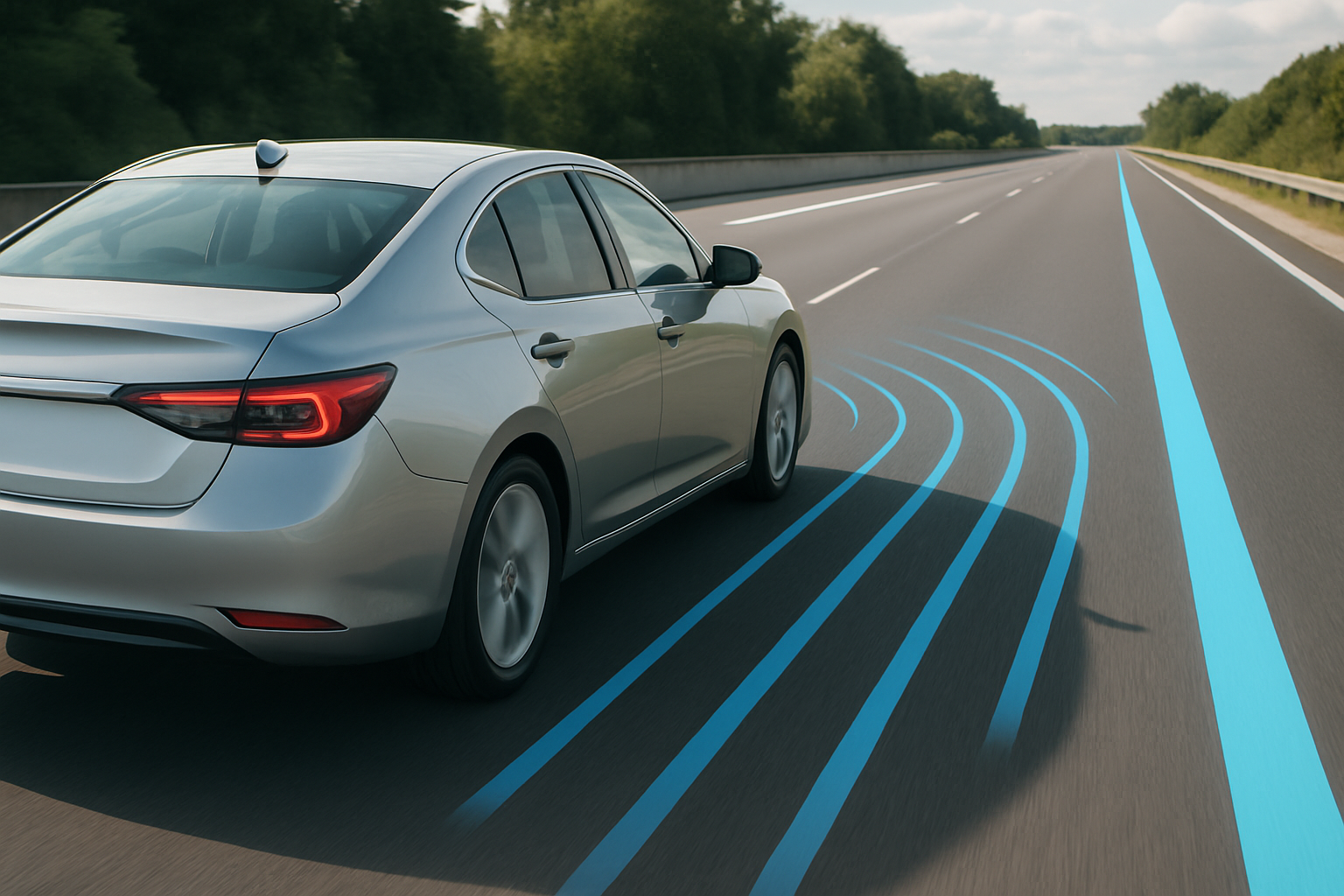
Lane Keep Assist has become standard on most new vehicles, but many drivers don’t fully understand how this safety technology works or when it might fail. Understanding the mechanics behind your car’s ability to nudge you back into your lane can help you use it more effectively and know when to rely on it.
The Camera-Based Detection System
Your Lane Keep Assist system relies on a forward-facing camera mounted behind your rearview mirror. This camera constantly scans the road ahead, looking for lane markings on both sides of your vehicle. The system uses image recognition software to identify these lines and calculate your car’s position within the lane.
The camera typically has a detection range of about 50 to 100 feet ahead of your vehicle, depending on the manufacturer. It processes this visual information dozens of times per second, creating a real-time map of where your lane boundaries are located.
Most systems require you to be traveling above 35-40 mph before they activate. This speed threshold prevents the system from engaging in parking lots or city driving where lane changes happen more frequently.
Lane Keep Assist vs Lane Centering Technology
Not all lane assistance systems work the same way. Basic Lane Keep Assist only intervenes when you’re about to cross a lane line without signaling. You’ll feel a gentle steering correction that nudges you back toward the center of your lane.
Lane Centering systems, found in more advanced vehicles, actively work to keep your car centered in the lane at all times. Instead of waiting for you to drift toward a line, these systems make constant micro-adjustments to your steering.
Toyota’s Lane Tracing Assist, Honda’s Traffic Jam Assist, and similar systems from other manufacturers fall into this more advanced category. They provide a more hands-off driving experience but require more sophisticated calibration.
How Your Car Actually Steers Itself
When the camera detects you’re drifting out of your lane, the system sends a signal to your electric power steering motor. This creates the steering input you feel through the wheel. The correction is typically gentle enough that you can easily override it by applying more steering force.
Some vehicles also use your anti-lock braking system to create a lane-keeping effect. By applying slight brake pressure to the wheels on one side of the car, the system can guide you back into your lane without any steering input.
The entire process from detection to correction happens in milliseconds. Your car’s computer processes the camera feed, determines the correction needed, and applies the steering adjustment faster than you could react manually.
When Lane Keep Assist Fails You
Faded or missing lane markings represent the biggest challenge for these systems. Construction zones, rural roads, and older highways often have lines that your eyes can see but the camera cannot reliably detect. Without clear contrast between the line and the pavement, the system disables itself.
Rain creates multiple problems for camera-based systems. Water droplets on the camera lens can blur the image, while wet pavement reduces the contrast between lines and asphalt. Heavy rain often causes these systems to shut down entirely.
Snow presents even greater challenges. Fresh snow can completely cover lane markings, while older snow creates false lines where plows have cleared the road. Many drivers discover their Lane Keep Assist becomes unreliable during winter driving conditions.
Construction Zone Confusion
Construction zones create particularly tricky situations for Lane Keep Assist. Temporary lane markings, concrete barriers, and shifted traffic patterns can confuse the camera system. The technology might try to follow old lane markings that are still visible but no longer represent the actual traffic pattern.
Orange construction barrels and cones don’t register as lane boundaries to most systems. Your car’s camera looks specifically for painted lines, not temporary markers. This can leave you without lane assistance precisely when road conditions are most challenging.
Lighting Conditions That Cause Problems
Direct sunlight can overwhelm your camera’s sensor, making it difficult to distinguish lane markings from the surrounding pavement. This happens most often during sunrise and sunset when the sun sits low on the horizon.
Nighttime driving presents the opposite challenge. While your headlights illuminate the road ahead, they may not provide enough contrast for the camera to reliably detect lane markings. Some newer systems include infrared capabilities to improve night vision, but many older systems struggle in low light.
Shadows from overpasses, bridges, and trees can cause the system to momentarily lose track of lane markings. As your car moves from bright sunlight into shadow, the camera needs time to adjust, potentially creating a brief gap in lane keeping assistance.
Speed and Road Type Limitations
Most Lane Keep Assist systems deactivate below certain speeds, typically around 35-40 mph. This prevents unwanted steering inputs during city driving, parking, or stop-and-go traffic where lane changes happen frequently.
Curves present another limitation. Sharp turns can exceed the system’s ability to predict where the lane will go next. The camera’s forward-looking range might not extend far enough around tight corners to maintain reliable lane tracking.
Highway on-ramps and off-ramps often cause systems to disengage. These areas feature dotted lines, merging lanes, and changing road geometry that can confuse the lane detection algorithm.
Mechanical Limitations You Should Know
Your Lane Keep Assist can only apply limited steering force. If you’re drowsy or distracted and make a strong movement toward a lane line, the system might not generate enough corrective force to prevent a lane departure. Most systems are designed to be easily overridden by deliberate steering input.
Camera calibration plays a crucial role in system performance. After windshield replacement or certain repairs, your vehicle may need recalibration to ensure the camera accurately interprets road markings. This process typically requires specialized equipment at a dealership or qualified shop.
Dirt, ice, or debris covering the camera lens will disable the entire system. Most vehicles display a warning message when the camera view becomes obstructed, but you might not notice this alert during normal driving.
Making the Most of Your System
Keep your windshield clean, especially the area directly behind your rearview mirror where the camera mounts. Even light dust or water spots can reduce the camera’s effectiveness in detecting lane markings.
Learn to recognize when your system disengages. Most vehicles provide visual or audible alerts when Lane Keep Assist turns off, but these warnings can be subtle. Pay attention to changes in how your steering wheel feels during highway driving.
Don’t rely on Lane Keep Assist as a substitute for attentive driving. These systems work best as a backup safety net, not as a primary means of staying in your lane. Keep your hands on the wheel and your attention on the road.
Future Improvements Coming
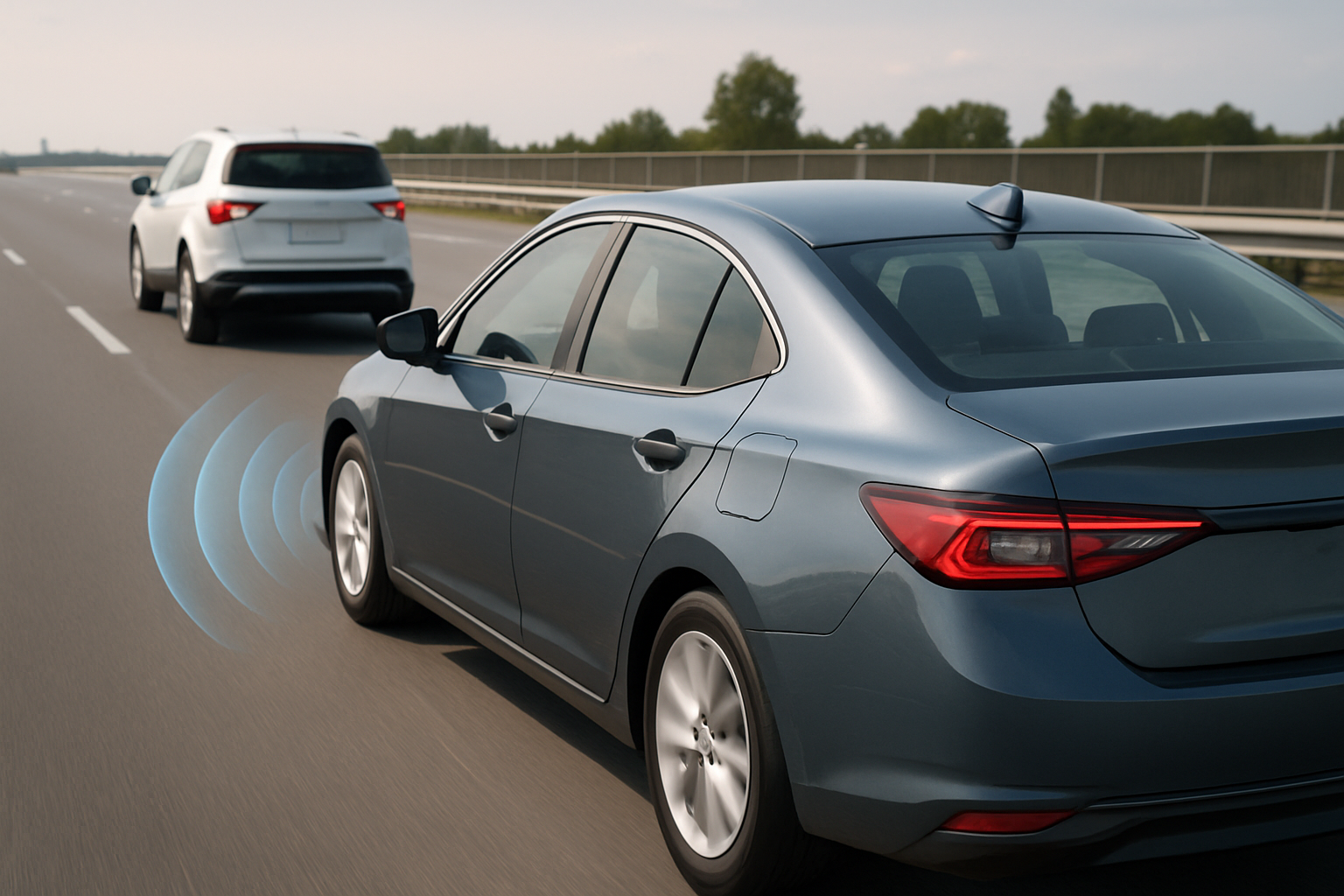
Newer vehicles increasingly combine camera data with GPS mapping and radar sensors to improve lane keeping performance. These multi-sensor systems can maintain lane assistance even when markings become difficult to see.
Machine learning algorithms continue to improve how well these systems handle challenging conditions. Cars learn from millions of miles of real-world driving data, becoming better at distinguishing between actual lane markings and road debris or shadows.
Frequently Asked Questions
Can I permanently disable Lane Keep Assist if I don’t like it?
Most vehicles allow you to turn off Lane Keep Assist through the infotainment system or dashboard controls. However, some cars reset this setting each time you start the engine. Check your owner’s manual for specific instructions on disabling the system in your vehicle.
Why does my Lane Keep Assist work differently on different roads?
Road conditions, lane marking quality, and lighting all affect how well your system functions. Newer highways with fresh paint typically provide the best performance, while older roads with faded markings may cause frequent system disengagement.
Will Lane Keep Assist prevent me from changing lanes when I want to?
The system should not interfere with intentional lane changes when you use your turn signal. However, if you change lanes without signaling, you may feel resistance from the steering system. Using your turn signal tells the car you’re making a deliberate lane change.
How do I know if my Lane Keep Assist camera needs cleaning or calibration?
Your vehicle will typically display a warning message if the camera becomes obstructed or needs attention. If you notice the system working inconsistently or disengaging frequently on roads where it previously worked well, cleaning the camera area or having the system checked may help restore proper function.
This article contains affiliate links. If you purchase through these links, we may earn a small commission at no extra cost to you.
Leave a Reply