

You press the remote start button, wait for that familiar rumble, and nothing happens. Maybe you get a few blinks from the parking lights and then silence, or maybe the horn chirps twice like it’s mocking you. Either way, a Honda Pilot that won’t remote start is one of the more common complaints owners bring to dealerships and forums, and the good part is that most causes are simple enough to check in your driveway before you spend a dime on diagnostics.
This guide walks through the fastest checks first, then moves into the deeper stuff like battery voltage, key fob condition, and the differences between Honda’s factory system and aftermarket remote start kits. Watch the video below for a visual walkthrough, then keep reading for the full troubleshooting list.
Start With the Quick Checks
Before assuming something is broken, run through these basics. Honda’s remote start system (factory installed on many Pilot trims since the 2016 refresh) has built-in safety lockouts that will block a remote start attempt even if everything mechanically works fine.
- Doors and hatch fully closed and locked: The Pilot won’t remote start if a door, the liftgate, or the hood isn’t latched shut. This trips people up more than anything else, especially with the liftgate if it’s not pushed all the way down.
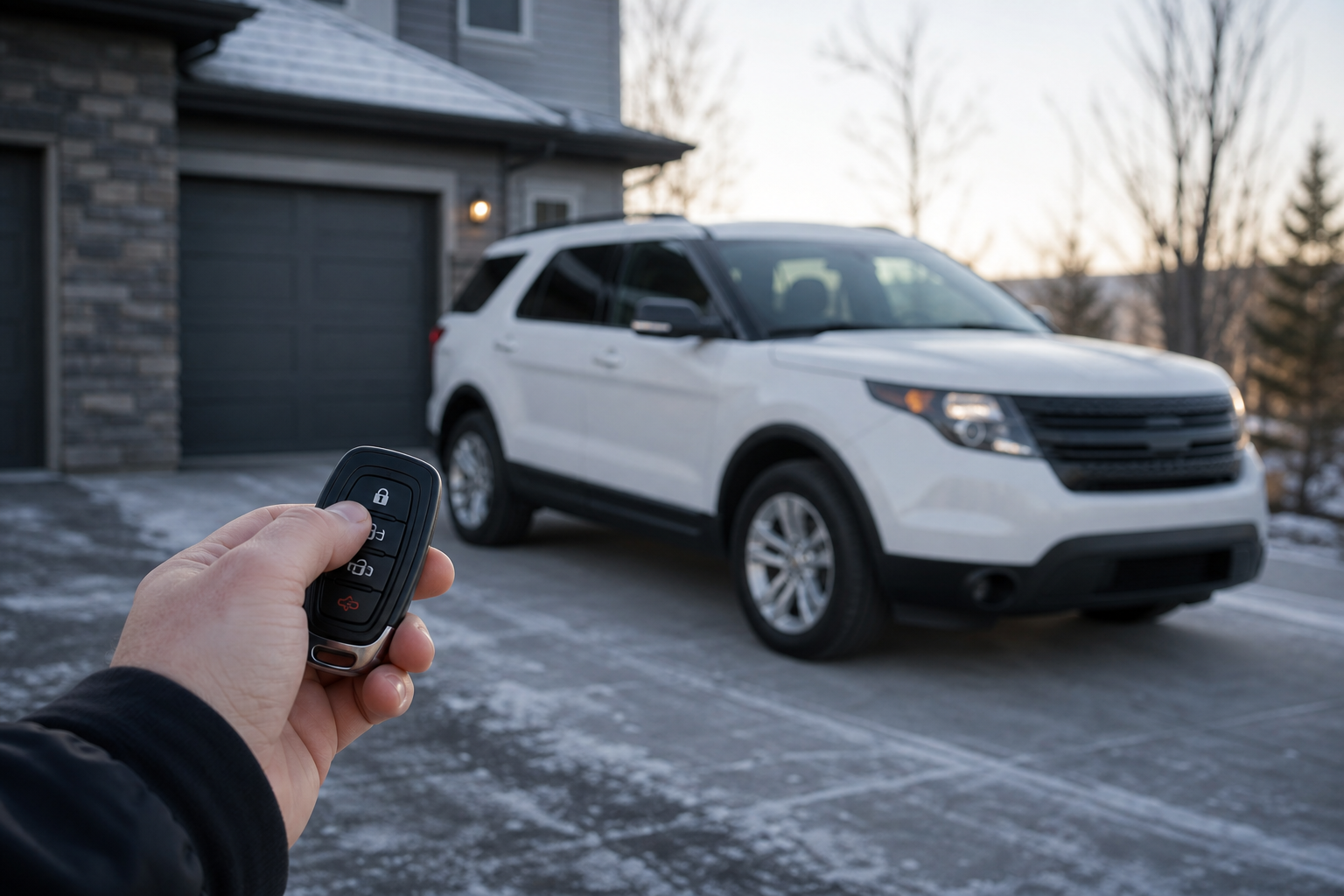
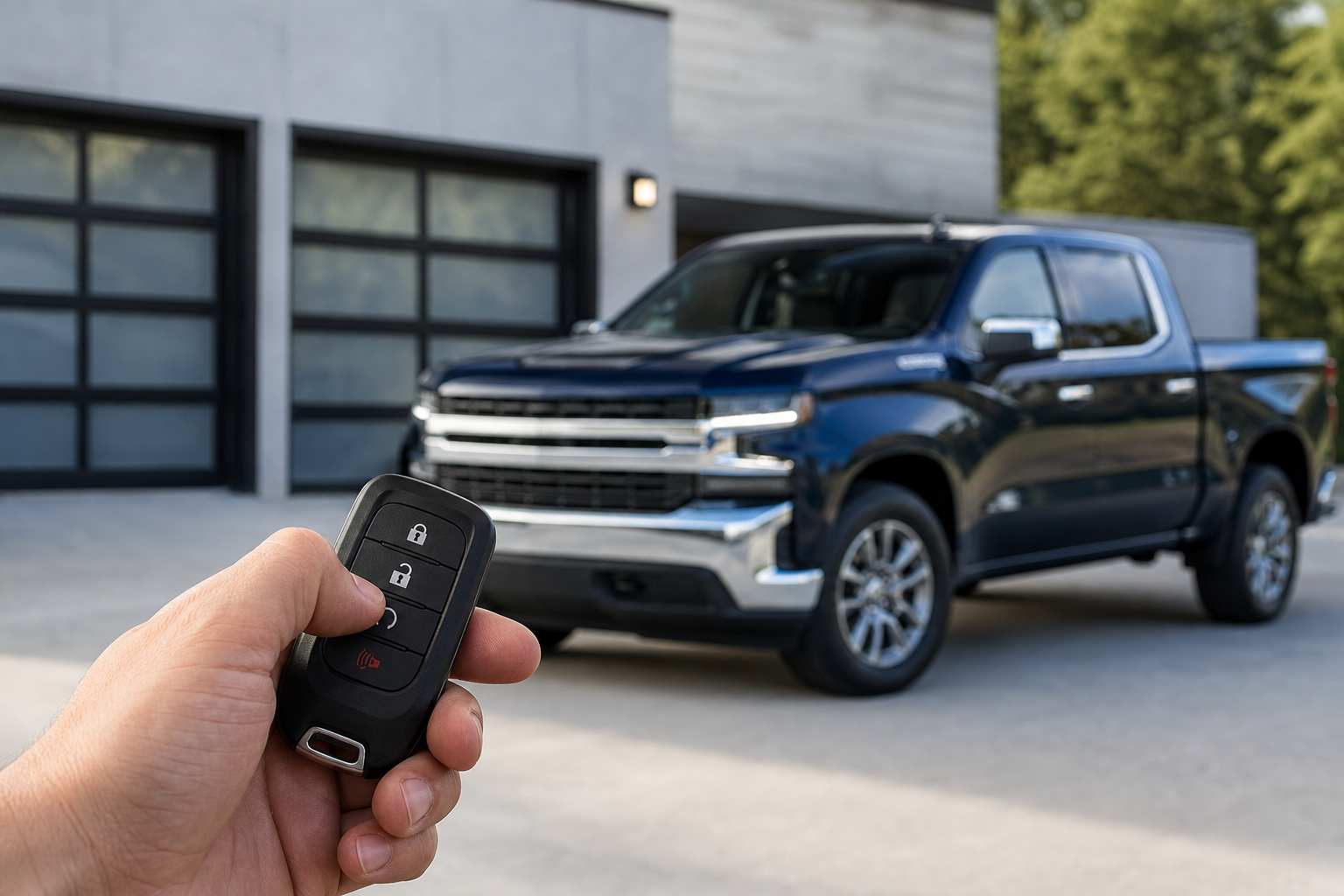
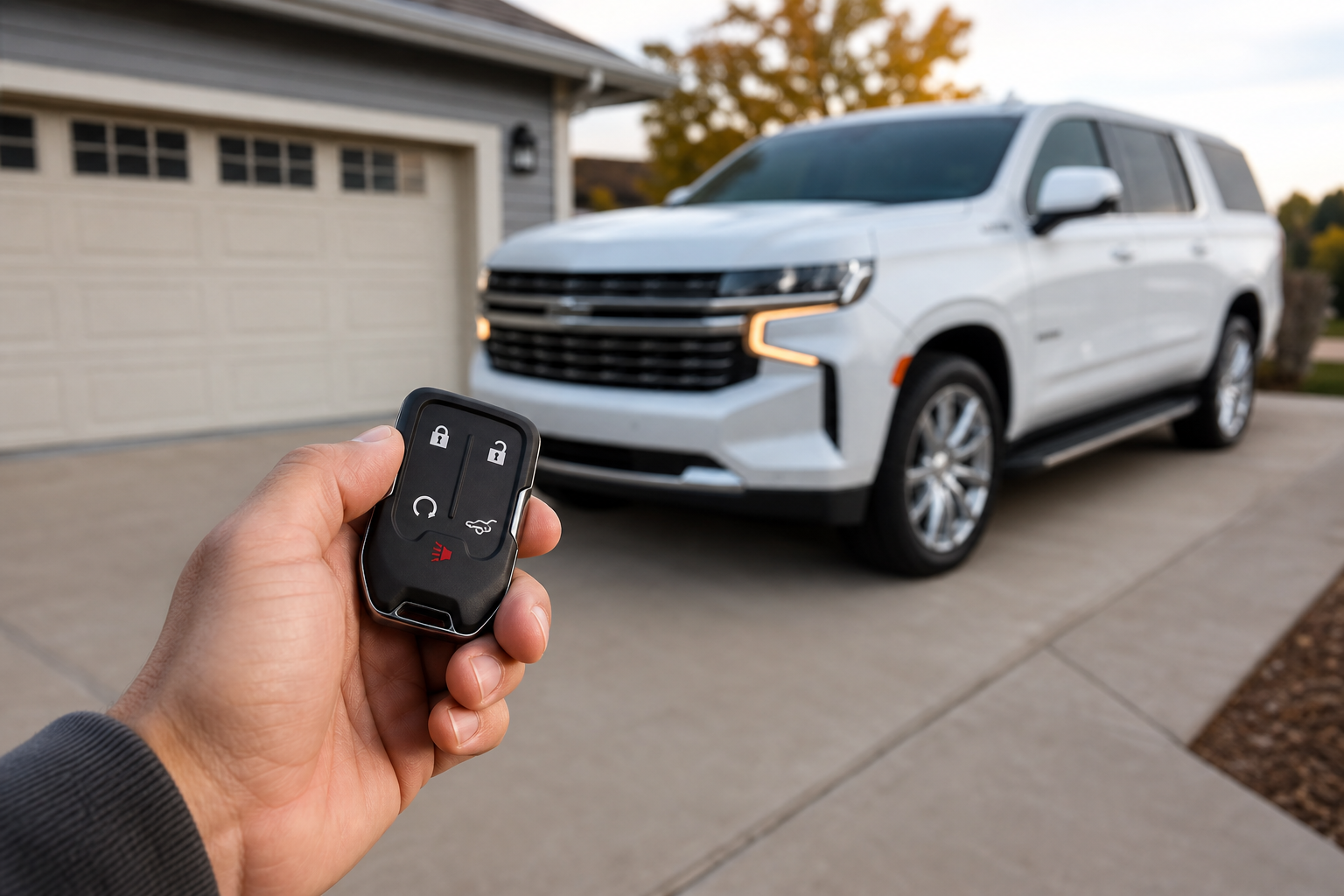
- Correct button sequence: On the factory fob, you lock the doors first, then press and hold the remote start button (the one with the circular arrow icon) for about two seconds. If you press it out of order or too quickly, it won’t register.
- Fuel level: Honda’s system will refuse to remote start if the tank is below roughly a quarter tank on some model years. Check your gauge before you troubleshoot anything else.
- Warning lights on the dash: A check engine light, low tire pressure warning, or other active fault code can block remote start entirely. Clear the underlying issue and try again.
- Key fob battery: A weak battery in the fob is one of the most common culprits and one of the cheapest fixes.
If you’ve confirmed all of the above and it still won’t start, it’s time to dig a little deeper.
Key Fob Battery and Range Issues
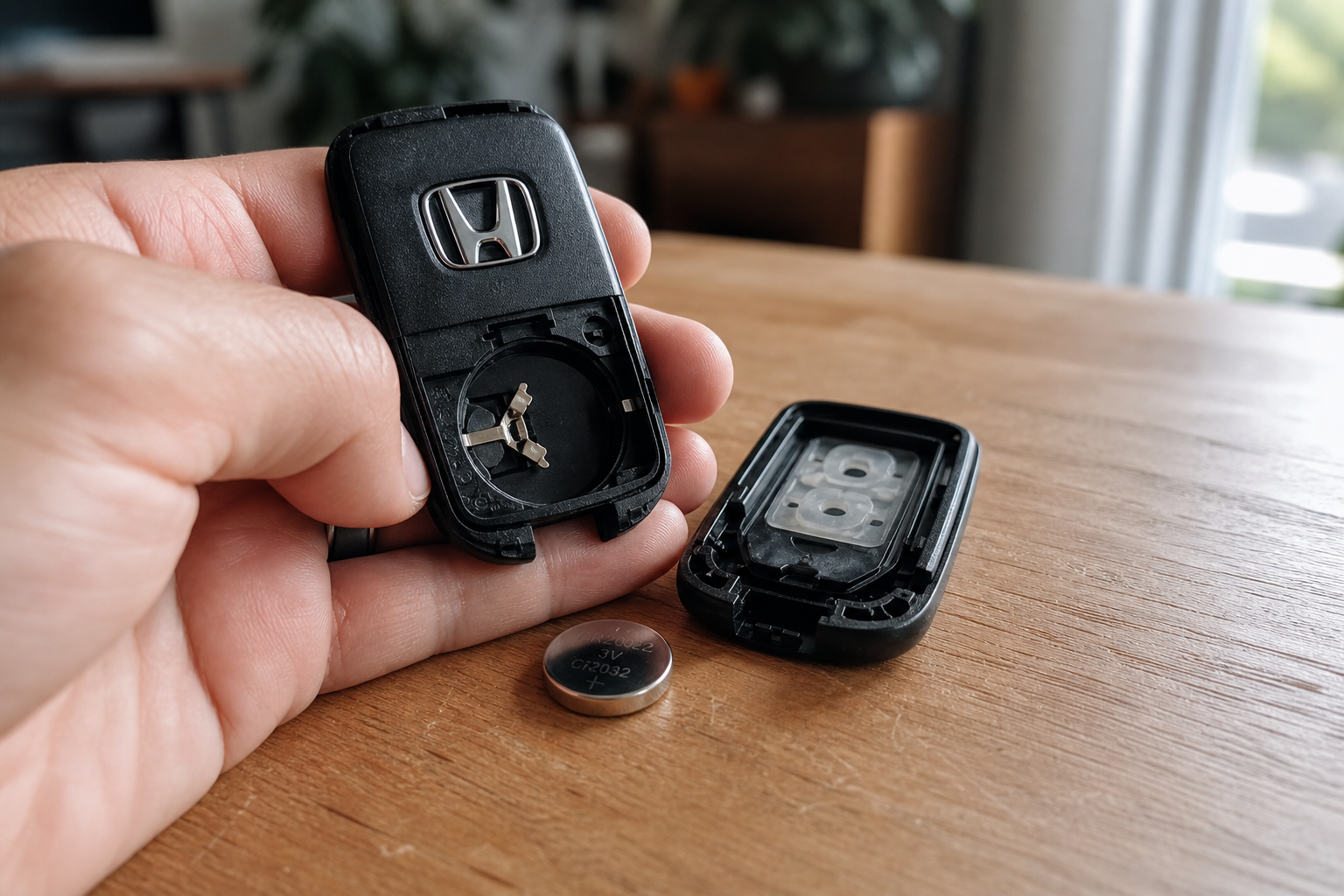
Honda key fobs typically run on a CR2032 coin cell battery, and remote start functions draw more power than a simple lock or unlock signal. That means a fob can still lock and unlock your doors just fine while being too weak to trigger remote start, which throws a lot of owners off since they assume the fob is “working.”
If your remote start used to work fine and has recently gotten unreliable, or only works when you’re standing right next to the vehicle, a dying fob battery is the first thing to suspect. Replacement batteries are inexpensive and take about five minutes to swap using a small flathead screwdriver to pop open the fob shell.
Honda Pilot Key Fob Battery
A cheap fix that solves a surprising number of “remote start not working” complaints.
While you have the fob open, check the battery contacts for corrosion or a loose fit. A battery that looks fine but sits slightly crooked in its slot can cause intermittent failures that mimic a bigger electrical problem.
Check Your Battery Voltage
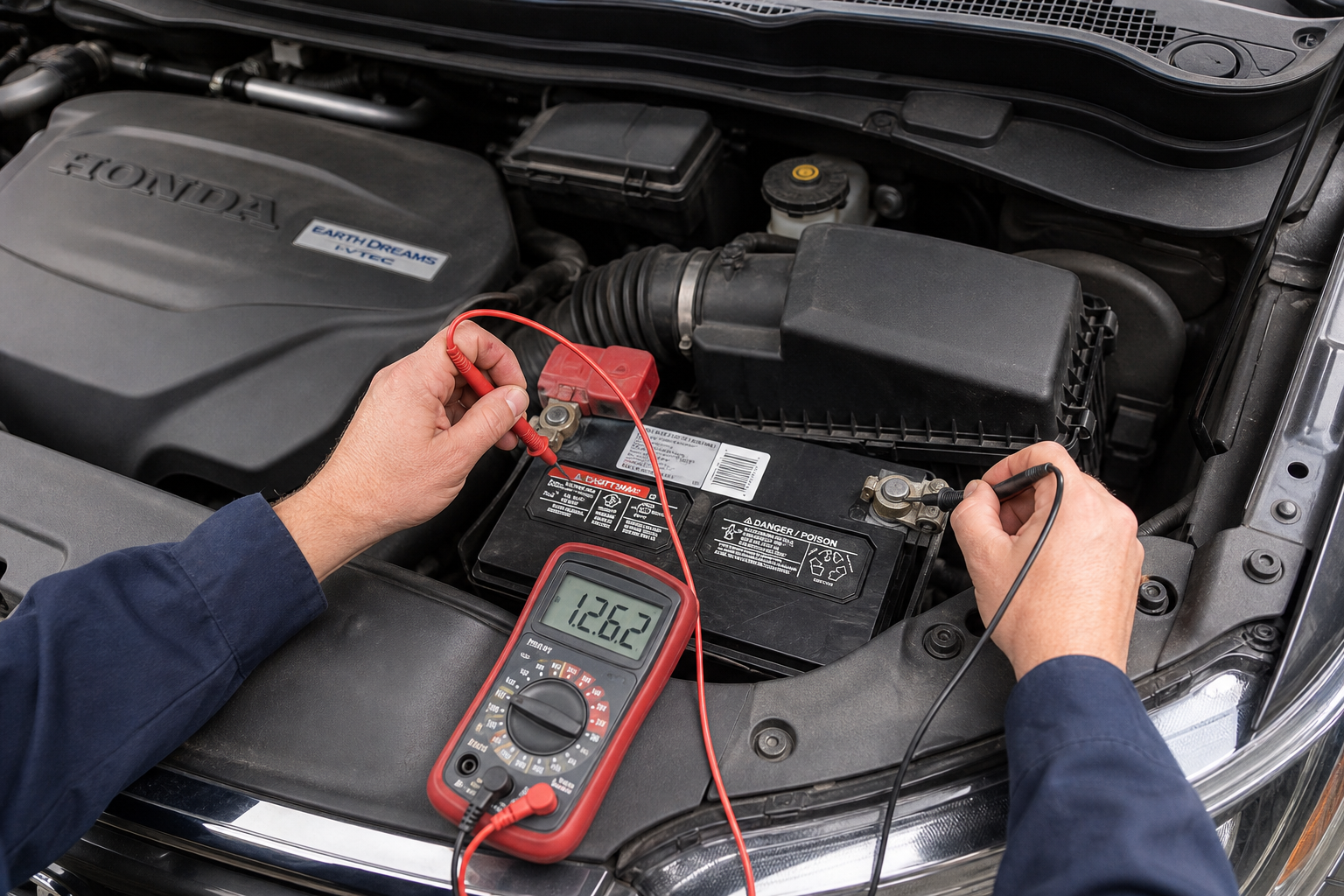
The Pilot’s remote start system needs a healthy 12-volt battery to even attempt a start. If your battery voltage is marginal, the vehicle’s computer may block the remote start request as a protective measure rather than risk a failed crank that drains the battery further.
This is especially common in colder weather, when battery capacity drops and the engine needs more amperage to turn over. If you’ve noticed slower cranking when you start the Pilot manually, weak headlights at idle, or a battery that’s more than three or four years old, that’s likely your answer.
A cheap voltage tester or a trip to any auto parts store for a free battery test will tell you where you stand in a couple of minutes. If you want to keep tabs on this yourself going forward, we’ve got a full breakdown on what it means when your car battery dies overnight even though the alternator checks out fine, which covers a lot of the same testing steps.
Factory Remote Start vs. Aftermarket Systems
This is where a lot of troubleshooting goes sideways, because the fix depends entirely on which system you have.
Factory Honda Remote Start
Honda’s factory system, standard or available on EX-L trims and above starting around the 2016 model year, is built into the vehicle’s computer and tied directly to the key fob. It has strict lockout conditions (fuel level, door status, active warnings) by design, since Honda engineers it to be conservative rather than risk an unsafe remote start.
If you have the factory system and it stops working after previously being reliable, the most common causes in order of likelihood are: weak fob battery, a door or the liftgate not fully latched, low fuel level, or an active warning light. A factory system rarely just “breaks” without one of these triggers.
Aftermarket Remote Start Kits
If your Pilot has an aftermarket remote start (common on used vehicles, dealer-installed add-ons, or older model years without factory support), the troubleshooting looks different. These systems tap into the wiring separately from Honda’s factory electronics, which means problems are more likely tied to the aftermarket module itself, a blown fuse, a loose wiring connection, or a dead remote transmitter rather than any of Honda’s built-in lockouts.
Aftermarket systems also don’t always respect Honda’s factory safety logic the same way, so a Pilot with an aftermarket kit might start with the hood open when a factory system never would, or it might fail for reasons that have nothing to do with fuel level or door status. If you suspect the issue is with an aftermarket install, check the fuse box first (aftermarket installers often tap a fuse near the OBD-II port) and look for a small module wired in near the steering column.
If you’re not sure which system you have, check your owner’s manual or look for a small “Remote Start” logo on the fob. Aftermarket fobs usually look noticeably different from Honda’s factory key with integrated remote start buttons.
App and Subscription Requirements
Newer Pilot trims support remote start through the HondaLink app, which lets you start the vehicle from your phone instead of (or in addition to) the physical fob. This convenience comes with its own set of requirements that trip people up.
- Active subscription: HondaLink remote services typically include a trial period, and after it expires you’ll need an active subscription for app-based remote start to keep working.
- Cell signal at the vehicle: The Pilot needs a data connection to receive the remote start command, so a dead zone in your garage or a rural area with poor coverage can cause failures that have nothing to do with the car itself.
- App and firmware updates: Outdated versions of the HondaLink app occasionally lose connection with the vehicle’s telematics module. Force-closing and reopening the app, or reinstalling it, fixes more of these glitches than you’d expect.
If the app says “vehicle not responding” or times out repeatedly, log out and back into your HondaLink account before assuming there’s a hardware problem.
When It’s Time to See a Dealer
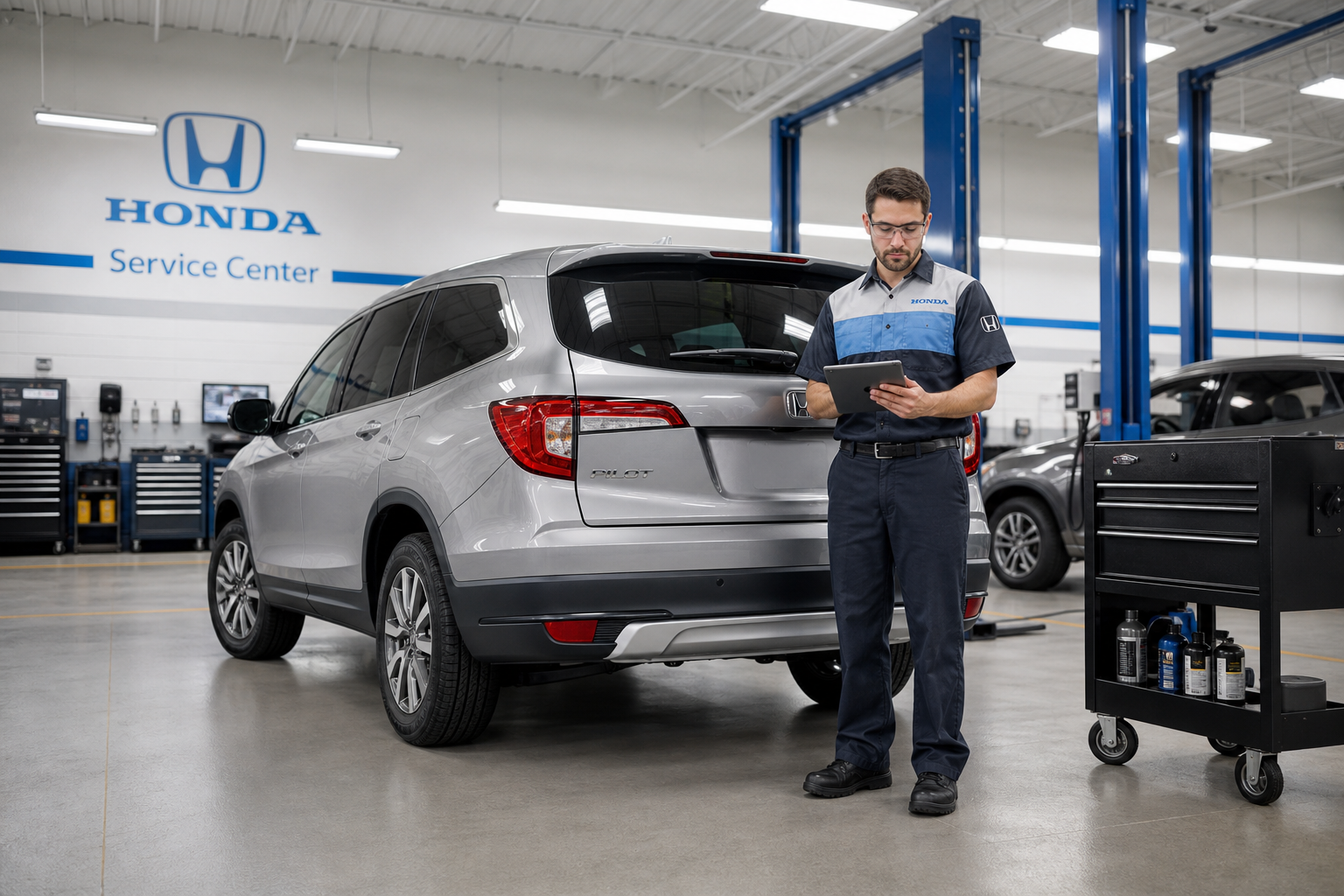
If you’ve worked through fob batteries, battery voltage, fuel level, door status, and app connectivity and remote start still won’t fire, the issue is likely something Honda’s system itself needs to diagnose, such as a failing body control module or a fob that needs to be re-paired to the vehicle. Dealers can pull codes specific to the remote start system that a generic OBD-II scanner at home won’t catch.
It’s also worth having your battery and charging system professionally load-tested if you haven’t already, since a battery that reads acceptable voltage at rest can still fail under the load remote start demands. This is a common gap that makes owners think the remote start module is bad when the real issue is upstream in the electrical system.
Frequently Asked Questions
Why does my Honda Pilot remote start work sometimes but not others?
Intermittent failures almost always point to a marginal condition rather than a total failure, most commonly a weakening key fob battery, a car battery that’s losing capacity, or a door or liftgate that isn’t consistently latching all the way. Cold weather makes all three of these worse, which is why intermittent problems often show up more in winter.
Does the Honda Pilot need to be plugged in or have a full tank to remote start?
The Pilot doesn’t need to be plugged in since it’s a gas vehicle, but many model years do require the fuel level to be above a set threshold, often around a quarter tank, before the system will allow a remote start. This is a safety measure to prevent the vehicle from running the tank dry unattended.
Can I add remote start to a Honda Pilot that doesn’t have it?
Yes, aftermarket remote start kits are available and commonly installed by audio and electronics shops or dealers on Pilot trims that didn’t come with the factory feature. Keep in mind that aftermarket systems don’t always integrate with Honda’s factory security lockouts as cleanly, so professional installation is worth the extra cost over a DIY kit.
Leave a Reply