
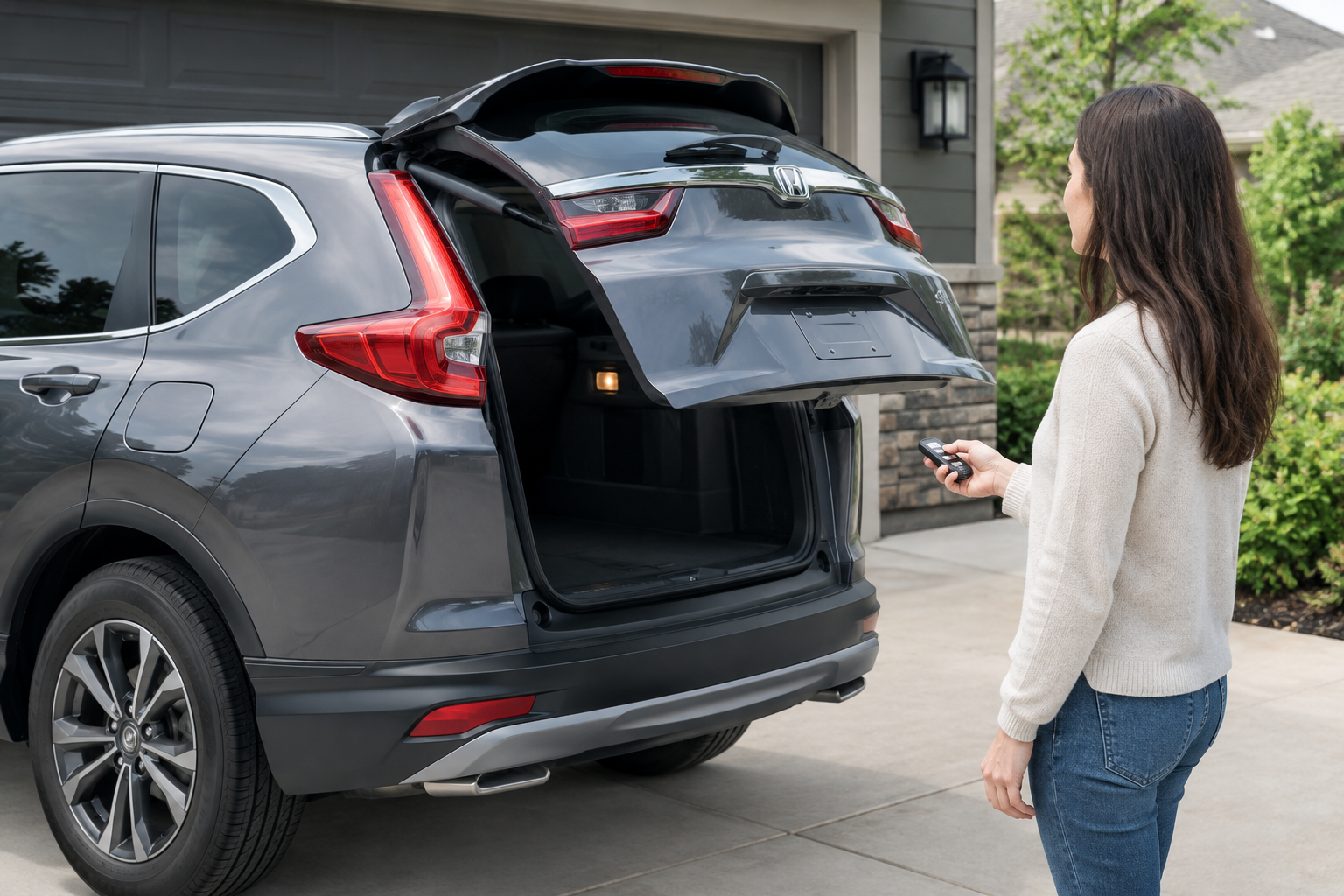
A power liftgate that suddenly refuses to cooperate is one of those problems that seems to come out of nowhere. One day you’re tapping the button on your key fob and the CR-V’s rear hatch swings open like normal, and the next day it’s stuck, reversing itself, or just making a sad clicking noise. Before you start assuming the worst, know that most power liftgate issues on the CR-V come down to a handful of common causes, and quite a few of them you can diagnose or even fix yourself in the driveway.
This guide walks through why your Honda CR-V power liftgate won’t open, won’t close, stops halfway, or reverses on its own, plus what’s different depending on which generation you own.
Which CR-V Trims and Years Have a Power Liftgate
Honda first offered a power liftgate on the CR-V starting with the 2015 model year on higher trims (EX-L and Touring), and it’s been available in some form ever since. The fifth-generation CR-V (2017-2022) expanded availability to EX-L and Touring trims, while the current sixth-generation CR-V (2023-present) offers it on EX-L, Sport-L, and Sport Touring trims, with hands-free foot-activated opening added on the Touring/Sport Touring models.
If you have a base LX or EX trim, your liftgate is manual, and none of the electronic troubleshooting below applies to you. It’s worth confirming your trim level before you spend time chasing a “power liftgate problem” that’s actually just a heavy manual hatch that needs new struts.
Check the Height Memory Setting First
One of the most overlooked reasons a CR-V liftgate seems to “stop working” is the height memory setting. Honda lets you program a maximum opening height for garages or low ceilings, and if that setting gets bumped down accidentally, the liftgate will stop opening at a point that looks broken but isn’t.
To check or reset this on most CR-V generations, open the liftgate fully by hand, then press and hold the height adjustment button on the liftgate’s interior panel (near the switch) until you hear a beep. Lower it to a comfortable height, and the CR-V will remember that setting the next time you use the power button. If your liftgate only opens a few inches and then stops, this is almost always the culprit, not a mechanical failure.
Obstruction and Pinch Detection
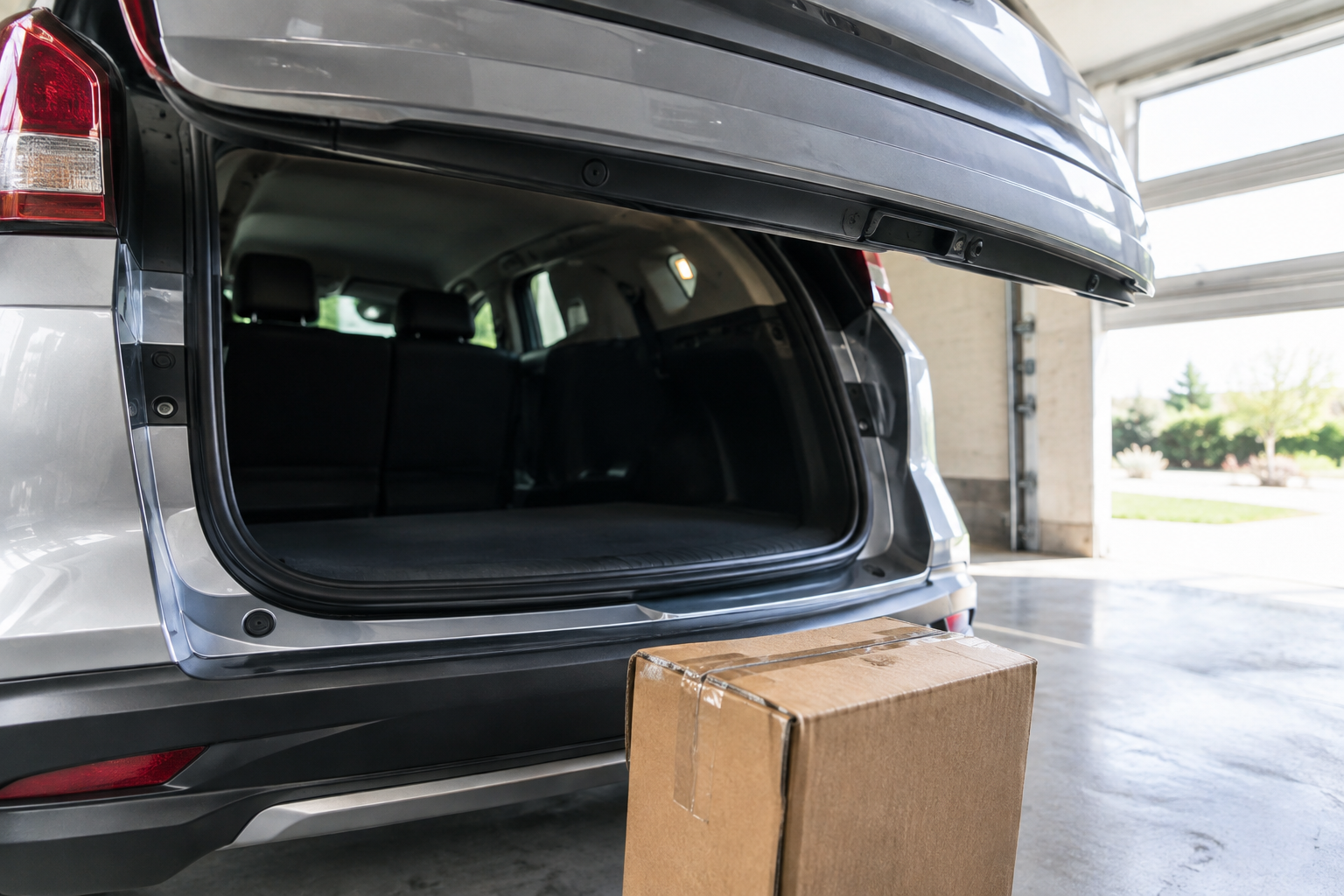
Honda’s power liftgate system uses pinch sensors and current-draw monitoring to detect resistance while opening or closing. If it senses something in the way, real or not, it will reverse direction automatically as a safety measure. This is by design, but it also means dirt, ice, or a worn weatherstrip seal can trick the system into thinking there’s an obstruction when there isn’t.
Start by wiping down the rubber seal around the liftgate opening and checking for debris, leaves, or ice buildup along the track. In colder climates, ice on the latch striker or seal is one of the most common reasons a liftgate reverses right before it fully closes. If you’re dealing with recurring reversal issues in freezing weather, it’s the same underlying idea as clearing ice from other sensors, similar to how you’d want to keep sensors clear for something like rain-sensing wipers to function correctly.
Also check for anything wedged in the door jamb, including cargo covers, straps, or a stuck floor mat corner. Even a slightly misaligned aftermarket cargo liner can trip the sensor.
Latch Problems and Alignment Issues
If the liftgate closes most of the way and then pops back open, or if it won’t latch at all, the actual latch mechanism or striker alignment could be at fault rather than the motor. Over time, the latch assembly can accumulate grime or the striker pin can shift slightly out of alignment, especially after the liftgate has been forced shut manually during a battery or fuse issue.
Try manually closing the liftgate slowly and listen for the latch to click twice, that’s the sound of it fully securing. If you only hear one click or feel it “catch” and then release, the latch itself may need lubrication or replacement. A dry silicone spray on the latch and striker can solve minor sticking, but a latch that’s physically worn or has a failing switch inside it will need to be swapped.
Low Battery Voltage and Blown Fuses
The power liftgate motor draws a fair amount of current, and Honda’s system is programmed to disable power operation if the 12-volt battery voltage drops too low. If your CR-V has been sitting for a while, has a weak or aging battery, or you’ve noticed slow cranking on startup, that same weak battery is very likely why the liftgate has gone manual-only or stopped responding.
Check your battery’s age and have it load tested if it’s more than three or four years old. It’s also worth inspecting the fuse box, both under the hood and inside the cabin (typically under the dash on the driver’s side), for the fuse labeled for the tailgate or power liftgate. A blown fuse will kill power liftgate function entirely while leaving the rest of the car running fine.
If you’re chasing electrical gremlins across multiple systems in the car, not just the liftgate, it’s worth ruling out a failing alternator or corroded battery terminals before you replace any liftgate components. Weak charging systems have a way of causing intermittent issues that look like unrelated problems.
Key Fob, Interior Button, and Hands-Free Sensor Behavior
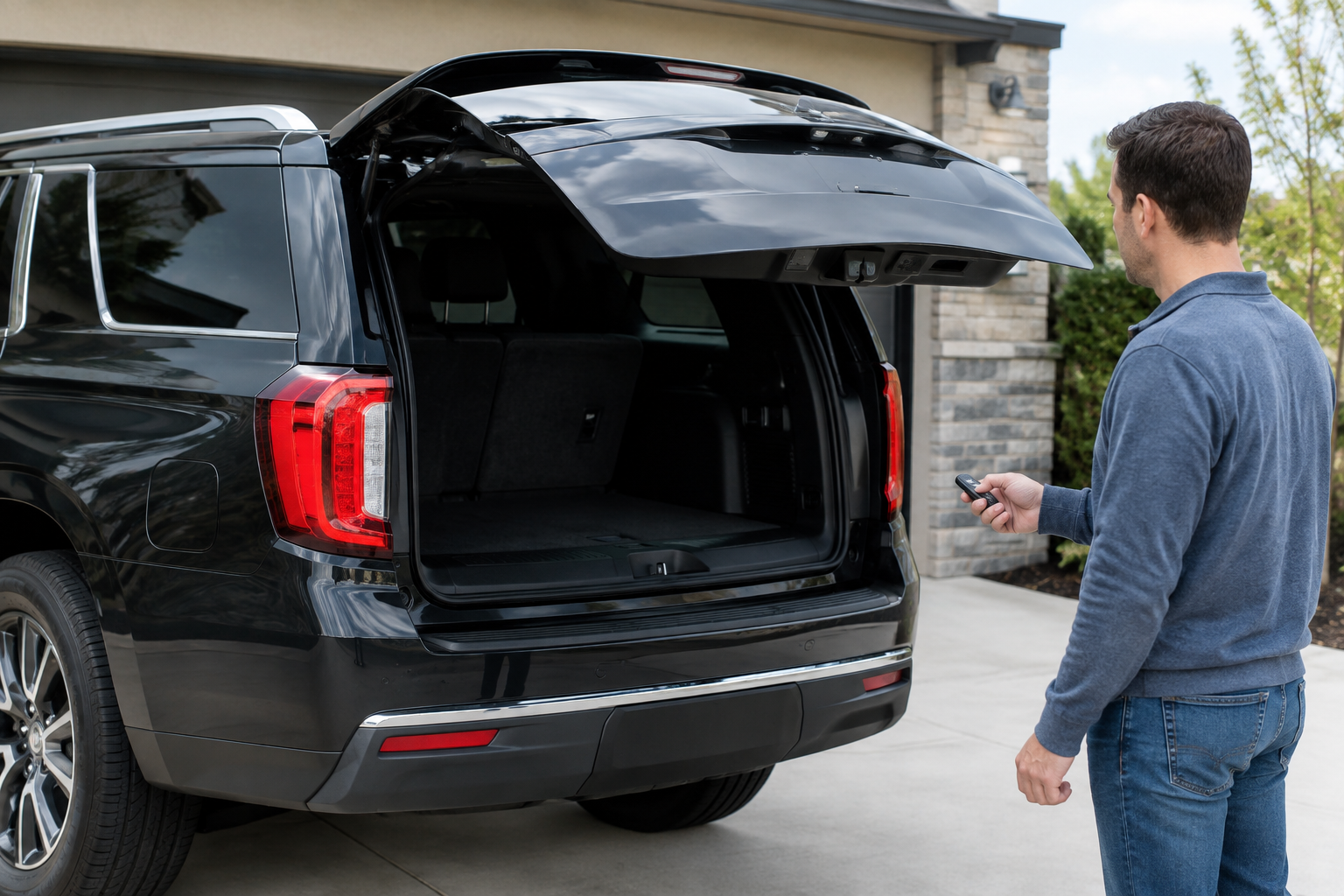
Not every liftgate control on the CR-V works the same way, and it helps to know which input is failing. There are typically three ways to operate the power liftgate: the button on the key fob, the switch on the liftgate itself, and on Touring/Sport Touring trims with hands-free access, a foot-swipe motion under the rear bumper.
If the key fob button doesn’t trigger the liftgate but the interior switch does, check the fob’s battery first, it’s a simple coin cell and a weak one will cause exactly this kind of partial failure. If none of the buttons work but the liftgate can still be opened manually, that points toward the fuse or voltage issues covered above rather than a fob problem.
The hands-free foot sensor is the most finicky of the three inputs. It relies on a sensor mounted near the rear bumper, and mud, snow, road salt, or a light coating of car wash wax can block it from reading your foot motion. Clean the sensor area with a microfiber cloth and try again before assuming it’s failed electronically. If you also have hands-free trunk access issues on other vehicles in your household, the troubleshooting is nearly identical, clean sensor, correct fob proximity, and a fully charged 12-volt battery.
Failing Liftgate Struts and Drive Components
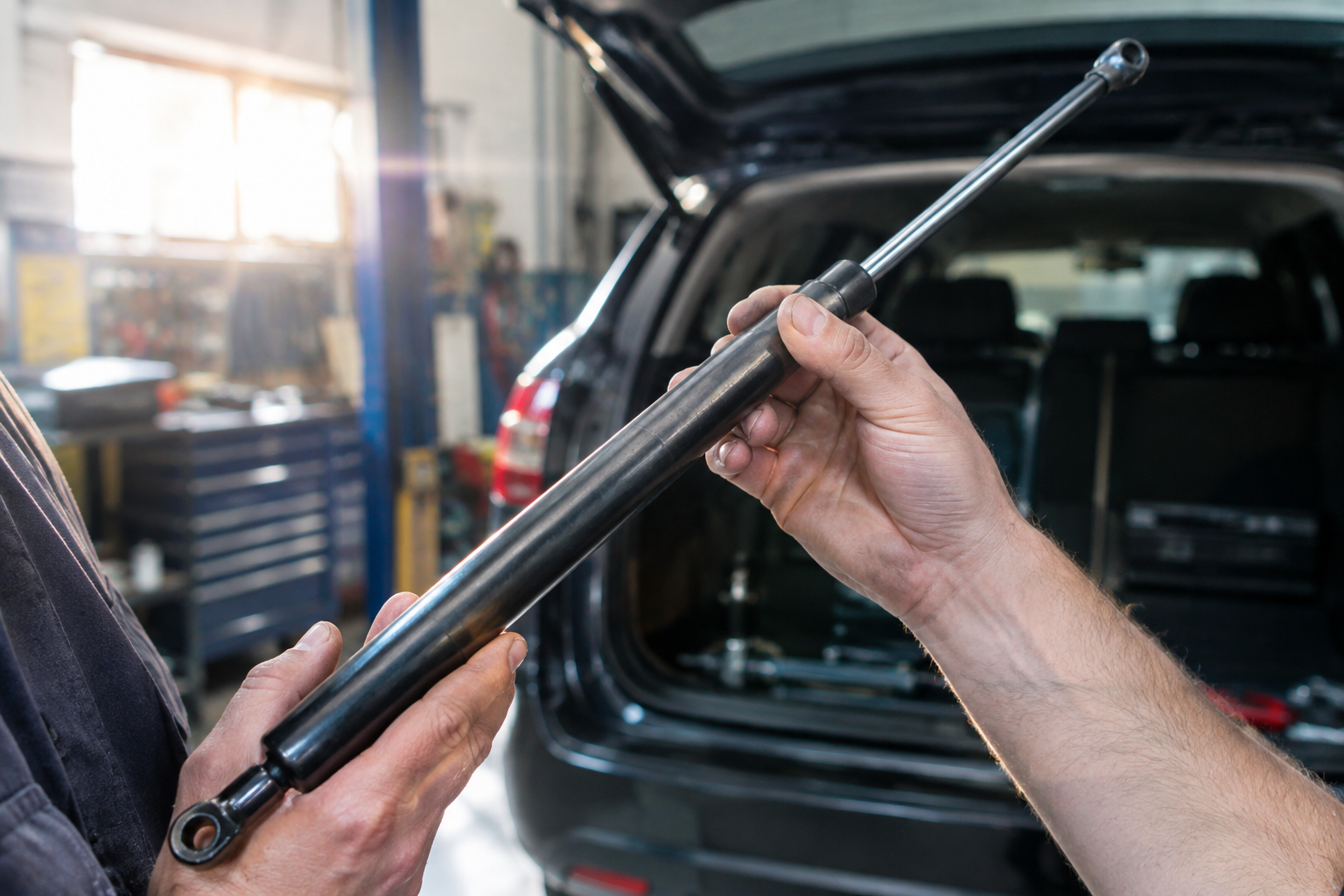
If your liftgate opens and closes with power but sounds strained, moves slower than it used to, or doesn’t fully lift on its own without you giving it a push, the struts (also called liftgate supports or dampers) are likely wearing out. These are the gas-charged cylinders that assist the motor in lifting the hatch, and they lose pressure over years of use just like a hood strut would.
Honda CR-V Power Liftgate Strut
A direct-fit replacement pair takes the strain off the motor and restores smooth, full-height opening.
Replacing struts is one of the more DIY-friendly fixes on this list. They typically pop off with a small flathead screwdriver or clip release at each ball socket, and swapping both sides as a pair (even if only one has failed) keeps the lift force balanced. If you’re not comfortable doing it yourself, most independent shops can knock this out quickly since there’s no wiring involved on the strut itself, just the mechanical support.
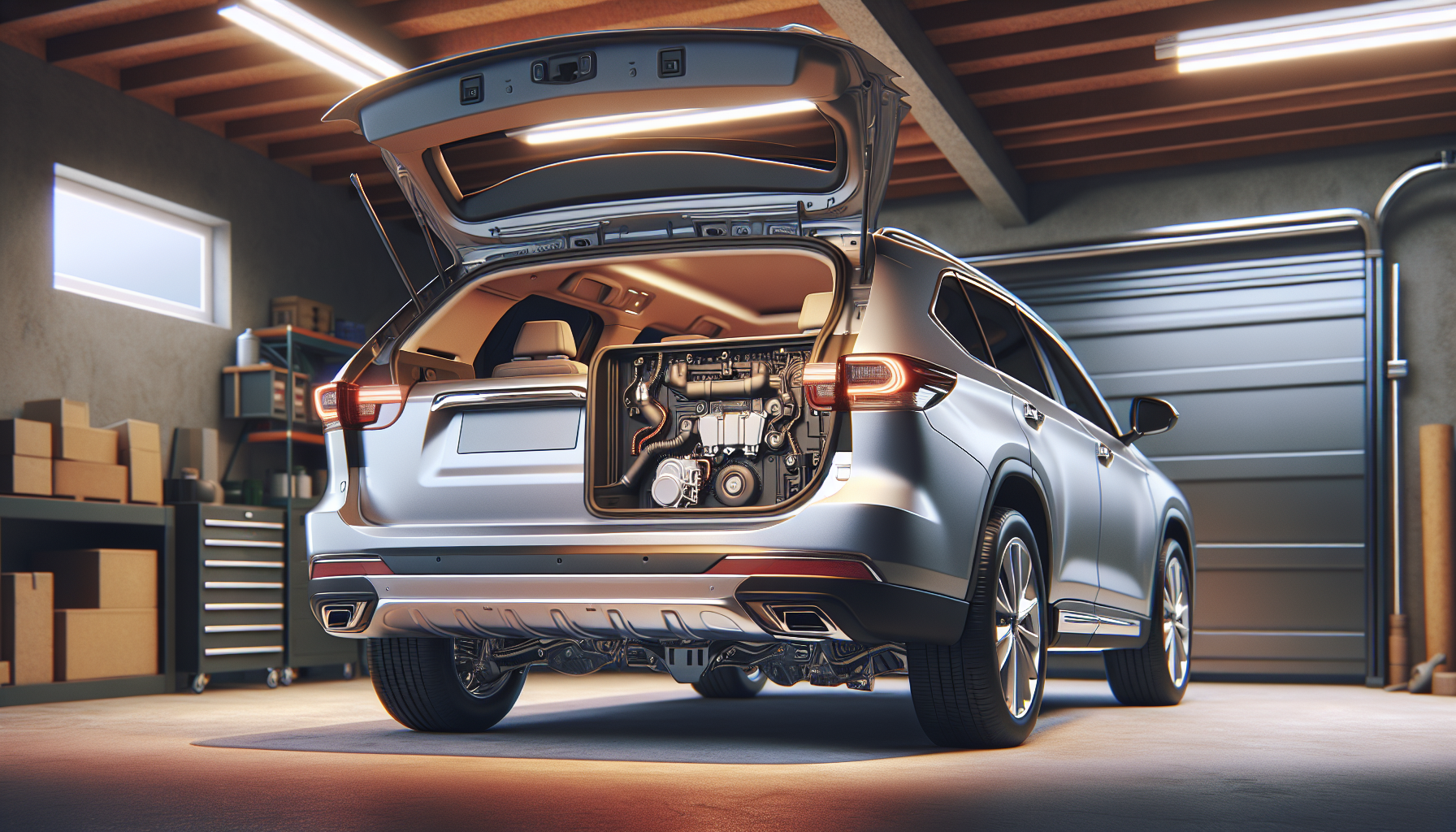
If struts aren’t the issue and the motor itself is making grinding noises or humming without moving the gate, you’re likely looking at a failing liftgate motor/actuator assembly. This is a more involved repair and usually worth having a Honda dealer or independent shop diagnose with a scan tool, since the liftgate control module can throw specific fault codes that point to the motor, the latch switch, or a wiring harness issue at the pivot point.
Reset and Reinitialization Steps
After you disconnect the battery, replace a fuse, or swap the latch or motor, the power liftgate system usually needs to be reinitialized so it knows where “fully open” and “fully closed” actually are. On most CR-V years, this means manually closing the liftgate completely, then opening it fully by hand as well, cycling it two or three times.
After that, try the power button. If it still won’t move under power after a fresh battery reconnect, check your owner’s manual for the specific reset sequence for your model year, since the button-hold time and beep count needed to reprogram the height memory setting has changed slightly between the 2015-2016, 2017-2022, and 2023+ CR-V generations.
Frequently Asked Questions
Can I still open the CR-V liftgate manually if the power system fails?
Yes. On every generation with a power liftgate, you can grab the interior handle or the exterior release and lift or pull the hatch by hand. Just be aware that if the struts are already weak, the hatch may not stay up on its own, so use caution when loading cargo underneath it.
Why does my CR-V liftgate open on its own or partially without me pressing anything?
This is usually a sign of a failing switch on the key fob, liftgate handle, or interior button that’s sending a false signal, or in rare cases a software glitch in the body control module. Try replacing the fob battery first, and if the issue continues, have the liftgate switch and wiring inspected, since a stuck switch can also drain your 12-volt battery over time.
Do I need a Honda dealer to reprogram the liftgate after a battery replacement?
Not usually. Reinitializing the height memory and open/close limits is a manual process you can do yourself by cycling the liftgate through a full open and close a couple of times. A dealer visit is really only necessary if the module itself needs reprogramming after a control unit replacement or if diagnostic codes point to something beyond basic recalibration.

Leave a Reply