
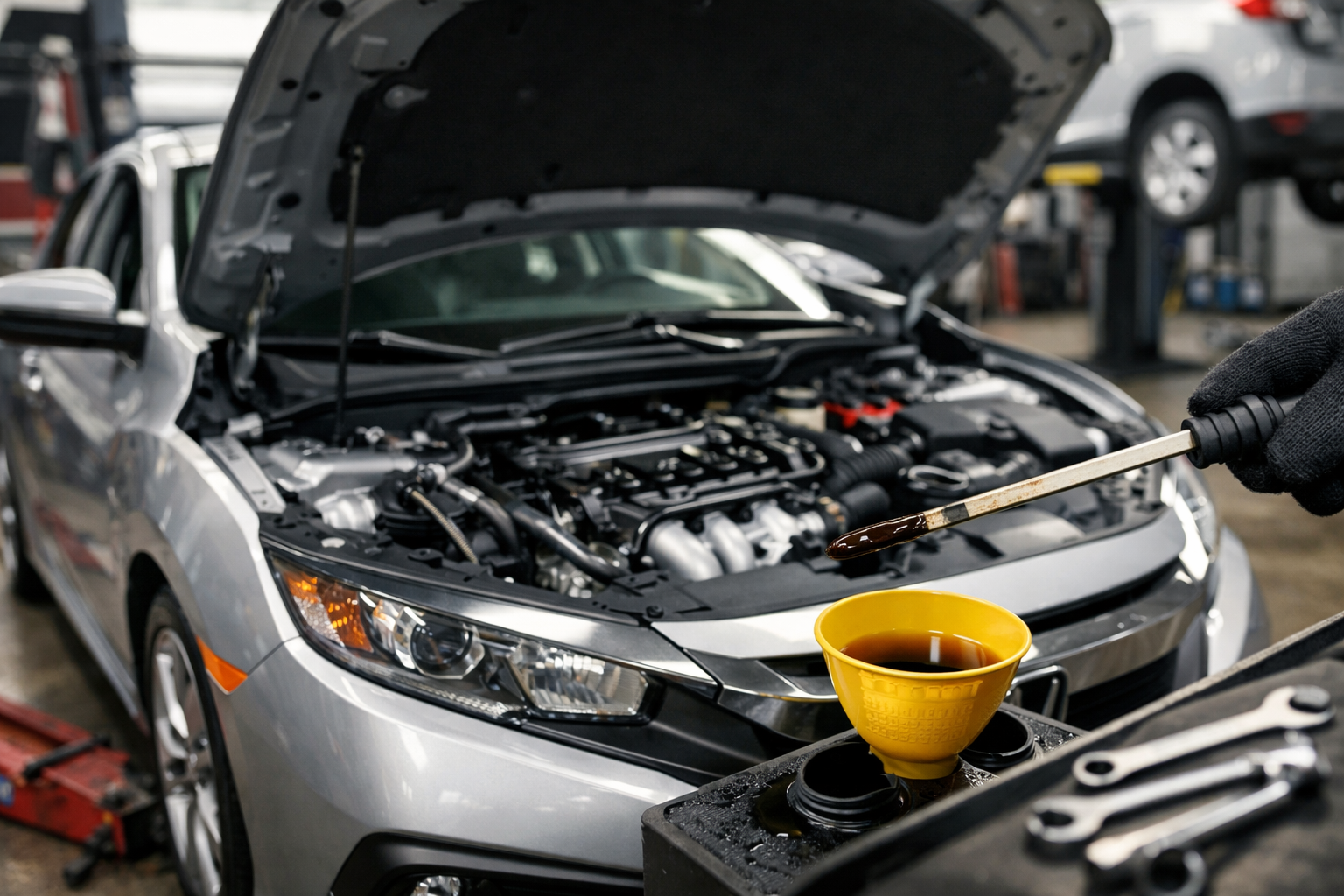
The Honda Civic has earned a reputation for bulletproof reliability over decades of production, making it one of the safest used car purchases in the compact segment. A few model years, however, had issues serious enough to give used buyers pause. The most significant concern for recent-year shoppers is the 1.5L turbo engine’s oil dilution problem, which affects multiple model years and is worth understanding thoroughly before you shop.
This guide covers every recent Civic generation, identifies the years to avoid and the years to target, and explains the oil dilution issue in detail so you can make an informed purchase.
Civic Years to Avoid
2006 (Cracked Engine Block)
The 8th generation Civic (2006-2011) launched with a 1.8L engine (R18A1) that suffered from cracked engine blocks on some early production units. The cracks typically developed around the coolant passages on the rear of the block, leading to external coolant loss, overheating, and potential head gasket failure.
Honda addressed the casting defect in later production runs, but 2006 models manufactured in the first half of the year carry the highest risk. When inspecting a 2006 Civic, check for coolant stains around the back of the engine block and monitor the coolant level during a test drive. Any signs of coolant loss or sweet smell from the engine bay are red flags. If you’re concerned about coolant issues, you might find our guide on how to find and fix a coolant leak helpful for understanding what to look for.
2016 (1.5T Oil Dilution, AC Problems)
The 10th generation Civic introduced the 1.5L turbocharged engine in 2016, and with it came a problem that would affect multiple subsequent model years. In cold climates, particularly during short-trip driving, unburned fuel can wash past the piston rings and dilute the engine oil.
The oil level rises above the full mark on the dipstick, and the oil takes on a gasoline smell. This dilution thins the oil’s protective properties, reducing lubrication effectiveness and potentially accelerating engine wear.
The 2016 model year was also plagued by widespread AC condenser failures. The condenser, located at the front of the vehicle, is vulnerable to road debris. Many 2016 Civics needed condenser replacement within the first few years of ownership, and the problem continued into 2017 models.
2017-2018 (Continued Oil Dilution)
The oil dilution issue carried into the 2017 and 2018 model years, though Honda made ECU calibration changes to mitigate it. The updated calibration raises idle RPM during cold operation and adjusts fuel injection timing to reduce the amount of unburned fuel entering the crankcase.
Vehicles that received the update show significantly less oil dilution, but the problem isn’t entirely eliminated in extreme cold conditions. Cold-climate buyers should check the oil level and smell for fuel contamination on any 2016-2018 Civic with the 1.5T engine. If the oil smells like gasoline or the level is above the full mark, the dilution issue is active.
2012 (Early 9th Gen Cost-Cutting)
The 2012 Civic was widely criticized at launch for cost-cutting in interior materials, reduced rear seat space, and a less refined ride compared to its predecessor. Honda listened to the criticism and made significant improvements for the 2013 refresh.
While the 2012 isn’t mechanically unreliable, it’s the least desirable year of its generation from a quality and value perspective.
The 1.5T Oil Dilution Issue Explained
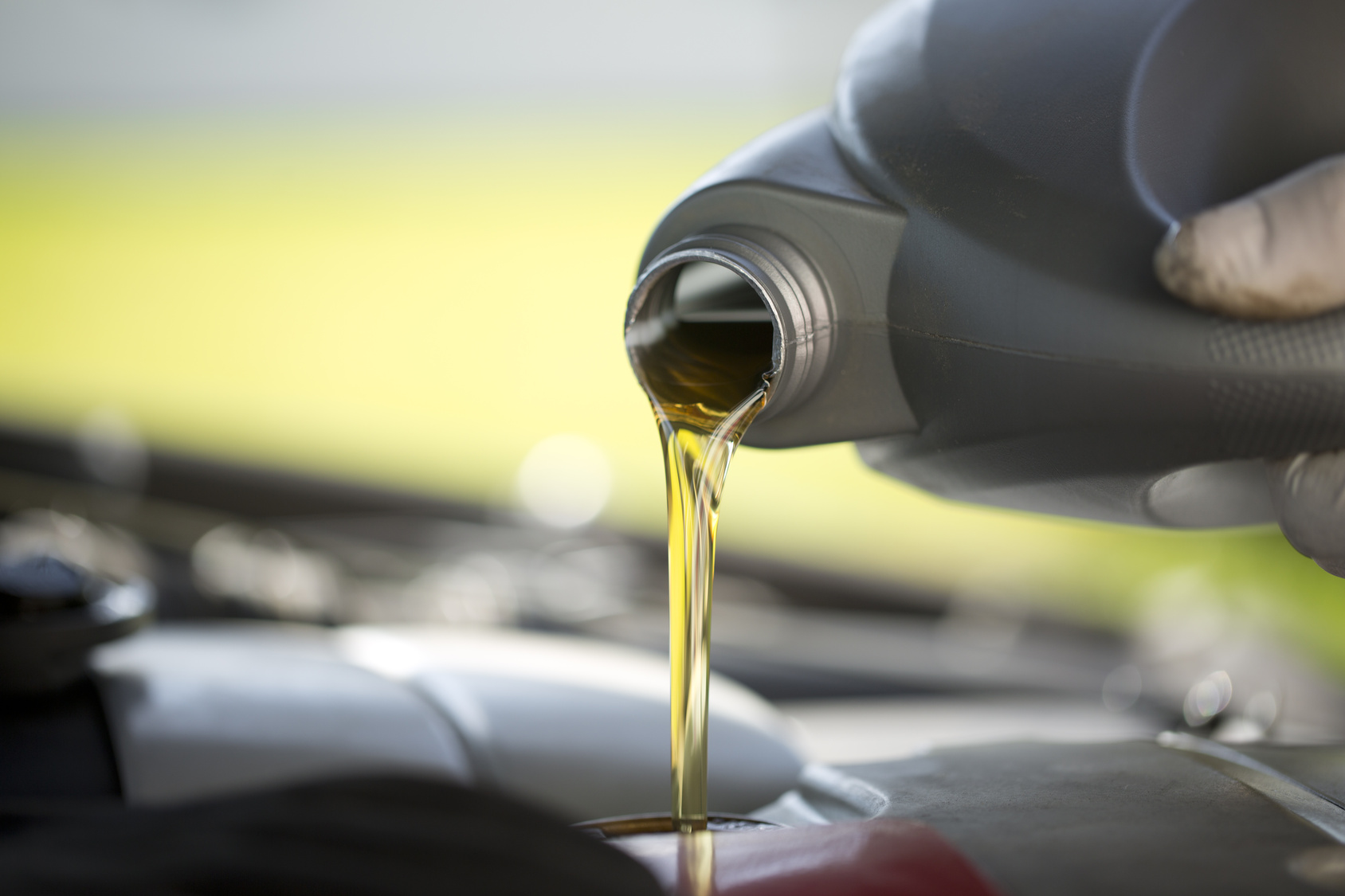
During short trips in cold weather (below about 40 degrees Fahrenheit), the engine doesn’t reach full operating temperature. Fuel injected during cold starts and low-temperature operation doesn’t fully combust. Some of this unburned fuel washes past the piston rings into the oil pan, gradually raising the oil level and diluting the oil with gasoline.
Over time, the diluted oil loses its viscosity and can’t protect engine bearings, camshafts, and other critical components as effectively. The issue is self-correcting once the engine reaches full operating temperature (the fuel evaporates out of the oil), which is why long-trip, highway-focused drivers rarely experience the problem.
Short-trip, cold-climate commuters are most affected. If you’re interested in how other engines handle cold weather challenges, check out our article on how turbocharging works and whether it reduces engine life.
Honda’s ECU calibration update significantly reduces the issue but doesn’t eliminate it entirely in extreme conditions. Ask the seller or dealer whether the latest calibration has been applied to any 2016-2018 Civic you’re considering.
Best Civic Years to Buy
For the 8th gen (2006-2011), 2009 and 2010 are the best picks, with resolved engine block issues and mature production quality. For the 9th gen (2012-2015), 2014 and 2015 benefit from the mid-cycle refresh and are well-sorted, reliable vehicles.
For the 10th gen (2016-2021), 2019 and 2020 have the most refined oil dilution calibration and represent the best value. For the 11th gen (2022+), 2023 and later are the safest bets as the newest platform matures and establishes its reliability track record.
What to Check on a Used Civic
For 2016-2018 1.5T models, check the oil level with a quality replacement dipstick if you have concerns about accuracy. If the level is above the full mark or the oil smells like gasoline, the dilution issue is active on that vehicle.

OBD2 Scanner for Honda
Read Honda-specific codes to verify engine health on used Civics
Run an OBD2 scanner to check for stored codes and verify all recall and service campaign work has been completed. Ask about the vehicle’s climate history. A 2017 Civic that spent its life in Florida is a very different proposition than one that lived in Minnesota.
Before you commit to any used Civic, make sure you know what to look for during a used car test drive and how to read a vehicle history report to spot potential red flags.
Honda Civic vs Toyota Corolla Reliability
While the Civic is generally reliable, you might be wondering how it stacks up against its main competitor. Our detailed comparison of Honda Civic vs Toyota Corolla reliability after 100,000 miles breaks down which model ages better and holds up under extended ownership.
Frequently Asked Questions
Is the 2.0L Civic more reliable than the 1.5T?
The 2.0L naturally aspirated engine doesn’t suffer from the oil dilution issue and has proven extremely reliable across all generations. For cold-climate buyers who are concerned about the turbo engine’s oil dilution risk, the 2.0L is the safer choice.
The tradeoff is less power (158 HP vs. 180 HP) and no turbo torque.
Did Honda completely fix the oil dilution problem?
Honda made significant improvements through ECU calibration updates and production changes. The 2019+ model years show dramatically fewer complaints. The issue hasn’t been completely eliminated in extreme cold, short-trip driving conditions, but it’s much better managed than on the 2016-2018 models.
Is the Civic still a good used buy overall?
Absolutely. Even with the issues noted above, the Civic remains one of the most reliable compact cars available. It consistently earns top marks in reliability studies, holds its value well, and costs less to maintain than most competitors.
Choosing the right model year and verifying service history addresses the known risks. If you’re also considering other Honda Accord years to avoid, we have a detailed guide on that model’s reliability as well.
What should I do if I already own a 2016-2018 Civic with oil dilution?
Contact your Honda dealer to verify whether the ECU calibration update has been applied to your vehicle. Monitor your oil level regularly and check for fuel smell in the oil. Consider more frequent oil changes if you primarily drive short trips in cold weather, and try to take occasional longer drives to allow the engine to reach full operating temperature.




Leave a Reply