
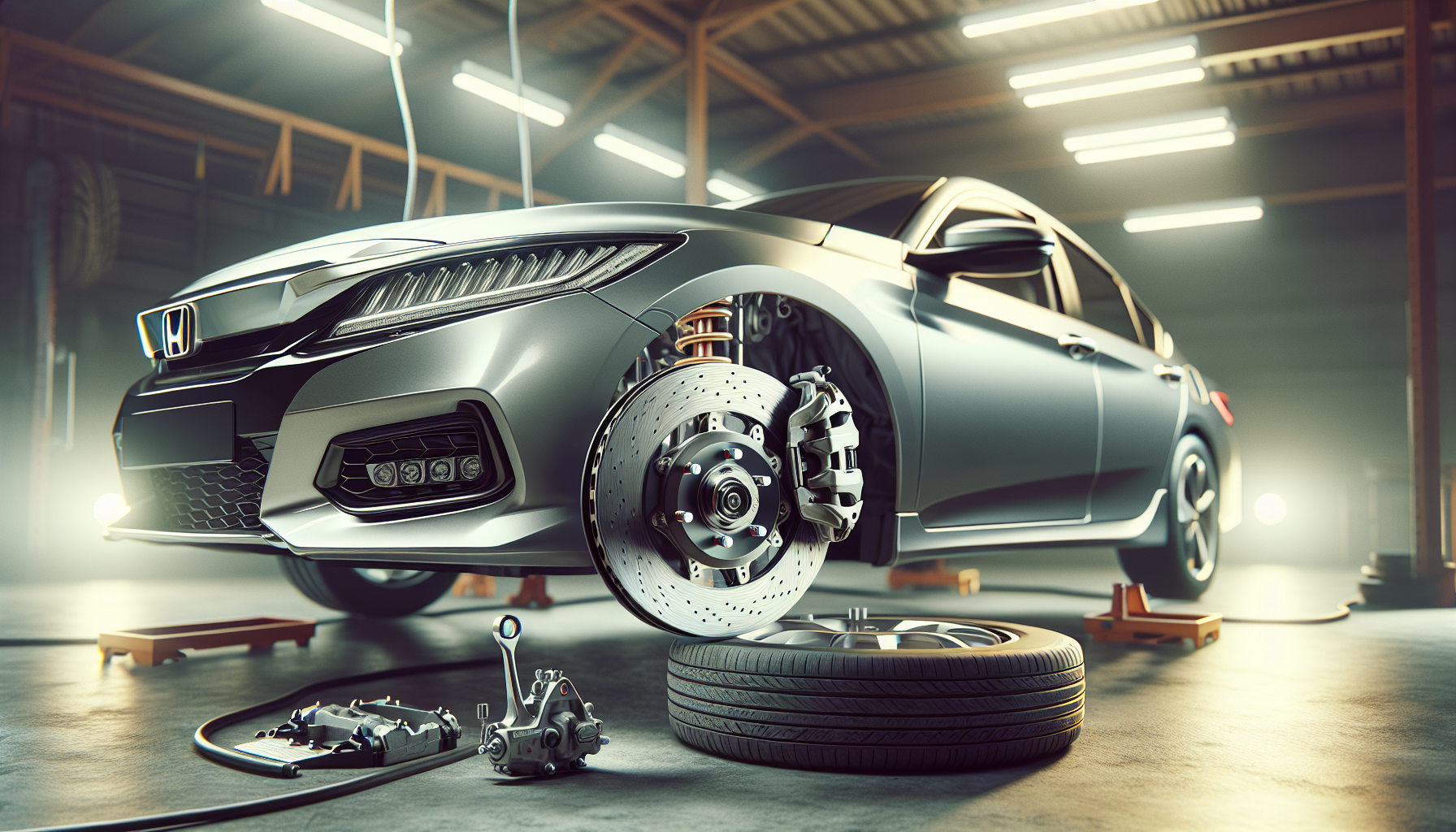
That high-pitched squeal when you slow down for a stop sign is annoying, embarrassing, and hard to ignore. If your Honda Accord is squeaking or squealing at low speeds when you brake, you’re not alone. This is one of the most common brake complaints Accord owners face, and it doesn’t always mean your brakes are toast. Sometimes it’s just brake dust. Other times, it’s a sign something needs attention before it becomes a bigger problem.
The good part? Most causes are fixable without breaking the bank, and some you can handle yourself in an afternoon. Let’s walk through what’s causing that noise and how to get rid of it.
Common Causes
Brake squeal at low speed usually comes down to vibration between the brake pad and rotor. When those two surfaces meet under light pressure, they can create a frequency that results in that awful squeaking sound. Here’s what typically triggers it on a Honda Accord:
- Glazed brake pads or rotors: If you ride your brakes a lot or do mostly short trips with gentle braking, the pad surface can harden and become smooth. This glaze reduces friction and creates noise, especially at lower speeds when there’s less force applied.
- Brake dust buildup: Accords, particularly newer models, can accumulate a surprising amount of brake dust between the pad and rotor. This layer acts like a squeaky barrier and is often the culprit behind that morning squeal.
- Worn brake pad material: As pads wear down, the friction material changes. Some pads have a small metal tab that intentionally squeals when the pad gets thin. If your squeal is constant and getting worse, this might be it.
- Missing or damaged shims: Honda uses thin metal shims between the brake caliper and pad to dampen vibration. If these fall off, corrode, or weren’t reinstalled properly during a brake job, squealing is almost guaranteed.
- Caliper slides need lubrication: The caliper pins that allow the brake caliper to move freely can dry out or seize. When this happens, the pad doesn’t release cleanly from the rotor, causing drag and noise.
- Cheap aftermarket pads: Not all brake pads are created equal. Some budget aftermarket pads use harder compounds that work fine but squeal like crazy, especially on Hondas. OEM or quality ceramic pads tend to be quieter.
There’s also a Honda-specific issue worth mentioning. Some 2013-2015 Accord models had a Technical Service Bulletin (TSB 12-081) addressing front brake squeal. Honda acknowledged certain brake pad formulations caused noise and released updated parts. If you own one of these model years, this TSB might apply to you.
This video covers the Honda Accord TSB fix specifically:
https://www.youtube.com/watch?v=DX_0pPJ0DWw
How to Diagnose the Problem
Before you start throwing parts at your Accord, take a few minutes to figure out what’s actually going on. Diagnosis doesn’t require fancy tools.
Step 1: Check your brake pad thickness. You can usually see the pad through the wheel spokes. If there’s less than 3mm of friction material left, your pads are done. Replace them. If they look thick, keep investigating.
Step 2: Listen carefully to when it happens. Does the squeal only occur during the first few stops of the day, then go away? That points to surface rust or moisture on the rotors overnight. If it squeals all the time, you’re likely dealing with glazing, contamination, or worn pads.
Step 3: Test with different brake pressure. Does light braking cause the squeal but harder braking makes it stop? That’s classic glazed pad behavior. The extra pressure breaks through the hardened surface temporarily.
Step 4: Inspect for dust and debris. Pull the wheel off (you’ll need a jack, jack stands, and a lug wrench). Look at the rotor surface and between the pad and caliper. Excessive dust, rust, or a shiny glazed appearance on the pad tells you what you’re dealing with.
Step 5: Check the shims and hardware. With the wheel off, make sure the brake pad shims are in place and not rusty or damaged. Wiggle the caliper pins to confirm they move smoothly.
If you find glazing or lots of dust, you can likely fix this yourself. If the pads are metal-on-metal or the rotors have deep grooves, it’s time for a full brake job.
How to Fix It
Once you’ve diagnosed the issue, here are the fixes that work for most low-speed brake squeal situations on a Honda Accord.
Clean the Brakes
Start here if your pads have decent thickness left. Remove the wheel and spray brake cleaner on the rotor and pads. Let it dry, then reinstall the wheel and test drive. This removes dust, oil, and light contamination. It’s a five-minute fix that works more often than you’d think.
Scuff the Glazed Surface
If the pads or rotors are glazed, you need to remove that hardened layer. For pads, take them off and scuff the surface with 80-grit sandpaper in a crosshatch pattern. Don’t go crazy, just break up the glaze. For rotors, you can do the same while they’re still on the car or have them turned at a shop (usually $15-20 per rotor).
This video demonstrates how to fix squeaky brakes with cleaning and surface prep:
Replace or Add Shims
If the anti-squeal shims are missing, corroded, or damaged, replace them. You can buy Honda OEM shims or aftermarket versions. Apply a thin layer of brake pad lubricant to the back of the shim (the side that contacts the caliper, NOT the rotor side). This dampens vibration.
Lubricate Caliper Slides
Remove the caliper bolts and slide pins. Clean off old grease with brake cleaner, then apply fresh high-temp brake grease to the pins and reinstall. This allows the caliper to move freely and prevents uneven pad wear and noise.
Replace Pads with Quality Parts
If your pads are worn below 3mm or you’ve tried everything else, it’s time for new pads. Go with Honda OEM pads or a quality ceramic aftermarket set like Akebono or Wagner. Avoid the cheapest options. Yes, they stop the car, but they’ll squeal forever. When you install new pads, always clean the rotors, lubricate the hardware, and bed in the brakes properly (a series of controlled stops to transfer an even layer of pad material to the rotor).
Address the TSB if Applicable
If you have a 2013-2015 Accord with the factory pads, check with your Honda dealer about TSB 12-081. They may install updated pads under warranty or at a reduced cost, depending on your mileage and when the car was purchased.
When to See a Mechanic
Most brake squeal fixes are DIY-friendly, but some situations call for professional help. If you hear grinding instead of squealing, your pads are completely gone and you’re damaging the rotors. Don’t wait. If you’ve replaced pads and rotors recently and the squeal persists, there might be a caliper issue or incorrect installation that needs expert eyes. Also, if you’re not comfortable working with brake components or don’t have the tools, don’t force it. Brakes are not the place to learn by trial and error.
Any time you have reduced braking power, a spongy pedal, or vibration along with the squeal, get it checked immediately. That’s beyond a noise issue.
Estimated Repair Costs
Here’s what you can expect to pay if you go to a shop, or what you’ll spend doing it yourself:
| Repair | DIY Cost | Shop Cost |
|---|---|---|
| Brake cleaning | $8-15 (cleaner) | $50-80 |
| Rotor resurfacing | $30-40 (shop service) | Included with brake job usually |
| Front brake pad replacement | $40-120 (pads + shims) | $150-300 |
| Front pads + rotor replacement | $120-250 (parts) | $300-500 |
| Caliper slide service | $10 (grease) | $80-120 |
Labor rates vary by location, but brake work is generally affordable compared to other repairs. If you can turn a wrench and follow instructions, doing your own brake service can save you a few hundred dollars.
Prevention Tips
Once you’ve fixed the squeal, keep it from coming back with a few simple habits.
Avoid riding the brakes. Constant light pressure heats up the pads unevenly and causes glazing. Use engine braking when you can, and brake decisively when you need to slow down.
Wash your wheels regularly. Brake dust is corrosive and builds up fast on Accords. Rinsing it off every couple of weeks keeps things cleaner and reduces the chance of contamination.
Bed in new brakes properly. When you install new pads or rotors, do a series of 8-10 controlled stops from 40 mph down to 10 mph with moderate pressure, allowing the brakes to cool between stops. This transfers an even layer of friction material to the rotor and prevents noise from the start.
Stick with quality parts. Cheap brake pads might save you $20 upfront, but you’ll pay for it in noise and shorter lifespan. OEM or quality ceramic pads are worth the extra money.
Get your brakes inspected annually. Catching worn pads or dry caliper slides early prevents bigger problems and keeps your brakes quiet.
Final Thoughts
Brake squeal on a Honda Accord at low speeds is rarely a serious safety issue, but it’s annoying and usually easy to fix. Most of the time, it’s brake dust, glazing, or missing hardware. A quick cleaning or pad replacement solves it. If you’ve got a 2013-2015 model, check that TSB. And if you’re unsure or the noise comes with other symptoms, don’t hesitate to have a mechanic take a look. Quiet brakes are just a weekend project away.

Leave a Reply