
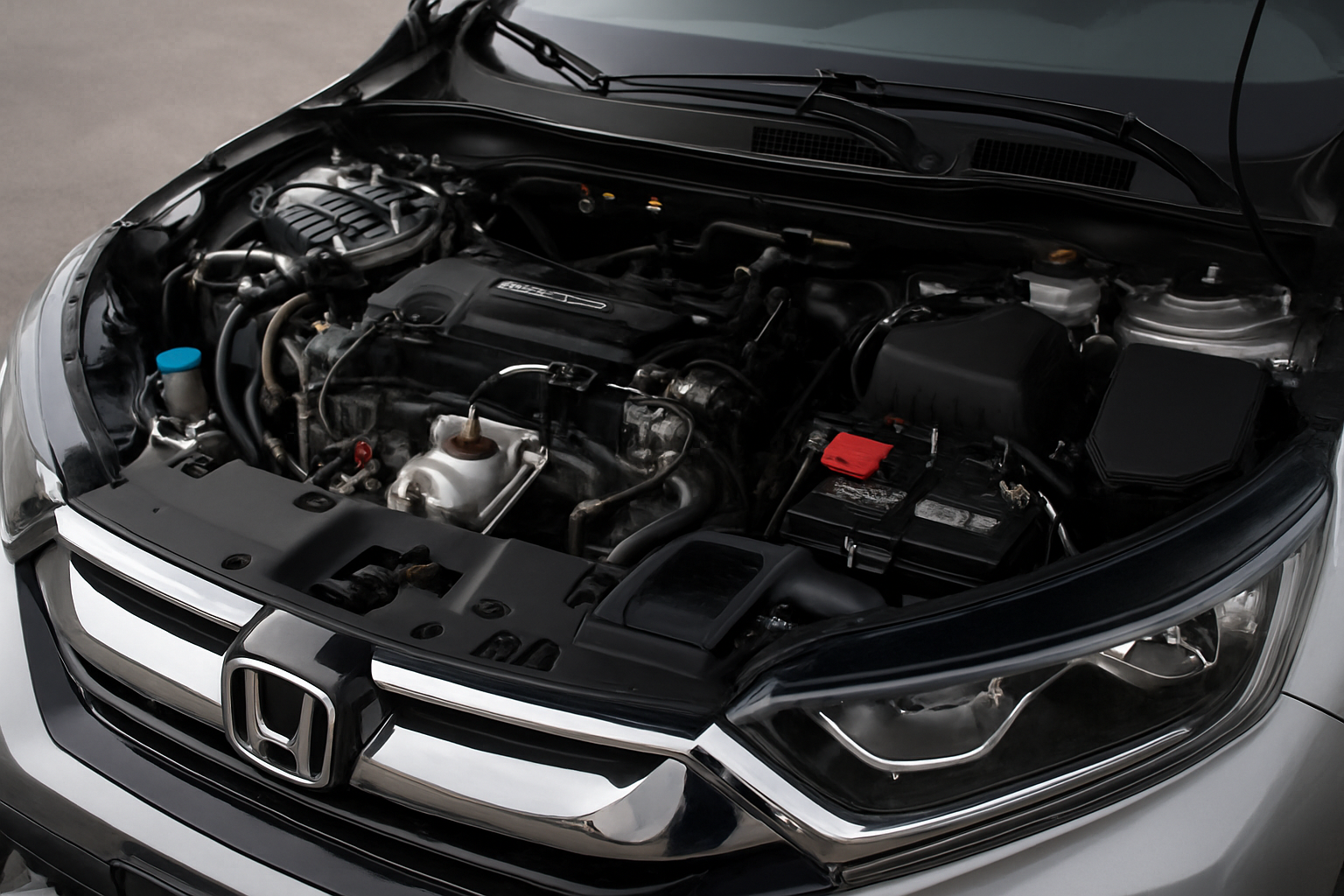
The Honda 1.5L turbo engine has been a cornerstone of Honda’s lineup since 2016, powering popular models like the Civic, CR-V, and Accord. While this L15B7 engine delivers impressive fuel economy and performance, it’s developed a reputation for some concerning issues that every owner should understand.
Understanding the L15B7 Engine and Its Issues
Honda’s 1.5L turbocharged engine, known internally as the L15B7, represents a significant shift from the naturally aspirated engines Honda built its reputation on. This direct-injection turbo engine appears across multiple model years and vehicles:
2016-2023 Honda Civic
2017-2023 Honda CR-V
2018-2023 Honda Accord
The engine produces between 174-192 horsepower depending on the application, but its most talked-about feature isn’t power output. Instead, owners frequently discuss oil dilution, fuel smells in the cabin, and cold-weather performance issues.
The Oil Dilution Problem Explained
Oil dilution occurs when unburned fuel mixes with engine oil, creating a thinner mixture that can’t properly lubricate engine components. In the L15B7 engine, this happens primarily during cold starts and short trips.
When you start your Honda in cold weather, the direct injection system sprays extra fuel to help the engine warm up quickly. Some of this fuel doesn’t burn completely and instead condenses on cylinder walls, eventually making its way past the piston rings into the oil pan.
Under normal driving conditions with longer trips, the engine reaches operating temperature and burns off this excess fuel. However, if you frequently take short trips (under 10 miles) or live in consistently cold climates, the fuel accumulates faster than it can evaporate.
How to Check for Oil Dilution
You can monitor oil dilution by checking your dipstick regularly. Fresh oil should feel viscous between your fingers and have a dark amber or black color. Diluted oil feels thinner, almost watery, and may smell strongly of gasoline.
Some owners report their oil level actually rising on the dipstick between changes. This isn’t magic; it’s fuel contamination increasing the total volume of fluid in your oil pan.
Cold Climate Challenges
Owners in northern states and Canada experience the most severe oil dilution issues. When ambient temperatures drop below 32°F regularly, the L15B7 engine takes longer to reach operating temperature, extending the period where fuel can contaminate oil.
Minnesota, Wisconsin, Michigan, and Canadian owners have reported the strongest fuel smells and fastest oil dilution rates. Some describe needing to change oil every 3,000 miles instead of Honda’s recommended 10,000-mile intervals.
The problem becomes particularly acute for owners who:
- Primarily drive short distances (under 10 miles per trip)
- Let their car warm up by idling in cold weather
- Park outside rather than in heated garages
- Live where temperatures stay below freezing for weeks at a time
Fuel Smell in the Cabin
Many L15B7 owners report smelling fuel inside their vehicle, particularly during cold starts or when the heater is running. This occurs because fuel vapors from the diluted oil can enter the cabin through the HVAC system.
The smell typically appears strongest when:
- Starting the engine after it’s been parked for several hours
- Using recirculated air mode with the heater
- Accelerating hard during the first few minutes of driving
While concerning, this fuel smell doesn’t necessarily indicate immediate danger. However, it signals that oil dilution is occurring and should be addressed.
Honda’s Official Response and Software Updates
Honda initially downplayed oil dilution concerns, claiming fuel mixing with oil was normal for direct-injection engines. However, mounting customer complaints and potential class-action lawsuits prompted more decisive action.
In 2019, Honda released Technical Service Bulletin 19-048 addressing oil dilution in 2017-2019 CR-V models. This bulletin provided dealers with updated software calibration designed to reduce fuel dilution during cold starts.
The software update modifies several engine parameters:
- Adjusts fuel injection timing during warm-up
- Changes idle speed during cold starts
- Modifies turbocharger boost curves at low temperatures
- Updates transmission shift points to help the engine warm faster
Getting the Software Update
If your vehicle falls within the affected range, contact your Honda dealer about software updates. The update takes approximately 30 minutes and should be covered under warranty for eligible vehicles.
Bring your VIN number and be prepared to describe your specific symptoms. Some dealers are more knowledgeable about the issue than others, so you might need to reference TSB 19-048 directly.
When Oil Dilution Becomes Dangerous
Not all oil dilution requires immediate panic, but certain warning signs demand attention. You should be concerned if:
Your oil level rises significantly between changes. If the dipstick shows oil above the “full” mark without you adding any, fuel contamination is severe.
Oil consistency changes dramatically. Oil that feels like water or smells overwhelmingly of gasoline needs immediate replacement.
Engine noise increases. Diluted oil can’t lubricate properly, leading to increased valve train noise or bearing knock.
Fuel smell persists after the engine warms up. Temporary fuel odors during cold starts are more acceptable than permanent cabin contamination.
Normal vs. Problematic Dilution
Some fuel dilution is normal in any direct-injection engine. Modern engines run rich during cold starts, and small amounts of fuel will always find their way into oil.
Consider dilution normal if:
- Fuel smell disappears after 5-10 minutes of driving
- Oil level remains stable between changes
- Oil maintains reasonable viscosity
- The issue improves with longer drives and warmer weather
Dilution becomes problematic when short trips and cold weather prevent the engine from burning off accumulated fuel. This creates a cycle where contamination builds faster than it can be eliminated.
Practical Solutions for Owners
While waiting for or supplementing official fixes, several strategies can minimize oil dilution:
Modify Your Driving Habits
Take longer drives whenever possible. Highway driving at steady speeds helps the engine reach and maintain operating temperature, burning off fuel contamination.
Avoid excessive idling to warm up your car. Modern engines warm up faster under light load than sitting in park. Drive gently for the first few miles instead of letting the car idle.
Adjust Your Maintenance Schedule
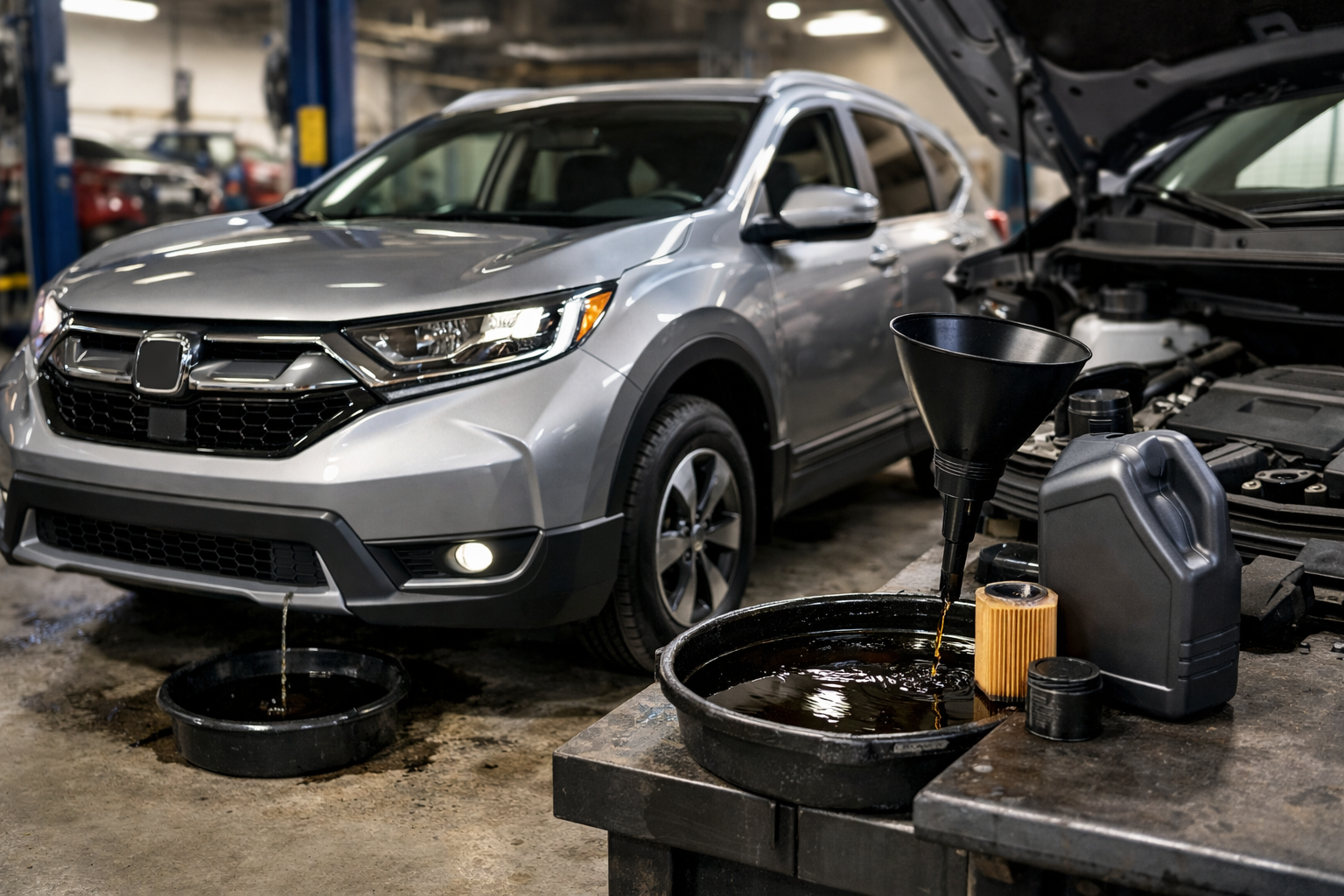
Ignore Honda’s 10,000-mile oil change intervals if you experience significant dilution. Switch to 5,000-mile intervals, or even 3,000 miles in severe cases.
Use high-quality conventional or synthetic oil. While premium oil won’t prevent dilution, it maintains better lubrication properties when contaminated.
Monitor Your Oil Regularly
Check oil level and consistency monthly, not just during scheduled maintenance. Early detection allows you to address problems before they cause damage.
Keep a simple log of oil changes, noting mileage, oil condition, and any unusual smells or noises. This documentation can be valuable if warranty claims become necessary.
Long-Term Reliability Concerns
The L15B7 engine is still relatively new, so long-term reliability data remains limited. However, prolonged oil dilution can potentially cause several problems:
Accelerated engine wear from inadequate lubrication, particularly affecting bearings, camshafts, and cylinder walls.
Turbocharger problems due to contaminated oil supply, potentially leading to bearing failure or shaft play.
Carbon buildup on intake valves, common in direct-injection engines but potentially worsened by fuel dilution issues.
Many owners report excellent reliability after addressing dilution through software updates and modified maintenance schedules. The key is recognizing and managing the issue rather than ignoring it.
Legal and Warranty Considerations
Several class-action lawsuits have been filed regarding oil dilution in Honda’s 1.5L turbo engines. While these cases are ongoing, they’ve prompted Honda to extend warranties and provide additional remedies for affected owners.
Document any oil dilution issues with photos, maintenance records, and dealer communications. This documentation could be valuable for warranty claims or legal proceedings.
Honda has honored warranty claims for engine damage clearly related to oil dilution, particularly when owners can demonstrate they followed recommended maintenance schedules.
Frequently Asked Questions
Is the Honda 1.5L turbo engine reliable despite oil dilution issues?
Most L15B7 engines perform well when oil dilution is properly managed. The key is understanding your driving patterns and adjusting maintenance accordingly. Owners who take primarily short trips in cold climates need more frequent oil changes, while those with longer commutes typically experience fewer problems.
Will the software update completely eliminate oil dilution?
The software update reduces oil dilution but doesn’t eliminate it entirely. Many owners report significant improvement after the update, particularly in fuel smell and oil consistency. However, short trips in cold weather will still cause some dilution in any direct-injection engine.
Should I avoid buying a vehicle with the L15B7 engine?
The L15B7 engine offers excellent fuel economy and performance when properly maintained. If you primarily drive longer distances or live in moderate climates, oil dilution is unlikely to be a major concern. However, if you take mostly short trips in cold weather, consider whether you’re willing to adjust your maintenance schedule accordingly.
How much does it cost to fix oil dilution problems?
The software update should be free under warranty. More frequent oil changes will increase maintenance costs, typically adding $100-200 per year depending on your driving patterns. Severe cases requiring engine repair or replacement could cost thousands, but these situations are relatively rare when dilution is properly managed.



Leave a Reply