
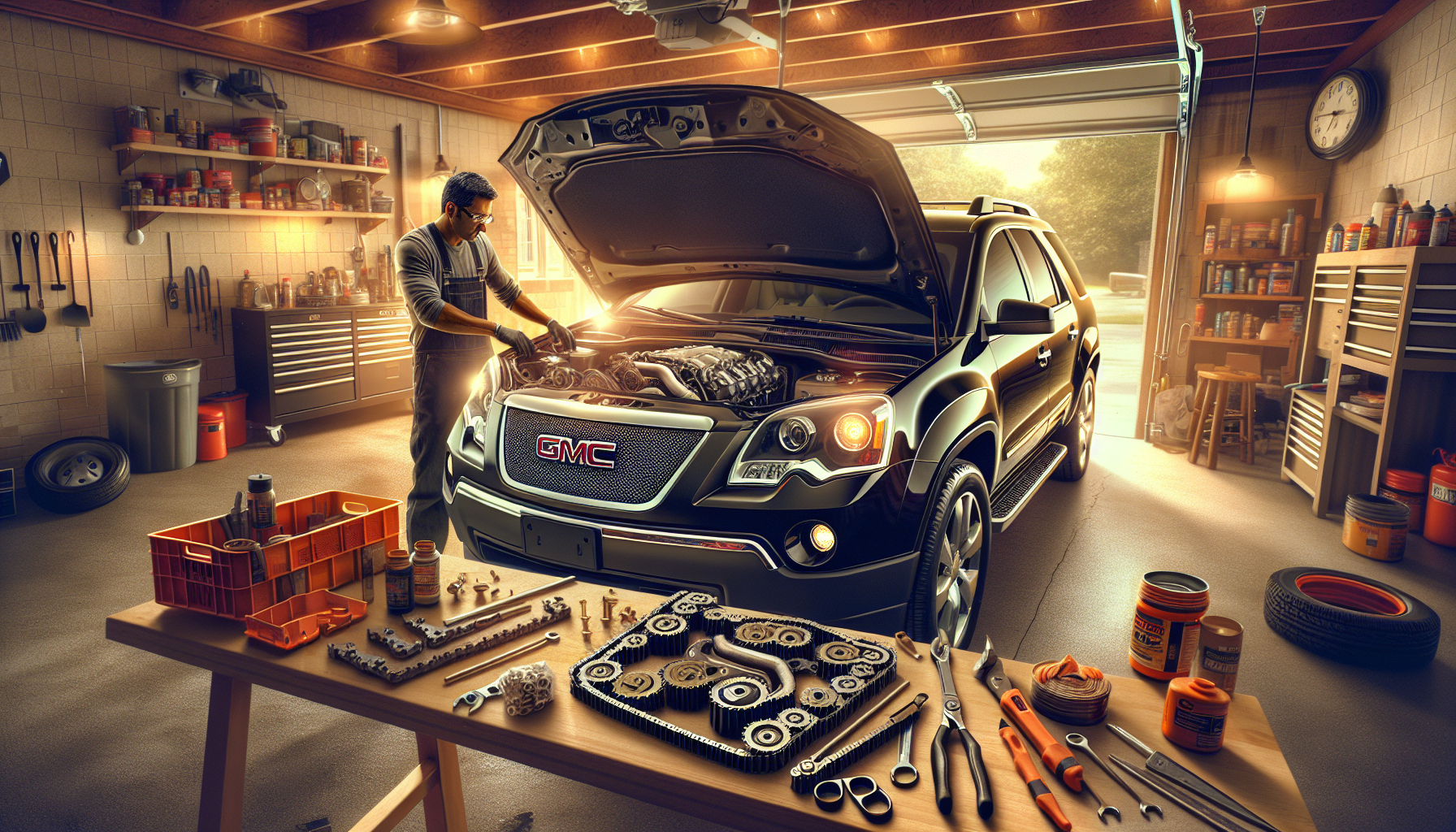
If your GMC Acadia has developed a rough idle that seems to get worse over time, there’s a good chance you’re dealing with a stretched timing chain. This is especially common in first-generation Acadias (2007-2016) equipped with the 3.6L V6 engine. The symptoms usually start subtle—maybe a slight vibration at idle or a check engine light with codes like P0008, P0017, P0018, or P0019. Left unchecked, a stretched timing chain can cause serious engine damage.
The 3.6L V6 in these vehicles uses a timing chain system instead of a belt, which sounds great in theory since chains are supposed to last longer. But GM’s early design had some issues. The chains stretch over time due to oil quality problems, wear on the guides and tensioners, and just general design flaws in the early versions of this engine. When the chain stretches, valve timing gets thrown off, leading to that rough idle, poor performance, and eventually catastrophic engine failure if ignored.
Common Causes
Understanding why timing chains stretch in the GMC Acadia helps you prevent it from happening again after a repair. Several factors contribute to this problem, and they often work together to accelerate chain wear.
Poor Oil Maintenance: This is the biggest killer of timing chains. The 3.6L engine needs clean oil at the right viscosity to keep the chain lubricated and the variable valve timing (VVT) system working properly. Miss a few oil changes or use cheap oil, and the chain starts wearing faster than it should. I’ve seen Acadias with less than 100,000 miles need chain replacements simply because the previous owner stretched oil change intervals to 7,000 or 10,000 miles.
Worn Tensioners and Guides: The timing chain relies on hydraulic tensioners to keep proper tension as the engine runs. These tensioners wear out, lose pressure, or get clogged with sludge. The plastic guides that the chain rides on can also crack or wear through. Once the guides fail, the chain starts slapping around, which accelerates stretching.
Design Flaws: Let’s be honest—the early 3.6L engines had timing chain problems from the factory. GM revised the design in later years, but if you’ve got a 2007-2012 Acadia, your engine likely has the weaker original components. The chains themselves weren’t robust enough for the job, and the tensioners had issues maintaining consistent pressure.
High Mileage and Age: Even with perfect maintenance, timing chains eventually wear out. Most Acadias start showing symptoms between 80,000 and 150,000 miles. The constant flexing and tension takes its toll, and metal fatigue sets in.
How to Diagnose the Problem
Before you start tearing into the engine, you need to confirm that a stretched timing chain is actually your problem. Some symptoms overlap with other issues, so proper diagnosis saves you time and money.
Check for Fault Codes: Connect an OBD-II scanner and pull any stored codes. The most common codes for timing chain issues are P0008 (bank 1 position), P0009 (bank 2 position), P0017, P0018, and P0019 (camshaft position timing). These codes specifically indicate that the cam timing is off from where the computer expects it to be.
Listen for Chain Noise: Start the engine cold and listen carefully to the front of the engine. A stretched chain often makes a rattling or slapping sound, especially during the first few seconds after startup when oil pressure is building. The noise might quiet down once the engine warms up and oil circulates fully. If you hear a metallic rattling from the timing cover area, that’s a red flag.
Inspect Oil Quality: Pull the dipstick and check your oil. Dark, dirty oil full of metallic particles suggests the chain and guides are breaking down. If the oil smells burnt or looks sludgy, you’ve likely got accelerated wear happening inside.
Perform a Compression Test: A stretched chain can cause valves to open and close at the wrong times, which affects cylinder compression. If your compression test shows inconsistent readings across cylinders, timing could be the culprit.
This video explains the common failure points and what to look for:
Check Cam Timing with a Scanner: If you have access to a more advanced scan tool, you can check the actual cam position sensor readings and compare them to the commanded positions. A stretched chain will show a discrepancy between what the ECU wants and what the sensors report.
How to Fix It
Replacing the timing chain on a 3.6L Acadia is not a beginner job. This is an intermediate to advanced DIY project that requires special tools, patience, and attention to detail. If you’re comfortable working on engines and have a full weekend available, you can save yourself $2,000-$3,000 in labor costs.
What You’ll Need: A complete timing chain kit (including chains, guides, tensioners, and VVT actuators), timing alignment tools specific to the GM 3.6L engine, a camshaft holding tool, new valve cover gaskets, and fresh engine oil. Don’t cheap out on the kit—get a quality brand like Cloyes or OEM GM parts.
Remove the Front Accessories: You’ll need to remove the radiator, serpentine belt, water pump, and front timing covers to access the chains. The Acadia requires removing the front engine mount and supporting the engine to get clearance. This is time-consuming but necessary.
Lock the Camshafts: This is critical. Before you remove anything, you need to lock the camshafts in position using the proper holding tools. The 3.6L has four camshafts (two per bank), and they all need to be aligned correctly. Missing this step means you’ll install everything wrong and potentially bend valves when you try to start the engine.
Remove the Old Chains: Once everything is exposed and locked in place, remove the old timing chains, guides, and tensioners. Inspect everything for wear patterns. You’ll probably see grooves worn into the guides and stretched pins on the chain links.
Install New Components: Follow the kit instructions carefully. The chains have specific routing patterns, and each cam sprocket needs to align with timing marks. Install the new guides first, then the chains, then the tensioners. The hydraulic tensioners need to be compressed and locked before installation—they’ll expand once you remove the locking pins.
This video walks through the complete replacement process with helpful tips:
Double-Check Alignment: Before you button everything up, manually rotate the crankshaft two full revolutions and verify that all timing marks still align perfectly. This is your last chance to catch a mistake before reassembly.
Reassemble and Test: Put everything back together with new gaskets and seals. Refill with fresh oil (use quality 5W-30 synthetic), clear the fault codes, and start the engine. It should idle smoothly without any rattling noises. Let it warm up fully and recheck for leaks or unusual sounds.
When to See a Mechanic
This repair pushes the limits of DIY work. If you’ve never done timing chain work before, the Acadia’s 3.6L is not where you want to learn. One mistake in cam timing can bend valves, and you’ll be looking at a complete engine rebuild or replacement.
Take it to a professional if you don’t have the special tools needed for the job. The camshaft holding tools alone cost $100-$200, and you can’t do the job without them. You also need a way to safely support the engine while removing the motor mount.
If your engine has already jumped timing (meaning the chain stretched so much that it skipped teeth on the sprockets), you likely have valve damage. At that point, you’re not just replacing chains—you’re pulling heads and inspecting valves, which requires even more specialized knowledge.
Watch for symptoms that suggest more serious damage: metal shavings in the oil, severe loss of power, misfires on multiple cylinders, or if the engine won’t start at all after developing timing chain symptoms. These all indicate you’re past the point of a simple chain replacement.
Estimated Repair Costs
The cost to fix a stretched timing chain varies significantly depending on whether you DIY or pay a shop, and whether there’s additional damage to address.
| Repair Type | Parts Cost | Labor Cost | Total |
|---|---|---|---|
| DIY Timing Chain Kit | $400-$700 | $0 | $400-$700 |
| Professional Chain Replacement | $500-$800 | $1,800-$2,500 | $2,300-$3,300 |
| Chain + Valve Damage Repair | $800-$1,500 | $3,000-$4,500 | $3,800-$6,000 |
| Engine Replacement (if severe) | $2,500-$4,000 | $1,500-$2,500 | $4,000-$6,500 |
Labor costs are high because this job typically takes a professional mechanic 10-15 hours. Independent shops are usually cheaper than dealerships. If you’re in a high cost-of-living area, expect prices on the higher end of these ranges.
Prevention Tips
Once you’ve fixed the timing chain issue, you want to make sure it doesn’t happen again prematurely. Prevention focuses mostly on oil maintenance and catching problems early.
Change Oil Religiously: Use synthetic oil and change it every 5,000 miles maximum. The 3.6L engine is sensitive to oil quality because of the VVT system. Cheap oil or extended intervals will kill your new timing chain just as fast as the old one. This isn’t an area to cut corners.
Use the Right Oil: Stick with 5W-30 that meets GM’s dexos1 specification. The viscosity and additives matter for proper chain lubrication and tensioner operation. Running thicker oil in winter or thinner oil in summer throws off the hydraulic systems.
Monitor for Symptoms: Keep an ear out for any rattling noises from the engine bay, especially on cold starts. Check your oil level regularly—low oil accelerates timing chain wear dramatically. If a check engine light pops up with timing-related codes, don’t ignore it.
Address Oil Leaks Promptly: The 3.6L is known for valve cover leaks and timing cover leaks. A slow leak means you’re running low on oil between changes, which puts extra stress on the timing components. Fix leaks as soon as you spot them.
Consider Upgraded Parts: If your Acadia is older and you’re doing the chain replacement, consider upgrading to the later-design GM parts or an aftermarket kit with improved materials. The updated components are more durable than what originally came in early Acadias.
Final Thoughts
A stretched timing chain in your GMC Acadia is a serious issue, but it’s fixable if you catch it before catastrophic damage occurs. The rough idle is usually your first warning sign—don’t ignore it. This repair is expensive whether you do it yourself or hire a professional, but it’s still cheaper than replacing an entire engine that grenaded from a broken chain.
If you’re mechanically inclined and want to tackle this yourself, take your time and follow the procedures exactly. Getting the cam timing wrong has expensive consequences. For most owners, paying a trusted mechanic is the smarter choice. Either way, once it’s fixed, stay on top of your oil changes and you should get another 100,000+ miles out of your Acadia without repeating this headache.



Leave a Reply