
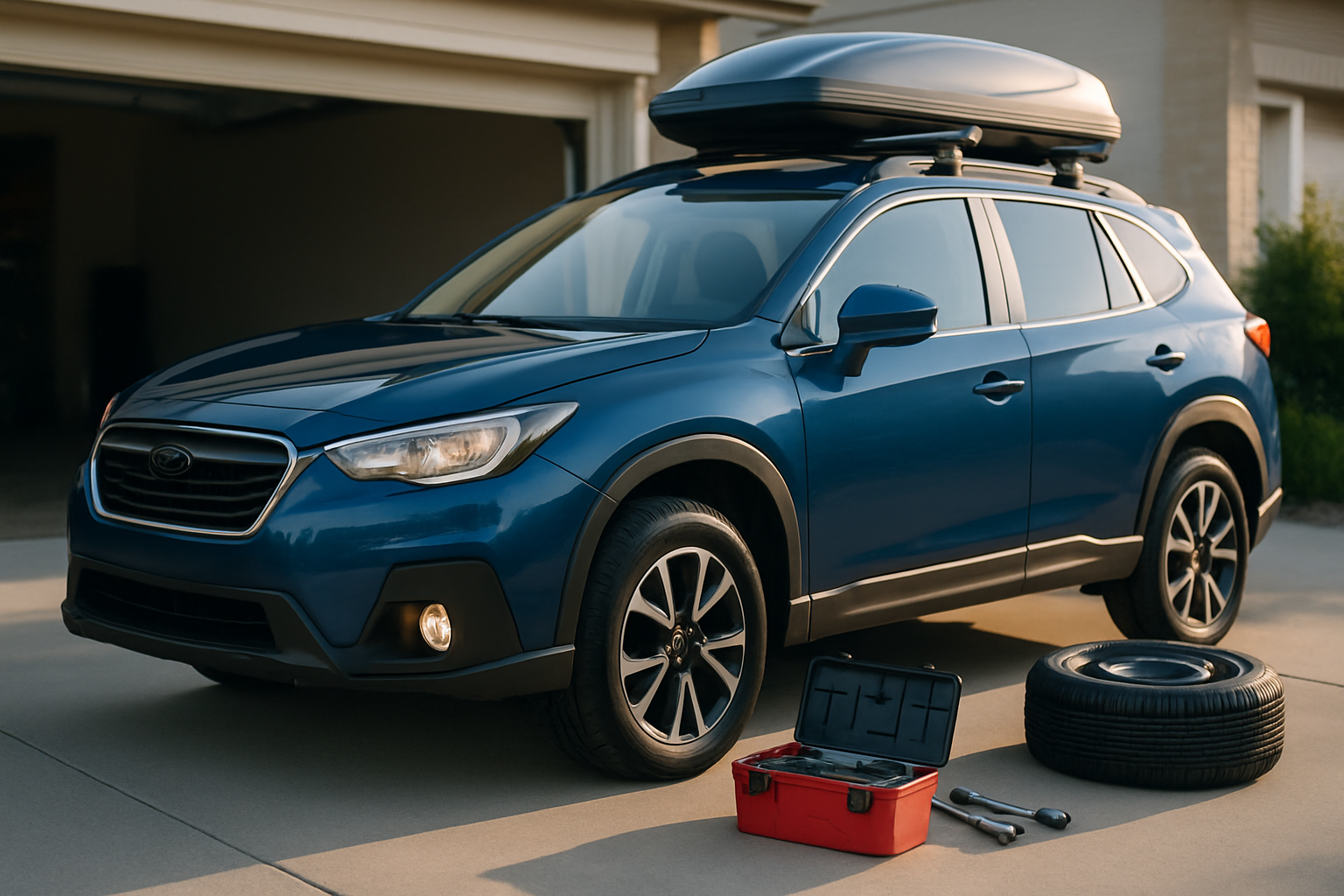
Taking your car on a long road trip requires more than just filling up the tank and hitting the road. A few hours spent checking key systems can prevent breakdowns, save money, and keep your journey smooth from start to finish.
Think of your pre-trip inspection as insurance against roadside emergencies. Your car works harder on long trips, covering hundreds of miles at highway speeds, often in varying weather conditions and terrain.
Essential Fluid Level Checks
Start with your engine oil, the lifeblood of your car’s motor. Pull the dipstick when the engine is cold and parked on level ground. The oil should fall between the minimum and maximum marks, appearing dark amber or black. If it’s low, add the manufacturer-specified grade. If it’s been more than 5,000 miles since your last change, get fresh oil before you leave.
Check your coolant level in the overflow reservoir, not the radiator cap. The coolant should be bright green, orange, or pink depending on your car’s system. Brown or rusty coolant needs immediate replacement. Top off with a 50/50 mix of coolant and distilled water.
Your brake fluid reservoir sits near the firewall, usually marked with a brake symbol. The fluid should be clear to light amber. Dark or contaminated brake fluid reduces stopping power, especially dangerous on mountain descents where brakes work overtime.
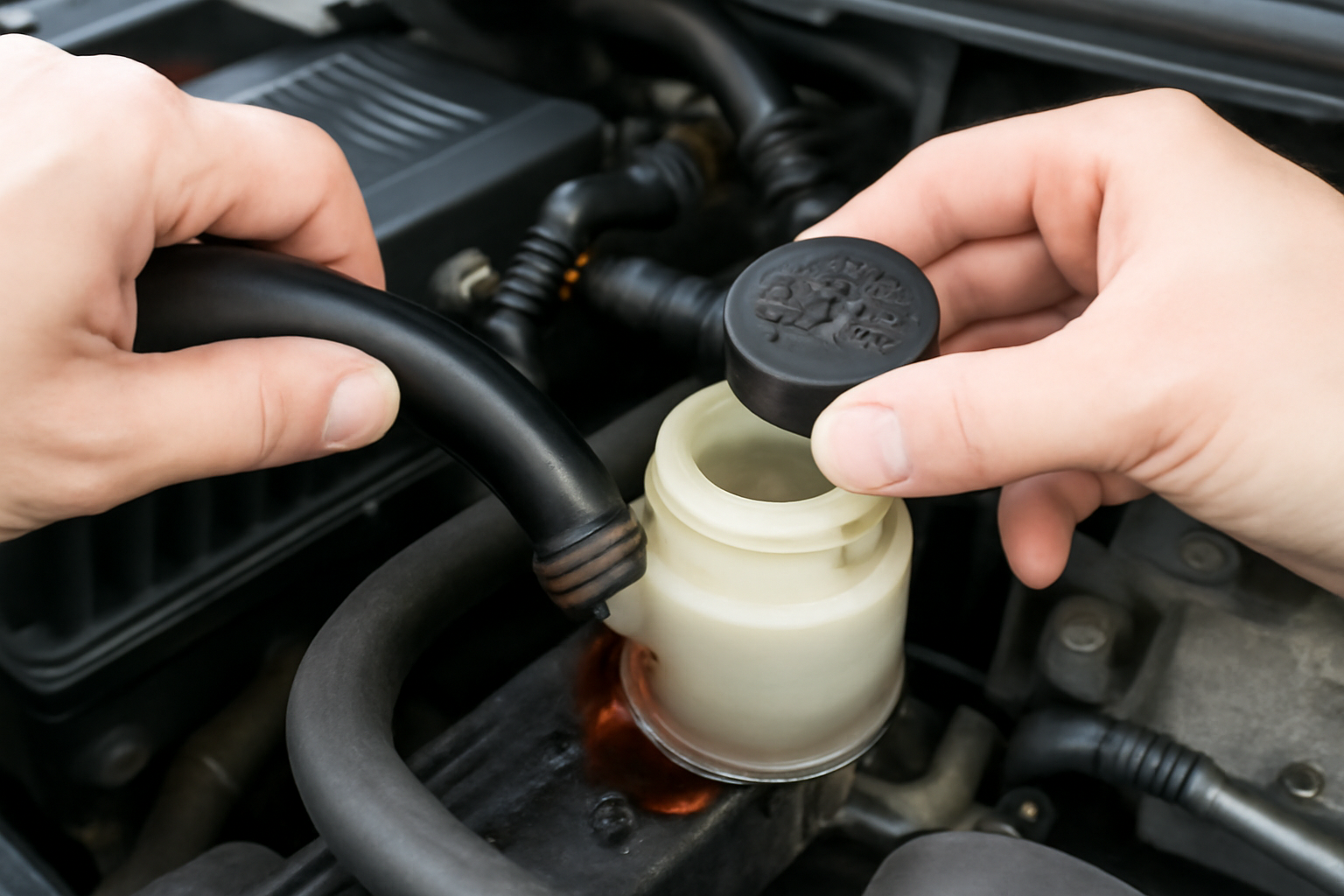
Don’t forget power steering fluid, windshield washer fluid, and transmission fluid if your car has a dipstick. Low power steering fluid makes parking lot maneuvers difficult after long highway stretches.
Tire Inspection and Maintenance
Your tires carry the entire weight of your loaded car for hundreds of miles. Check the tread depth using the penny test: insert a penny into the tread with Lincoln’s head facing down. If you can see the top of his head, your tires need replacement before your trip.
Look for uneven wear patterns, bulges, or cracking in the sidewalls. Uneven wear often indicates alignment issues that worsen under highway driving loads. Small bulges can become blowouts at highway speeds.
Check tire pressure when tires are cold, preferably first thing in the morning. Use the pressure specification on your door jamb sticker, not the maximum pressure molded into the tire sidewall. Under-inflated tires generate excessive heat on long drives and reduce fuel economy.
Don’t forget your spare tire. Many drivers discover flat spares when they need them most. If you have a compact spare, remember it’s only rated for 50 mph and short distances.
Brake System Evaluation
Listen for squealing, grinding, or unusual noises when braking. Metallic grinding sounds indicate worn brake pads that can damage rotors if not replaced. Squealing often comes from wear indicators telling you the pads need attention soon.
Test your brake pedal feel. It should be firm and stop about halfway to the floor. A spongy pedal or one that sinks slowly might indicate air in the brake lines or worn components. Mountain driving and stop-and-go traffic put extra demands on your brake system.
Check brake pad thickness through your wheel spokes if visible. Most pads should have at least 3-4mm of material remaining. If you’re unsure, have a shop inspect them. New brake pads cost much less than rotors damaged by worn pads.
Belt and Hose Inspection
Pop your hood and inspect the serpentine belt that drives your alternator, power steering, and air conditioning. Look for fraying, cracking, or glazing on the belt surface. A failed serpentine belt leaves you stranded with no alternator, power steering, or cooling system.
Check belt tension by pressing down mid-span between pulleys. It should deflect about half an inch with firm pressure. Too loose and it might slip or squeal. Too tight and it stresses bearings in your accessories.
Examine radiator hoses and heater hoses for bulging, cracking, or soft spots. Squeeze hoses when the engine is cold. They should feel firm, not mushy or hard. Failed cooling hoses can leave you overheated miles from help.
Wiper Blades and Visibility
Replace wiper blades if they streak, chatter, or leave unwiped areas. Road trips often encounter unexpected weather, and good visibility is critical for safety. Quality wiper blades cost under $30 for most cars but provide invaluable safety benefits.
Test your washer fluid spray pattern. Clogged nozzles prevent proper windshield cleaning. Use a thin wire or needle to clear blocked spray holes. Fill your washer reservoir with quality fluid that won’t freeze in cold climates you might encounter.
Clean your windshield inside and out before departure. Road film and interior haze reduce visibility, especially with sun glare or oncoming headlights at night.
Emergency Kit Essentials
Pack a basic emergency kit tailored to your route and season. Include jumper cables, a tire pressure gauge, basic tools like screwdrivers and pliers, electrical tape, zip ties, and a multi-tool. These items handle many roadside situations.
Add emergency supplies like water, non-perishable snacks, a flashlight with extra batteries, a first aid kit, and emergency blankets. If traveling in winter or remote areas, include extra warm clothing and a small shovel.
Consider a portable jump starter instead of traditional jumper cables. Modern lithium units like the NOCO Boost series are compact, don’t require another vehicle, and often include USB charging ports and LED lights.
Pre-Trip Inspection Checklist
Create a systematic approach to avoid missing critical items. Start under the hood, then move around the vehicle clockwise, checking each component methodically.
Under the hood: Check all fluid levels, inspect belts and hoses, test battery terminals for corrosion, and verify the air filter isn’t clogged with debris.
Exterior walk-around: Inspect all tires including the spare, test all lights including headlights, taillights, turn signals and hazards, check that license plates are secure and visible.
Interior check: Test wipers and washers, verify all gauges work properly, ensure air conditioning and heating function correctly, and confirm your spare key works.
Recommended Road Trip Accessories
Smart organization makes long trips more comfortable and convenient. Quality road trip car accessories and organizers help keep essentials within reach while preventing loose items from becoming projectiles during sudden stops.
Trunk organizers with multiple compartments keep emergency supplies, tools, and personal items sorted and secure. Seat-back organizers provide easy access to snacks, devices, and entertainment for passengers. Console organizers prevent small items like charging cables and sunglasses from disappearing into seat cracks.
Consider a car refrigerator or high-quality cooler for drinks and perishable snacks. Portable phone chargers and car adapters ensure devices stay powered for navigation and communication.
Professional Inspection Considerations
If your car hasn’t been serviced recently or shows any concerning symptoms, schedule a pre-trip inspection with a trusted mechanic. Professional inspections typically cost $100-150 but can identify problems you might miss.
Mechanics have diagnostic tools to test battery condition, alternator output, and cooling system pressure. They can spot worn suspension components that cause tire wear or handling problems on long highway stretches.
Schedule your inspection at least a week before departure. This allows time to order parts and complete repairs without rushing or compromising your departure date.
Final Preparations
Plan your route and identify service stations, especially in remote areas. Download offline maps to your phone in case cellular coverage is spotty. Research automotive service centers along your route in case problems develop.
Pack your owner’s manual and any service records. These help mechanics diagnose problems and identify the correct parts for repairs. Take photos of fluid reservoir levels and belt conditions for reference.
Consider roadside assistance coverage if you don’t already have it. AAA, manufacturer programs, or insurance company options provide valuable backup for mechanical problems or accidents far from home.
Frequently Asked Questions
How far in advance should I prepare my car for a road trip?
Start your preparation at least two weeks before departure. This allows time for any necessary repairs or part orders without rushing. Major services like timing belt replacement might require scheduling several weeks ahead.
What’s the most important maintenance item for long road trips?
Tire condition and proper inflation are critical. Tire failures at highway speeds are dangerous and leave you stranded. Quality tires with good tread depth and proper pressure prevent most tire-related problems.
Should I change my oil before every long trip?
Change your oil if you’re within 1,000 miles of your normal change interval or if the current oil looks very dark or contaminated. Fresh oil provides better protection during extended highway driving when engines run hotter than normal.
How often should I check my car during a multi-day road trip?
Check fluid levels, tire pressure, and overall condition every morning before driving. Look under the car for any leaks that developed overnight. These quick checks take five minutes but can prevent major problems.
This article contains affiliate links. If you purchase through these links, we may earn a small commission at no extra cost to you.
Leave a Reply