
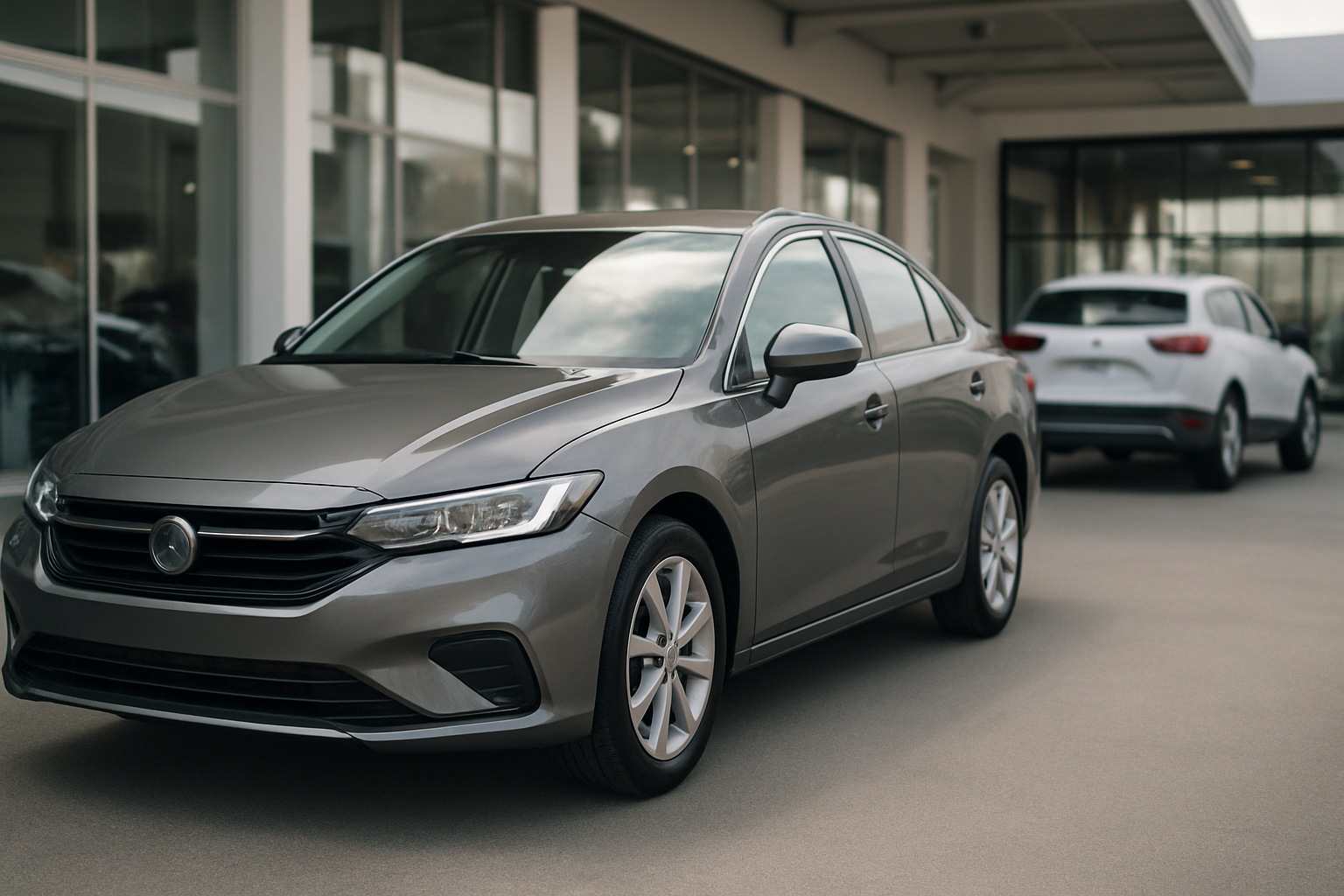
Gap insurance protects you from losing thousands of dollars if your car gets totaled or stolen. When you owe more on your auto loan than your car’s current value, gap insurance covers that difference. Most drivers don’t understand when this coverage becomes essential versus unnecessary expense.
What Gap Insurance Actually Covers
Gap insurance stands for “Guaranteed Asset Protection” or “Guaranteed Auto Protection.” This coverage pays the difference between what you owe on your car loan and what your insurance company pays out after a total loss.
Your comprehensive or collision insurance pays the actual cash value of your vehicle at the time of loss. If you owe $25,000 on your loan but your car’s current value is $18,000, you’re stuck with a $7,000 bill for a car you can’t drive. Gap insurance eliminates this financial burden.
This coverage only applies when your primary insurance declares your vehicle a total loss. Gap insurance won’t help with repair costs, deductibles, or partial damage claims.
Understanding Underwater Auto Loans
Being “underwater” or “upside down” on your car loan means owing more than your vehicle’s worth. This situation happens more frequently than most buyers realize, especially in the first few years of ownership.
New cars depreciate rapidly once you drive them off the dealer lot. Most vehicles lose 20-30% of their value within the first year and up to 60% within five years. Meanwhile, your loan balance decreases slowly since early payments go primarily toward interest.
You’re most vulnerable to negative equity during the first 2-3 years of your loan term. Extended loan terms of 72 or 84 months increase this risk significantly since you’re paying down principal even more slowly.
How Vehicle Depreciation Creates Coverage Gaps
Different vehicle types depreciate at varying rates, affecting your gap insurance needs. Luxury cars typically lose value faster than economy models. Electric vehicles can depreciate quickly due to rapidly evolving technology and federal tax incentives on new purchases.
Popular models with strong resale values like Toyota Camrys or Honda Civics may never create significant coverage gaps. Conversely, luxury sedans or niche vehicles often depreciate faster than loan paydown schedules.
Market conditions also influence depreciation rates. Economic downturns, fuel price changes, or shifts in consumer preferences can accelerate value loss for certain vehicle categories.
When Gap Insurance Makes Financial Sense
Gap coverage becomes valuable in specific situations. If you made a small down payment (less than 20%), you’re likely underwater from day one. Long-term loans of 60+ months also increase your gap insurance needs.
Leasing situations often require gap coverage since you’re only paying for depreciation, not building equity. Many lease agreements include gap protection automatically, but you should verify this with your dealer.
If you rolled negative equity from a previous loan into your new purchase, gap insurance becomes essential. Trading in an underwater vehicle compounds your exposure to coverage gaps.
First-time buyers often benefit from gap coverage since they typically make smaller down payments and choose longer loan terms to reduce monthly payments.
When Gap Insurance Doesn’t Make Sense
Gap coverage isn’t necessary if you made a substantial down payment (25% or more) and chose a shorter loan term. If your loan balance already sits below your car’s value, you don’t need gap protection.
Older used cars rarely benefit from gap insurance since much of their depreciation already occurred. If you’re buying a 5+ year old vehicle, the depreciation curve has typically flattened enough to avoid significant coverage gaps.
If you have sufficient savings to cover potential gaps, you might skip this coverage and self-insure instead. Calculate your potential exposure and compare it to gap insurance costs over your loan term.
Dealer vs Insurance Company Gap Coverage
Dealers often mark up gap insurance significantly, sometimes charging $500-800 for coverage your auto insurer might provide for $20-40 annually. Dealer gap insurance gets rolled into your loan, meaning you’ll pay interest on the premium for years.
Insurance company gap coverage typically costs less and offers more flexibility. You can cancel the coverage once you’re no longer underwater, potentially saving money on unnecessary premiums.
Dealer gap insurance might include additional perks like total loss deductible coverage or extended coverage periods. Read the fine print to understand exactly what each option provides before deciding.
Some credit unions and banks offer gap insurance for their auto loans at competitive rates. Check with your lender before purchasing coverage elsewhere.
How to Calculate Your Gap Exposure
Determine your current gap exposure by checking your loan balance and researching your vehicle’s current market value. Use resources like Kelley Blue Book, Edmunds, or NADA to estimate your car’s worth.
Consider your loan’s amortization schedule to see when your balance might drop below your vehicle’s projected value. Online loan calculators can help you map out principal reduction over time.
Factor in your down payment, trade-in value, and any rolled-over negative equity when calculating initial gap exposure. Larger down payments reduce your initial gap risk significantly.
Alternative Gap Protection Options
Some auto manufacturers offer gap protection through their financing arms. Honda Care, Toyota’s Vehicle Service Agreement, and similar programs might include gap coverage at competitive rates.
Credit card purchase protection occasionally includes gap-like coverage for vehicle purchases. Review your card benefits to see if existing protection might reduce your gap insurance needs.
New car replacement coverage from insurers like Liberty Mutual or State Farm provides similar protection to gap insurance but pays for a new vehicle instead of covering loan balances.
Gap Insurance Claims Process
Filing a gap insurance claim starts with your primary auto insurance claim. Your comprehensive or collision coverage must first declare your vehicle a total loss and issue their settlement offer.
You’ll need documentation of your loan balance, insurance settlement amount, and any deductibles you paid. Gap insurers typically require official payoff letters from your lender showing the exact amount owed.
Most gap claims process within 30 days once you provide all required documentation. Your gap insurer pays your lender directly rather than sending you a check.
Cost Factors and Shopping Tips
Gap insurance costs vary based on your vehicle type, loan amount, and coverage provider. Insurance companies typically charge 5-6% of your comprehensive and collision premiums annually for gap coverage.
Dealer gap insurance often costs more upfront but includes the convenience of single-source financing. Compare total costs including interest charges when dealer coverage gets financed into your loan.
Some insurers offer loan/lease payoff coverage as an alternative to traditional gap insurance. This coverage has caps (typically 25% above actual cash value) but costs less than unlimited gap protection.
Common Gap Insurance Exclusions
Gap insurance won’t cover overdue loan payments, late fees, or penalties owed to your lender. Extended warranties, credit life insurance, and other add-ons financed into your loan aren’t covered either.
If you modify your vehicle significantly, gap coverage might not apply. Racing, commercial use, or other excluded activities can void your gap protection just like your primary auto insurance.
Some gap policies exclude coverage if you’re behind on payments when the loss occurs. Maintain current loan payments to ensure your coverage remains valid.
Frequently Asked Questions
How long should I keep gap insurance?
Keep gap insurance until your loan balance drops below your vehicle’s market value. This typically happens within 2-4 years depending on your down payment, loan term, and vehicle depreciation rate. Monitor both values annually to determine when cancellation makes sense.
Can I add gap insurance after buying my car?
Most insurance companies allow you to add gap coverage to existing policies, but some require you to purchase it within the first year of vehicle ownership. Dealers typically only offer gap insurance at the time of purchase or delivery.
Does gap insurance cover my deductible?
Standard gap insurance doesn’t cover deductibles, but some policies include deductible coverage as an add-on. Dealer gap insurance sometimes includes automatic deductible coverage, making it potentially more valuable despite higher upfront costs.
What happens if I refinance my auto loan?
Gap insurance typically transfers with loan refinancing, but verify this with your coverage provider. Some policies require notification of loan changes to maintain coverage validity. Your gap exposure might change with different loan terms, so reassess your coverage needs after refinancing.
This article contains affiliate links. If you purchase through these links, we may earn a small commission at no extra cost to you.


Leave a Reply