
Deciding whether to keep full coverage or switch to liability-only car insurance ranks among the most important financial decisions vehicle owners face. This choice affects both your monthly budget and your financial protection, especially when your car’s value starts declining.
The key lies in understanding when your insurance premiums no longer justify the coverage you’re receiving. Many drivers hold onto comprehensive and collision coverage long after it makes financial sense, essentially throwing money away each month.
Understanding Full Coverage vs Liability Insurance

Full coverage insurance typically includes liability, comprehensive, and collision coverage. Liability insurance covers damage you cause to other people and their property. Comprehensive coverage protects against theft, vandalism, weather damage, and other non-collision events. Collision coverage pays for damage when you hit another vehicle or object.
Liability-only insurance provides the minimum coverage required by law in most states. You’ll still have bodily injury and property damage liability, but you won’t receive any money if your own vehicle gets damaged or stolen.
This distinction becomes crucial when your car’s value drops significantly. Insurance companies only pay up to your vehicle’s actual cash value, minus your deductible, regardless of how much you’ve paid in premiums.
The 10% Rule: When to Consider Dropping Full Coverage
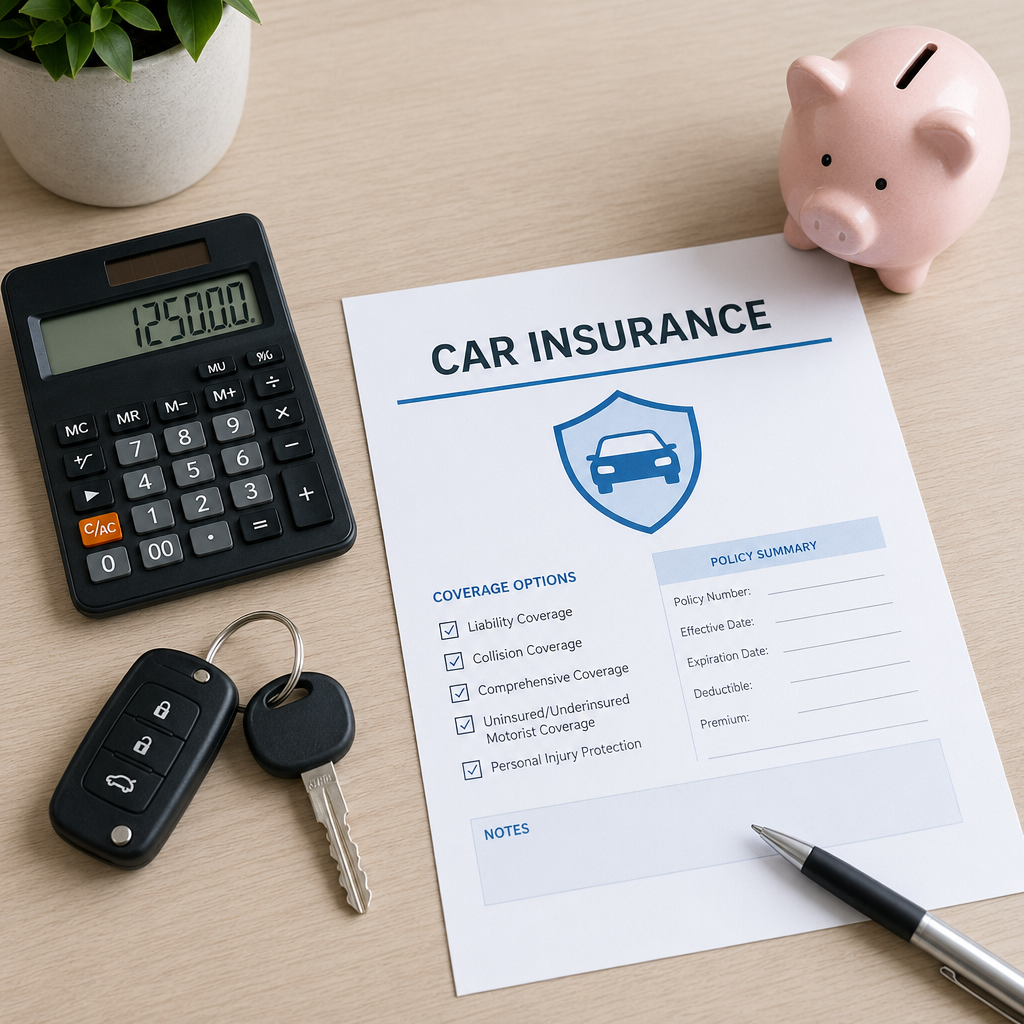
Insurance professionals use a simple rule of thumb to determine when full coverage stops making financial sense. If six months of your comprehensive and collision premiums exceed 10% of your car’s current market value, you should seriously consider switching to liability-only coverage.
Here’s how to calculate this. First, find your car’s current market value using resources like Kelley Blue Book, Edmunds, or recent local sales of similar vehicles. Multiply that value by 0.10 to get your 10% threshold.
Next, add up your comprehensive and collision premiums for six months. Don’t include liability, uninsured motorist, or other mandatory coverages since you’ll keep those regardless.
If your six-month comprehensive and collision costs exceed that 10% figure, the math suggests you’d be better off self-insuring against physical damage to your vehicle.
Real-World Example
Consider a 2015 Honda Civic currently worth check current prices. The 10% threshold would be check current prices. If your comprehensive and collision coverage costs check current prices per month, you’re paying check current prices for six months of coverage. Since check current prices exceeds the check current prices threshold, you should consider dropping full coverage.
Even if you filed a total loss claim, you’d only receive about check current prices minus your deductible. If your deductible is check current prices, you’d net check current prices. But you’re paying check current prices per year in premiums, meaning you’d break even in less than four years even without any claims.
Factors Beyond the 10% Rule
While the 10% rule provides excellent guidance, several other factors should influence your decision. Your personal financial situation plays the biggest role in this choice.
Consider whether you could afford to replace your vehicle tomorrow if it got totaled. If losing your car would create serious financial hardship or prevent you from working, keeping full coverage might be worth the extra cost even if it fails the 10% test.
Your driving environment also matters significantly. If you park in high-crime areas, live in regions prone to severe weather, or commute through areas with frequent accidents, comprehensive coverage might provide value beyond pure mathematics.
Vehicle Age and Depreciation Patterns
Most vehicles follow predictable depreciation curves. Cars typically lose 60-70% of their value within the first five years. Luxury vehicles often depreciate even faster, while certain trucks and SUVs hold value better.
Vehicles older than 8-10 years usually make poor candidates for full coverage, especially if they have high mileage or visible wear. However, some older vehicles with classic car potential or exceptional reliability records might warrant continued coverage.
Research your specific make and model’s depreciation pattern. Some vehicles hit a depreciation floor and stabilize, while others continue declining steadily.
Evaluating Your Personal Risk Profile
Your individual risk tolerance and financial stability should heavily influence this decision. Conservative investors and those with limited emergency savings might benefit from keeping coverage longer than aggressive risk-takers with substantial cash reserves.
Examine your claims history over the past five years. If you’ve never filed a comprehensive or collision claim, you’ve essentially been self-insuring anyway. Drivers with clean records often make good candidates for dropping coverage earlier.
Consider your driving habits and skills honestly. If you’re prone to fender-benders or drive in challenging conditions regularly, maintaining collision coverage might provide good value even on older vehicles.
Geographic Risk Factors
Your location significantly impacts the value proposition of comprehensive coverage. Urban areas typically see higher rates of theft and vandalism. Coastal regions face hurricane risks, while midwest drivers deal with hail damage.
Research local crime statistics and weather patterns. If you live in an area with frequent break-ins or severe storms, comprehensive coverage might justify its cost longer than in safer, more stable climates.
Parking situations matter tremendously. Garage parking reduces most comprehensive risks, while street parking in dense urban areas increases them substantially.
Financial Alternatives to Full Coverage
Dropping full coverage doesn’t mean going without financial protection. You can self-insure by setting aside the money you would have spent on premiums into a dedicated emergency fund for vehicle replacement.
This approach works particularly well if you’re disciplined about saving. Take your monthly comprehensive and collision premium and automatically transfer it to a high-yield savings account earmarked for vehicle expenses.
Over time, this fund grows substantially. Unlike insurance premiums, which disappear whether you file claims or not, your self-insurance fund accumulates and earns interest.
Emergency Fund Strategy
Start building your vehicle emergency fund before you drop coverage. Aim to save at least 3-6 months of premiums before making the switch. This provides a buffer in case you need vehicle repairs or replacement soon after dropping coverage.
Keep these funds easily accessible but separate from your regular emergency savings. Consider using a dedicated savings account or short-term CD to prevent spending this money on other purposes.
Remember that self-insurance requires discipline. You must consistently save the premium money rather than spending it on other items.
Making the Transition
When you decide to drop full coverage, contact your insurance company to remove comprehensive and collision coverage while maintaining liability limits. Don’t simply cancel your entire policy, as this could result in legal penalties and higher rates later.
Time this change strategically. Avoid dropping coverage right before severe weather seasons if you live in areas prone to hail, hurricanes, or other natural disasters.
Document your vehicle’s current condition with photos before dropping coverage. This helps establish its pre-existing condition if you ever need to sell it or if legal issues arise.
Review your liability limits when making this change. Since you’ll have more financial exposure if you cause an accident, consider increasing your bodily injury and property damage coverage.
Loan and Lease Considerations
If you still owe money on your vehicle, your lender almost certainly requires comprehensive and collision coverage. You cannot legally drop this coverage until you own the car outright.
Leased vehicles always require full coverage throughout the lease term. The leasing company protects their investment by mandating comprehensive coverage levels that often exceed state minimums.
Even after paying off your loan, some lenders take time to process the paperwork and release their lien. Wait until you receive clear title documents before contacting your insurance company about coverage changes.
Common Mistakes to Avoid
Don’t base your decision solely on your monthly budget pressures. While dropping coverage frees up money immediately, ensure you’re making this choice based on sound financial analysis rather than temporary cash flow problems.
Avoid the temptation to drop coverage immediately after getting repair estimates for minor damage. This emotional reaction often leads to poor long-term financial decisions.
Don’t forget to shop around for lower rates before dropping coverage entirely. Sometimes switching insurance companies or adjusting deductibles can make full coverage affordable again.
Never drive without any insurance. Even liability-only coverage is legally required in most states. Driving uninsured can result in license suspension, fines, and massive financial liability.
Frequently Asked Questions
Can I add full coverage back after dropping it?
Yes, you can typically add comprehensive and collision coverage back to your policy at any time. However, there’s usually no coverage for damage that occurred while you didn’t have coverage. Some insurance companies may require a vehicle inspection before adding coverage back to an older vehicle.
What happens if I total my car right after dropping coverage?
You’ll receive no money from your insurance company for your vehicle’s damage. You’ll still be responsible for liability coverage if you caused the accident, but you’ll need to replace your vehicle entirely out of pocket. This represents the primary risk of dropping coverage.
Should I drop comprehensive but keep collision coverage?
This strategy can work in some situations. If you’re a careful driver in a low-crime area, dropping comprehensive while maintaining collision provides protection against your most likely risk. However, many insurance companies offer package discounts that make this separation less economical than expected.
How does dropping coverage affect my insurance rates later?
Maintaining continuous liability coverage typically prevents rate increases. However, some companies offer discounts for customers with comprehensive and collision coverage. When you add coverage back later, you might lose loyalty discounts or face slightly higher rates, though the impact is usually minimal. Understanding how your credit score affects your car insurance rate can also help you make informed decisions about your overall insurance costs.
This article contains affiliate links. If you purchase through these links, we may earn a small commission at no extra cost to you.

Leave a Reply