
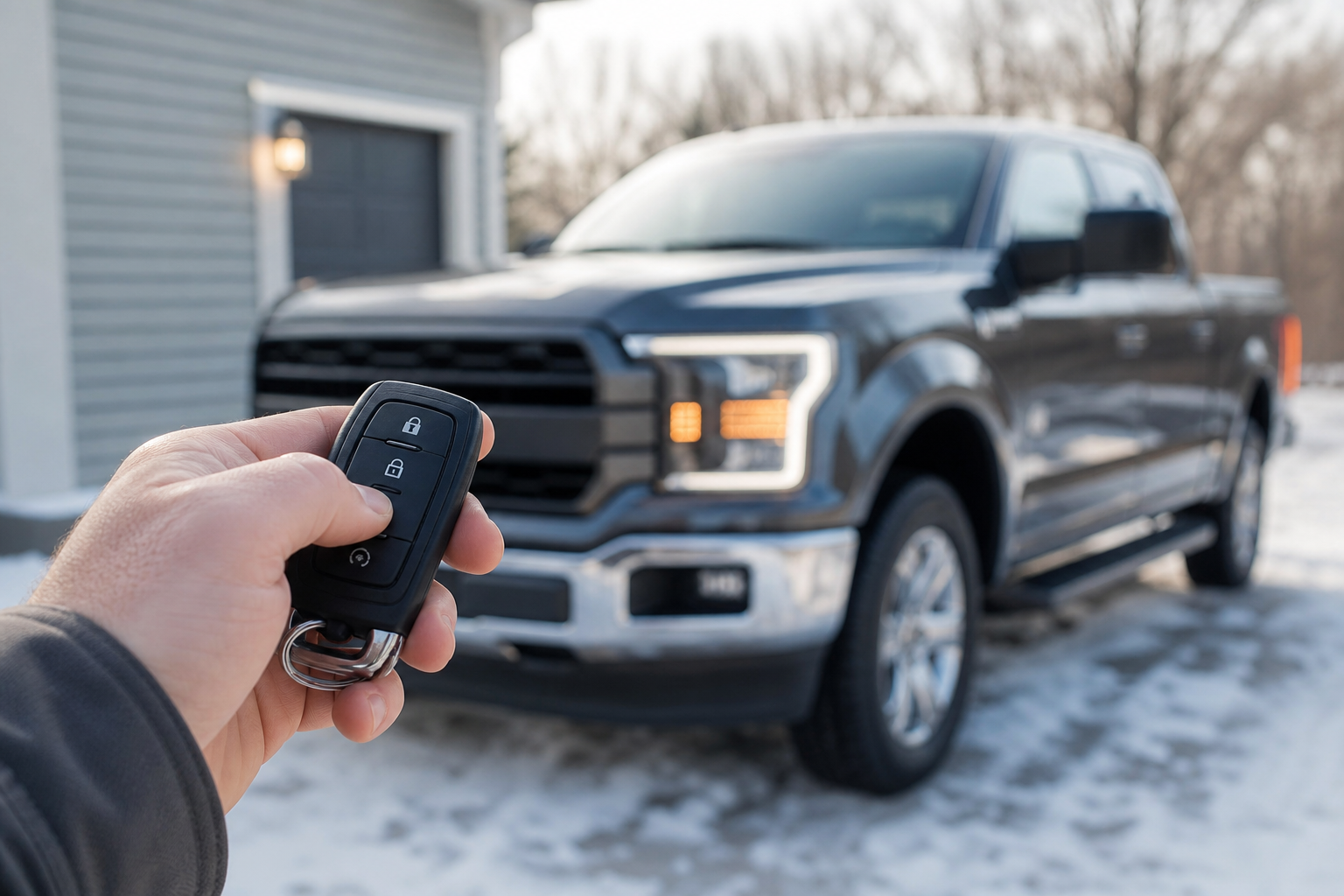
You climb into your driveway on a freezing morning, hit the remote start button on your key fob, and… nothing. No exhaust puff, no lights flashing, no warm cab waiting for you. If your Ford F-150 has suddenly stopped responding to remote start, you’re dealing with one of the most common complaints among F-150 owners, and the fix is usually a lot simpler than a trip to the dealership.
This guide walks through the quick checks first, then digs into the deeper causes, whether you’ve got the factory system or an aftermarket unit installed by a previous owner or local shop.
Start With These Quick Checks
Before you assume something’s broken, run through this list. Most remote start failures on the F-150 come down to one of these simple issues.
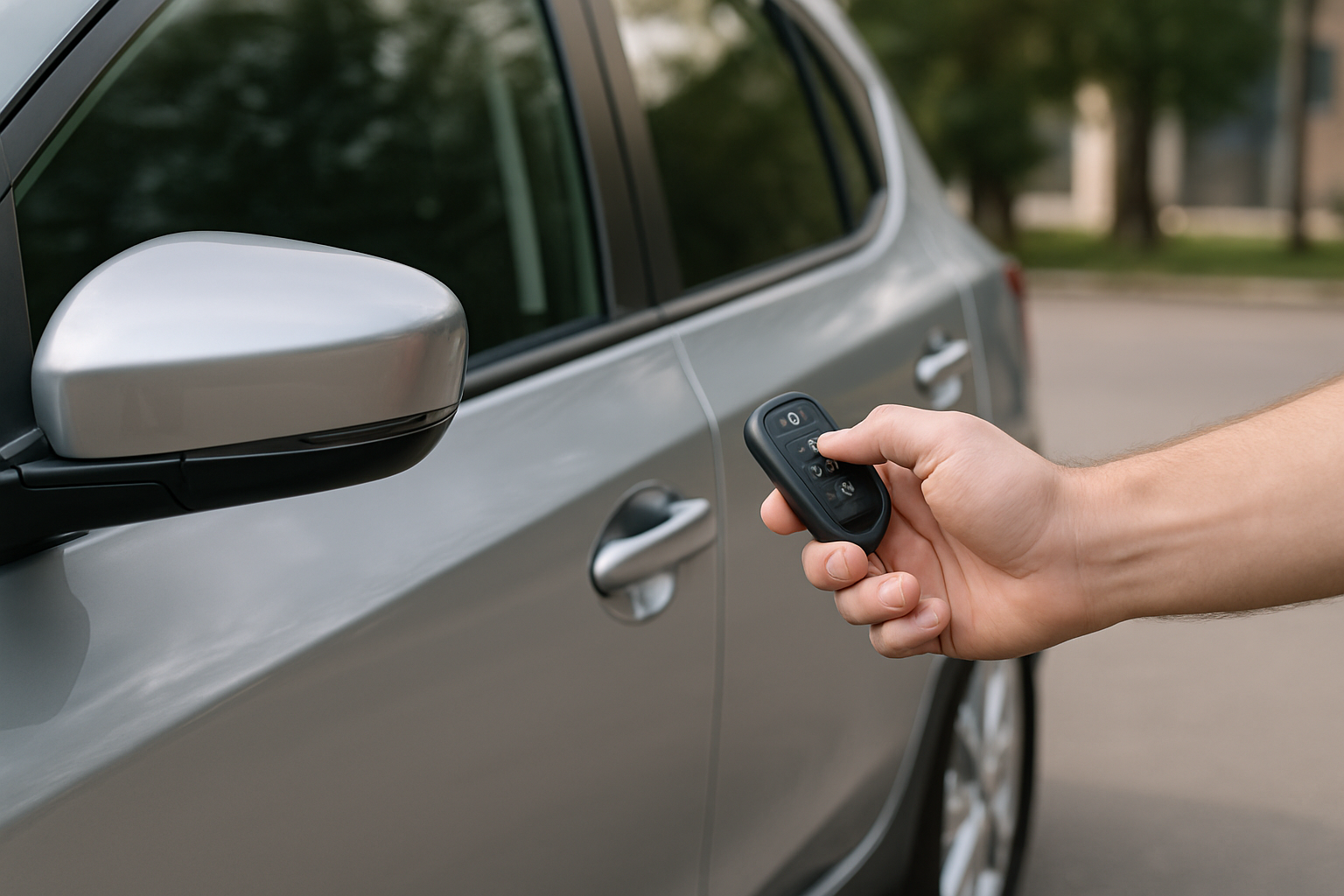
- Key fob sequence: Lock the truck first, then press and hold the remote start button (or press it twice quickly, depending on your fob) within about five seconds of locking. If you wait too long, the system times out.
- Doors, hood, and tailgate closed: Every door needs to be fully shut and the hood latched. An open hood is one of the most overlooked reasons remote start won’t fire.
- Fuel level: Ford’s factory system typically requires at least a quarter tank. Running low can silently block remote start.
- Warning lights: A check engine light, low tire pressure warning, or other active fault can prevent remote start from engaging. If you’ve recently rotated your tires, check out this Ford F-150 TPMS relearn procedure to rule out a lingering sensor issue.
- Key fob battery: A weak coin cell battery reduces range and reliability dramatically before it dies completely.
- Vehicle battery voltage: Low voltage from a weak or aging battery can prevent the remote start module from waking up the truck at all.
- Climate control settings: Some settings, like auto stop/start being disabled or extreme temperature settings, can interfere with how remote start behaves.
- App and subscription status: If you’re using FordPass, an expired trial or connectivity hiccup will stop remote start commands from ever reaching the truck.
If you’ve checked all of these and it still won’t fire, it’s time to dig into whether the problem is with the factory system, the truck’s electrical health, or an aftermarket install.
Factory Remote Start on the Ford F-150: How It’s Supposed to Work
Ford has offered factory remote start on the F-150 since around 2011, and the exact steps and limitations have changed a bit across generations.
Key Fob Remote Start Steps
On most factory-equipped trucks, you lock the doors with the fob, then within five seconds press and hold the remote start button until the parking lights flash and the horn chirps once. If nothing happens, try locking the truck again and repeating the sequence slowly. Rushing it is the number one user error.
Model Year Differences
Twelfth-generation trucks (2009 to 2014) rely entirely on the key fob for remote start, with no app option. Thirteenth-generation trucks (2015 to 2020) added FordPass Connect on higher trims starting around 2017, giving you app-based remote start alongside the fob. Fourteenth-generation trucks (2021 and newer) come standard with FordPass Connect modems, and remote start range and reliability improved noticeably compared to earlier setups.
If you own an older F-150 without a factory modem, don’t expect app-based remote start to ever work, no software update will add that hardware after the fact.
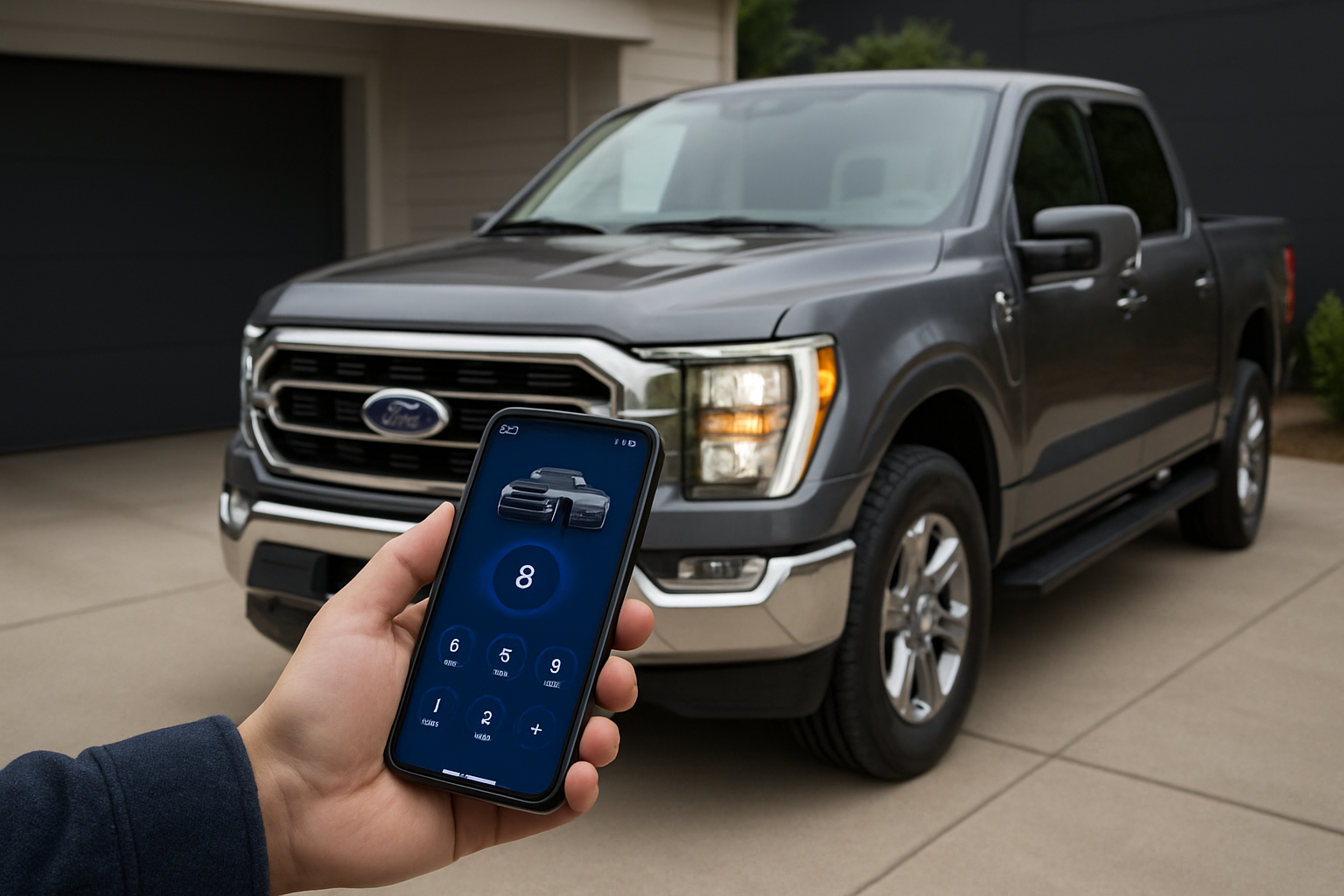
When FordPass App Remote Start Won’t Work
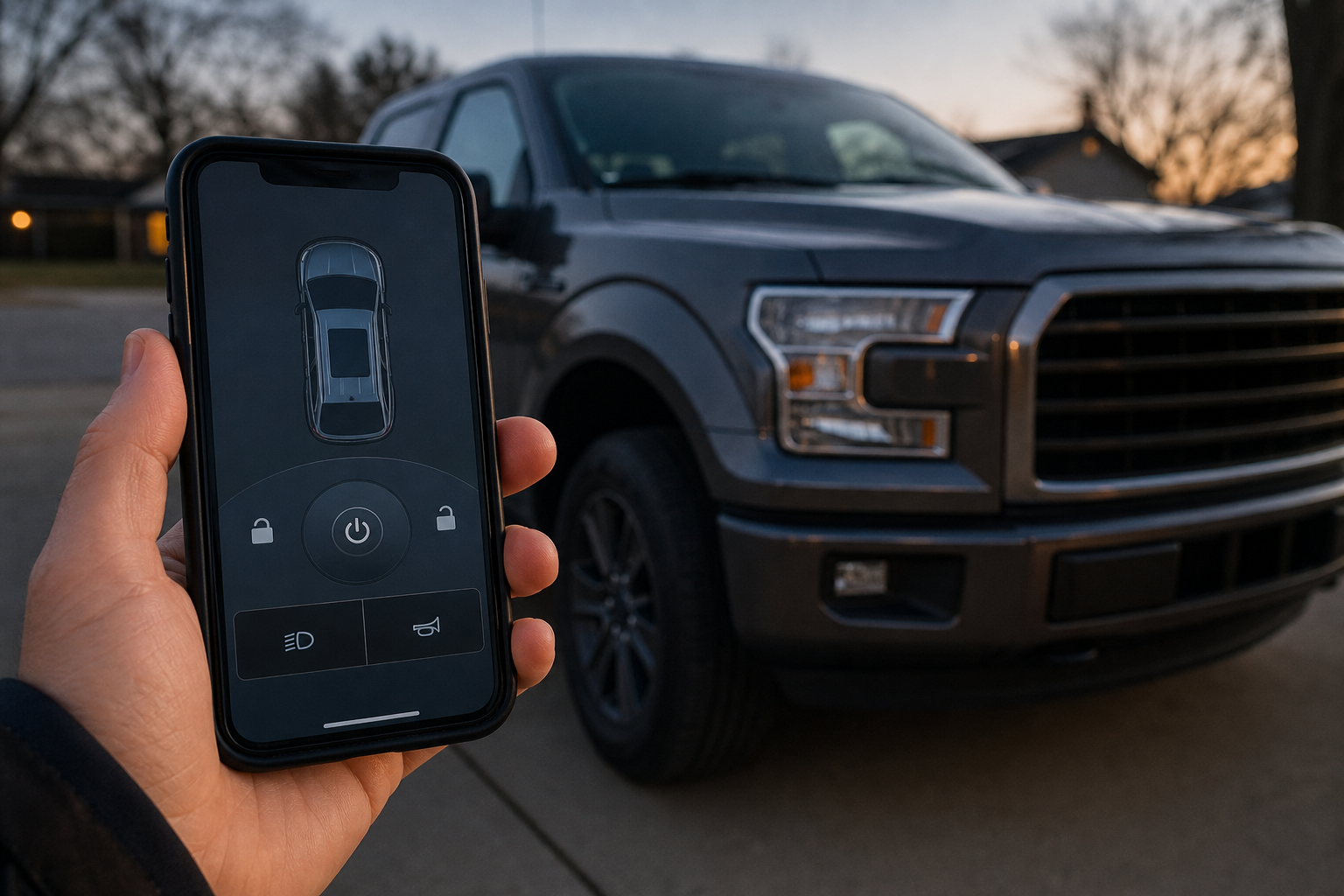
App-based remote start has its own list of failure points that have nothing to do with the fob.
- Expired Ford Connect trial: Newer trucks come with a limited trial period for connected services. Once it lapses, remote start through the app stops working until you renew.
- Weak cellular signal: The FordPass Connect modem needs a decent signal to receive commands. Underground garages and rural areas can cause delays or failures.
- Outdated app: Ford pushes frequent updates to FordPass. An outdated version can lose compatibility with your truck’s onboard modem.
- Vehicle not in park with doors closed: Just like the fob, the app version still requires the truck to meet all the same safety conditions.
Try force-closing and reopening the app, confirming your subscription status under vehicle details, and toggling your phone’s data connection. A surprising number of “broken” remote start complaints are just app glitches that clear up after a fresh login.
Battery Voltage and Electrical Issues
The F-150’s remote start system needs enough voltage to wake up multiple modules at once, including the body control module, the engine control module, and often the climate control system. If your battery is marginal, it may have enough juice to start the truck manually but not enough to complete the more demanding remote start sequence.
A quick way to check is with a basic multimeter. You want to see close to 12.6 volts with the engine off. Anything consistently under 12.2 volts points to a battery that’s struggling, especially in cold weather when battery capacity drops.
If you’re noticing your truck also struggles to start in the morning or the battery seems to drain overnight, it’s worth reading through this guide on batteries dying overnight even with a good alternator, since a parasitic draw can quietly sabotage remote start long before it causes a no-start condition.
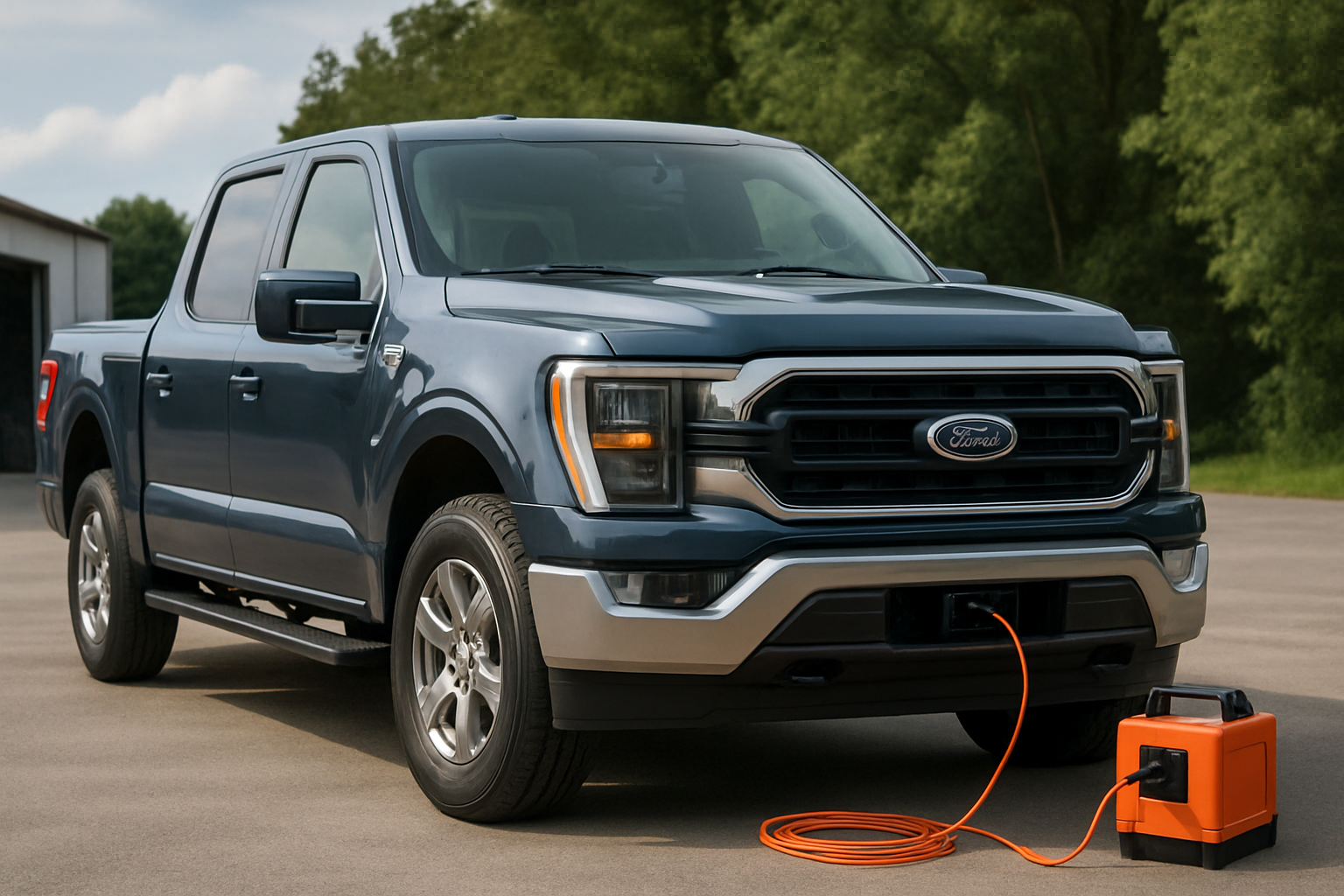
NOCO Battery Charger and Maintainer
A reliable way to keep your F-150’s battery topped off and healthy, especially if the truck sits for days between drives.
Keeping a maintainer on hand is a cheap way to rule out battery health entirely instead of guessing every time remote start fails.
Key Fob Battery Replacement
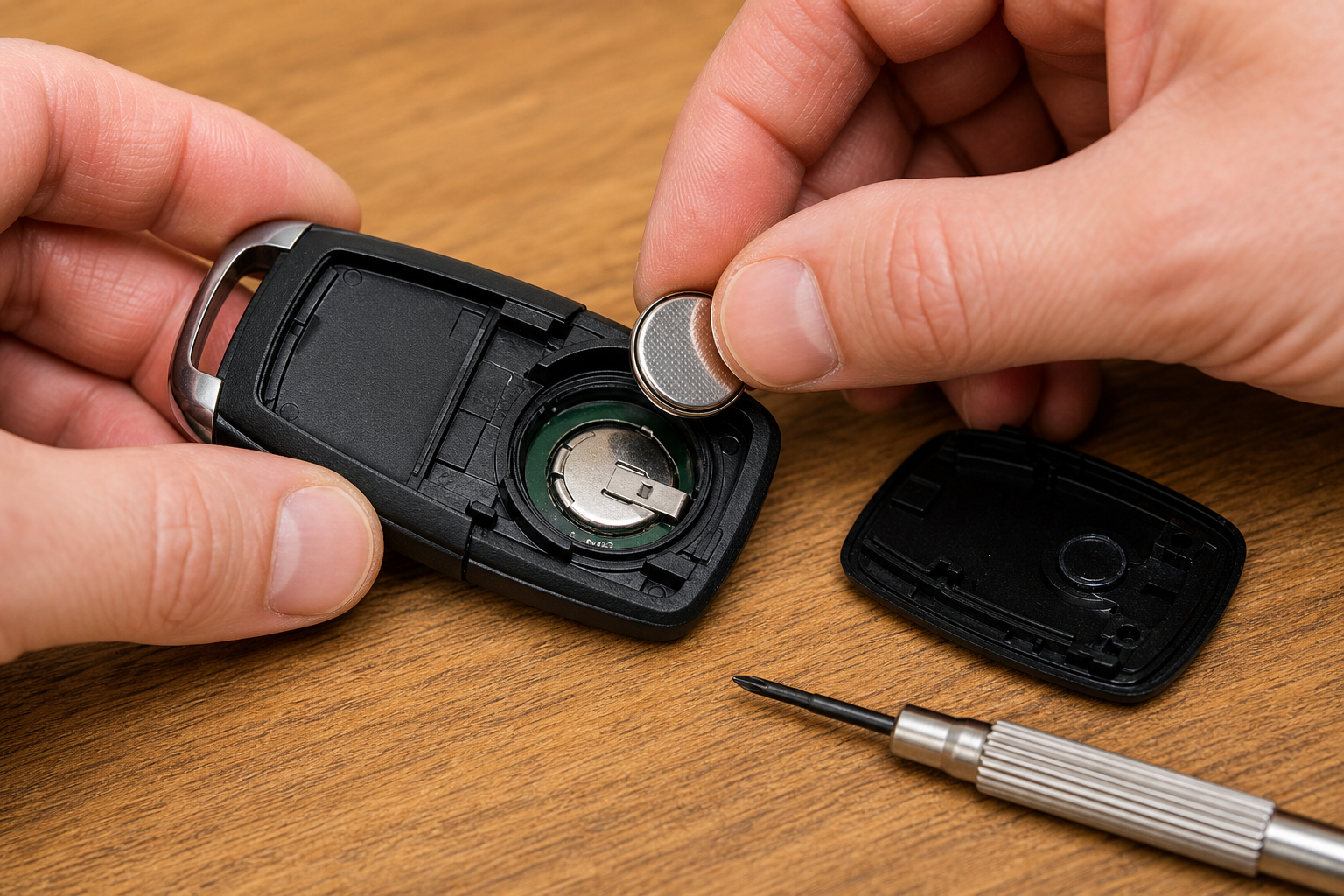
Ford F-150 key fobs typically use a CR2032 coin cell battery, and most owners are surprised how quickly the range and reliability drop off before the battery is fully dead. If your remote start only works when you’re standing right next to the truck, or you notice the fob light dimming, the battery is the likely culprit.
Ford F-150 Key Fob Battery
An easy, affordable fix that solves a huge percentage of intermittent remote start complaints.
Swapping the battery takes about two minutes with a small flathead screwdriver to pop the fob open. Do this before you assume there’s a deeper electrical fault, it’s the cheapest test you can run.
Aftermarket Remote Start Systems: Different Rules Apply
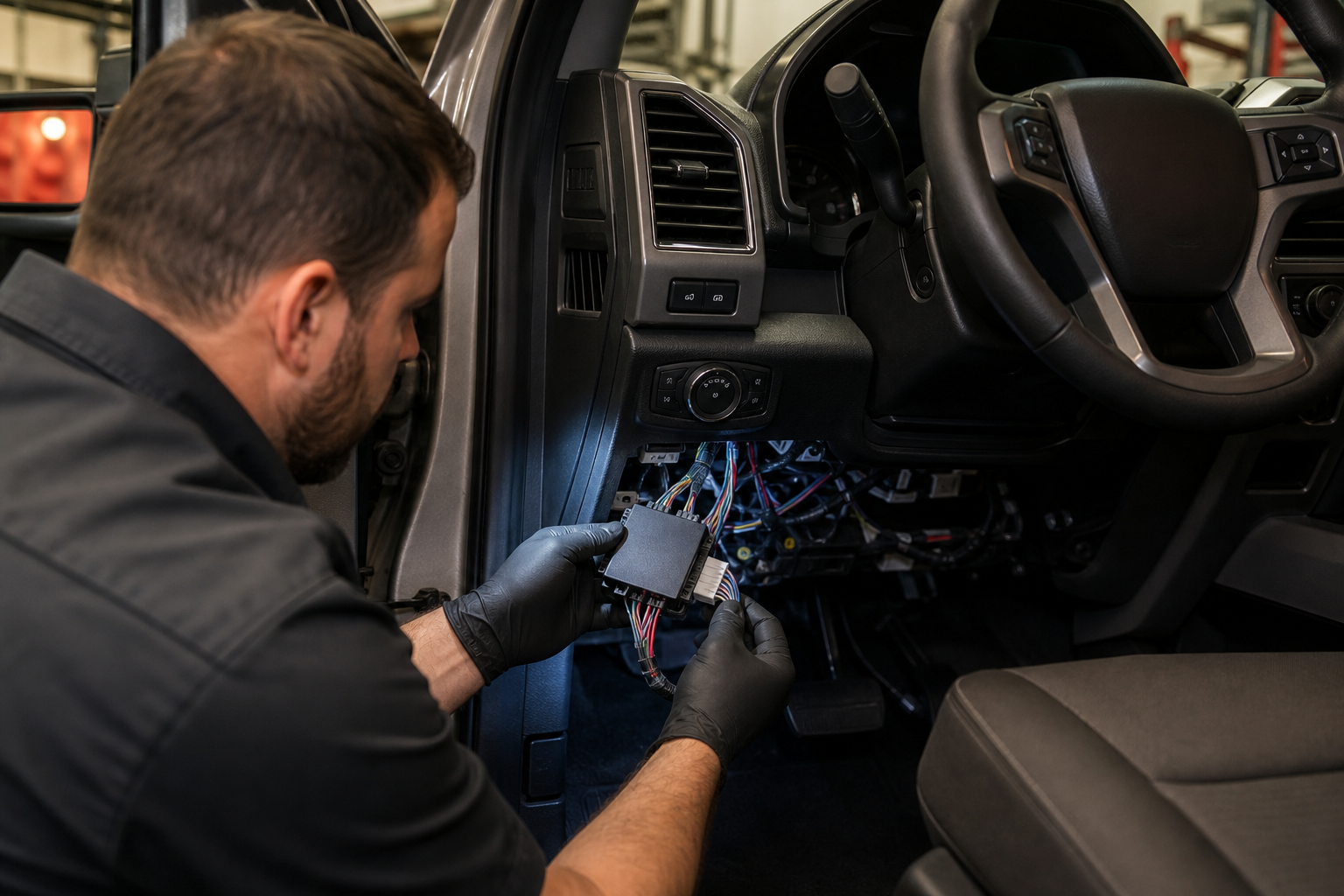
If your F-150 was fitted with an aftermarket remote start, like a Compustar, Viper, or Python system, the troubleshooting steps are different from the factory setup. These systems tap into the truck’s wiring separately and rely on their own remote or app, not FordPass.
- Bypass module failure: Aftermarket remote starts use a bypass module to trick the factory security system into allowing a remote start. If this module fails or loses programming, remote start stops working even though everything else on the truck runs fine.
- Reprogramming after battery disconnect: Disconnecting the truck’s battery, even briefly for other repairs, can wipe programming on some aftermarket systems and require a trip back to the installer.
- Range and interference: Aftermarket remotes often have shorter range than factory systems and can be affected by nearby radio interference.
- Conflicting factory updates: Ford software updates, including some dealer-applied ones, have been known to disrupt aftermarket bypass modules that were installed before the update.
If you’re dealing with an aftermarket system, don’t waste time on FordPass troubleshooting since it has no connection to that hardware. Contact the installer or check the manufacturer’s support site for a reset procedure specific to your remote start brand.
Manufacturer Lockouts and Safety Features You Should Know
Ford builds in several safety lockouts that are easy to mistake for a malfunction. Understanding them saves you from chasing a problem that doesn’t actually exist.
- Hood ajar lockout: If the hood switch isn’t reading as fully closed, remote start won’t engage even if the hood looks shut.
- Door ajar lockout: A door that hasn’t latched all the way, even by a fraction, blocks the system the same way.
- Low fuel lockout: Below roughly a quarter tank, some model years disable remote start to avoid running the truck dry.
- Active alarm conflicts: If the factory alarm system has been triggered or is in a fault state, it can override remote start attempts until it’s reset.
- Recall-related module issues: Occasionally a software recall affects modules tied to remote start functionality. Checking for open recalls on your VIN through Ford’s site is a quick way to rule this out, and it’s worth keeping an eye on wider industry recall news like the one covered in this recent recall roundup.
These lockouts exist for good reason, mostly to prevent a truck from running unattended with an open door or hood. They’re not bugs, they’re the system working as designed.
Frequently Asked Questions
Why does my F-150 remote start work sometimes but not others?
Inconsistent remote start almost always points to a weak key fob battery, marginal truck battery voltage, or a door or hood that isn’t latching consistently. Test each of these before assuming a bigger electrical fault.
Does remote start drain my F-150’s battery faster?
Remote start itself doesn’t drain the battery meaningfully more than a normal start, but running it frequently for short trips without a full drive cycle can prevent the alternator from fully recharging the battery over time.
Can I add factory remote start to an older F-150 that didn’t come with it?
Yes, through an aftermarket system, but true FordPass app integration requires the factory-installed modem found on later model years. Aftermarket kits give you fob-based remote start but not app control.
Why does FordPass say my truck is not connected?
This usually means the FordPass Connect modem has lost cellular signal, your Ford Connect subscription has expired, or the truck’s battery is too low to keep the modem powered on standby. Check your subscription status first, since it’s the most common cause.
If your F-150 is otherwise running well and you’re just chasing small tech quirks like this one, it’s worth browsing other feature guides on the truck, like how to use the surround view and transparent trailer camera system or the available bed step. Ford has also been signaling where the F-150 lineup is headed next, including plans detailed in this piece on the upcoming Fathom electric truck.
Leave a Reply