

The Ford Explorer is one of America’s most popular three-row SUVs, but its history includes some genuinely problematic model years that used buyers need to know about. The 2020 redesign was particularly rough, with an unusually high number of recalls for a modern vehicle from a major manufacturer. Knowing which years to target and which to skip helps you find an Explorer that lives up to its potential as a capable family hauler.
Explorer Years to Avoid
2002 (Rollover Reputation, Mechanical Issues)
While the Firestone tire controversy technically centered on earlier models, the Explorer’s rollover reputation lingered heavily over the 2002 model year. Beyond the public perception issue, the 2002 Explorer had its own mechanical problems including transmission failures on V6 models and rear axle bearing noise that worsened into failure.
The combination of reputation damage and genuine reliability concerns makes the 2002 one of the least desirable Explorers on the used market. When shopping for used vehicles with documented issues like these, learning what to look for during a used car test drive becomes especially important.
2006 (Transmission Failure)
The 2006 Explorer had a high rate of automatic transmission failure, with the 5-speed automatic often failing between 80,000 and 120,000 miles. Symptoms included harsh shifting, delayed engagement, transmission slipping under load, and eventually complete failure requiring a rebuild or replacement.
The repair costs are significant, and the failure rate on 2006 models was noticeably higher than on the 2007 and 2008 models that used revised calibrations. These expensive repairs can be particularly problematic if you still owe money on the vehicle.
2013 (Multiple Mechanical Issues)
The 2013 Explorer received an above-average number of NHTSA complaints covering several different systems. Power steering failures (both electronic power steering module failures and steering rack leaks) were the most serious, potentially creating a safety hazard.
The MyFord Touch infotainment system was notorious for freezing, crashing, and unresponsive touchscreen behavior. Water leaks into the cabin, particularly through the windshield seal and liftgate area, were also reported more frequently than on adjacent model years.
2020 (First-Year CD6 Platform, Excessive Recalls)
The 2020 Explorer was a complete redesign that moved from a front-wheel-drive-based platform to a rear-wheel-drive-based architecture (CD6). The new platform was a significant engineering change, and first-year production quality suffered.
Ford issued over a dozen recalls covering transmission problems (including a recall for rollaway risk due to a park pawl issue), roof rail detachment, loose suspension bolts, wiring harness chafing, and various electrical issues. Some early 2020 models were held at the factory for weeks of rework before being shipped to dealers.
The volume and severity of recalls was unusual even by first-year redesign standards. The 2021 model year resolved the majority of these issues, and 2022+ models have been significantly more reliable.
Engine Reliability by Type
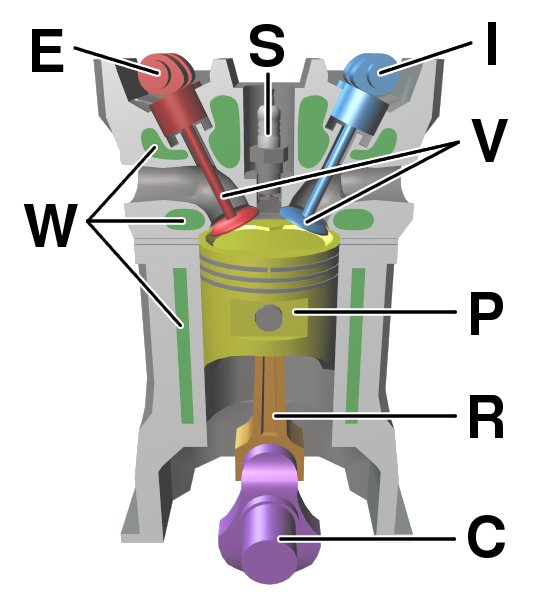

The 2.3L EcoBoost four-cylinder is the base engine on the 6th gen (2020+) and has been solid in 2021+ years. Earlier 2.3L applications (in the 2016-2019 Explorer) had some turbo and timing chain concerns.
The 3.3L V6 (including the hybrid variant) is proven and reliable, using the same engine family found in the F-150. The 3.0L EcoBoost V6 (ST and Platinum trims) delivers impressive performance with a good reliability record across all years. Avoid the 2.0L EcoBoost in earlier models (2012-2015), which had more turbo-related and timing chain issues than the other engine options.
Use an OBD2 scanner and check for open recalls on any used Explorer, especially 2020 models where multiple recalls may still be outstanding.

Best Explorer Years to Buy
For the 5th gen (2011-2019): 2016 and 2017 are the most refined, with mature production quality and the benefit of several years of improvements. For the 6th gen (2020+): 2022 and later benefit from extensive production corrections to the CD6 platform.
The Explorer ST with the 3.0L EcoBoost V6 has been reliable across all model years and offers genuinely exciting performance for a three-row SUV. Before committing to any used Explorer, make sure to read the vehicle history report carefully and watch for red flags.
Common Repairs to Expect
Beyond the major issues listed above, Explorers share some common maintenance items with other Ford vehicles. Minor problems like rear window washer issues are usually inexpensive fixes, while transmission problems can require significant investment.
Having a Ford Explorer repair manual on hand can help you identify and address minor issues before they become expensive repairs.

Ford Explorer Repair Manual
Essential reference for DIY maintenance and troubleshooting
Frequently Asked Questions
Is the 2020 Explorer safe to buy now?
If all recalls have been completed and the vehicle’s service history shows the known issues were addressed, a 2020 Explorer can be a good value since the first-year stigma depresses used prices relative to 2021+ models. Verify every recall through Ford’s VIN lookup tool before purchasing.
Is the Explorer ST reliable?
The 3.0L EcoBoost V6 in the ST has been reliable across all model years since 2020. It’s a strong powertrain that handles the Explorer’s weight well and delivers 400 horsepower in a family-friendly package.
Explorer vs. Highlander: which is more reliable?
The Toyota Highlander has a better overall reliability track record. The Explorer offers more engine choices, a sportier driving experience, and the ST performance variant. Both are good vehicles in the right model years; the Highlander wins on consistency, while the Explorer wins on versatility.
What should I check on a used Explorer before buying?
Always verify the recall status, scan for diagnostic trouble codes with an OBD2 scanner, test drive at highway speeds to check transmission behavior, and inspect for water leaks around the windshield and liftgate. On 2006 and 2013 models, pay extra attention to transmission and steering system function.



Leave a Reply