
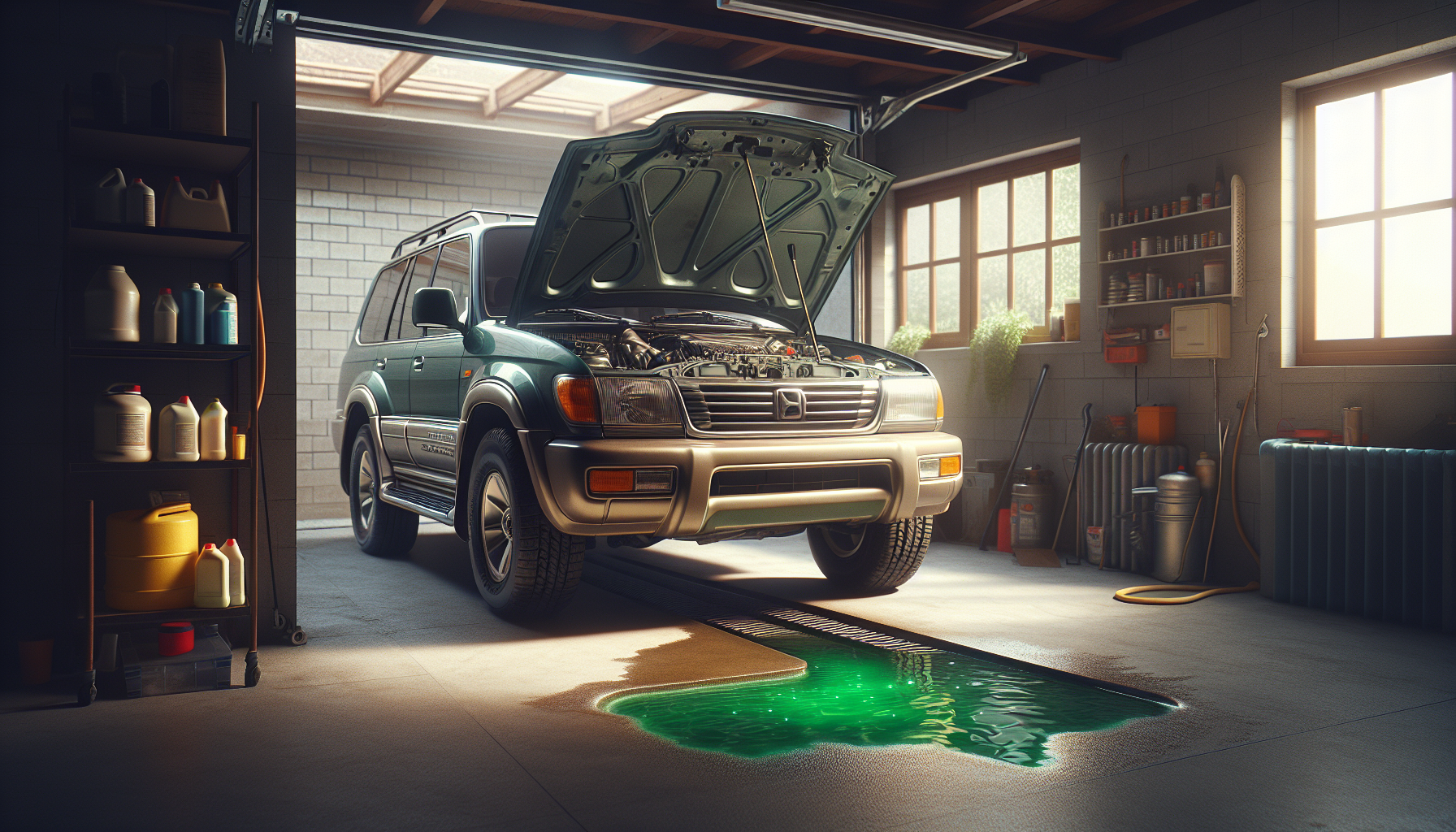
Spotting a puddle of bright green or orange fluid under your Ford Escape is never a good feeling. Coolant leaks are one of those problems that start small but can turn into serious engine damage if you ignore them. The Ford Escape, particularly models from 2008 to 2019, has a few weak spots in the cooling system that tend to develop leaks over time. Some are easy DIY fixes, while others require a bit more work.
The cooling system in your Escape is under pressure and has multiple connection points, hoses, and seals. Any of these can fail, especially as the vehicle racks up miles and heat cycles take their toll on rubber and plastic components. Let’s walk through how to track down where your coolant is actually going and what you can do about it.
Common Causes
Coolant leaks on the Ford Escape usually come from a handful of predictable spots. Here’s what I’ve seen most often:
Water pump: The water pump on many Escape models, especially the 2.5L four-cylinder and 3.0L V6 engines, develops leaks from the weep hole or gasket. You’ll often see coolant dripping from the lower front area of the engine. The pump has a seal that wears out over time, and once it starts leaking, replacement is the only fix.
Thermostat housing: This plastic component connects to the engine block and can crack or develop leaks at the gasket. The plastic gets brittle after years of heating and cooling cycles. On the 2.5L engine especially, this is a common failure point. You might notice coolant seeping from the front-right side of the engine.
Radiator hoses: Both upper and lower radiator hoses can develop cracks or the clamps can loosen. The hoses themselves might look fine on the outside but have developed internal cracks. Quick-connect fittings on some model years also fail and cause leaks at the connection points.
Radiator: The plastic end tanks on the radiator can crack, or the core itself can develop pin holes from corrosion. Road debris and salt don’t help matters. If you see coolant dripping from the front of the vehicle or notice white residue on the radiator, this is your culprit.
Coolant reservoir: The plastic overflow tank can crack, usually near the mounting tabs or seams. This is an easy visual check since the tank is right there when you open the hood.
Heater core hoses and connectors: There are several hoses and quick-connect fittings that run to the heater core. The small plastic connector that joins hoses near the firewall is notorious for leaking on 2008-2012 models. You might smell coolant inside the cabin or see fog on the windshield if the heater core itself is leaking.
How to Diagnose the Problem
Finding the exact source of a coolant leak takes some detective work. Don’t just top off the coolant and hope it goes away.
Start with a cold engine. Pop the hood and look for obvious signs of coolant. Check the ground under the vehicle for puddles or wet spots. Fresh coolant is slippery to the touch and has a sweet smell.
Inspect all visible hoses. Squeeze them gently to check for soft spots or cracks. Look at the clamps and make sure they’re tight. Check both ends of each hose where they connect to components.
Look at the radiator closely. Check the plastic tanks on either side for cracks. Run your finger along the bottom to see if it comes back wet. White or green crusty residue is a telltale sign of a slow leak that’s been happening for a while.
Check the coolant reservoir. Make sure it’s not cracked and that the cap seals properly. A bad cap can cause pressure loss and leaks elsewhere in the system.
Look at the water pump. It’s usually on the front of the engine, driven by the serpentine belt. There’s often a weep hole on the bottom of the pump housing. If you see coolant coming from there or dried residue around the pump, it’s failed.
If you can’t find an obvious leak, you might need to pressure test the system. You can rent or buy a cooling system pressure tester from most auto parts stores. With the engine cold, remove the radiator cap and attach the tester. Pump it up to the pressure rating on your radiator cap (usually 16-20 psi). Then watch for leaks. The pressure will make even small leaks more visible.
This video shows exactly how to track down coolant leaks:
Another trick is to add UV dye to the coolant. You can buy a small bottle at any auto parts store. Add it to the cooling system, run the engine for a bit, then use a UV flashlight to scan under the hood. The dye will glow brightly wherever coolant is leaking.
How to Fix It
Once you’ve found the leak, here’s how to tackle the most common fixes:
Replacing radiator hoses: This is straightforward. Let the engine cool completely. Place a drain pan under the radiator and open the drain valve or remove the lower hose to drain coolant. Loosen the clamps on the bad hose, twist and pull it off. Clean the connection points, slide on the new hose, and tighten new clamps. Refill with a 50/50 mix of coolant and distilled water, then burp the system by running the engine with the radiator cap off until the thermostat opens and air bubbles stop.
Thermostat housing: Drain the coolant below the level of the housing. Remove the hoses connected to it (usually two or three). Unbolt the housing from the engine block. Clean the mating surface thoroughly with a plastic scraper. Install a new housing with a new gasket or O-ring. Torque the bolts to spec (usually around 15-20 ft-lbs). Reconnect hoses, refill coolant, and burp the system.
Coolant reservoir: Drain or siphon out the coolant from the reservoir. Disconnect the hose that runs to the radiator. Remove the mounting bolts or clips. Install the new reservoir, reconnect the hose, and refill with coolant.
Quick-connect fittings: If a plastic quick-connect is leaking (common on heater hoses), you can sometimes replace just the connector. You’ll need a special tool to release the fitting. Cut the old connector off, clean the hose end, and install a new quick-connect or use a barbed fitting with a worm gear clamp as a permanent fix.
This video is particularly helpful for the common leak points on 2013-2016 Escapes:
Water pump: This is more involved but doable. You’ll need to drain the coolant, remove the serpentine belt, and unbolt the water pump from the engine block. Some models require removing other components for access. Clean the mounting surface, install a new pump with a new gasket, and torque bolts to spec. This job takes a few hours if you’re working at a relaxed pace.
Radiator: Drain the system completely. Disconnect the upper and lower hoses and the transmission cooler lines if equipped. Remove any brackets or fans attached to the radiator. Lift it out carefully. Installation is the reverse. Make sure the rubber mounts on the bottom are in good shape.
For all these repairs, bleed the cooling system properly when you’re done. Air pockets can cause overheating. Run the engine with the heat on full blast and the radiator cap off. Keep adding coolant as the level drops. Once the thermostat opens, you’ll see coolant circulating. Top it off, install the cap, and check the reservoir level the next day.
When to See a Mechanic
Some coolant leaks are beyond what most DIYers want to tackle in their driveway.
If the leak is coming from the heater core itself, you’re looking at a dashboard removal to replace it. That’s an all-day job even for experienced techs. Unless you’ve done dash work before, this one’s worth paying for.
Head gasket leaks are another story. If you’re losing coolant but can’t find any external leaks, and you notice white smoke from the exhaust or milky oil on the dipstick, the head gasket might be blown. This is a major repair involving engine disassembly. Not a weekend project for most people.
Intake manifold gaskets can also leak coolant internally on some engines. This requires removing the intake manifold, which means dealing with fuel lines, vacuum lines, and possibly the throttle body.
If you’re not comfortable working with pressurized systems or don’t have the time and space to do the job properly, a shop is your best bet. A misdiagnosed coolant leak can lead to wasted money on parts you don’t need.
Estimated Repair Costs
Here’s what you can expect to pay at a shop versus doing it yourself:
| Repair | DIY Cost | Shop Cost |
|---|---|---|
| Radiator hose replacement | $20-40 | $100-180 |
| Thermostat housing | $30-60 | $150-250 |
| Coolant reservoir | $25-50 | $100-150 |
| Water pump | $60-120 | $350-600 |
| Radiator | $100-200 | $400-700 |
| Heater core | $80-150 (parts) | $800-1,200 |
These are ballpark figures. Prices vary by location and model year. Labor costs make up most of the difference between DIY and shop repairs.
Prevention Tips
You can’t prevent every coolant leak, but you can extend the life of your cooling system with a few simple habits.
Check your coolant level regularly. Once a month, pop the hood when the engine is cold and look at the reservoir. If it’s dropping between checks, you have a leak starting somewhere.
Flush the cooling system according to Ford’s maintenance schedule. Old coolant becomes acidic and eats away at seals and metal components. Fresh coolant protects better and lubricates the water pump seal. Most Escapes need a coolant flush every 100,000 miles or 10 years, whichever comes first.
Replace the radiator cap every few years. They’re cheap insurance. A weak cap won’t maintain proper system pressure, which can lead to hot spots and premature component failure.
Inspect hoses during oil changes. Look for bulges, cracks, or soft spots. Squeeze them. If they feel mushy or brittle, replace them before they fail and leave you stranded.
Don’t ignore small leaks. What starts as a few drops can turn into a geyser when a weakened component finally lets go. Catching problems early saves money and prevents overheating damage to your engine.
Use the right coolant. Ford specifies an orange coolant (Motorcraft Orange or equivalent) for most Escapes. Don’t mix different types. If you’re not sure what’s in there, drain and flush the system completely before adding new coolant.
Finding and fixing a coolant leak on your Ford Escape isn’t rocket science, but it does require patience and attention to detail. Take your time with the diagnosis. It’s tempting to just replace the most obvious component, but tracking down the actual source of the leak saves you from buying parts you don’t need. Most of these repairs are within the reach of someone with basic mechanical skills and a weekend afternoon. And if you catch the problem early, you’ll avoid the much more expensive repair that comes from ignoring a small leak until your engine overheats.




Leave a Reply