
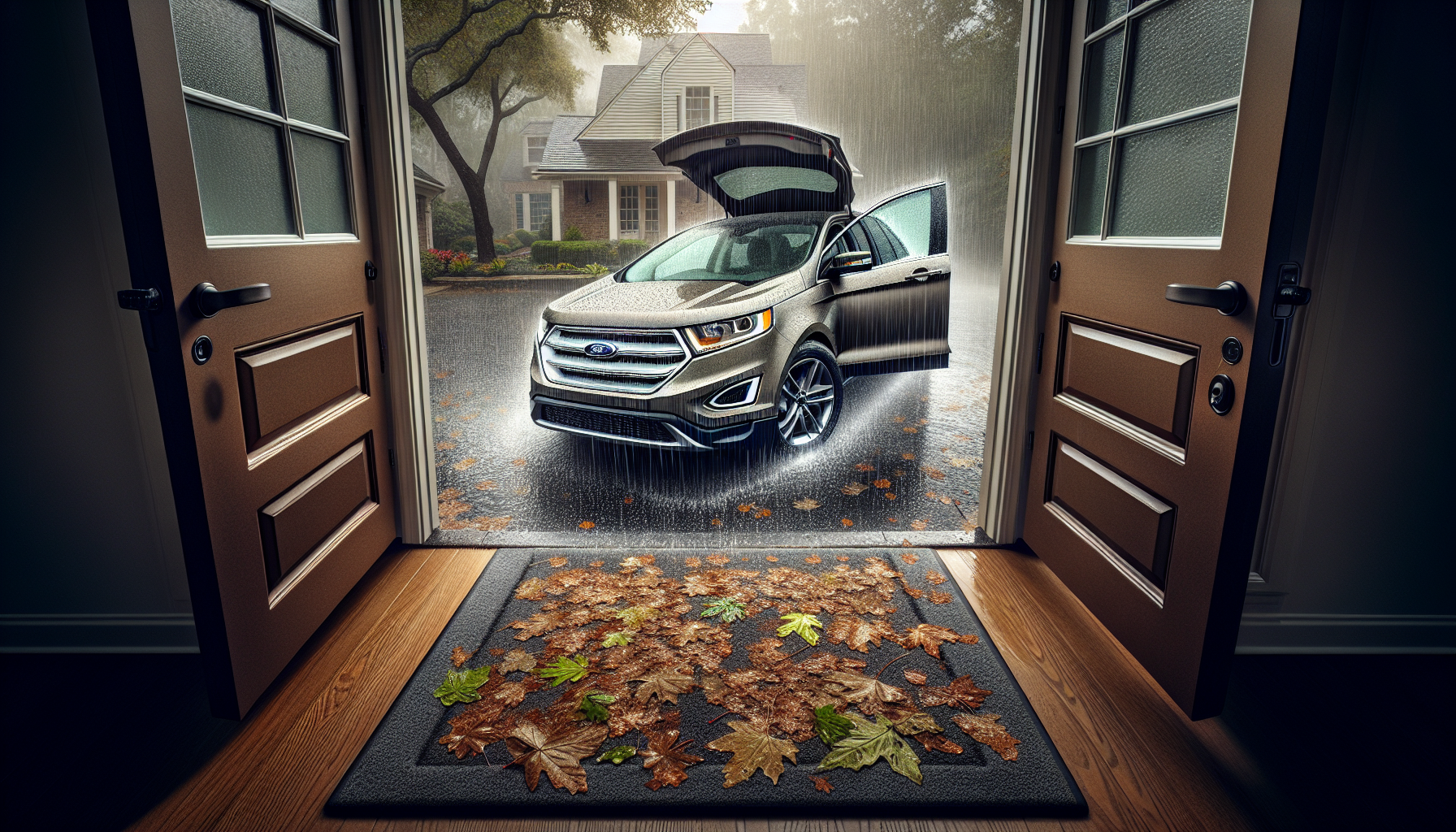
Finding a puddle on your Ford Edge’s floor after a rainstorm is frustrating. You’re not alone with this problem. Water intrusion is one of the most common complaints from Edge owners, especially on models from 2011 to 2019. The issue usually comes down to clogged drains or compromised seals that let water sneak past your vehicle’s weather barriers.
Most water leaks show up on the front passenger side or driver’s side floor, though you might also notice dampness around door sills or even headliner stains. The smell of mildew is usually the first warning sign, followed by wet carpet that never quite dries out. Left unchecked, this can lead to mold growth, electrical gremlins, and even rust in the floor pan.
Common Causes
Water finds its way into your Edge through specific weak points. Understanding where these failures happen makes diagnosis much easier.
Clogged Cowl Drains: The cowl is that plastic panel at the base of your windshield where your wipers sit. It has drain holes on each side designed to channel water away from the cabin. Leaves, pine needles, and debris pack into these drains over time, creating a dam. When water can’t escape, it backs up and finds entry points into the cabin, usually through the fresh air intake or firewall penetrations. This is the number one culprit in Ford Edge water leaks.
Sunroof Drains: If your Edge has a panoramic sunroof, it has four drain tubes that run down the A-pillars and C-pillars. These tubes are only about the diameter of a pencil. They clog with dirt and debris, causing water to overflow into the headliner or down into the door cavities. You’ll see water stains on the headliner near the front corners, or wet carpet that seems to appear from nowhere.
Door Seal Deterioration: The rubber weatherstripping around your doors hardens and cracks with age and UV exposure. Once compromised, water runs right past during heavy rain or car washes. Check the bottom corners of doors especially, where water pools and finds any gap.
Cabin Air Filter Housing: The cabin air filter sits behind the glove box in most Edge models. The housing has a seal that can crack or come loose. When this happens, water drains directly from the cowl area onto the passenger floor. This one sneaks up on people because the leak point is hidden.
Windshield Seal: Less common but still possible, the urethane seal around your windshield can develop gaps from impact or improper installation after a replacement. Water travels along the windshield edge and drips down onto the floor or dashboard.
How to Diagnose the Problem
Start with the easiest checks first. You don’t need special tools for most of this diagnosis.
Pop your hood and look at the cowl area below the windshield. Remove the plastic cowl cover by releasing the clips (usually push-pin style). On each side, you’ll find drain holes. Stick a pipe cleaner or flexible wire down each hole. If it won’t go down easily, you’ve found a clog. When you clear it, water should drain freely. Flush with a garden hose to confirm.
For the sunroof, open it and locate the drain holes in each corner of the sunroof tray. They’re small openings, easy to miss. Pour a cup of water into each drain. The water should disappear immediately and drip out under the vehicle near each wheel well. If it backs up or drains slowly, that tube is clogged. You can try blowing compressed air (carefully, low pressure) into the drain, but sometimes you need to access the tubes from underneath.
This video walks through cleaning drains on a similar Ford platform:
Check your door seals by running your hand along the rubber weatherstripping with the door closed. Feel for gaps or hardened sections. You can also do a water test: have someone sit inside with the doors closed while you spray the door seams with a garden hose. Start gentle, then increase pressure. Watch for water penetration from inside.
For the cabin air filter housing, remove your glove box (usually held by two stoppers on the sides). Pull out the cabin air filter and inspect the housing for cracks or a loose seal. If the carpet is wet on the passenger side, this is a prime suspect.
Run water along the windshield edges from outside. Don’t blast it; use a steady stream. Have someone inside watching for drips along the windshield trim or A-pillars.
How to Fix It
Once you’ve identified the source, the repairs are manageable for most DIYers.
Clearing Cowl Drains: Remove the cowl cover completely (mark which clips go where if needed). Clean out all debris from the cowl area. Use a long flexible wire or plumber’s snake to clear each drain hole. I’ve had success with trimmer line from a weed whacker. Push it through until it exits underneath the vehicle. Flush with water to confirm clear flow. While you’re there, clean out the entire cowl tray so you’re not repeating this next season.
Sunroof Drain Tubes: For minor clogs, compressed air can work. Use low pressure (under 40 psi) to avoid blowing the tubes off their connections. Better option: buy a speedometer cable or flexible trim line and gently feed it down each drain tube to push the clog through. Some people use weed trimmer line. The tubes typically exit behind the front wheel wells and near the rear bumper. If a tube is disconnected or cracked, you’ll need to access it by removing interior trim panels. This gets more involved.
Door Seals: If the weatherstripping is hardened but not torn, you might extend its life with rubber rejuvenator. But honestly, if it’s cracked or has gaps, replacement is the real fix. Ford door seals aren’t terribly expensive. The seal pulls off the door frame and the new one presses into the same channel. Take your time to seat it properly in the corners.
Cabin Air Filter Housing: Inspect the housing for cracks. If it’s cracked, replacement housings are available. If the seal is just loose or deteriorated, you can use weatherstrip adhesive to reseal it. Make sure the filter itself seats properly when you reinstall it. Any gap allows water intrusion.
Windshield Seal: This one’s tricky for DIY. You can try urethane sealant from the outside if you’ve identified a specific gap, but windshield seal failures usually require professional reinstallation. The windshield has to come out to do it right.
When to See a Mechanic
Some water leak repairs exceed what’s reasonable in your driveway. If you’ve cleared the obvious drains and seals but still have water intrusion, the problem might be buried deeper in the vehicle’s structure.
Sunroof drain tubes that have completely disconnected from their fittings require removing substantial interior trim. The C-pillar trim, in particular, involves unclipping multiple panels and potentially removing seat belts. If you’re not comfortable with interior disassembly, let a shop handle it.
Windshield resealing is specialized work. The glass needs to be removed, all old urethane cleaned off, new urethane applied properly, and the glass reset with correct bead profile. Shops have the tools and experience to do this without breaking your windshield.
If water is entering through the firewall or floor pan seams, you might have rust-through or body seal failure. This requires lifting the vehicle and potentially pulling carpet to assess the damage.
Electrical issues from water damage can be complex. If your leak has affected modules or wiring harnesses, diagnosis requires scan tools and wiring diagrams. Water corrosion on connectors creates intermittent electrical gremlins that are maddening to track down without proper equipment.
Estimated Repair Costs
Costs vary depending on what’s actually failed and whether you DIY or pay a shop.
| Repair | DIY Cost | Shop Cost |
|---|---|---|
| Clean cowl drains | $0-10 (supplies) | $80-150 |
| Clear sunroof drains | $0-20 | $100-200 |
| Replace door weatherstripping | $40-80 (parts) | $150-250 |
| Cabin air filter housing repair | $15-60 | $120-180 |
| Sunroof drain tube replacement | $30-80 (parts) | $300-600 |
| Windshield reseal | Not recommended DIY | $200-400 |
Labor rates vary by region, but most shops charge $100-150 per hour. Water leak diagnosis can take time if the source isn’t obvious, so expect to pay for at least an hour of diagnostic work.
Prevention Tips
Keeping water out of your Edge is easier than dealing with the aftermath of leaks.
Clean your cowl drains twice a year, especially in fall when leaves drop. Takes ten minutes and prevents most cabin water leaks. If you park under trees, do it more often. Spring pollen and seed debris clogs drains just as effectively as leaves.
Run water through your sunroof drains every few months. Just pour a bottle of water into each corner drain and confirm it exits cleanly underneath. Catching a slow drain before it completely clogs saves you from water damage.
Treat your door seals with rubber conditioner annually. This keeps them supple and extends their life. Wipe them down when you wash the vehicle to remove dirt that grinds into the rubber.
After windshield replacement, test the seal before driving away. Have the shop spray it down to confirm no leaks. Urethane needs time to cure, but a quality shop should be confident in their seal.
If you notice a musty smell or dampness, investigate immediately. Small leaks become big problems when ignored. Mold develops in carpet and insulation quickly, and it’s expensive to remediate once established.
Check your carpet regularly after heavy rain or car washes. Lift the floor mats and feel the carpet itself. Catching a leak early means you’re dealing with damp carpet instead of soaked padding and potential mold.
Wrapping Up
Water leaks in your Ford Edge are annoying but usually fixable without huge expense. The majority trace back to clogged drains that take minimal time to clear. Even the more involved repairs like door seals or sunroof tubes are within reach for patient DIYers with basic tools. Start with the simple stuff first and work your way through the diagnosis systematically. Your Edge’s interior will stay dry, and you’ll avoid the headaches of mold and electrical damage that come with ignored water intrusion.



Leave a Reply