
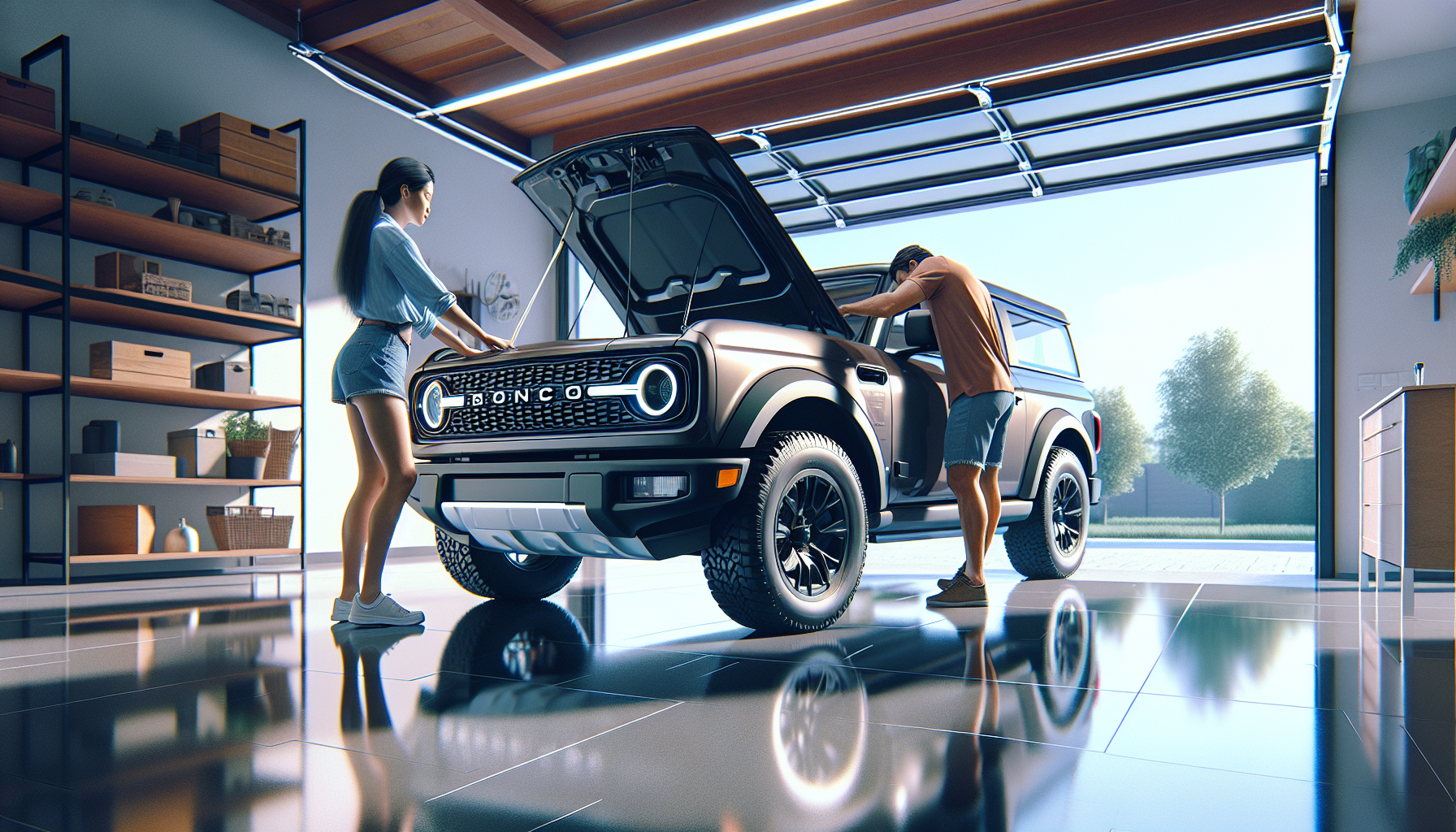
Taking off your Ford Bronco’s hard top should be a simple weekend project. You’ve got the sun shining, the trails calling, and you’re ready to experience that open-air freedom. But plenty of Bronco owners run into frustrating issues during removal—stuck panels, stubborn bolts, scratched paint, and those moments where you’re convinced Ford designed this thing to never come off. Some of these problems stem from the design itself, while others come from weather, installation mistakes, or just not knowing the right sequence.
The good news is that once you understand the common pitfalls and the proper technique, hard top removal becomes much easier. Let’s walk through what typically goes wrong and how to handle it without damaging your Bronco or throwing your back out.
Common Causes of Hard Top Removal Problems
Most hard top removal headaches fall into a few predictable categories. Knowing what you’re up against makes the job less aggravating.
Seized or Cross-Threaded Bolts
The bolts securing your hard top face constant exposure to weather, road salt, and temperature swings. They corrode, rust forms in the threads, and suddenly what should turn freely requires serious force. Cross-threading during installation makes this worse—the bolt goes in crooked, damages the threads, and now removal becomes a real problem.
Weatherstripping Adhesion
The weatherstripping around your hard top creates a seal, but it also sticks to the body panels. After months in the sun or extreme cold, that rubber essentially glues itself in place. When you lift the top, it doesn’t want to release cleanly. This causes alignment issues and sometimes tears the weatherstripping.
Misaligned Lift Points
The Bronco hard top weighs between 140-180 pounds depending on the configuration. If you and your helper aren’t lifting from the correct spots or applying uneven pressure, the top binds against the body. It feels stuck when really it’s just tweaked at an angle.
Forgotten Fasteners
Ford uses multiple connection points, and it’s easy to miss one. The rear bolts under the tailgate area are particularly easy to overlook. Nothing’s more frustrating than lifting with all your might only to realize there’s still a bolt attached.
Paint and Coating Issues
The contact points between the hard top and body can develop paint transfer or minor scratches during removal if you’re not careful. The powder coating on some tops also chips near the mounting points when bolts are over-torqued.
How to Diagnose the Problem
Before you start yanking on your hard top, do a proper inspection. This saves time and prevents damage.
Check All Fasteners
Start at the front windshield bolts and work your way back. The typical four-door Bronco has six main bolts—two at the front header, two at the rear cargo area, and connections at the side mounting points. Get down low and look at the rear bolts near the tailgate. Use a flashlight if needed. Mark each bolt location mentally or with painter’s tape once you’ve confirmed you see them all.
Inspect for Corrosion
Look closely at each bolt head. See any rust or corrosion? Test each bolt with your wrench before applying serious force. If a bolt doesn’t budge with moderate pressure, stop. Trying to force it will strip the head.
Examine the Weatherstripping
Run your hand along where the hard top meets the body. Feel for areas where the rubber seems particularly stuck. Check for any tears or damage from previous removals.
Test with Light Lifting Pressure
With all bolts removed, apply gentle upward pressure at the rear of the top. It should lift slightly. If it feels completely immovable, something’s still attached or badly stuck.
How to Fix It
Once you’ve identified what’s causing your problem, here’s how to handle each situation properly.
Dealing with Stuck Bolts
For corroded bolts, spray them with penetrating oil and wait. Not five minutes—give it 30 minutes minimum, or do it the night before. PB Blaster or Liquid Wrench work better than WD-40 for this. Apply it multiple times, letting it soak between applications. When you go to remove the bolt, use a six-point socket instead of a twelve-point to reduce the chance of rounding off the head. Apply steady pressure rather than jerking motions.
If a bolt head strips, you’ll need to use a bolt extractor set or possibly drill it out. This is where patience matters more than force.
Releasing Stuck Weatherstripping
Don’t just pull harder. Instead, have a helper gently lift one corner of the top while you work a plastic trim tool or even a credit card along the weatherstrip seam. Move slowly around the perimeter, breaking the seal gradually. Some people use a spray lubricant like silicone spray along the seal to help it release, but be careful not to get it on painted surfaces.
Proper Lifting Technique
You need at least two people for this, preferably three or four for the four-door models. Position yourselves at the front corners and rear corners. Lift evenly and slowly. The front usually comes up first, then walk it back and up together. If it binds, stop and lower it back down slightly, then adjust your angle.
This official Ford video demonstrates the proper removal sequence:
Storage After Removal
Once the top is off, don’t just lean it against a wall. Ford sells a storage cart, but you can also build a padded storage rack or use moving blankets on sawhorses. The key is supporting the top at multiple points so it doesn’t warp. Store it indoors if possible, out of direct sunlight.
Protecting Paint During Removal
Place microfiber towels or foam padding at the contact points before you start lifting. The rear edge of the hard top near the tailgate is especially prone to hitting body panels during removal. Some owners apply clear protective film to high-contact areas permanently.
When to See a Mechanic
Most hard top removal issues are DIY-friendly, but some situations warrant professional help.
If you’ve stripped multiple bolt heads and can’t extract them yourself, a shop has specialized tools and experience with stubborn fasteners. They can drill out damaged bolts and re-tap threads if necessary.
Structural damage to the mounting points is another reason to seek help. If you notice cracks in the mounting brackets or significant rust compromising the attachment points, don’t attempt removal. A mechanic needs to assess whether repairs are needed first.
If your hard top has been in an accident or was improperly installed after previous damage, the alignment might be off enough that safe removal requires expertise. Forcing it could cause more damage to both the top and body.
Estimated Repair Costs
Here’s what you might pay if professional help becomes necessary:
| Service | Estimated Cost |
|---|---|
| Professional hard top removal (stuck/damaged bolts) | $150-$300 |
| Bolt extraction and thread repair | $50-$150 per bolt |
| Weatherstripping replacement | $200-$400 |
| Mounting bracket repair/replacement | $300-$600 |
| Paint touch-up at contact points | $100-$250 |
These are rough estimates and vary by location and dealer versus independent shop rates. Some Ford dealers include hard top removal as part of seasonal service packages.
Prevention Tips
Avoiding problems in the first place beats fixing them later. Here’s how to keep hard top removal easy.
Regular Bolt Maintenance
Remove and reinstall your hard top at least twice a year, even if you prefer keeping it on. This prevents the bolts from seizing. When you reinstall, apply a thin coat of anti-seize compound to the bolt threads. Don’t use too much—a little goes a long way.
Proper Torque Specifications
Don’t over-tighten the bolts during installation. Ford specifies 15-20 lb-ft of torque for most hard top bolts. Hand-tight plus a quarter turn is usually about right if you’re working without a torque wrench. Over-tightening crushes weatherstripping and makes future removal harder.
Clean Contact Points
Before reinstalling your hard top, clean both the top’s mounting surfaces and the body contact points. Remove dirt, debris, and old rubber residue. This prevents buildup that makes the next removal difficult.
Weatherstrip Care
Treat your weatherstripping with a rubber conditioner every few months. This keeps it flexible and prevents it from becoming brittle or overly sticky. Avoid petroleum-based products—use proper rubber protectant instead.
Document Your Process
Take photos or video the first time you remove your hard top. Note any tricky bolt locations or sequence details. This reference helps immensely the next time you do it, especially if several months have passed.
Ford Bronco hard top removal gets easier with practice. The first time feels awkward and nerve-wracking, but by the third or fourth removal, you’ll have the process down to 20-30 minutes. Pay attention to those bolt threads, lift with proper technique, and don’t rush. Your back and your Bronco will thank you. The freedom of driving top-down is worth the effort, and knowing you can handle the job yourself beats paying a dealer every time the weather turns nice.
Leave a Reply