
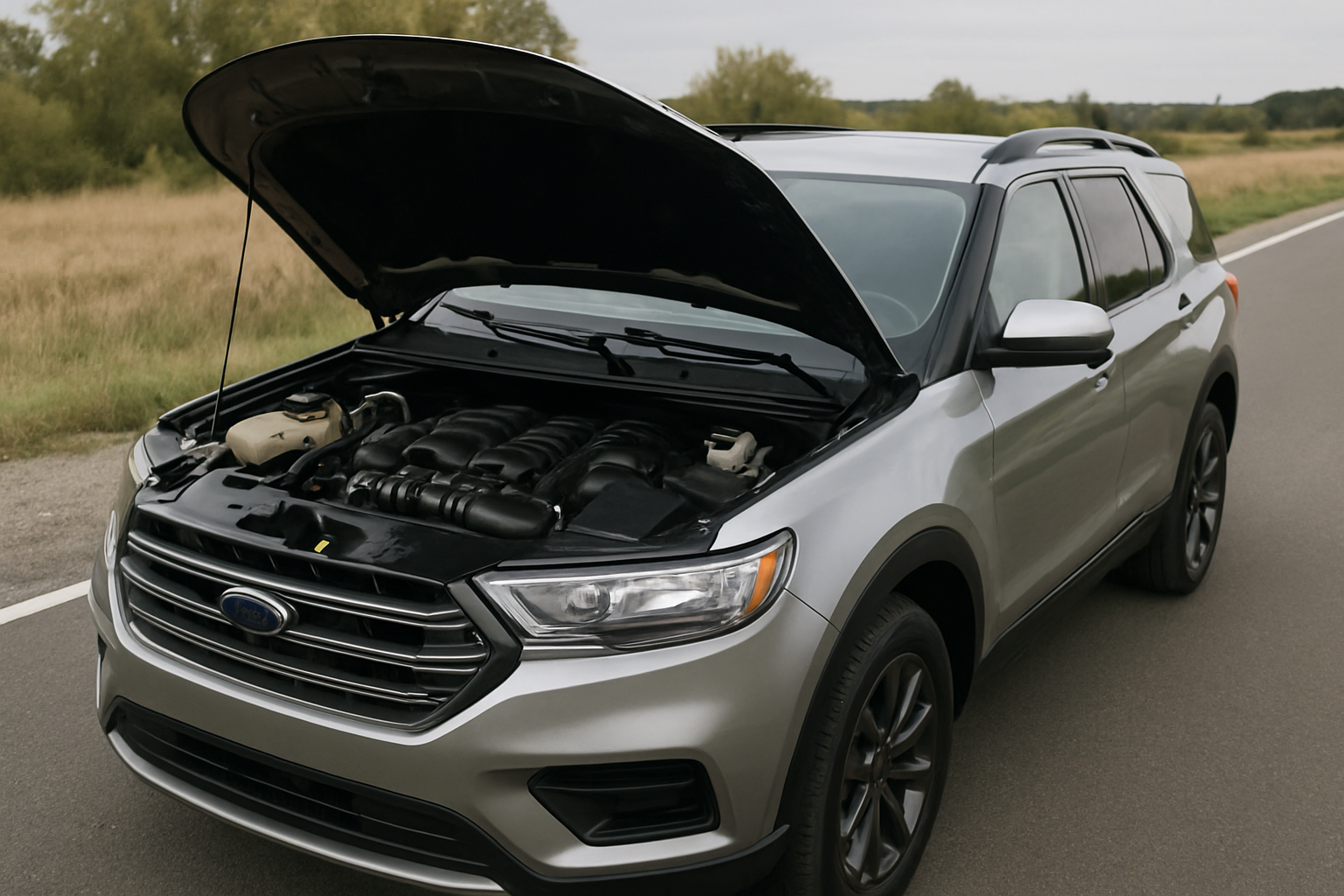
Ford’s 3.5L EcoBoost engine has powered millions of F-150s and Expeditions since its debut in 2010, delivering impressive power and fuel economy. While this twin-turbocharged V6 has earned praise for its performance, it’s not without its share of common problems that owners should understand. Knowing what issues to watch for can save you thousands in repair costs and help you maintain your truck’s reliability.
Understanding Generation 1 vs Generation 2 EcoBoost Engines
Ford made significant changes to the 3.5L EcoBoost between generations, and these differences matter when discussing common problems. The first generation ran from 2010 to 2016, while the second generation started in 2017 and continues today.
Generation 1 engines use a more complex timing chain system with multiple chains and tensioners. They also feature different turbocharger designs and intercooler configurations. Generation 2 engines addressed several Gen 1 issues but introduced some new concerns of their own.
The power output also differs between generations. Gen 1 produces 365 horsepower and 420 lb-ft of torque, while Gen 2 bumped up to 375 horsepower and 470 lb-ft of torque. These power increases came with enhanced reliability in some areas but created new stress points in others.
Timing Chain Stretch: The Most Serious Concern
Timing chain stretch represents the most expensive and potentially catastrophic problem facing 3.5L EcoBoost owners. This issue primarily affects Generation 1 engines, particularly those built between 2011 and 2014.
The symptoms start subtly. You might notice a rattling noise during cold starts that goes away after the engine warms up. This rattle typically comes from the timing chain area and sounds different from typical engine noise. Some owners describe it as a “diesel-like” clatter.
As the chains stretch further, the noise becomes more persistent. You’ll hear it during acceleration and even at idle. Check engine lights may appear with codes related to camshaft and crankshaft correlation. In severe cases, the engine may run rough or lose power.
The root cause involves inadequate timing chain tensioners and guides that wear prematurely. Ford redesigned these components multiple times, releasing several Technical Service Bulletins (TSBs) addressing the issue. TSB 14-0194 covers the most comprehensive repair procedure.
Repair costs range from $2,500 to $4,500 depending on which chains need replacement and whether any engine damage occurred. Some Ford dealerships have performed this repair under warranty even for out-of-warranty vehicles, particularly if you can document the problem started within the warranty period.
Prevention and Early Detection
Regular oil changes using the correct viscosity (5W-20 or 5W-30 as specified) help prevent timing chain stretch. The timing system depends on proper oil pressure and lubrication. Extended oil change intervals accelerate wear on timing components.
Pay attention to any unusual noises during startup, especially in cold weather. Record videos of the sound to share with your technician if needed. Early intervention can prevent more extensive damage to pistons, valves, and cylinder heads.
Cam Phaser Problems: Variable Timing Gone Wrong
Cam phaser issues affect both generations of the 3.5L EcoBoost but manifest differently. These components control variable valve timing, optimizing engine performance across different RPM ranges. When they fail, you’ll experience reduced power, poor fuel economy, and rough idle conditions.
Generation 1 engines suffer from cam phaser locking pins that break or stick. The symptoms include a distinctive knocking or rattling noise, particularly during startup. This sound differs from timing chain noise and typically occurs in a different RPM range.
Generation 2 engines improved the phaser design but still experience failures, usually related to oil flow restrictions or contamination. These newer phasers tend to fail more gradually, with symptoms developing over time rather than sudden failure.
Check engine codes P0011, P0021, P0012, and P0022 commonly appear with cam phaser problems. These codes indicate camshaft timing that’s too advanced or retarded compared to the crankshaft position.
Replacement costs vary significantly based on how many phasers need replacement and whether timing chain work is required simultaneously. Expect to pay $1,500 to $3,000 for comprehensive cam phaser repairs.
Oil Quality Matters
Cam phasers are particularly sensitive to oil quality and change intervals. Using cheap oil or extending change intervals beyond 5,000 miles significantly increases failure risk. Many experienced technicians recommend synthetic oil changes every 3,000 to 5,000 miles for EcoBoost engines.
Oil contamination from fuel dilution or coolant leaks can destroy cam phasers quickly. Address any external leaks immediately and investigate if you smell fuel on the dipstick or see milky oil that might indicate coolant contamination.
Intercooler Condensation: Water Where It Doesn’t Belong
Intercooler condensation affects both F-150 and Expedition models but seems more prevalent in trucks used for short trips or in humid climates. The air-to-air intercooler design allows moisture to accumulate, which can cause dramatic power loss and engine damage if enough water enters the combustion chambers.
Symptoms include sudden power loss, especially during acceleration or under load. You might experience misfiring, rough running, or complete loss of boost pressure. In extreme cases, water ingestion can bend connecting rods or damage pistons.
The intercooler sits low in the engine bay, making it susceptible to moisture accumulation. Ford released TSB 17-2065 addressing this issue and offers an intercooler drain valve kit for affected vehicles. The kit includes drain valves and updated intercooler tubes.
Some owners report success with aftermarket intercooler upgrades that feature better drainage or different mounting positions. These solutions typically cost $800 to $1,500 but can prevent expensive engine damage.
Maintenance and Monitoring
Check your intercooler periodically by removing the intake tube and looking for standing water. A small amount of moisture is normal, but pooled water indicates a drainage problem. You can install aftermarket drain valves or have your dealer perform the TSB repair.
Longer highway drives help evaporate accumulated moisture through sustained boost pressure and heat cycling. If you primarily make short trips, consider occasional highway drives to help dry out the intercooler system.
Additional Common Problems
Turbocharger Failures
Both generations experience turbocharger problems, though the failure modes differ. Generation 1 turbos suffer from wastegate issues and bearing failures, often caused by oil contamination or overheating. Generation 2 turbos improved durability but still fail from similar causes.
Symptoms include loss of power, blue or black exhaust smoke, and unusual whistling or grinding noises. Turbo replacement costs $2,000 to $4,000 per unit, and both turbos often need replacement simultaneously on high-mileage engines.
Carbon Buildup
Direct injection engines like the EcoBoost accumulate carbon deposits on intake valves over time. Unlike port injection engines, fuel doesn’t wash over the valves to clean them naturally. This leads to rough idle, misfires, and reduced performance.
Professional carbon cleaning services cost $400 to $800 and should be performed every 60,000 to 80,000 miles. Some owners report success with catch can installations that reduce oil vapor entering the intake system.
Spark Plug and Coil Issues
The high boost pressure and direct injection system stress spark plugs and ignition coils more than naturally aspirated engines. Plan on replacing spark plugs every 30,000 miles instead of the factory recommendation. Use only the specified spark plug part numbers, as heat range is critical in turbocharged applications.
Ignition coils typically last 60,000 to 100,000 miles but can fail sooner under heavy use. Coil failure symptoms include misfires, rough running, and check engine lights with cylinder-specific misfire codes.
Year-Specific Reliability Patterns
Certain model years show higher problem rates than others. The 2011-2013 F-150s with first-generation EcoBoost engines experience the highest timing chain failure rates. Ford made running changes during production to address these issues, so later 2013 models may have fewer problems.
The 2014-2016 Generation 1 engines improved timing chain reliability but still experience cam phaser problems. These years represent a good balance of known issues with available solutions.
Generation 2 engines starting in 2017 addressed many Gen 1 problems but introduced new concerns like intercooler condensation and different turbocharger failure modes. Overall reliability improved, but the engines are complex enough that problems still occur.
Expedition models generally follow the same patterns as F-150s but may experience additional stress from heavier loads and different duty cycles. The larger vehicle’s cooling system sometimes struggles more with heat management during heavy use.
Preventive Maintenance Strategies
Aggressive maintenance schedules can prevent many EcoBoost problems. Change oil every 5,000 miles maximum using high-quality synthetic oil. Ford specification WSS-M2C946-A oils work best, and many owners prefer Motorcraft or other premium brands.
Replace air filters more frequently than the maintenance schedule suggests. Turbocharged engines consume more air, and restricted filters reduce efficiency and increase stress. Inspect the filter every 10,000 miles and replace as needed.
Use premium fuel when possible, especially during heavy use or towing. The higher octane rating prevents knock and allows the engine management system to run more aggressive timing curves safely.
Allow proper warm-up and cool-down cycles. Turbochargers need oil circulation during startup and after shutdown. Let the engine idle for 30 seconds before driving, and avoid immediate shutdown after highway driving.
When to Seek Professional Help
Don’t ignore unusual noises, especially during startup or under load. EcoBoost engines can develop expensive problems quickly, and early intervention saves money. Record any unusual sounds and have them diagnosed promptly.
Find a shop or dealer with EcoBoost experience. These engines require specific knowledge and tools for proper diagnosis. Generic repair shops may miss subtle symptoms or misdiagnose complex problems.
Keep detailed maintenance records including oil change dates, mileage, and any symptoms you notice. This documentation helps with warranty claims and provides valuable information for technicians.
Frequently Asked Questions
Which generation EcoBoost is more reliable?
Generation 2 engines (2017+) generally offer better reliability than Gen 1, particularly regarding timing chain issues. However, Gen 2 engines are newer with less long-term data available. Both generations can provide reliable service with proper maintenance and prompt attention to problems.
How much should I budget for EcoBoost maintenance?
Plan on spending 20-30% more on maintenance compared to naturally aspirated engines. This includes more frequent oil changes, premium fuel, and eventual turbocharger service. Budget $1,500-2,000 annually for a high-mileage EcoBoost beyond normal maintenance items.
Are aftermarket modifications worth the risk?
Conservative modifications like catch cans and intercooler upgrades can improve reliability. Avoid aggressive tuning or boost increases unless you’re prepared for accelerated wear and potential failures. Stock EcoBoost engines already operate near their design limits.
Should I buy a used EcoBoost F-150 or Expedition?
Used EcoBoost vehicles can be excellent purchases if you understand the common problems and verify maintenance history. Look for vehicles with documented oil changes, avoid 2011-2012 models with timing chain concerns, and have a pre-purchase inspection performed by an EcoBoost-experienced shop.


Leave a Reply