
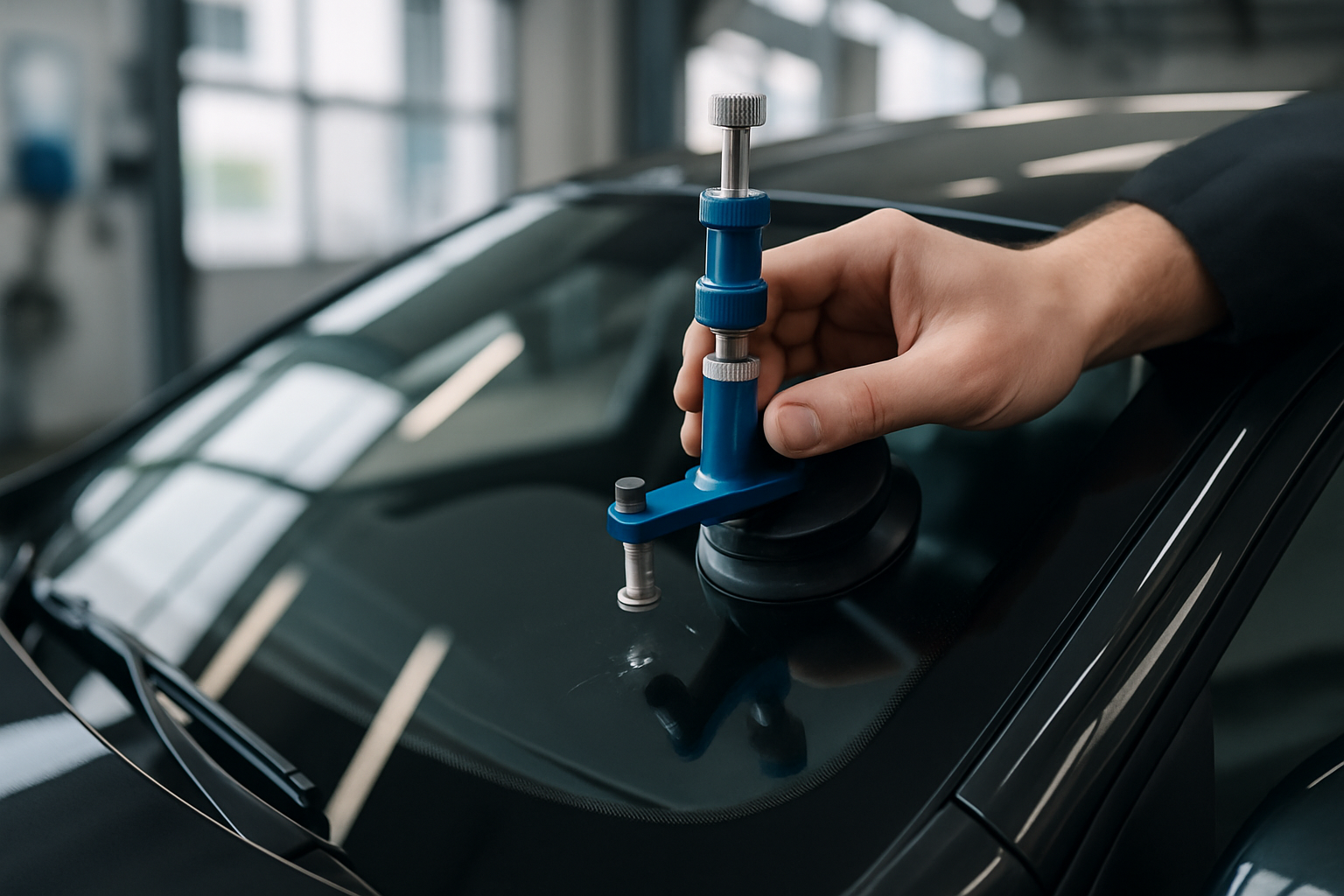
A small windshield chip might seem harmless, but it can quickly turn into a costly full windshield replacement if you don’t act fast. The good news is that most small chips can be repaired at home with the right tools and technique, saving you hundreds of dollars and preventing that annoying crack from spreading across your entire windshield.
Why Windshield Chips Spread Into Full Cracks
Your windshield deals with constant stress from road vibrations, temperature changes, and normal driving forces. When a small chip appears, it creates a weak point in the glass structure. Every bump in the road, every hot sunny day followed by a cold night, and every slam of your car door sends stress waves through the glass.
Temperature changes are the biggest culprit. When your windshield heats up in the sun, the glass expands. When it cools down at night or in air conditioning, it contracts. This expansion and contraction puts pressure on the damaged area, slowly forcing the chip to grow into a crack.
Once a crack starts, it spreads faster than you’d expect. What begins as a small chip can become a foot-long crack within days, especially during extreme weather. Most states have laws requiring windshield replacement once cracks reach a certain size, making immediate repair crucial.
When You Can Fix a Chip Yourself
Not every windshield chip is a good candidate for DIY repair. You can successfully fix chips that are smaller than a quarter, not directly in your line of sight, and haven’t already started cracking. The chip should also be relatively fresh, ideally less than a few days old.
Chips work best for repair when they’re what professionals call “bull’s eyes” or “stars.” These are round impacts or chips with short cracks radiating outward. Long, thin cracks that already stretch several inches usually need professional attention or complete windshield replacement.
Location matters too. Chips right at the edge of your windshield are harder to repair effectively because there’s less glass to distribute the stress. Chips directly in your primary field of vision might repair successfully but could leave visible marks that affect your driving safety.
What You’ll Need for the Repair
Windshield repair kits are available at most auto parts stores and online. These kits typically include a special resin, an applicator tool, and curing strips or film. The resin is designed to fill the chip completely and bond with the surrounding glass, essentially recreating the windshield’s structural integrity.
Quality varies significantly between different kits. Professional-grade repair kits cost more but contain better resin that cures clearer and stronger. Cheap kits might leave cloudy marks or fail to prevent further cracking. Professional windshield repair kits typically include everything you need for multiple repairs.
You’ll also want to gather some basic supplies like clean rags, glass cleaner, and a razor blade or small knife for removing loose glass fragments. Work in a shaded area if possible, as direct sunlight can cause the resin to cure too quickly.
Step-by-Step Repair Process
Start by cleaning the chip thoroughly. Remove any loose glass fragments carefully with a razor blade, being gentle to avoid making the damage worse. Clean the entire area with glass cleaner and let it dry completely. Any dirt, moisture, or debris left in the chip will prevent the resin from bonding properly.
Most repair kits include a plastic applicator that you place over the chip. This creates a seal so you can inject the resin under pressure. Follow your kit’s specific instructions for assembly, but generally you’ll place the applicator over the chip and use the provided screws or clamps to secure it tightly against the windshield.
The injection process requires patience. Slowly inject the resin into the chip, allowing it to flow into all the damaged areas. You might need to create vacuum pressure first by pulling up on the applicator, then releasing it to force resin deep into the crack. This process can take 10-15 minutes for the resin to fully penetrate.
After injection, remove the applicator and place a curing strip over the repair area. This prevents the resin from forming a dome shape as it cures and helps create a smooth surface. Most resins cure in direct sunlight within 15-30 minutes, though some kits include UV lights to speed the process.
Professional Tips for Better Results
Temperature affects repair quality significantly. Avoid repairing chips when it’s extremely hot or cold outside. The ideal temperature range is between 50-80 degrees Fahrenheit. Cold weather makes the resin thick and difficult to inject, while hot weather causes it to cure too quickly.
Don’t rush the resin injection process. Professional repair technicians often spend 20-30 minutes just on the injection phase, ensuring the resin completely fills every crack and void. Taking your time during this step makes the difference between a successful repair and one that fails within weeks.
Multiple thin applications work better than trying to fill the entire chip at once. Inject a small amount, let it settle, then add more. This technique prevents air bubbles and ensures complete coverage of all damaged areas.
When to Call a Professional Instead
Some damage requires professional repair equipment and expertise. Chips larger than a quarter, cracks longer than three inches, or damage that has already started spreading should be handled by a glass repair shop. They have access to stronger resins and can apply much higher injection pressures than DIY kits allow.
If your first repair attempt doesn’t work, don’t try again with another kit. Multiple repair attempts often make the damage worse and can make professional repair impossible. Professional technicians can usually tell if a chip has been previously repaired, and multiple attempts weaken the glass structure.
Consider professional repair for chips in your direct line of sight. Even successful DIY repairs can leave slight visual distortions that become distracting while driving. Professional equipment often produces clearer results in these critical areas.
Your Insurance Might Cover the Cost
Many insurance policies cover windshield chip repair with zero deductible. This coverage exists because insurers know that a $50 chip repair prevents a $300-500 windshield replacement claim later. Check your policy or call your insurance company before attempting DIY repair.
Comprehensive coverage typically includes glass repair, even if you have a high deductible for other types of damage. Some insurers partner with national glass repair chains and will handle scheduling and payment directly. This can be more convenient than DIY repair and often produces better results.
Document the damage with photos before calling your insurance company. This helps speed up the claims process and provides evidence of when the damage occurred. Most insurers can approve chip repairs over the phone within minutes.
Preventing Future Windshield Damage
Maintaining proper following distance reduces your risk of windshield damage from road debris. Trucks and construction vehicles kick up rocks and gravel, so give them extra space. This is especially important on highways and construction zones where loose material is common.
Park in shaded areas when possible to reduce temperature stress on your windshield. Extreme temperature changes weaken glass over time and make it more susceptible to chip damage. Using a windshield sunshade helps moderate temperature swings.
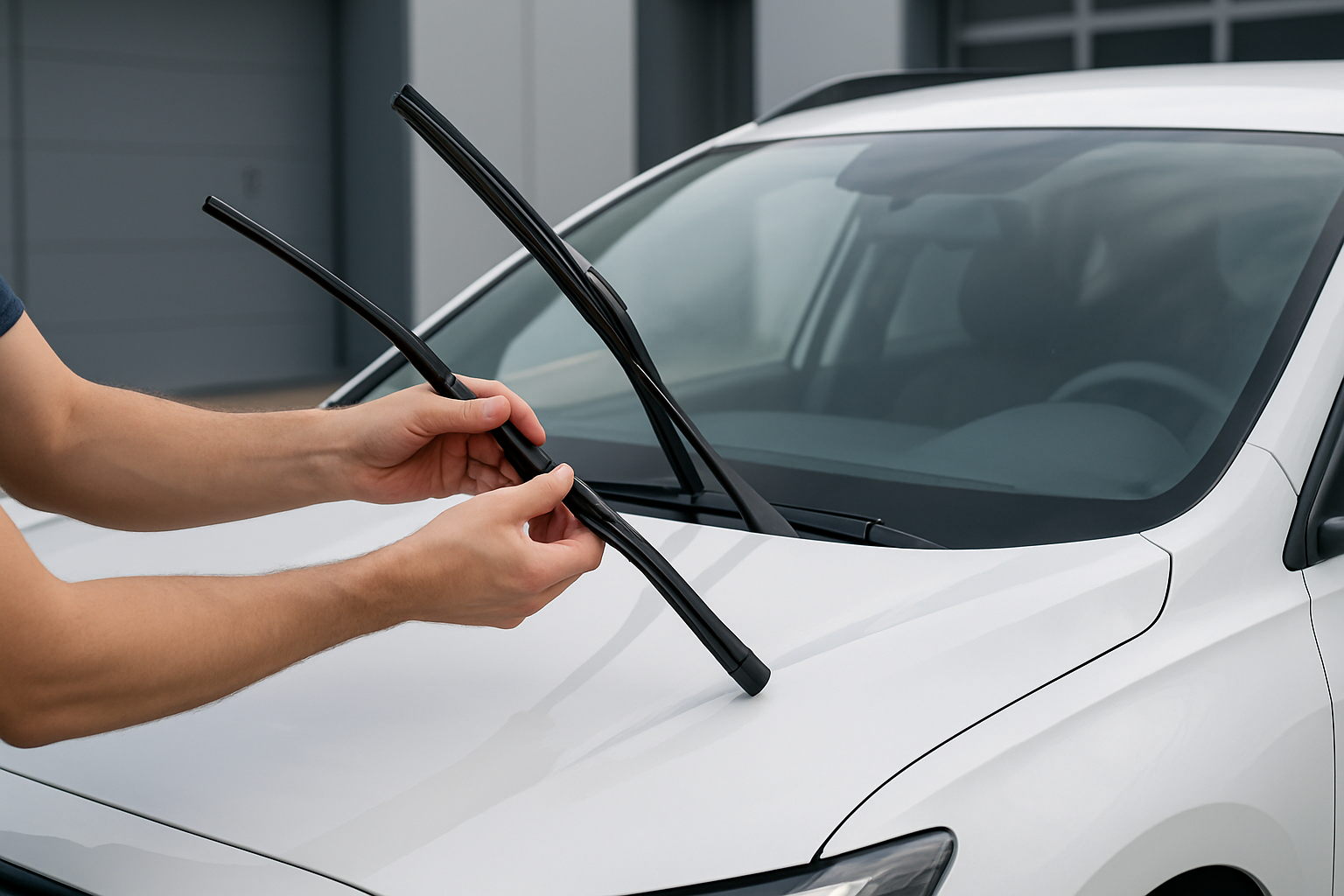
Replace your windshield wipers before they wear down to metal components. Old wiper blades can scratch your windshield, creating weak spots that are more likely to chip when struck by debris. Quality wiper blades also clear your view better, helping you spot and avoid road hazards.
What Happens After the Repair
A properly repaired chip should stop spreading immediately. The resin essentially welds the damaged glass back together, restoring most of the windshield’s original strength. However, you’ll likely still see a slight mark where the chip was, though it should be much less noticeable than before.
Avoid washing your car or using the windshield wipers for at least 24 hours after the repair. The resin needs time to fully cure and bond with the glass. Running wipers over fresh repair can disturb the surface and affect the final appearance.
Most repairs come with some type of warranty, whether from a professional shop or even some DIY kits. Keep your receipt and take photos of the completed repair. If the chip starts spreading again, you may be able to get a free re-repair or credit toward windshield replacement.
Frequently Asked Questions
How long does a windshield chip repair last?
Professional repairs typically last the life of the windshield when done correctly. DIY repairs can be permanent too, but success depends heavily on following instructions carefully and having suitable damage. Most failures occur within the first few weeks if the repair wasn’t done properly.
Can I drive immediately after repairing a chip?
You can drive immediately after the resin cures, usually within 30 minutes to an hour. However, avoid slamming doors, driving on rough roads, or other activities that create windshield stress for the first 24 hours. This gives the repair maximum time to reach full strength.
Will the repair be completely invisible?
Most repairs will leave some visible mark, though much less noticeable than the original chip. Professional repairs typically look better than DIY attempts, but even professional work rarely makes damage completely disappear. The goal is preventing further cracking while minimizing visual distraction.
What if the chip starts cracking again after repair?
If cracking resumes after repair, the damage was likely too severe for repair or the resin didn’t fully penetrate all areas. This usually happens within a few days if it’s going to occur. You’ll need professional evaluation to determine if re-repair is possible or if windshield replacement is necessary.
This article contains affiliate links. If you purchase through these links, we may earn a small commission at no extra cost to you.
Leave a Reply