
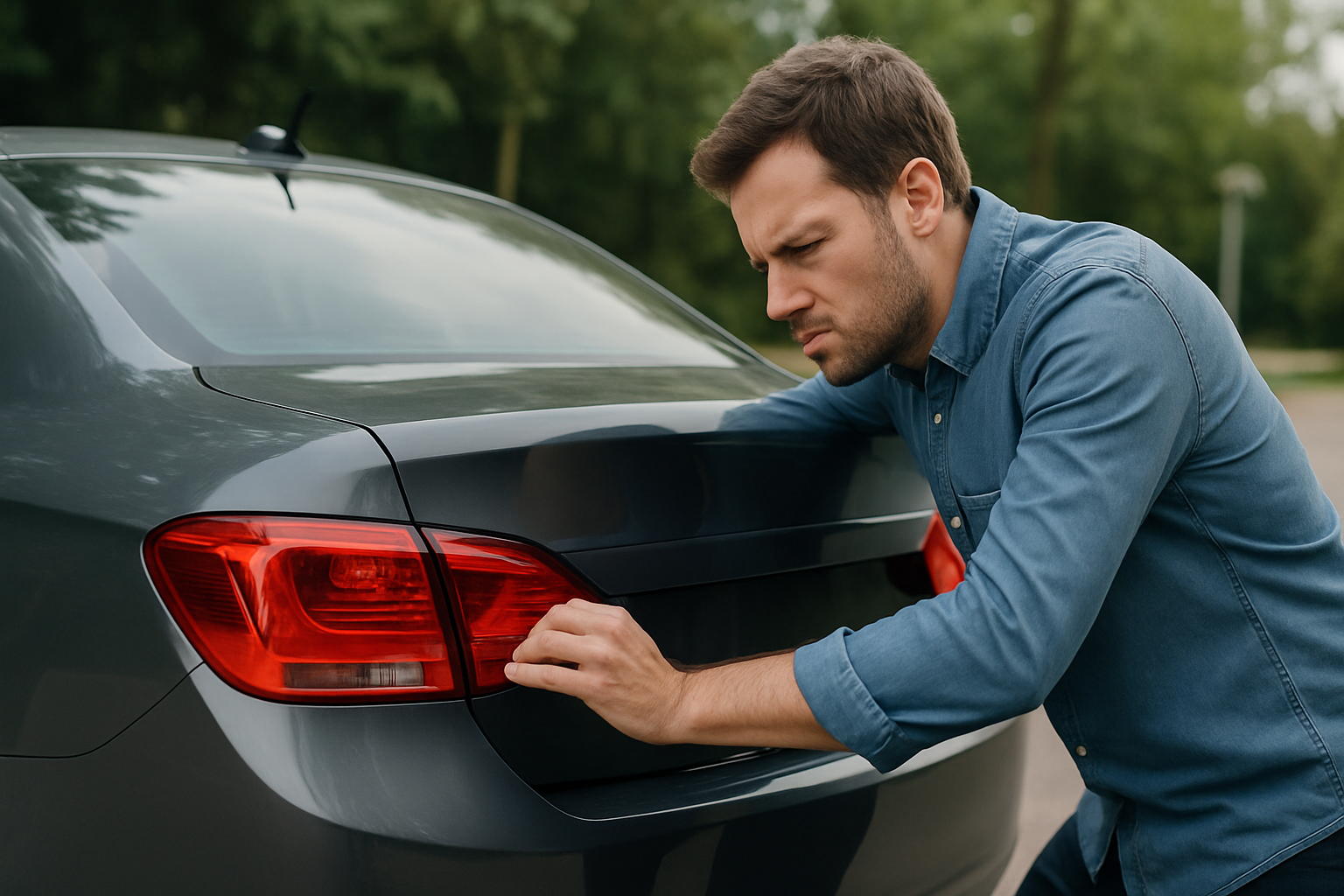
Getting locked out of your trunk is one of those frustrating car problems that always seems to happen at the worst possible moment. Whether you’re dealing with groceries that need to come out or luggage you can’t access, a stuck trunk can quickly turn a normal day into a major headache.
The good news is that most trunk problems have solutions you can tackle yourself, often without expensive trips to the mechanic. From simple electrical issues to frozen latches, most trunk failures fall into predictable categories with proven fixes.
Why Trunks Get Stuck or Won’t Open
Modern car trunks rely on several systems working together. You’ve got the electronic actuator that physically releases the latch, the wiring that carries power to it, fuses that protect the circuit, and the mechanical latch mechanism itself.
Cold weather causes one of the most common trunk problems. When temperatures drop, moisture can freeze inside the latch mechanism, preventing it from moving properly. This happens even in covered parking since condensation builds up over time.
Electrical failures account for most other trunk issues. A blown fuse, corroded wiring connection, or failed actuator motor can leave your trunk completely unresponsive to key fob or dashboard button presses.
Start With the Emergency Release
Every modern car has an emergency trunk release located inside the trunk compartment itself. This might seem counterintuitive when you can’t get into the trunk, but you can often reach it through your car’s interior.
Most vehicles with fold-down rear seats give you access to the trunk area from inside the cabin. Look for release levers or tabs on the top of your rear seat backs, usually located where the headrests meet the seat.
Pull these releases and fold the seats forward. You should be able to crawl or reach into the trunk area and locate the emergency release. This appears as a bright yellow, orange, or glow-in-the-dark handle or cord hanging from the trunk lid area.
Pull the emergency release firmly. You’ll hear the latch mechanism operate, and the trunk should pop open. This confirms that your latch mechanism works mechanically, which means your problem is likely electrical.
Check Your Fuses First
Blown fuses cause more trunk problems than most people realize. Your owner’s manual will show you exactly which fuse protects the trunk release circuit, but it’s typically labeled something like “trunk,” “deck lid,” or “liftgate.”
Pop the hood and locate your main fuse box, usually positioned near the battery. Remove the trunk fuse and inspect the thin metal strip inside. If it’s broken or burned, you’ve found your problem.
Replace the blown fuse with one of identical amperage. Never use a higher-rated fuse, as this can damage your car’s electrical system. Most trunk circuits use 10, 15, or 20-amp fuses.
Some cars have additional fuse boxes inside the cabin, often located under the dashboard on the driver’s side or in the glove compartment. Check these locations if your underhood fuse box doesn’t contain a trunk-related fuse.
Test Your Key Fob and Dashboard Button
Before assuming you have a major mechanical problem, verify that your trunk release controls actually work. A weak key fob battery can prevent proper signal transmission, making it seem like your trunk mechanism has failed.
Try your dashboard trunk release button first. Most cars place this on the lower left side of the dashboard, near your left knee when seated. The button typically shows a car silhouette with an open trunk symbol.
If the dashboard button works but your key fob doesn’t, replace the key fob battery. Most key fobs use CR2032 coin-style batteries that you can find at any grocery or drug store.
If neither control works and your fuse checks out fine, you likely have a problem with the trunk actuator motor or wiring connections.
Dealing With Frozen Trunk Latches
Winter weather can freeze the moisture inside your trunk latch mechanism, preventing it from operating even when the actuator motor runs. You’ll often hear the motor working, but the trunk won’t actually open.
Hair dryers work surprisingly well for this problem. Run an extension cord to your car and direct warm air at the trunk latch area for several minutes. Focus on the actual latch mechanism, usually visible through the gap between your trunk and rear bumper.
Warm water poured carefully over the latch area can also break up ice formation. Use lukewarm water, not hot, to avoid thermal shock that could crack plastic components.
Lock de-icer spray, available at auto parts stores, contains alcohol and other chemicals designed to dissolve ice quickly. Spray it directly into the latch mechanism and wait a few minutes before attempting to open the trunk.
When the Trunk Actuator Fails
The trunk actuator is essentially a small electric motor that pulls the latch release when you press your key fob or dashboard button. These motors can burn out over time, especially in cars that see heavy trunk use.
You can usually hear a failed actuator trying to work. When you press the trunk release, you might hear a clicking, buzzing, or grinding sound from the trunk area instead of the normal smooth motor operation.
Actuator replacement requires removing interior trunk panels to access the latch mechanism. While not terribly complicated, this job involves working with electrical connections and precise adjustment of the latch mechanism.
Most trunk actuators cost between $50 and $150 for the part, with labor adding another $100 to $200 at most repair shops. Some luxury vehicles use more expensive actuator assemblies that can push the total repair cost higher.
Checking Wiring and Connections
Corroded or loose wiring connections cause intermittent trunk problems that seem to come and go randomly. These electrical gremlins can be particularly frustrating because the trunk might work fine for weeks, then suddenly stop responding.
Start by checking the wiring connections at the trunk actuator itself. You’ll need to remove some interior trunk paneling to access these connections, but they’re usually held in place with plastic clips rather than screws.
Look for green or white corrosion buildup around electrical connections, which indicates moisture intrusion. Clean corroded connections with electrical contact cleaner and a small wire brush.
Wiring that runs through the trunk hinge area takes particular abuse from repeated opening and closing. Inspect this area carefully for broken or frayed wires that might cause intermittent connection problems.
Manual Override Methods
Sometimes you need to get into a stuck trunk immediately, even if it means using methods that might require professional repair afterward. These manual override techniques should only be used in emergency situations.
Many trunk latches can be manually manipulated using a long screwdriver or similar tool inserted through the gap between the trunk lid and car body. You’re trying to manually move the latch release mechanism that the actuator would normally operate.
This requires patience and feel, as you can’t see exactly what you’re doing. Work the tool gently to avoid damaging the latch mechanism or trunk weatherstripping.
Some people remove the rear seat entirely to gain better access to the trunk latch from inside the car. This gives you more room to work and better visibility of the latch mechanism.
Preventing Future Trunk Problems
Regular maintenance can prevent many common trunk issues before they leave you stranded. Simple steps like cleaning and lubricating the latch mechanism annually can add years to its service life.
Use white lithium grease on the mechanical parts of your trunk latch, avoiding any electrical connections. Work the trunk open and closed several times after lubricating to distribute the grease properly.
Keep your trunk weatherstripping clean and in good condition. Cracked or damaged weatherstripping allows moisture into the trunk compartment, which can freeze in cold weather or corrode electrical connections.
Replace your key fob battery annually, even if it seems to be working fine. Weak batteries can cause intermittent operation that might leave you locked out at an inconvenient time.
When to Call a Professional
While many trunk problems are DIY-friendly, some situations require professional expertise. Complex electrical diagnosis, actuator replacement, or latch mechanism adjustment often justify the cost of professional repair.
If you’ve checked the obvious items like fuses and key fob batteries without success, a shop with proper diagnostic equipment can pinpoint the exact problem quickly. This prevents the frustration and expense of replacing parts that aren’t actually broken.
Warranty considerations also matter. If your car is still under factory warranty, attempting DIY repairs might void coverage for related problems that develop later.
Frequently Asked Questions
Can I drive with a trunk that won’t close properly?
You can drive short distances with a trunk that won’t latch, but secure any contents and use a bungee cord or rope to keep the trunk from bouncing open. Extended driving with an unlatched trunk can damage the trunk lid hinges and create a safety hazard for other drivers.
Why does my trunk work sometimes but not others?
Intermittent trunk operation usually indicates a loose wiring connection or a trunk actuator motor that’s beginning to fail. Temperature changes can temporarily improve or worsen loose connections, making the problem seem random.
How much should trunk latch repair cost?
Simple fixes like fuse replacement cost under $10. Actuator motor replacement typically runs $150 to $350 including parts and labor. Complete latch mechanism replacement can cost $300 to $600 depending on your vehicle.
Will disconnecting my battery reset trunk problems?
Battery disconnection can sometimes clear temporary electronic glitches, but it won’t fix mechanical problems like frozen latches or failed actuator motors. Try this simple step before moving to more complex diagnosis, but don’t expect it to solve hardware failures.
Leave a Reply