
When your car cranks slowly on a regular day and barely turns over when it’s cold outside, you’re dealing with one of the most common winter automotive problems. Cold weather amplifies existing issues with your starting system, turning a minor annoyance into a potential roadside emergency.
The culprit is usually your battery or starter motor, but diagnosing which one requires some detective work. Cold temperatures reduce your battery’s cranking power while simultaneously making your engine oil thicker and harder for the starter to turn.
Why Cold Weather Makes Slow Cranking Worse
Your battery’s Cold Cranking Amps (CCA) rating tells you how much power it can deliver at 0°F. When temperatures drop, even a healthy battery loses cranking power. A battery rated for 600 CCA might only deliver 480 CCA at zero degrees, and even less as it ages.
Meanwhile, your engine oil thickens in cold weather, creating more resistance for your starter motor to overcome. This double whammy means your weakened battery has to work harder precisely when it has less power available.
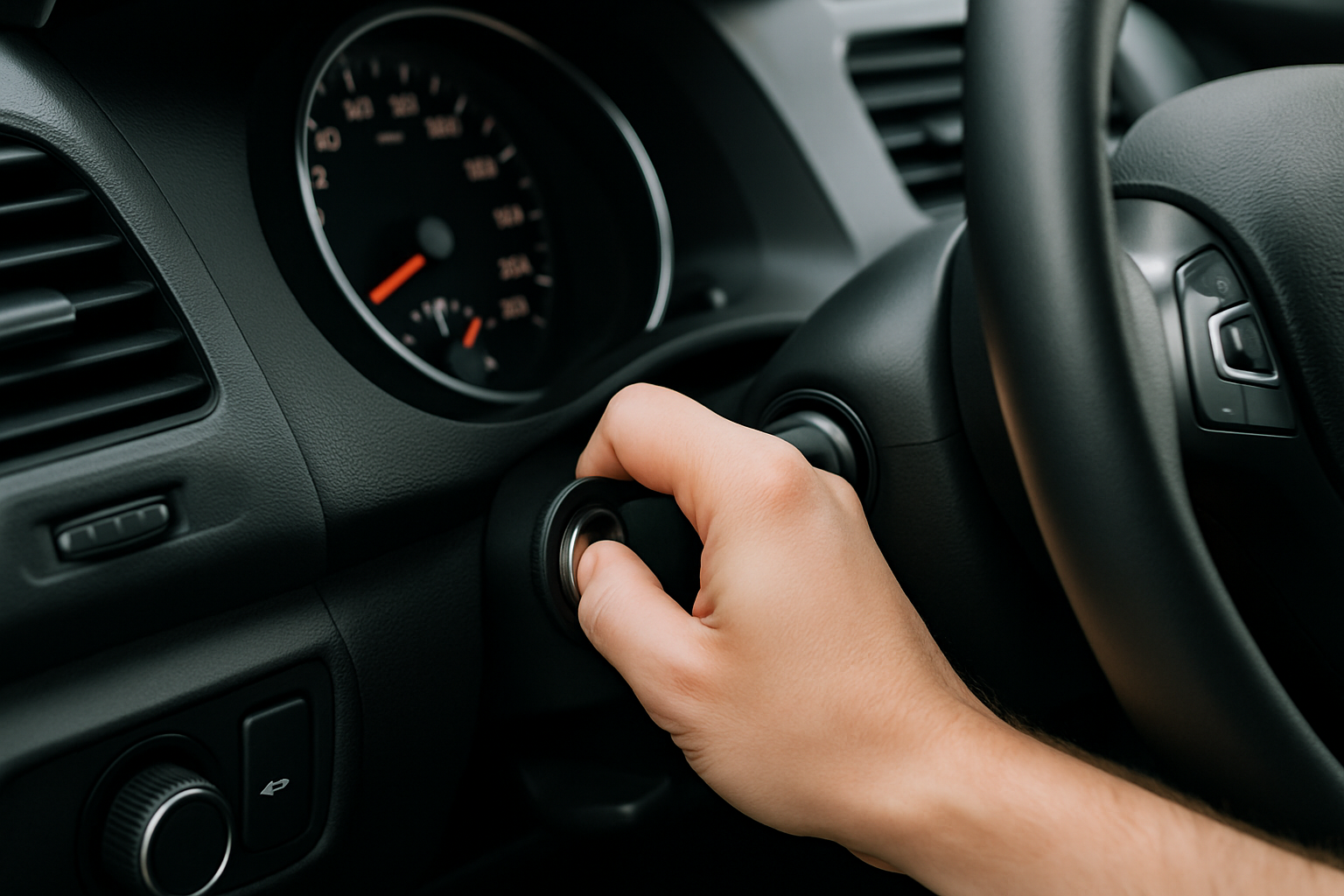
If your car already cranks slowly in warm weather, cold temperatures will push your starting system beyond its limits. You might hear clicking sounds, extremely slow cranking, or complete silence when you turn the key.
Diagnosing Battery vs Starter Problems
Before throwing parts at the problem, you need to identify whether your battery or starter is the weak link. Both can cause slow cranking, but they require different fixes.
Signs of a Weak Battery
A failing battery typically shows multiple symptoms beyond slow cranking. Your headlights might dim when you try to start the car, or your dashboard lights could flicker during cranking attempts.
Check your battery terminals first. White, blue, or green corrosion around the terminals creates resistance that mimics a weak battery. Clean terminals can sometimes solve slow cranking issues without replacing anything.
Battery voltage alone doesn’t tell the whole story. A battery might show 12.6 volts with no load but fail to deliver adequate cranking power under stress.
Signs of a Weak Starter
A failing starter motor usually cranks slowly even when your electrical system seems strong. Your lights won’t dim significantly during cranking, and other electrical components work normally.
Sometimes a weak starter will work fine in warm weather but struggle when cold temperatures make the engine oil thicker. You might also hear grinding noises or intermittent engagement issues.
The Load Test: Your Best Diagnostic Tool
A proper load test is the most reliable way to determine battery health. This test simulates the actual cranking load to see if your battery can deliver its rated CCA.
Most auto parts stores perform free battery load tests. The test applies a load equal to half your battery’s CCA rating for 15 seconds while monitoring voltage. A healthy battery should maintain at least 9.6 volts during the test.
If your battery passes the load test but you still have slow cranking, your starter motor is likely the problem. If the battery fails the load test, replacement should solve your cold weather starting issues.
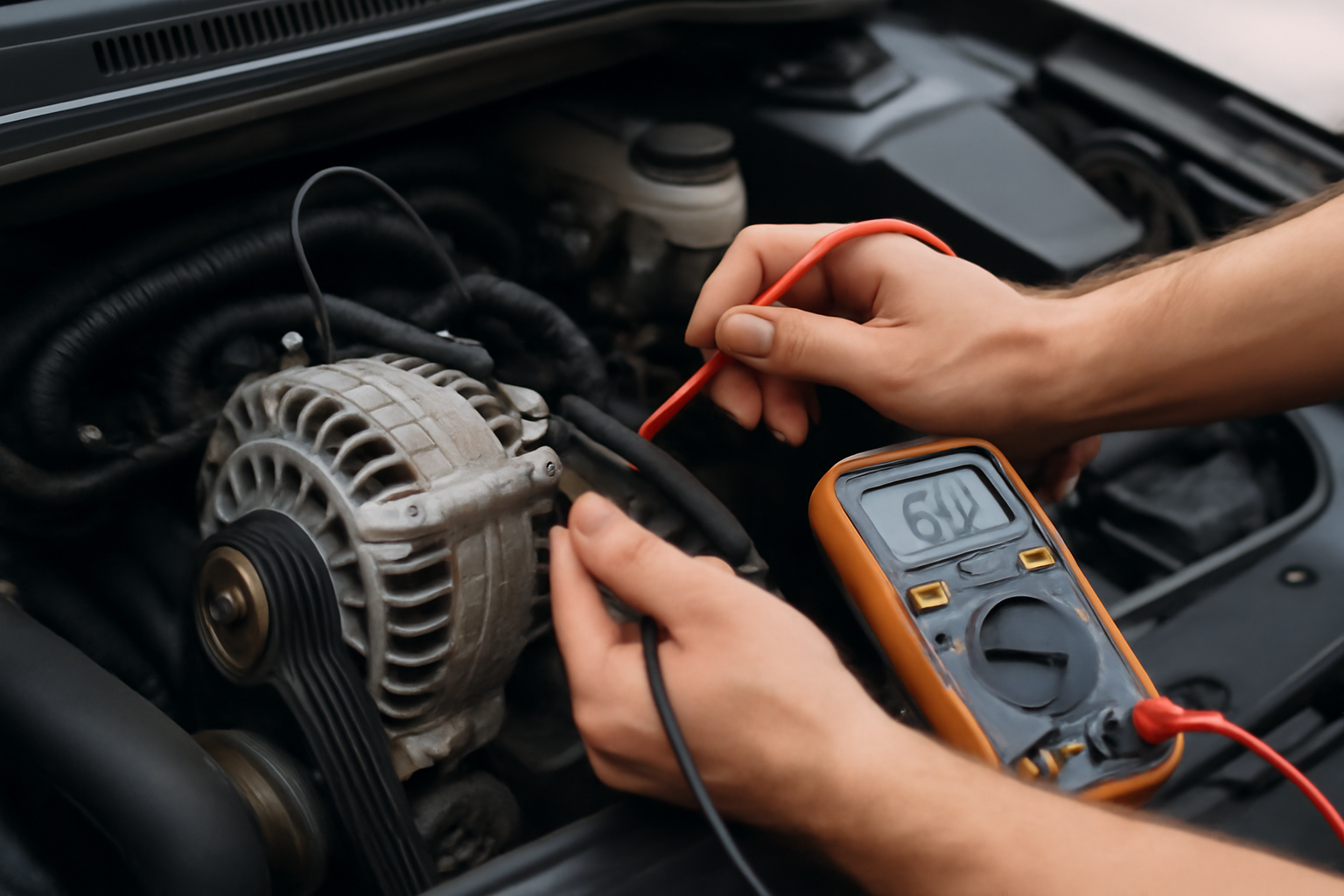
You can also perform a basic load test at home using a multimeter. Connect the meter to your battery terminals and watch the voltage while someone attempts to start the car. Voltage dropping below 10 volts during cranking suggests battery problems.
Cleaning Corroded Battery Terminals
Corroded terminals are often overlooked but can cause significant starting problems. The corrosion creates electrical resistance that reduces power flow to your starter.
Remove the negative terminal first, then the positive. Use a wire brush or terminal cleaning tool to scrub away all corrosion from both the terminals and cable ends.
A mixture of baking soda and water neutralizes acid corrosion effectively. Pour the solution over corroded areas, let it bubble for a minute, then scrub clean with your wire brush.
Apply a thin layer of petroleum jelly or terminal protector spray after reconnecting the cables. This prevents future corrosion and maintains good electrical contact.
Battery Replacement for Cold Weather
When replacing your battery, pay attention to the CCA rating. Choose a battery with at least the manufacturer’s recommended CCA, but don’t hesitate to go higher if your budget allows.
Group size matters too. Your battery tray is designed for a specific group size (like Group 24, Group 35, etc.), and using the wrong size can cause fitment problems.
Consider the battery’s reserve capacity as well. This rating tells you how long the battery can power your car’s electrical system if the alternator fails. Higher reserve capacity provides better cold weather performance.
Starter Motor Diagnosis and Replacement
If your battery tests good but cranking remains slow, your starter motor needs attention. Starter motors typically fail gradually, working fine in ideal conditions but struggling when stressed.
A starter draw test measures how much current your starter pulls during cranking. Most starters should draw between 150-400 amps depending on engine size. Higher current draw indicates internal starter problems.
Starter replacement is more involved than battery replacement and often requires lifting the vehicle. The starter is usually located where the engine meets the transmission, sometimes requiring removal of other components for access.
Battery Blankets and Cold Weather Solutions
For extreme cold conditions, a battery blanket can significantly improve starting performance. These heated pads wrap around your battery to maintain warmer temperatures overnight.
Battery maintainers and trickle chargers keep your battery at full charge during cold storage periods. These devices are particularly useful if you don’t drive daily or store your vehicle for extended periods.
Engine block heaters warm your oil and coolant, reducing the load on your starter motor. While primarily designed for extreme cold climates, they can help marginal starting systems work reliably.
Parking in a garage, even an unheated one, provides several degrees of temperature protection. This small difference can mean the difference between starting and not starting on bitter cold mornings.
Preventive Maintenance Tips
Regular battery testing catches problems before they leave you stranded. Test your battery at the beginning of each winter season, and replace it if the load test shows weakness.
Keep your battery terminals clean and tight. Loose connections create resistance and can damage your electrical system. Check terminals monthly during winter months.
If your vehicle sits unused for weeks at a time, consider disconnecting the negative battery cable. Parasitic draws from clocks, computers, and alarm systems can drain batteries during extended storage.
Using the correct oil viscosity for your climate helps your starter motor. Thinner oil (like 5W-30 instead of 10W-30) flows better in cold weather and reduces cranking load.
Emergency Starting Solutions
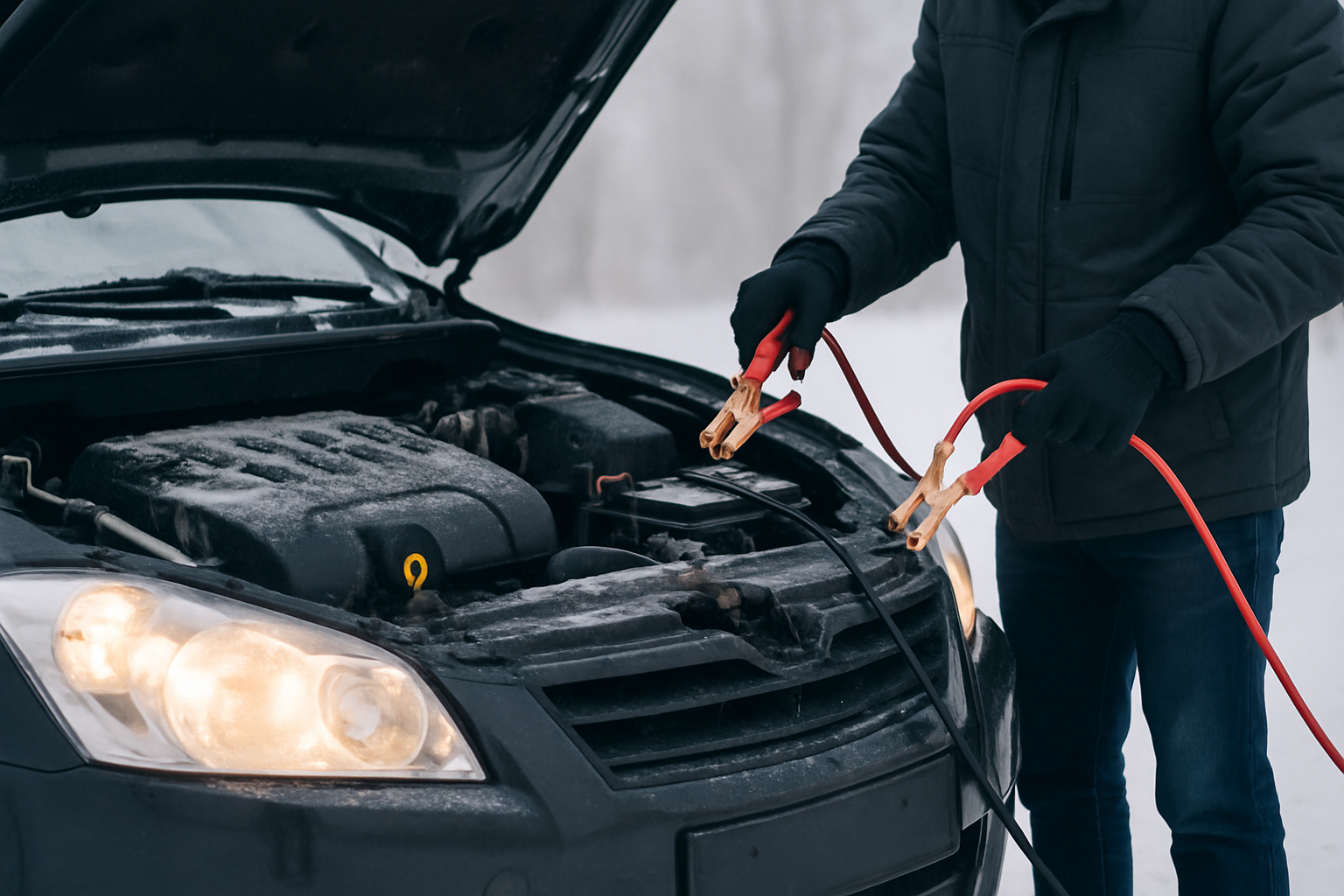
Jump starting requires proper technique to avoid damaging modern electronics. Connect positive to positive first, then negative to a ground point away from the battery. Let the good battery charge yours for several minutes before attempting to start.
Portable jump starters eliminate the need for another vehicle. These lithium-ion units are compact enough to keep in your glove box and powerful enough to start most engines multiple times per charge.
If you’re stranded with a weak battery, try turning off all electrical loads (heater, radio, lights) before starting. This maximizes available power for your starter motor.
When to Call a Professional
Intermittent starting problems that don’t follow clear patterns might indicate wiring issues, ignition switch problems, or computer-related faults. These situations require professional diagnosis with specialized equipment.
If you’ve replaced the battery and starter but still experience slow cranking, the problem might be in your charging system. A failing alternator won’t keep your battery properly charged, leading to recurring starting issues.
Some modern vehicles have complex starting systems with multiple computers involved in the starting process. These systems require scan tools and technical knowledge beyond basic DIY repairs.
Frequently Asked Questions
How long should a car battery last in cold climates?
Most batteries last 3-5 years in moderate climates, but extreme cold can reduce this to 2-4 years. Batteries that struggle to start your car after three winters should be tested and likely replaced.
Can I use a higher CCA battery than recommended?
Yes, using a battery with higher CCA than specified won’t harm your vehicle and can improve cold weather starting. Just ensure the physical size (group number) matches your battery tray.
Why does my car start fine with jumper cables but not on its own?
This usually indicates a weak battery that can’t deliver enough current alone but works when supplemented by another battery. The extra voltage and current from jumping provides enough power to engage your starter properly.
Should I let my car warm up before driving in cold weather?
Modern cars don’t require extended warm-up periods, but letting the engine run for 30-60 seconds allows oil to circulate and helps your alternator begin charging the battery after the starting effort.
Leave a Reply