

A car door that won’t close or latch properly is one of those problems that goes from minor annoyance to serious safety concern pretty quickly. When your door isn’t securing correctly, you’re dealing with potential security issues, weather protection problems, and the constant worry that the door might pop open while driving.
Most door latching issues stem from just a few common culprits: misaligned striker plates, frozen latch mechanisms during winter months, worn door check components, or internal latch problems. The good news is that many of these fixes are within reach of a DIY mechanic with basic tools.
Understanding Your Car Door Latch System
Before diving into repairs, it helps to understand how your door actually stays closed. The system consists of several key components working together.
The latch mechanism sits inside your door panel and contains a rotating catch that grabs onto the striker plate mounted on your car’s body frame. When you close the door, the striker plate slides into the latch, and a spring-loaded mechanism locks it in place. The door handle connects to a rod or cable that releases this mechanism when you pull it.
Your door also has a door check, which is that stepped component that creates the resistance you feel when opening the door and holds it open at certain positions. While not directly part of the latching system, a broken door check can cause alignment issues that prevent proper closing.
Diagnosing the Problem
Start by determining exactly what’s happening when you try to close the door. Does it bounce back open? Does it close but not stay latched? Can you hear the latch mechanism trying to engage?
Try closing the door gently and watch how the striker plate aligns with the latch opening. The striker should slide smoothly into the center of the latch mechanism. If it’s hitting the edges or missing entirely, you’re dealing with an alignment issue.
Check if the problem is consistent or intermittent. Issues that only happen in cold weather often point to frozen or dirty latch mechanisms. Problems that get worse over time usually indicate worn components or gradually shifting alignment.
Fixing Striker Plate Alignment
Misaligned striker plates cause the majority of door closing problems. This typically happens when door hinges sag over time or after an accident that slightly shifted the door position.
You’ll need a Torx bit set for this repair since most striker plates use Torx bolts rather than standard hex bolts. T25, T30, and T40 are the most common sizes, but check your specific bolts first.
Open the door and locate the striker plate on the door frame. You’ll see adjustment slots around the mounting bolts that allow movement in multiple directions. The goal is to position the striker so it enters the latch mechanism smoothly and centers properly.
Loosen the Torx bolts just enough that you can move the striker plate, but don’t remove them completely. Have someone slowly close the door while you watch the alignment. You can usually see exactly where the striker needs to move.
Make small adjustments and test frequently. Move the striker up, down, in, or out until the door closes smoothly and latches securely. Once you find the right position, tighten the Torx bolts firmly but don’t overtighten them.
Dealing with Frozen Latch Mechanisms
Winter weather can freeze moisture inside your latch mechanism, preventing it from operating correctly. This is especially common if you wash your car in cold weather or park where ice and snow can accumulate.
The immediate fix involves warming the latch mechanism. You can use a hair dryer, but be careful not to damage any plastic components. Alternatively, pour warm (not boiling) water over the latch area to melt ice buildup.
Once the mechanism is unfrozen, work the door handle several times to ensure everything moves freely. Apply a small amount of white lithium grease or spray lubricant to the moving parts. Avoid using WD-40 or similar penetrating oils as a long-term solution since they can attract dirt.
To prevent future freezing, keep the latch mechanism clean and properly lubricated throughout winter months. Some people apply a thin layer of petroleum jelly to the striker plate, but this can collect dirt over time.
Replacing a Broken Door Check
A broken door check won’t directly prevent your door from latching, but it can throw off the door’s alignment enough to cause problems. You’ll notice the door doesn’t stay open at normal positions or swings too freely.
Door checks are typically held in place with two bolts, one on the door and one on the body frame. The exact replacement procedure varies significantly between vehicle makes and models.
Before removing the old door check, mark its position with tape or a marker. This gives you a reference point for installing the replacement. Most auto parts stores can order the correct door check if you provide your vehicle’s year, make, and model.
When installing the new door check, apply thread locker to the bolts to prevent them from loosening over time. Test the door operation thoroughly before considering the job complete.
Addressing Internal Latch Mechanism Problems
Sometimes the problem lies within the latch mechanism itself. Internal springs can break, pivot points can wear out, or the mechanism can become clogged with dirt and debris.
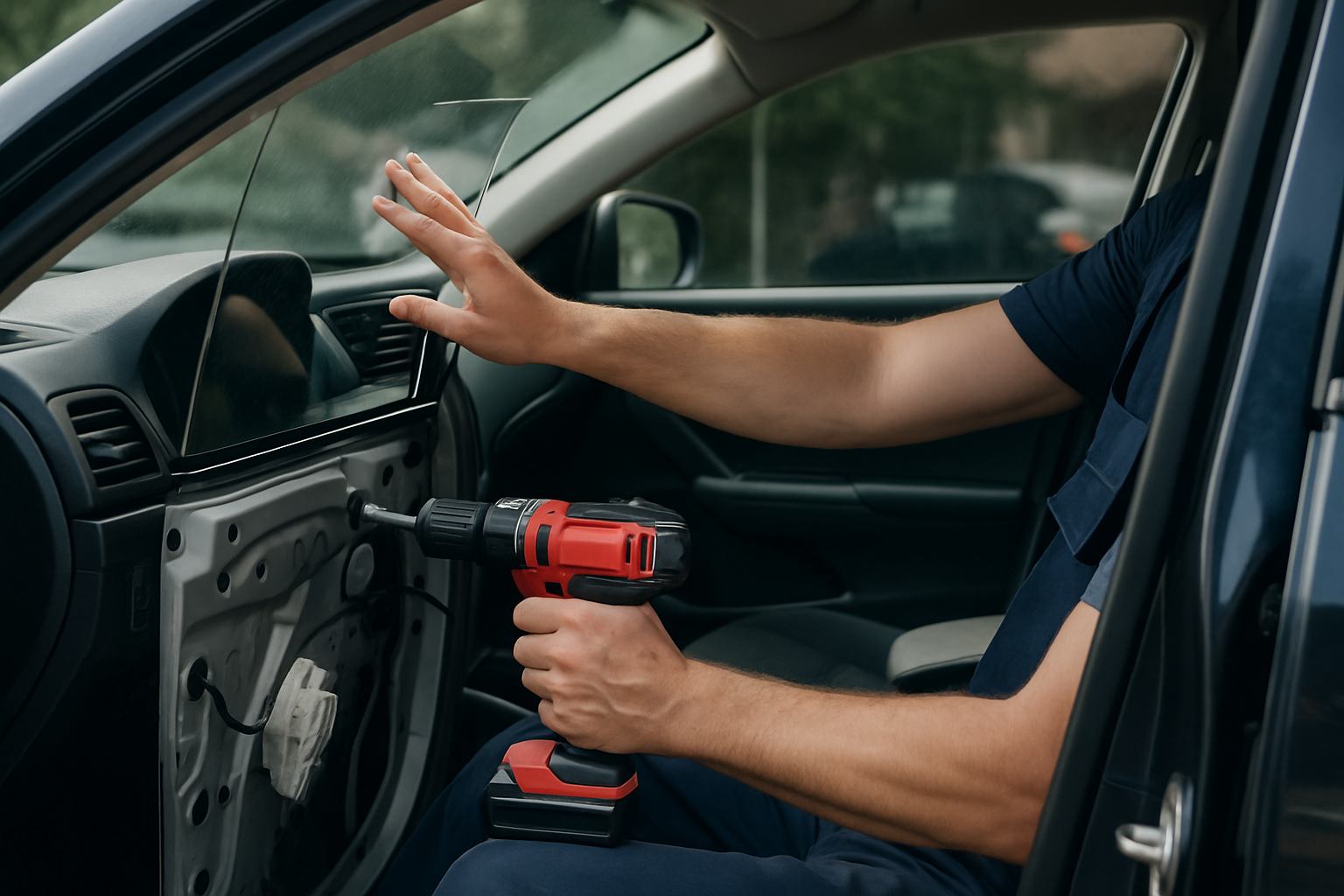
Accessing the internal latch mechanism requires removing the interior door panel, which involves removing screws, clips, and possibly the window crank or power window switches. This job varies significantly between vehicles, so consult a repair manual for your specific car.
Once you have access to the latch, you can clean it thoroughly and check for obvious damage. Look for broken springs, worn pivot points, or bent linkages. Many internal latch problems require complete replacement of the mechanism rather than individual component repair.
When reassembling everything, make sure all linkages and cables connect properly. Test the door handle operation before reinstalling the door panel completely.
Lubrication and Maintenance
Regular maintenance prevents most door latch problems from developing in the first place. Clean and lubricate your door mechanisms at least twice per year, or more frequently if you live in an area with harsh weather conditions.
Use white lithium grease for the striker plate and latch mechanism since it stays in place better than spray lubricants. Apply a small amount to all moving parts, including the door handle linkages and hinges.
Check your door alignment periodically by observing how the striker plate enters the latch mechanism. Catching alignment problems early prevents more extensive repairs later.
When to Seek Professional Help
Some door latch problems require professional attention, especially if they involve extensive disassembly or specialized tools. If your door has been damaged in an accident, the frame itself might be bent, requiring body shop equipment to correct.
Electrical issues with power locks or handles often need diagnostic equipment to identify the problem correctly. Modern vehicles with integrated security systems can develop complex problems that affect door operation.
If you’ve tried the basic fixes and the problem persists, a professional mechanic can diagnose more complex issues and ensure the repair is done safely.
Safety Considerations
Never drive with a door that won’t latch properly, even for short distances. A door that opens unexpectedly while driving creates serious safety risks for everyone in the vehicle.
If you must drive before completing repairs, use additional securing methods like bungee cords or rope as a temporary measure. However, this should only be for emergency situations to get the vehicle to a repair location.
Always test your repairs thoroughly before considering the job complete. Close and open the door multiple times, and make sure it latches securely each time.
Frequently Asked Questions
Why does my door only have problems in cold weather?
Cold weather can freeze moisture in your latch mechanism or cause metal components to contract slightly, affecting alignment. Rubber door seals also become stiffer in cold weather, which can change how the door sits in its frame. Regular lubrication with cold-weather appropriate lubricants can help prevent these issues.
Can I adjust the striker plate myself, or do I need special tools?
Most striker plate adjustments only require a set of Torx bits, which are available at any auto parts store. The adjustment process itself is straightforward, but take your time and make small changes. If you’re not comfortable working with tools or if the adjustment doesn’t solve the problem, consider having a professional handle the repair.
How do I know if I need to replace the entire latch mechanism?
If cleaning and lubrication don’t restore proper operation, and the striker plate alignment is correct, internal latch components may be worn or broken. Signs include inconsistent latching, unusual noises when operating the door handle, or visible damage to springs or linkages when you examine the mechanism closely.
Will a door that won’t close properly affect my car’s security system?
Yes, most modern vehicles monitor door position through switches in the latch mechanism. A door that doesn’t close properly may prevent the security system from arming correctly, and it might trigger interior lights or warning messages on your dashboard. Fixing the latch problem typically resolves these secondary issues as well.
This article contains affiliate links. If you purchase through these links, we may earn a small commission at no extra cost to you.
Leave a Reply