

Buying your first car feels like a huge win, right up until something starts beeping at you or making a noise you’ve never heard before. Most new owners aren’t careless, they just weren’t taught this stuff. Cars don’t come with a class on how to keep them alive, so small mistakes pile up until they turn into expensive repairs.
The good part is that almost every common maintenance mistake is easy to fix once you know what to look for. Below are the ten mistakes we see most often from first-time owners, what they actually cost you down the road, and the exact habit or fix that solves each one.
1. Ignoring the Oil Life Monitor Until It Hits 0%
That percentage on your dash isn’t a countdown to a suggestion, it’s an estimate based on your driving conditions and engine wear. A lot of new owners assume the car will just handle it, or they wait until the number hits zero before booking an appointment. By then, you’ve already been driving on oil that’s lost most of its lubricating properties, which speeds up wear on your timing chain, bearings, and valvetrain.
The fix is simple: start planning an oil change once the monitor drops to around 15%, not 0%. That gives you a buffer for scheduling and avoids driving weeks on borderline oil. If you’ve recently had service done and the percentage didn’t reset automatically, use our oil life reset tool to walk through the steps for your specific make and model.
2. Never Checking Tire Pressure
Underinflated tires wear unevenly, hurt your fuel economy, and increase your stopping distance in wet conditions. Overinflated tires reduce your contact patch and make the ride harsher while increasing the chance of a blowout on a hot highway drive. Most drivers only think about pressure when the TPMS light comes on, which usually means you’re already 25% or more below the recommended PSI.
Check your pressure monthly with a real gauge, not just a glance at the tire. The correct PSI is listed on a sticker inside your driver’s door jamb, not on the tire sidewall itself, those numbers are different things and mixing them up is a common rookie error. If your TPMS light keeps coming on after you’ve already adjusted pressure, check out our guide on how to reset TPMS on the Toyota RAV4 for a walkthrough that applies to similar reset procedures across brands.
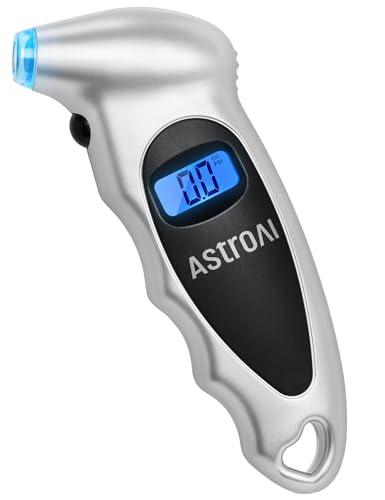
AstroAI Digital Tire Pressure Gauge
Accurate, backlit, and small enough to keep in your glovebox permanently.
3. Not Knowing What the Dashboard Warning Lights Mean
A lot of new owners lump every dashboard light into one category: “probably fine.” That’s a dangerous habit, because some lights mean check it when you get a chance, and others mean pull over now. A flashing check engine light, for example, usually signals an active misfire that can damage your catalytic converter within minutes of continued driving, while a steady check engine light might just be a loose gas cap.
Spend fifteen minutes with your owner’s manual and learn the difference between your critical warnings (oil pressure, temperature, brake system) and your informational ones (low washer fluid, maintenance reminders). If you own a vehicle with driver monitoring or lane assist features, some of those warning icons are related to safety systems rather than mechanical issues, and our guides like how to use the Driver Attention Warning on Kia and Hyundai vehicles can help you tell the difference.
4. Skipping Cabin Air Filter Changes
Your cabin air filter traps dust, pollen, and debris before it reaches your vents, and it’s one of the most overlooked parts on any car. A clogged filter reduces airflow from your AC and heater, forces your blower motor to work harder, and can cause musty smells to build up in your ventilation system. Most owners don’t even know this filter exists until a mechanic points it out and charges a marked-up labor fee to swap a part that takes five minutes.
Replace it roughly every 12,000 to 15,000 miles, or sooner if you live somewhere dusty or drive a lot of city miles. If your AC already smells off, that’s usually a sign the filter and the evaporator core need attention, and our article on how to fix smelly car AC and eliminate mold and mildew odors covers exactly how to handle it.
5. Using the Wrong Oil Spec
Not all motor oil is interchangeable, even though it’s all sold in the same aisle. Using the wrong viscosity, like 5W-30 instead of your manufacturer’s specified 0W-20, can affect fuel economy, cold-start protection, and long-term engine wear. Some newer engines are also picky about specific certifications (dexos, ILSAC GF-6, European ACEA ratings), and using an oil without the right approval can technically void warranty coverage on certain components.
Always check your owner’s manual or the cap on your oil fill for the exact spec, not just what the quick lube shop has on the shelf. If you’re doing your own oil changes, keeping a quart of the correct spec in your trunk is a smart habit for topping off between changes.
6. Not Following the Maintenance Schedule in the Owner’s Manual
Every car has two maintenance schedules built into the manual: a “normal” schedule and a “severe” schedule. Most drivers actually fall under severe conditions without realizing it, meaning short trips, stop-and-go traffic, extreme temperatures, or towing. If you’re following the normal schedule when you actually qualify for severe, you’re stretching intervals for fluids, filters, and spark plugs way past what your engine can handle without added wear.
Pull out your manual and actually read the maintenance table instead of guessing. If you’re due for services related to trailer towing or heavy loads, our guide on using Tow/Haul mode on the Chevy Silverado explains how towing changes your maintenance needs, even if you don’t drive that specific truck.
7. Ignoring the Check Engine Light
This deserves its own spot separate from the dashboard light section because it’s the single most ignored warning on any car. A steady check engine light often points to something minor like an oxygen sensor or a loose gas cap, but it can also mean a failing catalytic converter, a bad coil pack, or a vacuum leak that’s slowly hurting your fuel economy. Driving around for months with the light on and just “getting used to it” is how a small sensor issue turns into a repair bill in the thousands.
The fix here is cheap and takes five minutes: grab an OBD2 scanner and pull the code yourself instead of guessing or paying a shop just to tell you what’s wrong.
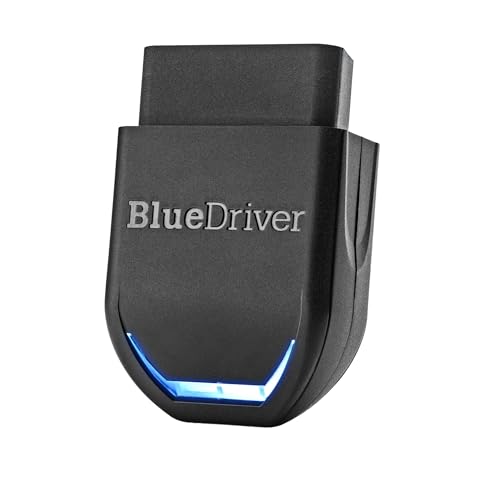
BlueDriver Bluetooth Pro OBD2 Scanner
Reads manufacturer-specific codes most cheap scanners miss, and pairs with a solid smartphone app.
Once you know the code, you can decide whether it’s something you can look up and handle yourself or something that needs a shop visit. Either way, you’re no longer driving blind.
8. Never Rotating Tires
Front tires and rear tires wear differently depending on whether your car is front-wheel, rear-wheel, or all-wheel drive. Skip rotations and you’ll end up needing to replace tires in mismatched pairs way earlier than necessary, sometimes losing 20% or more of your total tread life. Uneven wear also affects handling and can throw off your alignment feel even when the alignment itself is fine.
Rotate your tires every 5,000 to 7,500 miles, ideally at the same time as an oil change so you don’t have to think about scheduling it separately. Most shops will do this cheaply or even free with an oil change package, so there’s rarely a reason to skip it.
9. Letting the Battery Die from Short Trips
If most of your driving is short hops to the grocery store or a five-minute commute, your alternator often doesn’t get enough run time to fully recharge the battery after starting the car. Over months, this leaves your battery chronically undercharged, which shortens its lifespan dramatically, sometimes cutting a 5-year battery down to 2 or 3 years. This is especially common with new owners who don’t realize idling in a driveway doesn’t count as a real charging cycle.
If your daily driving is mostly short trips, take your car on a longer drive at least once a week to let the alternator fully top off the battery. Keeping a portable jump starter in your trunk is also smart insurance for the mornings when it doesn’t quite make it.
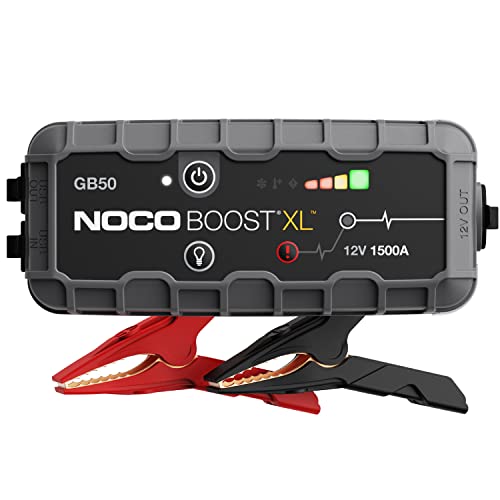
NOCO Boost Plus GB40 Jump Starter
Compact enough to live in your glovebox and powerful enough to start most cars, trucks, and SUVs without cables to another vehicle.
10. Overpaying at the Dealer for Basic Services You Could DIY
Dealers often mark up basic maintenance like cabin filters, wiper blades, and even oil changes because new owners assume it has to be done there to keep the warranty valid. In most cases, that’s not true. Federal law (the Magnuson-Moss Warranty Act) protects your right to have basic maintenance done anywhere, including your own driveway, as long as you keep records and use parts that meet spec.
A basic toolkit pays for itself within the first year if you’re comfortable handling oil changes, filter swaps, and tire rotations yourself. Even if you’re not ready to do everything, knowing which services are simple enough to DIY gives you leverage to push back on dealer upsells for things you don’t actually need done in-house.
Your Starter Toolkit for Basic Car Maintenance
You don’t need a full garage setup to handle the basics. A handful of tools covers almost everything in this list.
- An OBD2 scanner to read check engine codes before they turn into bigger problems
- A reliable tire pressure gauge for monthly checks
- A torque wrench for lug nuts and oil drain plugs so you don’t over-tighten anything
- A basic car emergency kit for jumper cables, flares, and a flashlight
Keep this kit in your trunk and you’ll have most first-year problems covered before they turn into a tow truck call.
Frequently Asked Questions
How often should a first-time owner actually check their car?
Check tire pressure and fluid levels monthly, glance at the oil life monitor every time you start a long trip, and give the whole car a quick walk-around look for leaks or new noises every couple of weeks.
Is it bad to change your own oil as a beginner?
Not at all, as long as you use the correct oil spec and filter, torque the drain plug properly, and dispose of the old oil at a recycling center. It’s one of the easiest DIY jobs on any car.
What’s the single most expensive mistake on this list?
Ignoring the check engine light and letting a small issue like a misfire turn into catalytic converter damage. That single mistake alone can cost thousands more than the original fix would have.
Do electric and hybrid vehicles need less maintenance?
They need less engine-related maintenance since there’s no oil to change in most EVs, but tires, cabin filters, and brake systems still need attention. Hybrids also have some unique quirks, like how regenerative braking can feel weak or jerky when something’s off, which is worth understanding early on.
Leave a Reply