
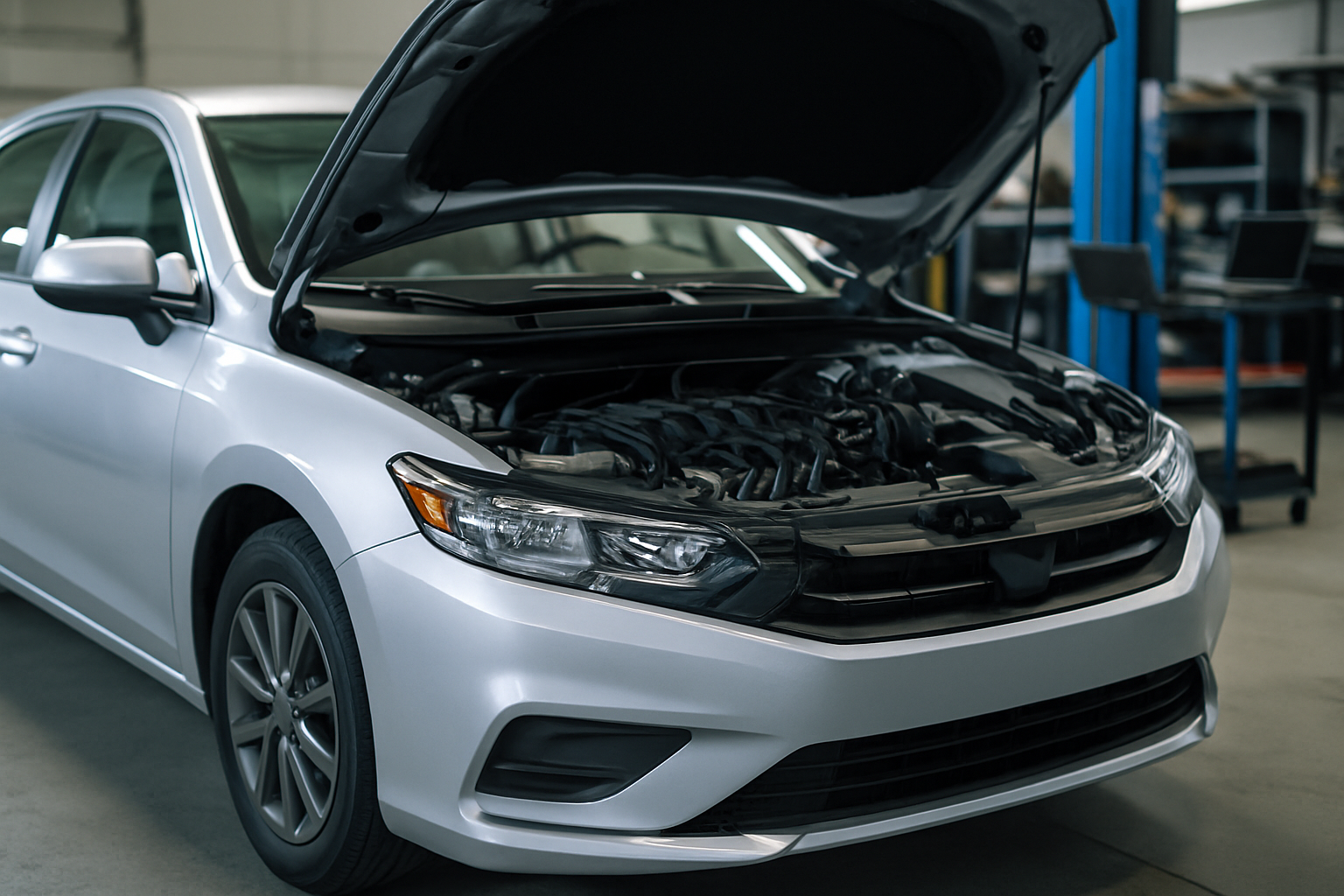
Engine misfires can turn your daily drive into a frustrating experience, causing rough idling, poor acceleration, and that telltale stumbling sensation you feel through the steering wheel. When your engine can’t fire all cylinders properly, you’ll notice decreased performance, increased fuel consumption, and potentially expensive damage if left untreated.
Understanding what triggers these misfires and knowing how to diagnose them can save you hundreds of dollars in unnecessary repairs while getting your vehicle running smoothly again.
Understanding Engine Misfires and Diagnostic Codes
An engine misfire occurs when one or more cylinders fail to ignite the air-fuel mixture at the correct time, or fail to ignite it completely. Your vehicle’s computer system detects these irregularities through various sensors and triggers specific diagnostic trouble codes (DTCs) to help pinpoint the problem.
The most common misfire codes you’ll encounter are P0300 through P0312. Code P0300 indicates a random or multiple cylinder misfire, while codes P0301 through P0312 identify misfires in specific cylinders (P0301 for cylinder 1, P0302 for cylinder 2, and so forth).
These codes provide your first clue about whether you’re dealing with a widespread engine problem or an issue isolated to particular cylinders. A P0300 code suggests problems affecting multiple cylinders, such as fuel quality issues or vacuum leaks, while specific cylinder codes point to localized problems like faulty spark plugs or ignition coils.
Common Causes of Engine Misfires
Faulty Spark Plugs
Worn or damaged spark plugs rank among the most frequent causes of engine misfires. Over time, spark plugs accumulate carbon deposits, their electrodes wear down, and their gap widens beyond specifications. This deterioration prevents the plug from creating a strong enough spark to ignite the air-fuel mixture consistently.
You can identify bad spark plugs by removing them and inspecting their condition. Look for excessive carbon buildup, eroded electrodes, cracked porcelain, or oil fouling. Most spark plugs need replacement every 30,000 to 100,000 miles, depending on the type and your driving conditions.
Defective Ignition Coils
Modern vehicles use individual ignition coils for each cylinder or coil packs that serve multiple cylinders. These coils transform your battery’s 12-volt power into the thousands of volts needed to create a spark. When an ignition coil fails, it can’t provide adequate voltage to fire the spark plug properly.
Ignition coil problems often manifest as misfires under load, such as during acceleration or climbing hills. You might also notice rough idling or complete loss of power from affected cylinders.
Clogged or Malfunctioning Fuel Injectors
Fuel injectors spray precisely measured amounts of fuel into each cylinder. When they become clogged with deposits or malfunction electronically, they can’t deliver the correct fuel quantity or spray pattern. This disruption creates an improper air-fuel mixture that won’t ignite reliably.
Dirty injectors typically cause misfires during idle or light throttle conditions, while completely failed injectors cause misfires across all engine speeds and loads.
Vacuum Leaks
Your engine relies on a network of vacuum hoses and gaskets to maintain proper air-fuel ratios. Cracks, tears, or loose connections in this system allow unmeasured air to enter the engine, creating lean conditions that make ignition difficult or impossible.
Vacuum leaks often cause rough idle, high idle speed, and misfires that worsen when the engine is cold. Common failure points include intake manifold gaskets, vacuum hoses, and the throttle body gasket.
Low Compression
Each cylinder must build sufficient compression to ignite the air-fuel mixture effectively. Worn piston rings, damaged valves, or blown head gaskets can reduce compression below the threshold needed for proper combustion.
Low compression typically affects the same cylinders consistently and often accompanies other symptoms like excessive oil consumption, coolant loss, or white smoke from the exhaust.
The Coil Swap Test for Accurate Diagnosis
When you receive a specific cylinder misfire code, the coil swap test provides a simple yet effective method to determine whether the ignition coil is at fault. This test involves moving the ignition coil from the misfiring cylinder to a different cylinder and observing whether the misfire follows the coil.
Start by clearing the diagnostic codes from your vehicle’s computer. Remove the ignition coil from the cylinder showing the misfire code and swap it with a coil from a cylinder that’s working properly. Make sure to handle the coils carefully and ensure all connections are secure.
Drive the vehicle for several miles or follow your scan tool’s drive cycle requirements to allow the computer to detect any new misfires. If the misfire code switches to the cylinder where you moved the suspect coil, you’ve confirmed that coil is defective and needs replacement.
If the misfire remains on the original cylinder after swapping coils, the problem lies elsewhere in that cylinder’s components, such as the spark plug, fuel injector, or mechanical issues like compression problems.
Step-by-Step Diagnostic Process
Initial Assessment
Begin your diagnosis by connecting an OBD-II scanner to retrieve all stored trouble codes. Record both pending and confirmed codes, as this information helps you understand the scope of the problem. Multiple random misfires (P0300) suggest different causes than single-cylinder misfires.
Pay attention to when the misfires occur. Note whether they happen during cold starts, at idle, under acceleration, or consistently across all driving conditions. This pattern provides valuable clues about the underlying cause.
Visual Inspection
Perform a thorough visual inspection of the ignition system components. Check spark plug wires or coil boots for cracks, burns, or corrosion. Examine vacuum hoses for splits, disconnections, or deterioration.
Remove the spark plugs from affected cylinders and inspect their condition. Compare them to plugs from properly firing cylinders to identify differences in wear patterns, deposits, or damage.
Component Testing
Test ignition coils using the swap method described earlier or with a multimeter if you have the specifications. Most coils should show primary resistance between 0.4 and 2.0 ohms and secondary resistance between 6,000 and 30,000 ohms, though you’ll need to check your specific vehicle’s requirements.
Perform a compression test on cylinders showing consistent misfires. Healthy cylinders typically show compression readings within 10% of each other, usually between 120 and 180 PSI depending on the engine.
Essential Replacement Parts and Tools
When dealing with misfire repairs, having quality replacement parts makes a significant difference in repair longevity and performance. Ignition coil packs vary significantly in quality, and investing in OEM or premium aftermarket units often prevents repeat failures.
For spark plug replacement, stick to the manufacturer’s specified heat range and gap settings. Using incorrect plugs can cause new misfire problems even if the old plugs were clearly worn out. Popular brands like NGK, Denso, and Champion offer reliable options across most vehicle applications.
You’ll need basic tools including a ratchet set, spark plug socket, gap gauge, and dielectric grease for installation. A torque wrench ensures you don’t over-tighten components, which can cause thread damage or poor connections.
Repair and Replacement Procedures
Spark Plug Replacement
Replace spark plugs when the engine is cool to prevent thread damage. Remove one plug at a time to avoid mixing up firing order, and inspect each plug’s condition before discarding it. Gap new plugs to specification using a proper gap gauge, as pre-gapped plugs sometimes shift during shipping.
Apply a thin coat of dielectric grease to the boot or coil connection point to prevent moisture intrusion and ensure easy future removal. Torque plugs to specification, typically between 15 and 25 foot-pounds for most applications.
Ignition Coil Installation
When replacing ignition coils, replace the spark plugs simultaneously to prevent premature coil failure from worn plugs. Clean the coil mounting area and spark plug well before installation to prevent debris from falling into the cylinder.
Ensure all electrical connections are clean and tight. Corroded or loose connections can cause voltage drops that damage new coils or create intermittent misfires.
Addressing Vacuum Leaks
Locate vacuum leaks using carburetor cleaner or propane around suspected areas while the engine idles. The engine speed will change when the spray reaches a leak point. Replace damaged hoses with vacuum-rated rubber hose of the correct diameter.
For intake manifold gasket leaks, you’ll need to remove the manifold and clean all sealing surfaces thoroughly. Use the specified torque sequence when reinstalling to prevent warping and ensure even sealing.
Prevention and Maintenance Tips
Regular maintenance prevents most misfire problems before they develop. Replace spark plugs at manufacturer-specified intervals, even if they appear functional. Worn plugs stress ignition coils and can cause premature failure of these more expensive components.
Use quality fuel and consider occasional fuel injector cleaning treatments to prevent deposit buildup. Top-tier gasoline contains additives that help keep injectors clean, while lower-grade fuels may contribute to deposit formation over time.
Address check engine lights promptly rather than ignoring them. Continuing to drive with misfires can damage catalytic converters, which cost significantly more to replace than basic ignition components.
When to Seek Professional Help
While many misfire causes can be addressed by DIY mechanics, certain situations require professional diagnosis and repair. Compression problems often involve major engine work beyond the scope of basic maintenance.
If you’ve replaced obvious components like plugs and coils but misfires persist, internal engine problems or complex fuel system issues may be at fault. Professional shops have specialized equipment like cylinder leak-down testers and fuel pressure gauges that can identify problems not visible during basic inspection.
Intermittent misfires that don’t follow clear patterns can be particularly challenging to diagnose. These problems often require extended monitoring with professional scan tools that can track misfire patterns over time.
Frequently Asked Questions
Can I drive with an engine misfire?
You should avoid driving with severe misfires, as unburned fuel can damage your catalytic converter and create dangerous exhaust emissions. Occasional light misfires during cold starts may be acceptable for short distances to reach a repair facility, but consistent misfires require immediate attention.
How much does misfire repair typically cost?
Repair costs vary widely based on the root cause. Spark plug replacement typically runs $100-300 including labor, while ignition coil replacement costs $150-400 per coil. More complex problems like intake manifold gaskets or internal engine damage can cost $800-3000 or more depending on your vehicle and local labor rates.
Will fuel additives fix misfire problems?
Fuel system cleaners may help with misfires caused by dirty injectors or carbon deposits, but they won’t fix worn spark plugs, failed ignition coils, or mechanical problems. Use fuel additives as preventive maintenance rather than expecting them to cure existing misfire conditions.
How can I tell if multiple components are causing misfires?
Multiple component failures often create complex symptoms that vary with driving conditions. Professional diagnosis becomes valuable when you’ve addressed obvious problems but misfires continue. Advanced scan tools can monitor individual cylinder performance and identify patterns that point to specific failure combinations.



Leave a Reply